
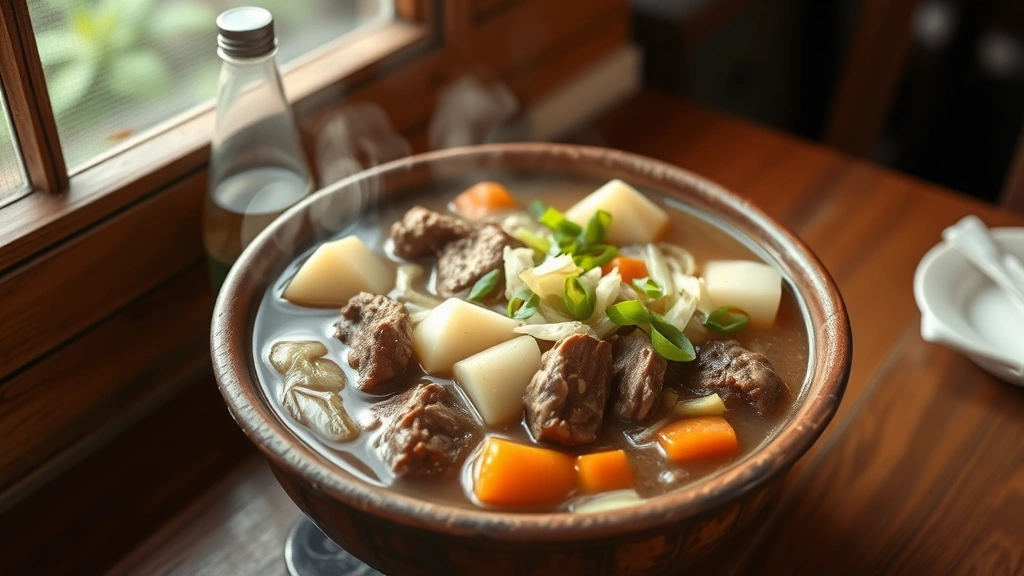
Nilaga is a beloved Filipino comfort food that brings warmth and satisfaction to any table. This traditional beef stew, simmered with potatoes, cabbage, and other vegetables, is the ultimate expression of home cooking in the Philippines. The beauty of nilaga lies in its simplicity—humble ingredients transform into something truly magical through slow, patient cooking. The broth becomes rich and flavorful, infused with the essence of beef and aromatics, while the vegetables absorb all those delicious savory notes.
What makes the best nilaga recipe so special is understanding the fundamentals: quality beef cuts, proper browning for depth of flavor, and the right balance of vegetables that cook at different rates. This dish is perfect for family dinners, meal prep, or whenever you’re craving authentic Filipino cuisine. Unlike more complex dishes, nilaga rewards you for taking your time—low and slow is the name of the game here.
I’ve perfected this recipe over years of cooking, and I’m thrilled to share my techniques with you. Whether you’re introducing someone to Filipino food or you’re a seasoned cook looking to master this classic, this guide will walk you through every step. Similar to adobo, nilaga showcases how Filipino cuisine celebrates bold flavors and comforting textures. The result is a dish that tastes even better the next day, making it ideal for batch cooking.
Ready to create magic in your kitchen? Let’s dive into making the best nilaga you’ve ever tasted. Understanding beef cuts will elevate your cooking, and proper browning technique is your secret weapon. This recipe serves 6-8 people comfortably and takes about 2.5 hours from start to finish.
Ingredients
- 3 lbs beef chuck or brisket, cut into 2-inch cubes
- 3 tablespoons vegetable oil
- 1 large white onion, quartered
- 6 cloves garlic, minced
- 2 tablespoons fish sauce (patis)
- 8 cups beef broth or water
- 4 medium potatoes, quartered
- 1 small head of cabbage, cut into wedges
- 3 medium carrots, cut into 2-inch pieces
- 1 bunch green onions (scallions), cut into 3-inch pieces
- 6-8 radishes (labanos), halved or quartered
- 3 bay leaves
- 1 teaspoon whole black peppercorns
- Salt and pepper to taste
- 2 tablespoons cooking oil (for sautéing aromatics)
Instructions
- Pat the beef cubes dry with paper towels. This step is crucial for achieving a proper golden-brown crust. Moisture on the surface prevents browning and creates steam instead.
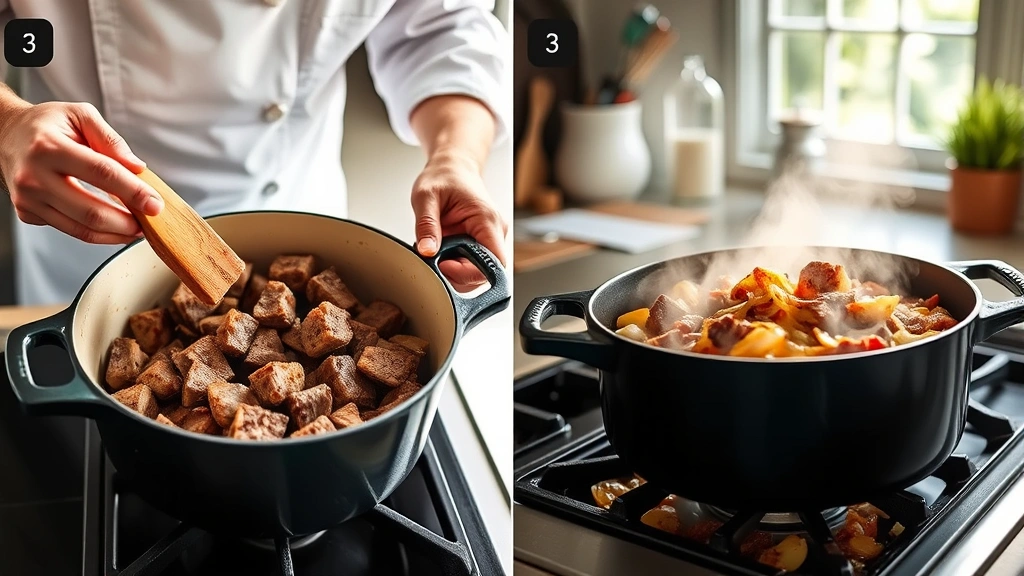
- Heat 3 tablespoons of vegetable oil in a large Dutch oven or heavy-bottomed pot over medium-high heat. The oil should shimmer and be nearly smoking—this indicates it’s hot enough for proper searing.
- Working in batches to avoid crowding the pot, add the beef cubes and let them sit undisturbed for 3-4 minutes on each side. Resist the urge to stir; you want a caramelized crust. Brown all sides of all the beef, then remove to a plate.
- In the same pot with the remaining oil and beef drippings, add the quartered onion and cook for 2 minutes until slightly softened. The onion will caramelize and add depth to your broth.
- Add the minced garlic and cook for another minute, stirring constantly, until fragrant. Be careful not to burn the garlic as it will become bitter.
- Pour in the fish sauce and stir well, scraping up all the browned bits from the bottom of the pot (this is called deglazing). These browned bits are liquid gold—they contain tons of flavor.
- Return all the browned beef to the pot along with any accumulated juices. Stir to combine with the aromatics.
- Add 8 cups of beef broth (or water if you prefer a lighter broth) to the pot. Add the bay leaves and whole black peppercorns. Bring to a boil, then immediately reduce heat to low.
- Cover the pot and simmer gently for 1 hour and 15 minutes. The beef should be getting tender but not yet falling apart. Skim off any foam or impurities that rise to the surface during the first 15 minutes of cooking.
- After 1 hour and 15 minutes, add the potatoes, carrots, and radishes. These harder vegetables need more cooking time than the leafy vegetables. Stir well and return to a gentle simmer.
- Continue cooking covered for 20 minutes until the potatoes are tender but still hold their shape.
- Add the cabbage wedges and green onion pieces. The cabbage will wilt significantly, and the green onions will add a fresh brightness to the broth. Stir gently to combine.
- Simmer uncovered for another 10-15 minutes until the cabbage is tender and the green onions are heated through. Taste the broth at this point.
- Season with additional salt and pepper to taste. Remember that fish sauce is salty, so taste before adding extra salt. The broth should be savory and deeply flavorful.
- Ladle into bowls, ensuring each serving has a good mix of beef and vegetables. Serve hot with steamed white rice on the side for the ultimate comfort meal.
- Store leftovers in an airtight container in the refrigerator for up to 4 days. The flavors actually deepen overnight, making this an excellent make-ahead dish.
Pro Tips
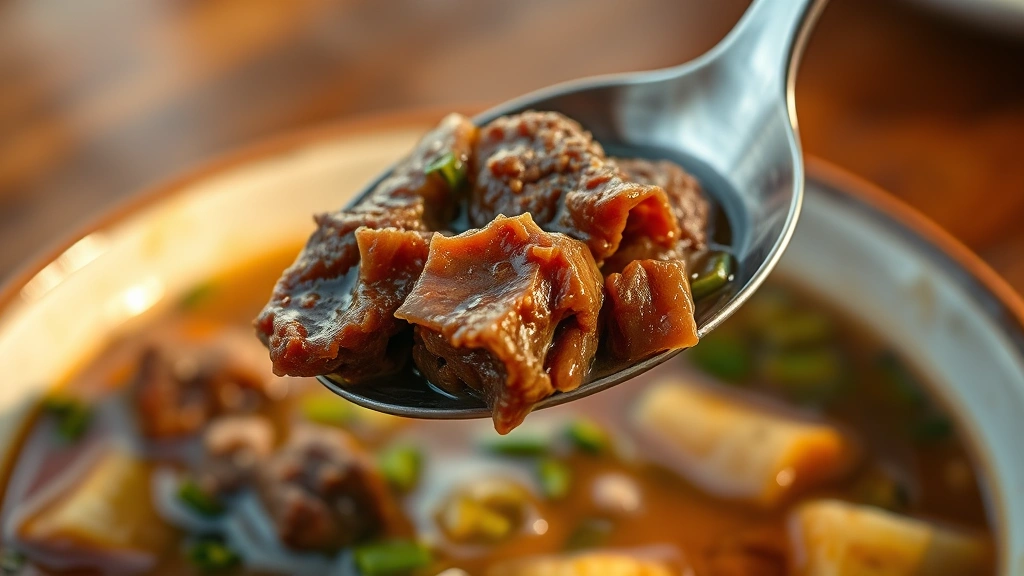
- **Beef selection matters**: Chuck and brisket are ideal because they have enough marbling and collagen to become tender through long cooking. Avoid lean cuts like sirloin.
- **Fish sauce is non-negotiable**: While it smells pungent, it’s essential to authentic Filipino flavor. It adds umami depth that cannot be replicated. Start with 2 tablespoons and adjust to your taste.
- **The browning step creates flavor**: Don’t skip searing the beef. This Maillard reaction creates complex flavors that make the difference between good nilaga and great nilaga. Learn more about the Maillard reaction.
- **Low and slow is the philosophy**: Rushing by using high heat will result in tough meat. Gentle simmering allows collagen to break down into gelatin, creating that silky mouthfeel.
- **Vegetable timing is crucial**: Add vegetables in stages based on cooking time. Root vegetables (potatoes, carrots, radishes) go in first, then leafy vegetables at the end to maintain their texture and bright color.
- **Make it ahead confidently**: Nilaga actually tastes better the next day as flavors meld. You can make the entire dish up to 4 days ahead, or prepare through step 9 and finish vegetables on serving day.
- **Customize your vegetables**: While this recipe uses classic vegetables, you can add celery, corn, pumpkin, or string beans. Adjust cooking times accordingly—tougher vegetables need more time.
- **Broth-to-meat ratio**: Some prefer a brothier nilaga while others like it more stew-like. Use 8 cups for brothier, or reduce to 6 cups for thicker stew. You can always add more broth if needed.
- **Serving suggestions**: Always serve with steamed jasmine or white rice. Some families add a squeeze of calamansi (Filipino lime) or regular lime juice for brightness. A drizzle of fish sauce on top is traditional.
- **Freezing works well**: Portion into freezer-safe containers and freeze for up to 3 months. Thaw overnight in the refrigerator and reheat gently on the stovetop, adding a splash of broth if needed.
- **Restaurant-quality result**: The secret is patience and not rushing. Many home cooks try to speed up the process, but this recipe’s magic comes from time. Trust the process.
- **Scaling the recipe**: This easily doubles or triples for larger gatherings. Multiply all ingredients proportionally, but increase cooking time by 15-20 minutes when doubling.
Pingback: How to make the BEST Olive Garden Minestrone Soup Recipe! – Simple Recipe Finder