
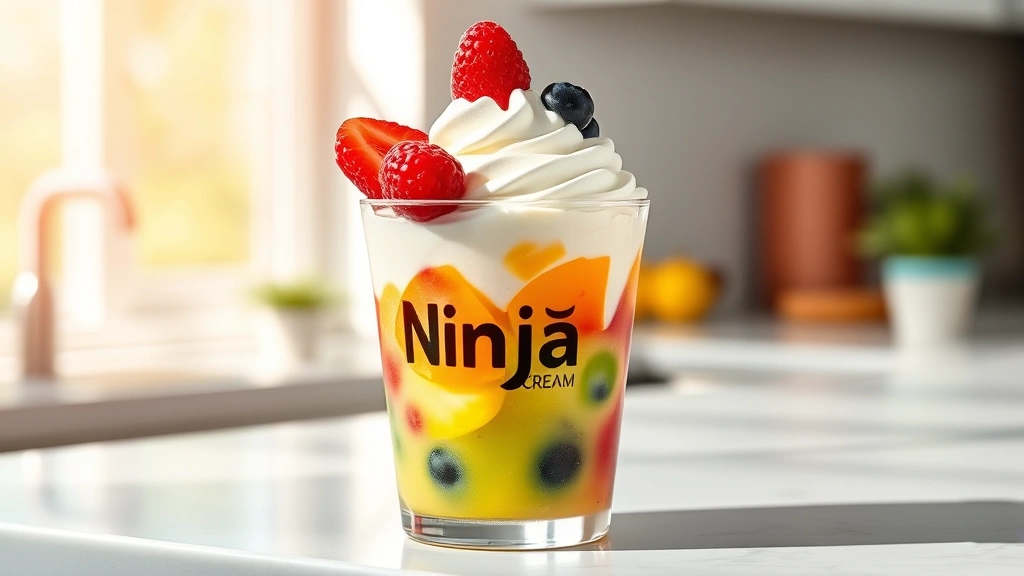
There’s nothing quite like a homemade frozen treat on a hot summer day, and with the Ninja Creami, you can create café-quality frozen desserts right in your own kitchen. This comprehensive guide will walk you through everything you need to know about making the best Ninja Creami recipes, from selecting the perfect base ingredients to mastering advanced techniques that’ll have your family and friends asking for seconds.
The Ninja Creami has revolutionized how we think about frozen desserts. Unlike traditional ice cream makers that require hours of churning and constant attention, this innovative appliance transforms pre-frozen liquids into silky-smooth frozen treats in minutes. Whether you’re a kitchen novice or an experienced baker, you’ll find that creating professional-quality frozen drinks and desserts is easier than ever before. We’ll explore everything from classic Italian gelato to modern slushies, ensuring you get the most out of your investment.
Before you dive in, it’s important to understand that success with the Ninja Creami depends on a few key factors: proper freezing time, ingredient selection, and understanding how different liquids behave when frozen. The base liquid you choose—whether it’s juice, coffee, or a creamy mixture—will dramatically affect your final product’s texture and flavor. Throughout this guide, you’ll discover insider tips and tricks that professional frozen dessert makers use to create consistently delicious results.
One of the greatest advantages of the Ninja Creami is its versatility. You can create frozen desserts tailored to any dietary preference, from dairy-free options using coconut milk to sugar-free versions using natural sweeteners. The machine’s various settings allow you to control the texture, whether you want something smooth and creamy or icy and refreshing. This flexibility means you can experiment with flavors and textures without worrying about complicated recipes or special equipment.
The secret to Ninja Creami success lies in understanding the freezing process and how different ingredients interact when frozen solid. Unlike traditional ice cream, which uses air incorporation and churning to create texture, the Creami relies on the density and moisture content of your base liquid. This is why selecting quality ingredients makes such a significant difference in your final product. High-quality fruit juices, premium coffee, and fresh ingredients will always yield superior results compared to lower-quality alternatives.
Temperature control is absolutely crucial when working with the Ninja Creami. Your mixture needs to freeze completely solid—typically 24 hours for optimal results, though 12 hours is often sufficient. The freezing time allows ice crystals to form throughout the liquid, which the machine then breaks down into that signature creamy texture. If your base isn’t completely frozen, you’ll end up with a slushy consistency rather than the smooth, scoopable texture you’re aiming for. For the creamiest results, check out this detailed texture guide.
Another essential consideration is the container you use for freezing. The Ninja Creami is designed to work with specific cup sizes and shapes, typically the 16-ounce cups that come with the machine. Ensure your containers are freezer-safe and won’t crack under the stress of the machine’s processing action. Many users find it helpful to keep multiple containers prepared and ready, allowing them to rotate between different flavors or simply have backup options on hand for spontaneous frozen treat cravings.
For those interested in exploring more frozen dessert options, this comprehensive guide to frozen dessert basics provides additional context and techniques. Understanding the science behind frozen desserts will help you troubleshoot any issues and innovate with your own flavor combinations. The Ninja Creami opens up a world of possibilities once you understand the fundamentals of freezing and texture creation.
If you’re looking for inspiration beyond basic recipes, Bon Appétit’s frozen dessert collection offers creative flavor combinations and professional techniques. For more scientific approaches to frozen treats, Serious Eats provides detailed explanations of the chemistry behind achieving perfect texture. Additionally, The New York Times Cooking section features innovative frozen recipes that work beautifully with the Ninja Creami.
As you become more comfortable with your Ninja Creami, you’ll discover that the possibilities are truly endless. From refreshing fruit slushies perfect for pool days to rich, creamy desserts that rival expensive ice cream shops, this machine delivers consistent results that’ll impress everyone. The key is starting with quality ingredients, following proper freezing protocols, and being willing to experiment with flavors and textures until you find your perfect frozen treat.
Ingredients
- 2 cups fresh fruit juice or combination of juices (mango, pineapple, strawberry, or your favorite)
- 1 cup heavy cream or coconut cream for creamier texture
- ½ cup sweetened condensed milk or agave nectar
- 2 tablespoons fresh lemon or lime juice
- 1 teaspoon vanilla extract
- Pinch of sea salt
- Fresh fruit for garnish (optional)
- Whipped cream for topping (optional)
- Edible glitter or sprinkles for decoration (optional)
Instructions
- Gather all your ingredients and ensure your Ninja Creami cups are clean and ready for use. Have your freezer cleared of any items that might block the cups from sitting flat.
- In a large mixing bowl, combine the fresh fruit juice with heavy cream or coconut cream, stirring until well blended. The cream will create a smoother, more indulgent texture compared to juice alone.
- Add the sweetened condensed milk or agave nectar to the mixture, stirring continuously until fully incorporated. This ingredient adds sweetness and helps create a creamier final texture.
- Pour in the fresh lemon or lime juice, which brightens the flavor and prevents the mixture from being overly sweet. Stir well to combine all ingredients.
- Add the vanilla extract and a small pinch of sea salt. The salt enhances the overall flavor profile and makes the sweetness more pronounced without tasting salty.
- Taste the mixture and adjust sweetness or flavor as needed. Remember that freezing will mute flavors slightly, so the mixture should taste slightly sweeter than your desired final product.
- Pour the prepared mixture into your Ninja Creami cups, filling them to the indicated line—typically about ¾ inch from the top to allow for expansion during freezing.
- Place the filled cups in the freezer with the lids on. Arrange them so they sit flat and won’t tip over during the freezing process.
- Allow the mixture to freeze for a minimum of 12 hours, though 24 hours is recommended for the best texture and consistency.
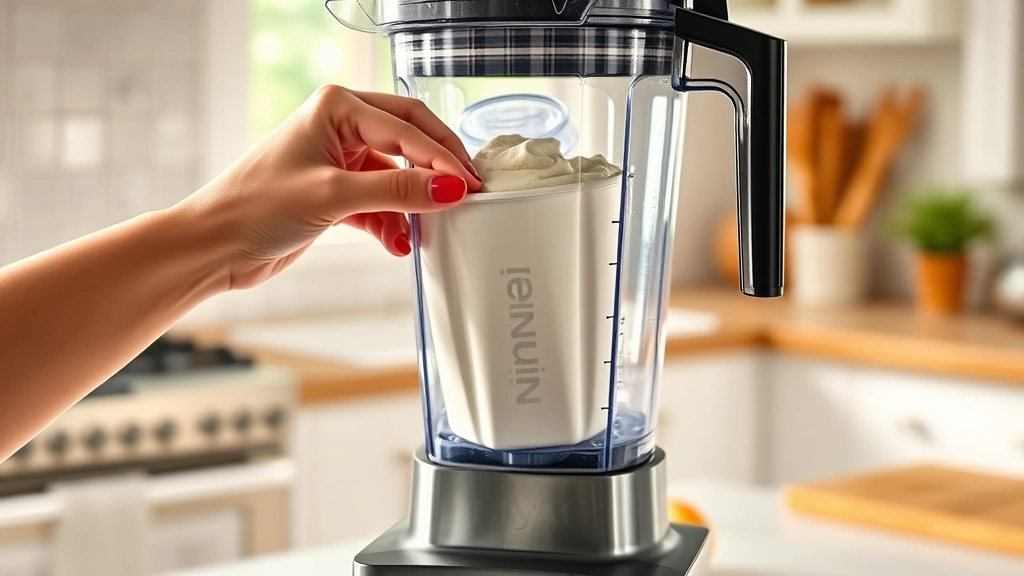
- When ready to use, remove one cup from the freezer and place it into the Ninja Creami machine, ensuring it’s seated properly and securely.
- Select your desired texture setting: Slushi for an icy texture, Sorbet for a smoother texture, or Gelato for the creamiest possible result.
- Press the start button and allow the machine to process the frozen mixture. This typically takes 1-2 minutes depending on your selected setting.
- Once processing is complete, the machine will alert you with a beep. Carefully remove the cup from the machine.
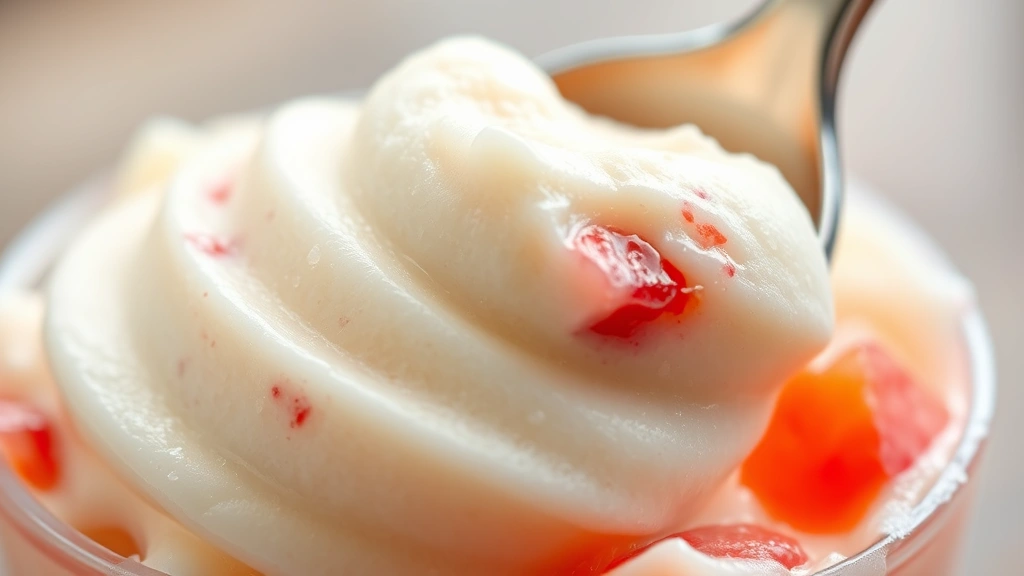
- Scoop the newly created frozen treat into serving bowls or cups, working quickly as the texture will begin to soften at room temperature.
- Garnish with fresh fruit, whipped cream, edible glitter, or your favorite toppings if desired.
- Serve immediately and enjoy your homemade Ninja Creami creation while it’s at its optimal texture and temperature.
Pro Tips
- **Freezing Time is Everything**: The most common mistake users make is not allowing adequate freezing time. A minimum of 12 hours is necessary, but 24 hours ensures optimal texture. Plan ahead and prepare your mixtures the day before you want to enjoy them.
- **Sweetener Selection Matters**: Different sweeteners freeze at different rates and create varying textures. Honey and agave nectar create smoother textures, while granulated sugar can result in icier consistency. Experiment to find your preference.
- **Cream Content Affects Texture**: More cream creates a gelato-like consistency, while juice-only bases produce lighter, more refreshing sorbets. Find the ratio that works for your taste preferences and dietary needs.
- **Container Placement**: Always ensure your frozen cups are placed flat and stable in the freezer. Tilted containers may not freeze evenly, resulting in uneven texture when processed.
- **Keep Multiple Cups Prepared**: Having several cups frozen and ready allows you to enjoy different flavors throughout the week and always have options available for unexpected guests.
- **Temperature Matters**: Remove cups from the freezer just before using them in the machine. If left at room temperature for too long, they may thaw slightly around the edges, affecting the final texture.
- **Flavor Intensity**: Remember that freezing mutes flavors, so your base mixture should taste slightly more intense than your desired final flavor. Don’t be shy with vanilla, citrus, or other flavor extracts.
- **Natural vs. Artificial Ingredients**: Natural fruit juices and extracts produce superior flavors compared to artificial alternatives. The quality of your ingredients directly impacts your finished product.
- **Storage Solutions**: Pre-made cups can be stored in the freezer for up to 2 weeks, making them perfect for meal prep and quick treats. Label cups with the date and flavor for easy identification.
- **Customization Options**: Add protein powder, collagen peptides, or other nutritional supplements to your base mixture for customized nutrition. Blend smoothly before freezing to ensure even distribution.
- **Troubleshooting Texture Issues**: If your result is too icy, add more cream or sweetened condensed milk to your next batch. If it’s too soft, ensure complete freezing and use the Gelato setting for maximum smoothness.
- **Clean Your Machine**: Always rinse your Ninja Creami immediately after use to prevent frozen mixture buildup. Frozen residue can affect performance and longevity of your machine.