
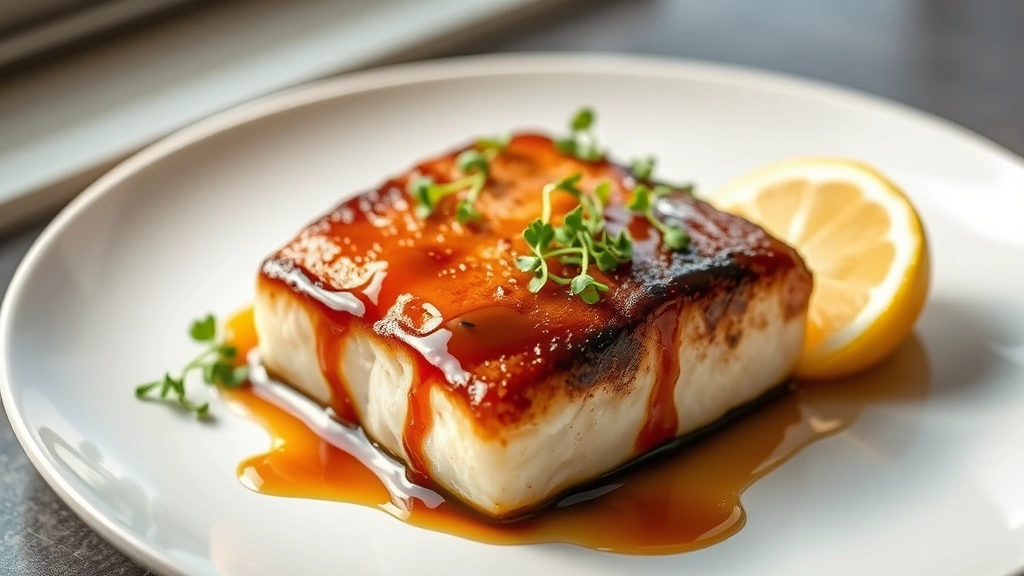
This iconic Nobu Miso Cod recipe has captivated fine dining enthusiasts for decades, and now you can recreate this masterpiece in your own kitchen! The beauty of this dish lies in its elegant simplicity—buttery black cod is marinated in a divine miso-based glaze, then gently baked until it practically melts on your tongue. The combination of sweet miso, sake, and mirin creates a umami-rich crust that’s absolutely irresistible.
Nobu Matsuhisa’s signature preparation has become a benchmark for Japanese-inspired cuisine worldwide, and for good reason. The technique is surprisingly approachable for home cooks, requiring just a handful of quality ingredients and a bit of patience. What makes this recipe truly special is understanding the balance between the salty miso, the sweetness of mirin, and the depth that sake brings to the marinade.
I’ve adapted this classic to work beautifully in a home kitchen while maintaining the restaurant-quality results that make this dish so extraordinary. The marinating process is key—it allows the flavors to penetrate the delicate fish while the miso creates that gorgeous caramelized exterior. Whether you’re cooking for a special occasion or simply want to elevate your weeknight dinner, this best main course recipe will absolutely impress.
The black cod (also called sablefish) is essential here—its high fat content and buttery texture are perfect for this preparation. If you can’t find black cod, you can substitute with halibut or sea bass, though the result won’t be quite as luxurious. Pair this with steamed bok choy or a simple best artichoke heart salad recipe for a complete meal.
For the most authentic experience, source your miso from a Japanese market—the quality difference is remarkable. White miso (shiro miso) is traditional, though some variations use red miso for deeper complexity. This recipe serves four as a main course and can easily be doubled for entertaining. The marinade can be prepared up to two days ahead, making this perfect for meal planning.
According to Bon Appétit, this preparation method has become the gold standard for cooking delicate white fish. The gentle heat and protective glaze ensure the fish stays moist and tender. For more detailed fish cooking techniques, Serious Eats offers excellent guidance. You might also enjoy exploring New York Times Cooking for additional Japanese-inspired recipes.
The beauty of this dish is that it demonstrates how just five or six ingredients, when combined with proper technique, can create something truly restaurant-worthy. Once you master this recipe, you’ll find yourself making it regularly. It’s become my go-to when I want to feel like I’m dining at Nobu without leaving home, and my dinner guests always ask for the recipe!
This best air fryer chicken thigh recipe showcases similar flavor principles if you want to explore other applications. The miso glaze technique can also be adapted for other proteins. With this Nobu Miso Cod recipe in your repertoire, you’ll have a showstopping dish that looks and tastes like it came straight from a Michelin-starred kitchen.
Ingredients
- 4 black cod fillets (6 ounces each), skin-on
- 1/2 cup white miso (shiro miso)
- 1/4 cup mirin
- 2 tablespoons sake
- 2 tablespoons sugar
- 1 tablespoon water
- 1 teaspoon rice vinegar
- Salt and pepper to taste
- Microgreens or fresh cilantro for garnish (optional)
- Lemon wedges for serving

Instructions
- In a small bowl, whisk together the white miso, mirin, sake, sugar, water, and rice vinegar until you achieve a smooth, paste-like consistency. The mixture should be thick enough to coat the back of a spoon but still pourable.
- Pat the black cod fillets dry with paper towels—this step is crucial as it helps the skin crisp slightly and allows the miso glaze to adhere properly.
- Lightly season each fillet on both sides with salt and pepper, being careful not to over-salt since the miso is already quite salty.
- Line a baking sheet with parchment paper or a silicone mat for easy cleanup and to prevent sticking.
- Place the cod fillets skin-side down on the prepared baking sheet, spacing them evenly apart.
- Generously spread the miso glaze over the top and sides of each fillet, creating an even layer about 1/4 inch thick. Don’t worry about the skin—focus on the flesh side.
- Cover the baking sheet tightly with plastic wrap and refrigerate for at least 48 hours, though 24 hours is the minimum. This resting period allows the flavors to penetrate the fish and creates better caramelization.
- Remove the fish from the refrigerator about 30 minutes before cooking to bring it closer to room temperature for even cooking.
- Preheat your oven to 425°F (220°C). Position the rack in the upper third of the oven to encourage gentle cooking and proper browning of the glaze.
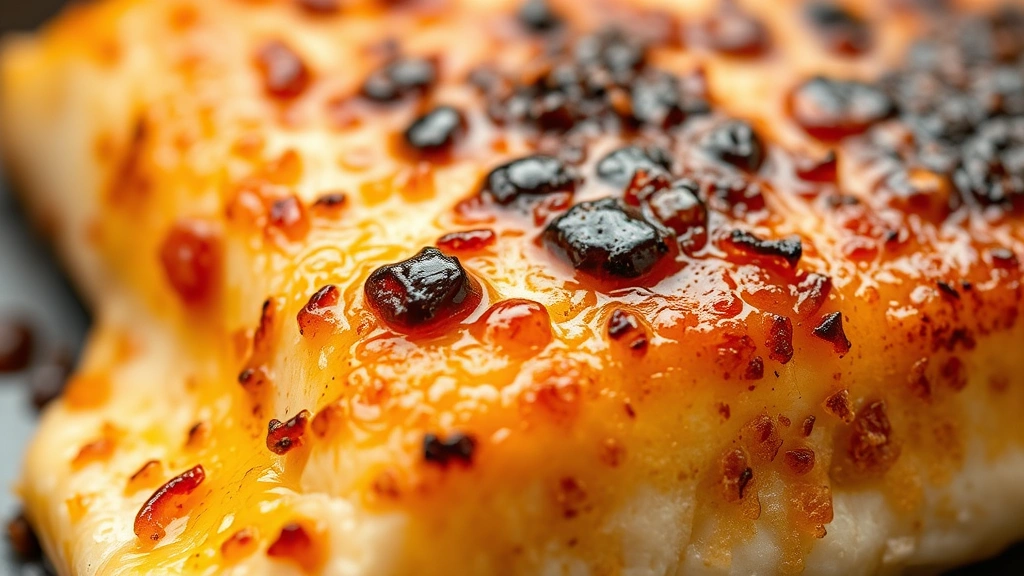
- Place the baking sheet in the preheated oven and bake for 12 to 15 minutes, depending on the thickness of your fillets. The glaze should turn a beautiful golden-brown color and the fish should flake easily when tested with a fork.
- The fish is done when it reaches an internal temperature of 130°F (54°C) on an instant-read thermometer, which maintains the buttery texture that makes black cod so special.
- Remove from the oven and let rest for 2 minutes on the baking sheet to allow residual cooking and for the glaze to set slightly.
- Carefully transfer each fillet to a serving plate using a thin spatula, trying to keep the beautiful glaze intact.
- Garnish with microgreens or fresh cilantro if desired, and serve immediately with lemon wedges on the side.
- Any leftover glaze can be warmed gently and drizzled around the plate for extra flavor and visual appeal.
Pro Tips
Miso paste varieties matter significantly. White miso (shiro miso) is traditional and provides a subtle, slightly sweet flavor. Red miso would create deeper umami but may overpower the delicate fish. Always check the expiration date on your miso.
Make-ahead potential is one of this recipe’s greatest strengths. The marinade actually improves after 48 hours as flavors meld. You can marinate the fish up to 3 days ahead, making it perfect for entertaining.
Temperature control is essential when cooking delicate white fish. An instant-read thermometer is worth its weight in gold here. The fish will continue cooking slightly after removal from the oven due to carryover cooking.
Don’t skip patting the fish dry. Moisture is the enemy of caramelization and proper crust formation on the glaze.
The glaze can be prepared 2 weeks ahead and stored in an airtight container in the refrigerator. This is a huge time-saver for meal planning.
Leftover cooked fish keeps beautifully for 3 days refrigerated. Enjoy it cold or gently reheated at low temperature. It’s wonderful served over rice or as part of a sushi bowl.
If black cod isn’t available, halibut or sea bass work as substitutes, though they’re less fatty. Reduce cooking time slightly for these leaner fish.
The miso glaze can be used on other proteins including chicken, shrimp, or even tofu for a vegetarian variation.
Serving suggestions include steamed bok choy, jasmine rice, or a simple cucumber salad. A crisp white wine like Sauvignon Blanc or sake pairs beautifully.
For dinner parties, prepare the fish through step 7 the day before, then simply pop it in the oven when guests arrive.
This recipe doubles and triples easily for larger gatherings. Just ensure your oven and baking sheets are sized appropriately.