
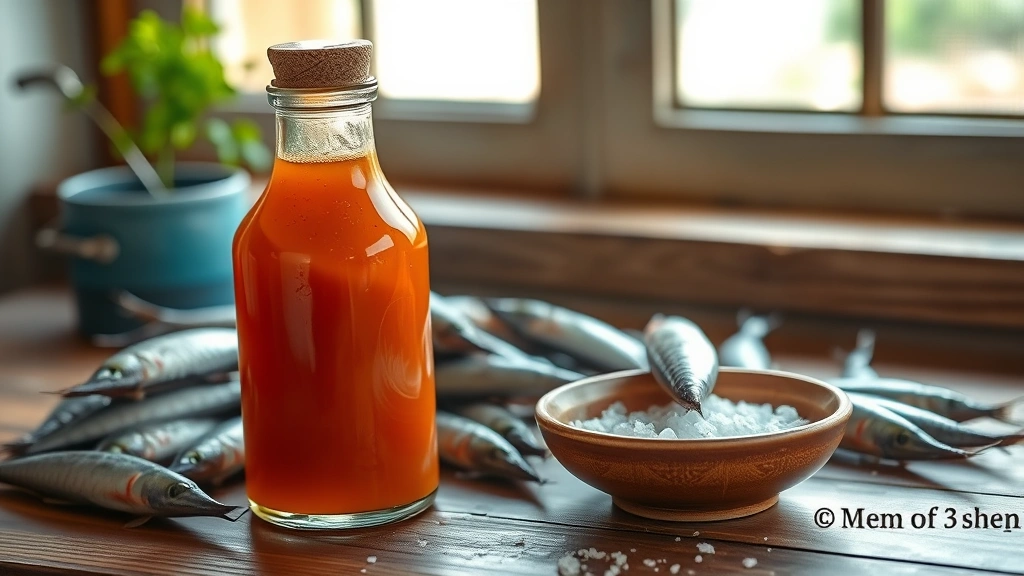
Nuoc mam is the soul of Vietnamese cuisine—a pungent, umami-rich fish sauce that transforms simple ingredients into something absolutely magical. This isn’t just a condiment; it’s a foundational element that appears on nearly every Vietnamese table, in marinades, dipping sauces, and cooked dishes. While store-bought versions are convenient, making your own nuoc mam at home is surprisingly rewarding and allows you to control the depth of flavor and fermentation time to suit your preferences.
The beauty of homemade nuoc mam lies in its simplicity: just salt and fresh fish, combined with time and patience. When you make it yourself, you’ll understand why this humble sauce has been a cornerstone of Vietnamese cooking for centuries. The fermentation process breaks down the fish proteins into amino acids, creating that distinctive savory depth that makes Vietnamese food so crave-worthy. Whether you’re planning to use it for dipping sauces, marinades, or cooking bases, understanding how to make nuoc mam from scratch will elevate your Vietnamese cooking to new heights.
This recipe produces a traditional Vietnamese-style fish sauce that’s lighter and more nuanced than some commercial versions. The key is using quality, fresh fish and allowing adequate fermentation time—typically three to six months for optimal flavor development. I recommend starting with fresh anchovies or small fish from your local Asian market, as they’re ideal for this process. The resulting sauce will be a gorgeous amber color with a complex aroma that might seem intense at first but becomes increasingly appealing as you use it in cooking.
For a more traditional preparation method, some cooks prefer a longer fermentation in the sun, which creates deeper flavors. However, this indoor fermentation method is safer, more controlled, and produces consistently excellent results. Once you’ve made your first batch, you’ll likely want to keep a supply on hand. The sauce keeps indefinitely in a cool, dark place, and the flavor actually improves with age, much like fine wine or aged vinegar.
For those interested in Vietnamese cuisine beyond just sauces, understanding the building blocks of flavor is essential. Nuoc mam is one of those building blocks. I recommend checking out resources from Serious Eats for more Vietnamese cooking techniques, and Bon Appétit for creative ways to use fish sauce in modern cooking. For scientific insights into fermentation, The New York Times Cooking section offers excellent articles on fermented ingredients and their culinary applications.
Ingredients
- 2 pounds (about 900g) fresh anchovies or small fish, cleaned and gutted
- 1 cup (about 200g) sea salt, divided
- 1 tablespoon sugar
- 2 tablespoons rice wine or sake (optional, for added depth)
- Filtered or dechlorinated water as needed
- 1 glass jar or food-grade plastic container with lid (at least 1-quart capacity)
- Cheesecloth or fine mesh strainer
- Weight (ceramic weight, clean stone, or ziplock bag filled with water)
Instructions
- Begin by thoroughly rinsing your fresh fish under cold water. Pat them completely dry with paper towels—this is crucial as excess moisture can interfere with proper fermentation. Examine each fish to ensure they’re fresh, with clear eyes and firm flesh. If you’re using whole fish rather than pre-cleaned anchovies, carefully remove the guts through the belly cavity using a small sharp knife, then rinse thoroughly and pat dry again.
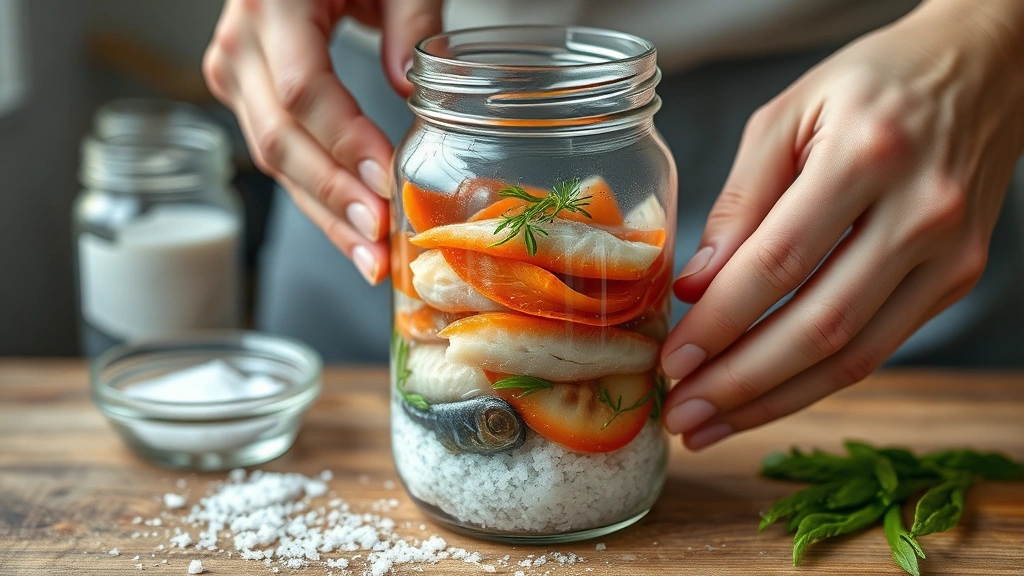
- In a clean glass jar or food-grade container, create your first layer by sprinkling about 1/4 cup of sea salt on the bottom. This initial layer prevents the fish from sticking directly to the container and helps initiate the fermentation process. Make sure your container is completely clean and dry before beginning—any contaminants can affect your batch.
- Layer the dried fish into the jar, alternating between fish and salt. Use approximately 1/4 cup of salt for every pound of fish. Pack the fish fairly tightly, as they will break down and release liquids during fermentation. Continue layering until all fish and salt are used, finishing with a generous layer of salt on top—this protective salt layer is essential for preventing mold and oxidation.
- Sprinkle the sugar over the top salt layer. The sugar isn’t for sweetness but rather serves as food for beneficial bacteria during fermentation. If you’re using rice wine or sake, drizzle it evenly over the salt layer now. These additions enhance the complexity of your finished nuoc mam.
- Place your weight on top of the fish and salt mixture. The weight should press down firmly but not so heavily that it crushes the fish excessively. A ceramic weight, a smaller jar filled with water, or even a ziplock bag filled with filtered water works perfectly. The goal is to keep the fish submerged under the brine that will develop during fermentation.
- Cover your jar loosely with a piece of cheesecloth or a breathable cloth, then place the lid on top without sealing it tightly. This allows gases from fermentation to escape while preventing dust and insects from entering. Store your jar in a cool, dark place—a pantry, basement, or dark cupboard is ideal. Avoid direct sunlight and extreme temperature fluctuations.
- After the first week, check your jar. You should see liquid beginning to accumulate as the salt draws moisture from the fish. This liquid, called brine, is the foundation of your nuoc mam. If insufficient liquid has accumulated, add a light brine solution (about 1 tablespoon salt dissolved in 1/4 cup filtered water) to just cover the fish.
- Every two to three weeks, gently stir the contents of your jar using a clean wooden spoon or chopstick. This helps distribute salt evenly and prevents mold from forming on exposed surfaces. Don’t be alarmed if you notice sediment settling at the bottom—this is normal and contains beneficial compounds that contribute to flavor.
- Monitor your fermentation closely during the first month. A thin film of white mold may appear on the surface—this is normal and can be skimmed off. However, if you see fuzzy mold or notice an unpleasant smell (beyond the expected pungent fish aroma), this indicates contamination and the batch should be discarded.
- After three months, your nuoc mam will be ready for its first taste test. The liquid should be amber-colored and have a complex, pungent aroma. At this point, carefully pour off the liquid through a fine mesh strainer lined with cheesecloth into a clean jar, leaving the solids behind. This is your nuoc mam.
- Filter the liquid again through cheesecloth to remove any remaining particles. The clearer your final sauce, the better it will store and appear when served. Transfer to clean glass bottles with tight-sealing lids.
- For a more concentrated flavor, you can continue fermenting for up to six months. The longer fermentation develops deeper, more complex flavors. Store your finished nuoc mam in a cool, dark place. It will keep indefinitely, and the flavor actually improves with age. The sauce may become darker over time—this is normal and indicates deepening flavors.
- If you prefer a lighter, fresher-tasting fish sauce, use it after three months. For a more robust, aged flavor, wait the full six months. You can also blend nuoc mam of different ages to create your preferred flavor profile. Remember that a little goes a long way—nuoc mam is intensely flavored and should be used as a seasoning or in dipping sauces, not consumed by itself.
Pro Tips
- Quality matters: Using fresh, high-quality fish is absolutely essential. Visit your local Asian market and ask for fish specifically recommended for making nuoc mam—usually small anchovies or similar species.
- Salt selection: Use sea salt rather than iodized table salt. Iodine can interfere with fermentation and create off-flavors in your finished sauce.
- Container choice: Glass jars are preferred over plastic, as glass is inert and won’t interact with the salt or acidic components developing during fermentation. Food-grade plastic containers work as a second choice.
- Temperature control: Fermentation works best between 55-75°F (13-24°C). Warmer temperatures speed up fermentation but can create off-flavors, while cooler temperatures slow the process but create more refined flavors.
- Patience is key: While you can use nuoc mam after three months, the flavor complexity truly develops after four to six months. First-time makers often find the three-month version too ‘young’ compared to commercial varieties.
- Customization options: Add a piece of dried chili pepper, a few peppercorns, or a star anise during fermentation for subtle flavor variations. Remove these before final filtering.
- Troubleshooting: If white mold forms, skim it off and ensure proper salt coverage. If black mold or fuzz appears, the batch is contaminated. A slightly cloudy appearance is normal; clear or slightly amber is ideal.
- Uses: Use in Vietnamese dipping sauces (nuoc cham), as a marinade for grilled meats, in soups and stews, or anywhere you’d use commercial fish sauce. Start with less than called for in recipes—homemade versions are often more intense.
- Storage: Keep in a sealed glass bottle away from heat and light. Properly made nuoc mam lasts indefinitely and improves with age. No refrigeration needed unless your kitchen is extremely warm.
- Recipe scaling: This recipe can be easily scaled up or down. Maintain the ratio of approximately 1 cup salt per 2 pounds of fish for consistent results.