

There’s something absolutely magical about a steaming bowl of Olive Garden’s famous Minestrone Soup. This Italian-inspired classic has captured hearts for decades with its perfect balance of hearty vegetables, tender pasta, and a rich, savory broth that feels like a warm hug. The beauty of this soup is that it’s incredibly versatile—packed with nutrition, deeply satisfying, and honestly? It tastes even better when you make it at home.
I’ve spent considerable time perfecting this recipe to match that beloved Olive Garden version, and I’m thrilled to share my findings with you. The secret lies in the quality of your ingredients, the proper layering of flavors, and giving the soup enough time to develop its signature taste. Whether you’re a seasoned home cook or just beginning your culinary journey, this recipe is absolutely achievable and will have your family asking for seconds.
This minestrone is perfect for meal prep—it actually tastes better the next day as the flavors continue to meld together. Serve it with a crusty piece of breadstick and a simple salad, and you’ve got yourself a restaurant-quality dinner right in your own kitchen. If you enjoy comforting soups, you might also love our Best Nilaga Recipe or this amazing Best Ham Bone Soup Recipe.
The foundation of great minestrone starts with a flavorful broth. I recommend using a good quality vegetable or chicken broth as your base—this is not the time to skimp. The vegetables are equally important: carrots, celery, and onions form the holy trinity that builds incredible depth. Fresh zucchini adds a subtle sweetness, while kidney beans and diced tomatoes provide heartiness and acidity. The pasta brings everything together, absorbing all those beautiful flavors as it cooks.
What makes this recipe truly special is the aromatics and seasonings. Garlic, Italian herbs, and a touch of red pepper flakes create that signature Olive Garden taste that keeps people coming back. Some recipes include spinach at the end for extra nutrition and color, which I absolutely recommend. The final touch—a generous drizzle of quality olive oil and fresh basil—elevates this from good to absolutely incredible.
For more inspiration on building flavor in your cooking, check out this helpful guide on Best Kielbasa and Potatoes Recipe. And if you want to round out your Italian cooking skills, our Simple Clarified Butter Recipe is a wonderful foundation technique.
Making this soup at home has so many advantages. You control the sodium content, you can adjust vegetables based on what you have on hand, and you’ll save a considerable amount compared to ordering it out. Plus, your house will smell absolutely divine while it simmers. I promise you, once you master this recipe, it’ll become a regular rotation in your meal planning. It’s the kind of soup that feels like a restaurant secret, but it’s actually quite simple when you break down the steps. Let’s dive in and create something truly delicious together!
Ingredients
- 2 tablespoons olive oil
- 1 medium yellow onion, diced
- 2 large carrots, diced
- 2 celery stalks, diced
- 4 cloves garlic, minced
- 8 cups vegetable or chicken broth
- 1 can (14.5 oz) diced tomatoes, with juice
- 1 can (15 oz) kidney beans, drained and rinsed
- 1 can (15 oz) white beans, drained and rinsed
- 1 medium zucchini, diced
- 1 cup green beans, cut into 1-inch pieces
- 1/2 cup small pasta (ditalini or elbow)
- 1 teaspoon dried Italian seasoning
- 1/2 teaspoon dried basil
- 1/2 teaspoon dried oregano
- 1/4 teaspoon red pepper flakes
- Salt and black pepper to taste
- 2 cups fresh spinach
- Fresh basil for garnish
- Parmesan cheese for serving
- Extra virgin olive oil for drizzling
Instructions
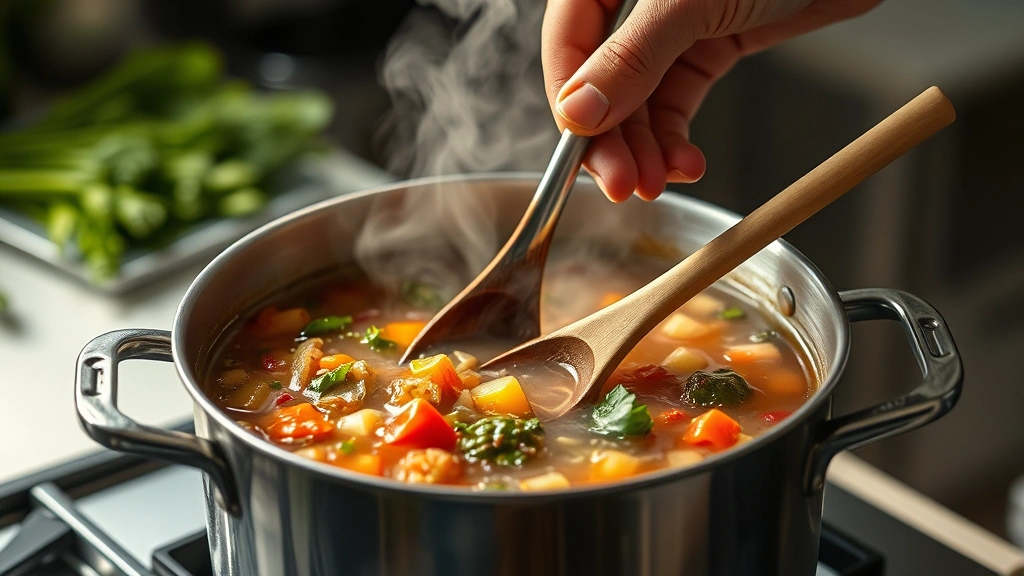
- Heat 2 tablespoons of olive oil in a large pot or Dutch oven over medium heat. Once shimmering, add the diced onion, carrots, and celery. Cook for 5-7 minutes, stirring occasionally, until the vegetables begin to soften and become fragrant. This is your aromatic base and it’s crucial for building flavor.
- Add the minced garlic to the pot and cook for another 1-2 minutes, stirring constantly, until the garlic becomes fragrant. Be careful not to let it burn, as burnt garlic will make the soup bitter.
- Pour in the 8 cups of vegetable or chicken broth, scraping up any browned bits from the bottom of the pot with a wooden spoon. These bits are liquid gold—they’re packed with flavor.
- Add the canned diced tomatoes with their juice, the drained kidney beans, and the drained white beans. Stir well to combine all ingredients.
- Add the diced zucchini, green beans, dried Italian seasoning, dried basil, dried oregano, and red pepper flakes. Stir thoroughly to distribute the seasonings evenly throughout the pot.
- Bring the soup to a boil over medium-high heat. Once boiling, reduce the heat to medium and let it simmer for about 10-12 minutes, allowing the flavors to meld together and the vegetables to begin softening.
- Add the pasta to the pot and stir well. Continue cooking for 8-10 minutes, or until the pasta is tender but not mushy. Taste the broth—it should be flavorful and aromatic. Add salt and black pepper to taste.
- Remove the pot from heat and stir in the fresh spinach. The residual heat will wilt it perfectly, and it adds wonderful nutrition and a beautiful pop of color to your finished soup.
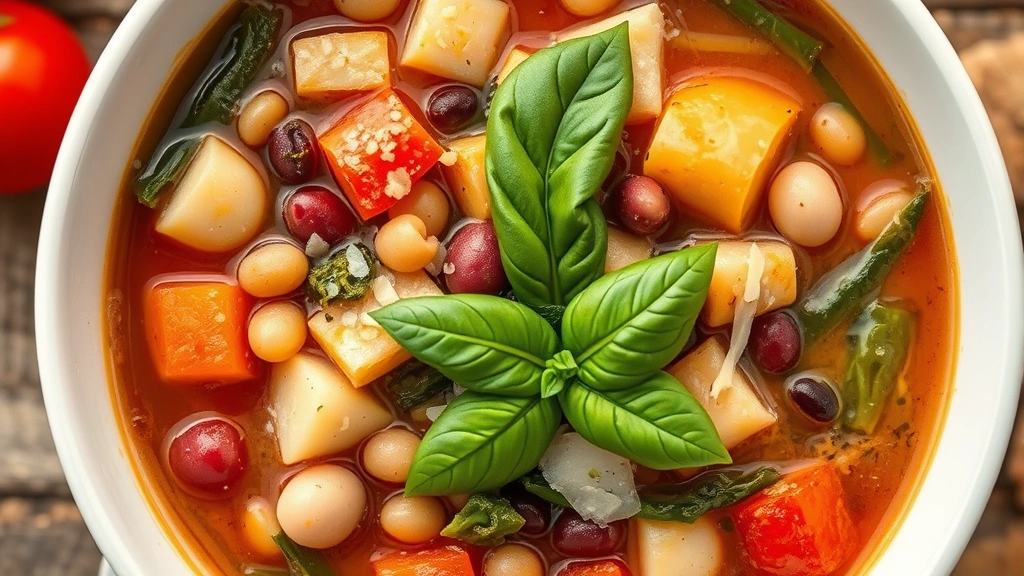
- Serve the minestrone hot in bowls. Garnish each serving with fresh basil, a generous sprinkle of Parmesan cheese, and a drizzle of extra virgin olive oil. This finishing touches really elevate the dish and add that restaurant-quality presentation.
- Store any leftovers in an airtight container in the refrigerator for up to 4 days. The flavors actually deepen and improve as it sits, making this an excellent make-ahead option for meal prep.
Pro Tips
Vegetable variations: Feel free to swap vegetables based on what you have available or what’s in season. Cabbage, bell peppers, and mushrooms are all wonderful additions that work beautifully in minestrone.
Bean options: While kidney beans and white beans are traditional, you can use any canned beans you prefer. Just drain and rinse them thoroughly before adding to reduce excess sodium.
Pasta timing: Add the pasta near the end of cooking to prevent it from becoming mushy. If you’re making this ahead, store the pasta separately and add it fresh when reheating, or the pasta will continue absorbing liquid and become soft.
Make-ahead friendly: Prepare the soup through step 7, then cool completely before refrigerating. Add the spinach and fresh basil when you reheat it for serving.
Freezing instructions: This soup freezes beautifully for up to 3 months. Freeze in individual portions for easy lunch options. Thaw in the refrigerator overnight before reheating on the stovetop.
Aromatics are essential: Don’t skip sautéing the onion, carrot, and celery. This crucial step builds the flavor foundation that makes this soup taste like the real deal.
Fresh finishing touches: The fresh basil and quality olive oil drizzle at the end are what really set this apart from a basic vegetable soup. Don’t skip these elements.
Herb substitutions: If you don’t have fresh basil at the end, the dried basil in the recipe will still create wonderful flavor. Fresh herbs are always preferred but dried herbs work in a pinch.
Season in layers: Taste the broth at different stages and adjust seasoning as you go. This prevents over-seasoning and gives you better control of the final flavor profile.
Serving suggestions: Pair with crusty bread, garlic bread, or breadsticks for a complete meal. A simple side salad with vinaigrette complements this soup beautifully.