
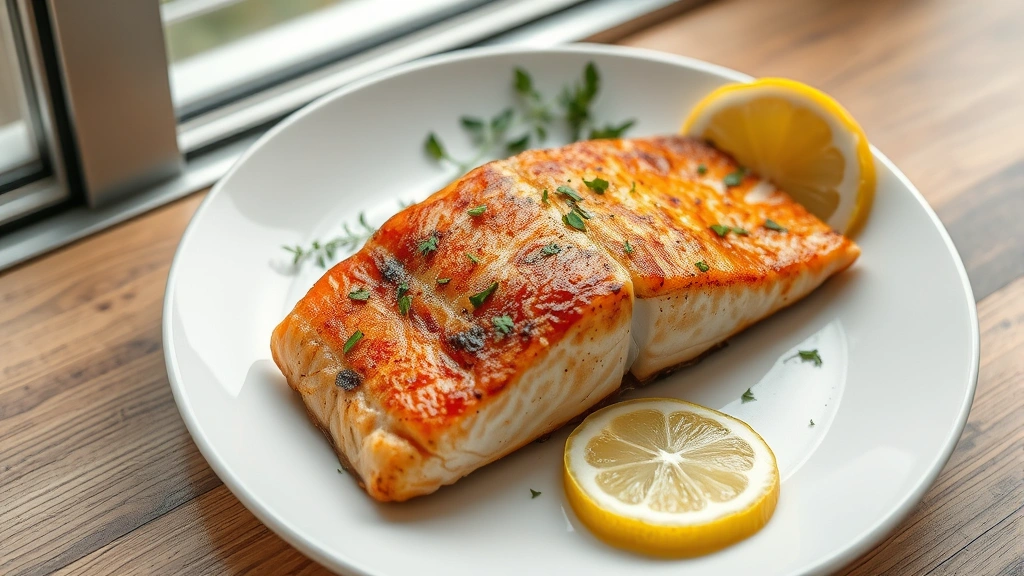
Pan fried salmon is one of those dishes that feels fancy enough for a dinner party but is actually incredibly simple to master at home. The key to achieving that perfect crispy exterior with a tender, flaky interior lies in a few essential techniques that I’m thrilled to share with you today.
When you pan fry salmon, you’re creating a beautiful golden crust through the Maillard reaction—that magical process where heat transforms the proteins and creates those gorgeous caramelized flavors. The beauty of this cooking method is that it takes just minutes from start to finish, making it perfect for busy weeknights or when you want to impress guests without spending hours in the kitchen.
I’ve been making pan fried salmon for years, and I’ve learned that the secret really does come down to a few simple factors: starting with quality salmon, getting your pan hot enough, not moving the fish around too much, and seasoning properly. This recipe has become a staple in my kitchen, and I know it will become one of your favorites too.
The beauty of salmon is its versatility. You can serve it alongside roasted vegetables, over a bed of greens, or with a creamy easy aioli recipe for extra flavor. I love pairing it with vibrant sides like best Puerto Rican sofrito recipe for a more adventurous take. The possibilities are truly endless.
For an even more comprehensive guide on perfect pan techniques, check out this excellent serious eats guide on pan frying fish. If you’re looking for complementary recipes like best veggie egg roll recipe, those make wonderful appetizers before your salmon main course. You might also enjoy learning about perfect shrimp egg roll recipe for variety.
What I absolutely love about this recipe is how forgiving it is once you understand the basics. Even if you’ve never cooked salmon before, following these steps will yield restaurant-quality results. The salmon will have that coveted crispy skin (if you’re leaving it on) and a buttery, delicate interior that just melts in your mouth. Whether you’re cooking for yourself or for a crowd, this pan fried salmon recipe is guaranteed to become your go-to preparation method.
For additional inspiration on seafood preparation, Bon Appétit’s pan roasted salmon offers another excellent technique. You can also explore New York Times pan roasted salmon with herb salad for additional inspiration. And if you want to make your own wrappers for appetizers, our best egg roll wrapper recipe is a fantastic homemade option.
Ingredients
- 4 salmon fillets (6 ounces each, skin-on preferred)
- 2 tablespoons olive oil or butter
- 1 teaspoon sea salt
- ½ teaspoon freshly ground black pepper
- ½ teaspoon garlic powder
- ¼ teaspoon paprika
- 2 cloves garlic, minced
- 2 tablespoons fresh lemon juice
- 2 tablespoons fresh dill or parsley (optional)
- Lemon slices for garnish
- Fleur de sel for finishing (optional but recommended)
Instructions
- Pat your salmon fillets completely dry with paper towels. This is absolutely crucial—any moisture on the surface will prevent that beautiful crust from forming. Take your time with this step, and don’t skip it!
- Remove the salmon from the refrigerator about 5 minutes before cooking. You want it to be at room temperature so it cooks evenly throughout.
- In a small bowl, combine the sea salt, black pepper, garlic powder, and paprika. Mix together until well combined.
- Season both sides of each salmon fillet generously with your spice mixture. Don’t be shy—this is where most of your flavor comes from!
- Place a large skillet over medium-high heat. Allow it to heat for about 2-3 minutes. The pan needs to be hot enough that a drop of water immediately sizzles and evaporates.
- Add the olive oil or butter to the hot pan. Swirl it around to coat the entire bottom. You’ll know it’s ready when the oil shimmers or the butter foams and stops foaming.
- Carefully place the salmon fillets skin-side down in the pan. You should hear an immediate sizzle. Do not move them around—let them sit undisturbed for about 5-6 minutes.
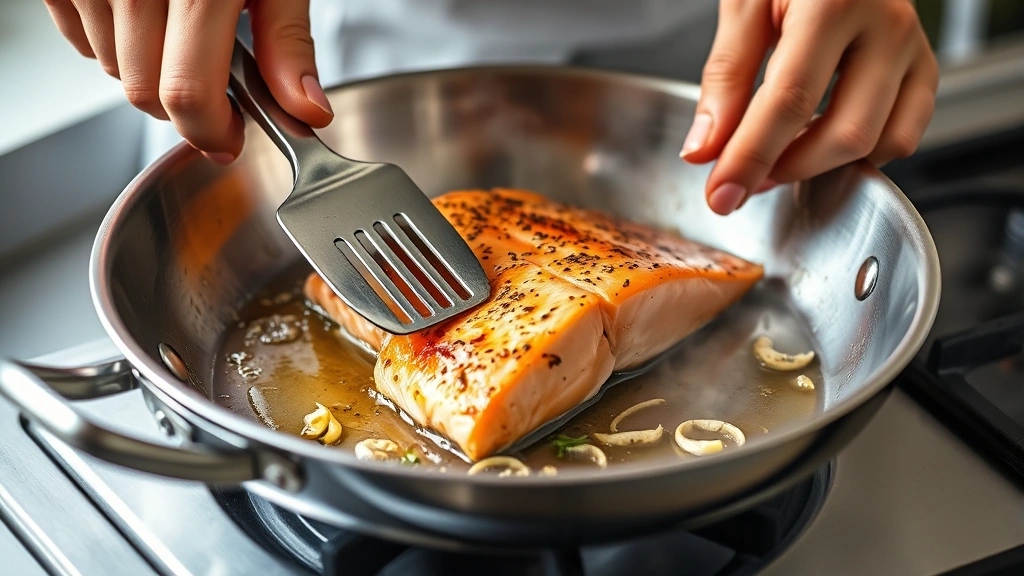
- While the salmon cooks, scatter the minced garlic around the pan (but not directly on top of the fish). The garlic will infuse the oil with incredible flavor.
- After 5-6 minutes, check the bottom of one fillet by gently lifting the edge with a spatula. You should see a beautiful golden-brown crust. If it’s not quite there yet, give it another minute.
- Carefully flip each fillet skin-side up using a spatula. Be gentle to avoid breaking the fish.
- Cook for an additional 3-4 minutes on this side, depending on the thickness of your fillets. The salmon is done when it flakes easily with a fork and the internal temperature reaches 145°F.
- Squeeze fresh lemon juice over each fillet and sprinkle with fresh herbs if desired. Finish with a pinch of fleur de sel for that restaurant-quality touch.
- Transfer the salmon to serving plates immediately. Drizzle with the pan juices and any garlic from the bottom of the pan.
- Serve immediately while hot, garnished with lemon slices and additional fresh herbs if desired.
Pro Tips
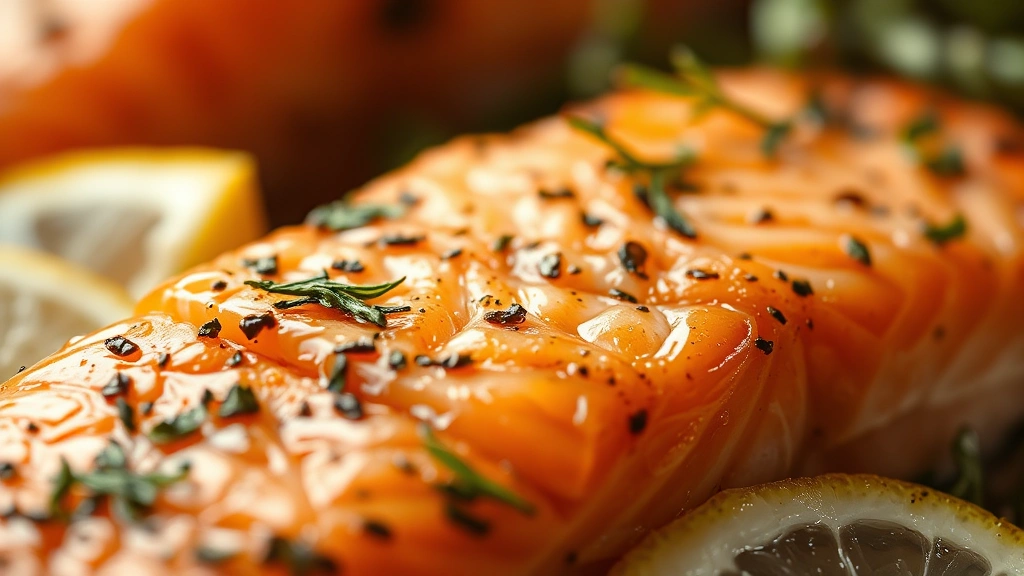
- The most critical factor in achieving perfect pan fried salmon is starting with a properly heated pan. If your pan isn’t hot enough, the salmon will steam rather than sear, resulting in a bland, flaky texture instead of that gorgeous crispy exterior.
- Always pat your salmon fillets completely dry before cooking. Moisture is the enemy of a good crust. Use paper towels and don’t rush this step.
- Don’t flip your salmon too early or too often. Resist the urge! Let it sit skin-side down for at least 5-6 minutes to develop that beautiful golden crust. Moving it around will prevent browning and can cause the fish to stick.
- The skin-on salmon is preferred for this recipe as it adds flavor and helps keep the fish moist during cooking. The skin also becomes wonderfully crispy and is totally edible.
- If your fillets are particularly thick (over 1.5 inches), consider starting them in the pan skin-side down and finishing them in a 400°F oven for 3-4 minutes after flipping. This ensures the interior is cooked through while maintaining that perfect crust.
- Don’t skip the room temperature step. Cooking salmon directly from the refrigerator can result in an unevenly cooked fillet—the outside will be overdone while the inside is still cold.
- Salmon continues cooking after you remove it from heat. Remove it from the pan when it’s just slightly underdone in the very center—carryover cooking will finish it perfectly.
- For the best flavor, use wild-caught salmon if possible. It has superior taste and texture compared to farm-raised varieties, though farm-raised is more sustainable and budget-friendly.
- This recipe works beautifully with other fish like halibut, sea bass, or cod. Adjust cooking times based on thickness.
- Leftover pan fried salmon can be enjoyed cold in salads the next day or gently reheated in a 275°F oven for about 5 minutes.