
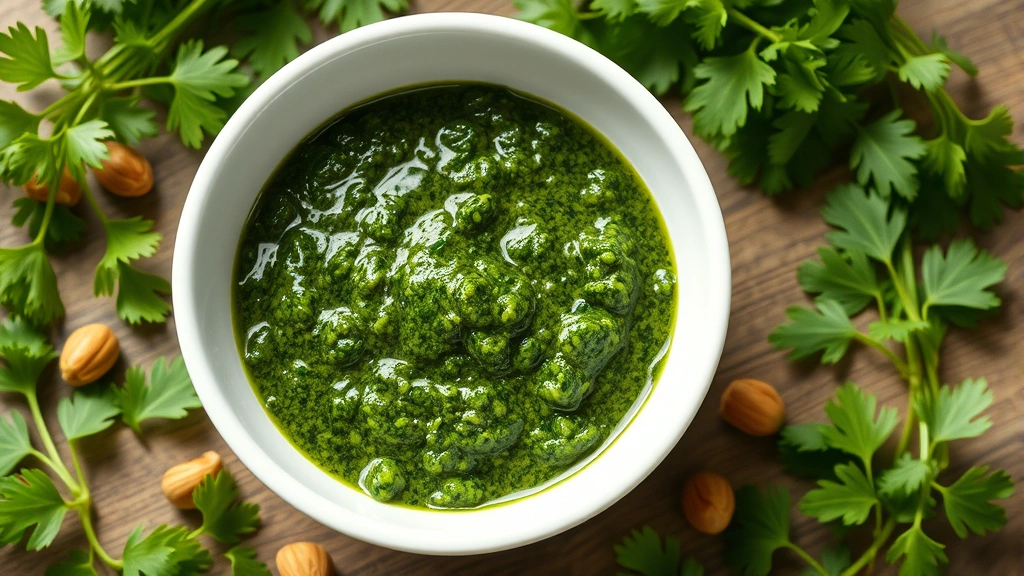
Parsley pesto is a vibrant, herbaceous twist on the classic Italian sauce that deserves a permanent place in your kitchen repertoire. While basil pesto often steals the spotlight, this verdant green sauce made with fresh parsley is lighter, more delicate, and absolutely versatile—perfect for pasta, spreading on crostini, dolloping onto soups, or tossing with roasted vegetables.
What makes parsley pesto so special is its subtle flavor profile that doesn’t overpower dishes the way basil sometimes can. The mild, slightly peppery notes of fresh parsley create a sophisticated base that lets other ingredients shine through. Whether you’re using flat-leaf Italian parsley or curly parsley, this recipe transforms this humble herb into something restaurant-worthy.
I first fell in love with parsley pesto during a cooking class in Rome, where our instructor casually mentioned that many traditional Roman dishes relied on this very sauce long before pesto became synonymous with basil. Since then, I’ve made it countless times, tweaking and perfecting the ratio of ingredients until I landed on this version—the one I consider the absolute best.
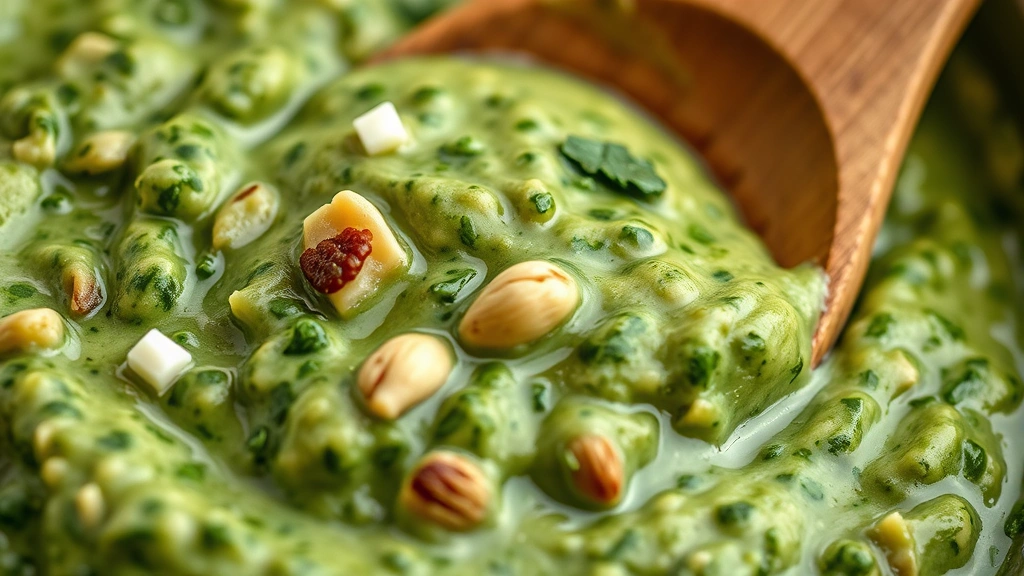
The key to exceptional parsley pesto lies in several important factors: using the freshest parsley possible, toasting your nuts to enhance their flavor, choosing high-quality cheese, and most importantly, not over-processing the ingredients. This isn’t a sauce where you want everything completely smooth and paste-like. Instead, you’re aiming for a beautiful, chunky texture with visible pieces of parsley and nuts that give each bite character and dimension.
I love making this sauce in larger batches and freezing it in ice cube trays for convenient portions throughout the season. It’s perfect for meal prep, unexpected dinner guests, or when you want to elevate something simple into something spectacular. You’ll find yourself reaching for this pesto again and again—for simple pasta dishes, as a garnish for creamy soups, stirred into sandwich spreads, or mixed into grain bowls. Once you master this recipe, you’ll discover endless possibilities for this liquid gold in your kitchen.
For more inspiration on herb-based sauces, check out this guide on chimichurri from Bon Appétit, or explore Serious Eats’ comprehensive pesto collection. The New York Times also offers excellent pesto variations that complement this parsley version beautifully.
Ingredients
- 3 cups fresh flat-leaf Italian parsley, loosely packed
- ½ cup fresh basil leaves (optional but recommended)
- ½ cup pine nuts, lightly toasted
- ¼ cup raw almonds or walnuts, lightly toasted
- ½ cup freshly grated Parmigiano-Reggiano cheese
- ¼ cup freshly grated Pecorino Romano cheese
- 3 cloves garlic, minced
- Zest of 1 lemon
- 2 tablespoons fresh lemon juice
- ¾ cup extra-virgin olive oil
- Salt and freshly ground black pepper to taste
- Pinch of red pepper flakes (optional)
Instructions
- Wash and thoroughly dry your fresh parsley, making sure to remove any excess moisture as this will affect the texture and shelf life of your pesto.
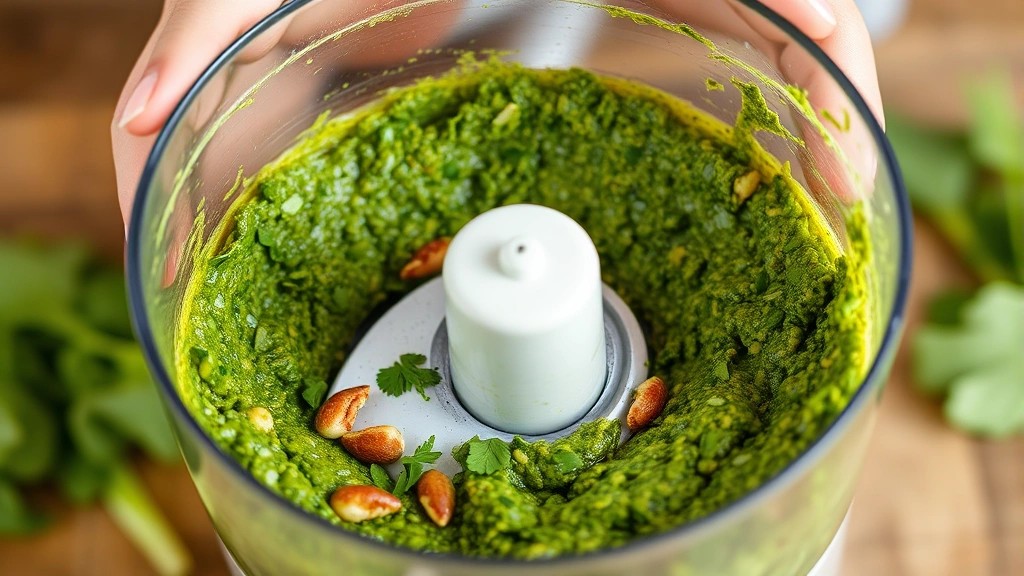
- If using a food processor, pulse the parsley and basil together until roughly chopped, being careful not to over-process at this stage.
- Add the toasted pine nuts and toasted almonds to the processor, pulsing several times until the nuts are broken into small pieces but not pulverized into powder.
- Add the minced garlic, lemon zest, and red pepper flakes if using, pulsing gently to combine.
- Add both the Parmigiano-Reggiano and Pecorino Romano cheeses, pulsing just a few times to incorporate without over-mixing.
- While pulsing continuously, slowly drizzle in the extra-virgin olive oil in a thin stream until the pesto reaches your desired consistency—it should be chunky and textured, not completely smooth.
- Transfer the pesto to a bowl and stir in the fresh lemon juice by hand, which helps preserve the bright green color and prevents further oxidation.
- Taste and adjust seasonings with additional salt, pepper, and lemon juice as needed, keeping in mind that the cheeses already provide significant saltiness.
- If you prefer a smoother, more traditional pesto consistency, continue pulsing and gradually add more olive oil until you reach the desired texture.
- For the best flavor, let the pesto rest at room temperature for 15-20 minutes before serving to allow the flavors to meld and develop.
- Transfer to an airtight container and refrigerate until ready to use, or portion into ice cube trays for freezing.
Pro Tips
- **Make It Ahead:** This pesto can be made up to 3 days in advance and stored in an airtight container in the refrigerator. To preserve the vibrant green color, press plastic wrap directly onto the surface of the pesto to minimize air exposure.
- **Freezing Instructions:** Freeze pesto in ice cube trays for up to 3 months. Once frozen solid, pop the cubes into freezer bags for easy storage. This allows you to use small portions without thawing the entire batch. Add frozen cubes directly to hot pasta or soups—no thawing necessary.
- **Nut Substitutions:** Pine nuts are traditional, but they can be expensive. Walnuts, almonds, sunflower seeds, or even pumpkin seeds work beautifully. Toast any nuts or seeds in a dry skillet over medium heat for 3-5 minutes to enhance their flavor before using.
- **Herb Variations:** While parsley is the star here, you can adjust the ratio based on what’s available. Adding ½ cup of fresh basil creates a lighter version of traditional pesto. Fresh mint, tarragon, or chives can also be incorporated for different flavor profiles.
- **Cheese Notes:** Parmigiano-Reggiano adds nutty richness while Pecorino Romano brings a sharper, more peppery element. Using both creates the best balance, but you can use all of one type if necessary. Always freshly grate your cheese—pre-grated versions often contain anti-caking agents that affect texture.
- **Garlic Intensity:** If you prefer a milder garlic flavor, reduce to 2 cloves or use roasted garlic instead. For a more robust version, increase to 4 cloves. Remember that garlic flavor intensifies as pesto sits, so start conservatively.
- **Oil Selection:** Use a good-quality extra-virgin olive oil with a flavor you enjoy—aggressive peppery oils work well here, as do fruity, buttery oils. Avoid very delicate oils that can be overpowered by the strong herbs.
- **Lemon Brightness:** The lemon juice and zest are crucial for maintaining the vibrant green color and preventing oxidation. Don’t skip these ingredients, and add them near the end of preparation.
- **Consistency Tips:** If your pesto becomes too thick, thin it with additional olive oil or a splash of pasta water. If it’s too thin, add more grated cheese or finely chopped herbs.
- **Uses Beyond Pasta:** Spread on sandwiches, swirl into cream cheese for a dip, top roasted vegetables, mix into ricotta for a spread, drizzle over soups, or toss with roasted potatoes and chicken.