
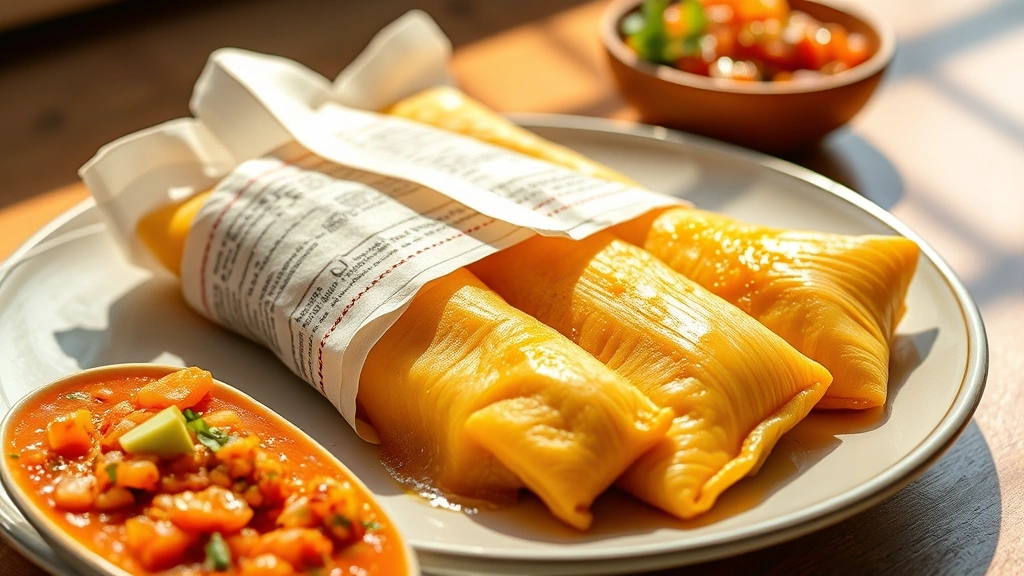
Pasteles are a beloved Puerto Rican delicacy that brings families together during the holiday season and special celebrations. These savory bundles of masa (a plantain and potato dough) filled with seasoned pork, olives, and capers, wrapped in banana leaves, are pure comfort food at its finest. While they may seem intimidating to make, this easy pasteles recipe breaks down the process into manageable steps that anyone can follow.
The beauty of pasteles lies in their versatility and the way they celebrate Caribbean flavors and traditions. Making them is often a family affair, with multiple hands working together to assemble dozens at a time. This recipe will teach you how to create authentic pasteles that taste like they came straight from a Puerto Rican kitchen.
For a complete holiday spread, consider pairing your pasteles with homemade mofongo or roasted pernil. You might also want to learn about making your own sofrito, which is essential for authentic flavor. For more Caribbean inspiration, check out our collection of Caribbean recipes and holiday entertaining ideas.
According to culinary experts at Serious Eats, the key to perfect pasteles is achieving the right consistency in your masa and not overfilling each bundle. Bon Appétit’s guide to pasteles emphasizes the importance of quality ingredients and patience during assembly. The New York Times recipe collection also offers variations worth exploring once you master the basics.
Ingredients
- 2 pounds green plantains, peeled and cut into chunks
- 1 pound russet potatoes, peeled and cut into chunks
- 1 tablespoon salt (divided)
- 6 tablespoons sofrito
- 4 tablespoons recaíto
- 3 tablespoons butter, melted
- 1 pound pork shoulder, cut into 1-inch cubes
- 6 ounces green olives with pimientos, halved
- 4 tablespoons capers
- 1 teaspoon dried oregano
- 1 teaspoon ground cumin
- 1/2 teaspoon black pepper
- 1 bay leaf
- 2 tablespoons olive oil
- 30-36 banana leaves (fresh or frozen), cut into 8-inch squares
- Parchment paper for wrapping
- 2 quarts salted water for boiling
Instructions
- Prepare the banana leaves by thawing them if frozen, then carefully separating each leaf and cutting them into approximately 8-inch squares. Soften them over a low flame or by placing them in a hot skillet for a few seconds to make them pliable and prevent tearing during wrapping.
- Bring a large pot of salted water to a boil and add the peeled, chunked green plantains. Boil for about 20 minutes until very tender, then add the peeled potato chunks and continue boiling for another 15 minutes until potatoes are completely soft.
- Drain the plantains and potatoes well, reserving 1/2 cup of the cooking water. Return the drained vegetables to the pot and mash them thoroughly until completely smooth, adding back some of the reserved cooking water as needed to achieve a thick, smooth consistency.
- Mix the sofrito, recaíto, melted butter, 1/2 tablespoon of salt, and 1/4 cup of the reserved cooking water into the mashed plantain and potato mixture until well combined and the masa reaches the consistency of thick mashed potatoes.
- Heat 2 tablespoons of olive oil in a large skillet over medium-high heat and add the cubed pork shoulder. Sauté until the pork is browned on all sides, approximately 8-10 minutes.
- Add the oregano, cumin, black pepper, bay leaf, and remaining 1/2 tablespoon of salt to the browned pork. Stir well and cook for 1 minute until fragrant.
- Add the halved green olives and capers to the seasoned pork, stir to combine, and cook for another 2-3 minutes until all ingredients are warmed through and well mixed. Taste and adjust seasonings as needed.
- Remove the pork filling from heat and allow it to cool to room temperature before using. This prevents the filling from making the masa too warm during assembly.
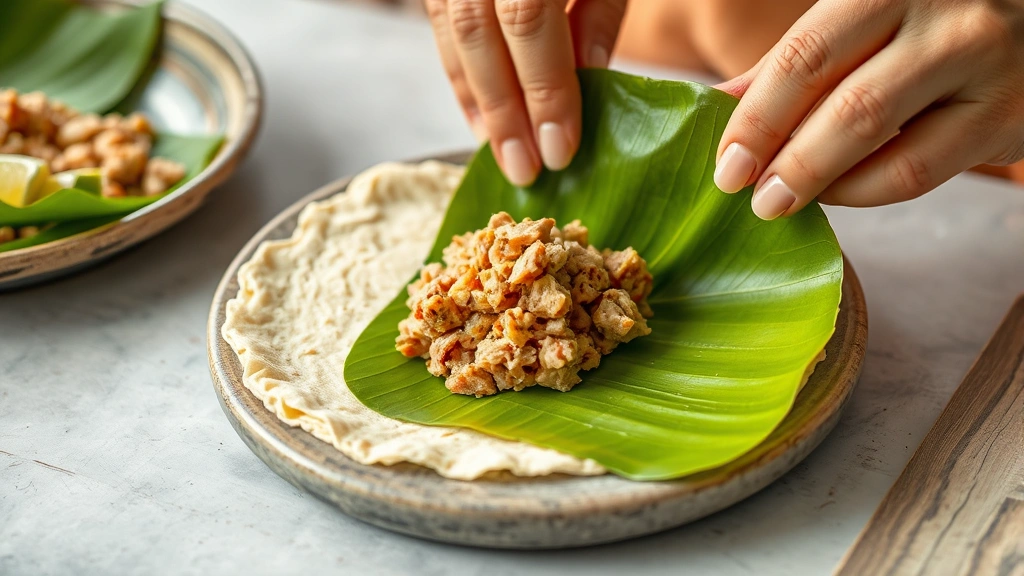
- To assemble each pastel, lay a banana leaf square on a clean work surface with the smoother side facing down. Spread approximately 2 tablespoons of the masa mixture in the center of the leaf, leaving space around the edges.
- Place approximately 1 tablespoon of the pork filling on top of the masa, making sure to include some olives and capers with each portion.
- Fold the sides of the banana leaf over the filling, then fold the top and bottom edges down to create a secure, neat package. Place each wrapped pastel seam-side down on a cutting board.
- Bring a large pot filled with 2 quarts of salted water to a rolling boil. Working in batches to avoid overcrowding, carefully place the wrapped pasteles into the boiling water.
- Boil the pasteles for 35-45 minutes. They are done when the banana leaf easily separates from the masa and the masa is firm to the touch. You can test one if you’re unsure.
- Remove the cooked pasteles from the boiling water using a slotted spoon and place them on a paper towel-lined plate to drain.
- Allow the pasteles to cool for 5 minutes before serving, as the filling will be extremely hot. They can be served warm or at room temperature.
- Store leftover pasteles in an airtight container in the refrigerator for up to 5 days, or freeze them in a freezer bag for up to 3 months. Reheat frozen pasteles by boiling them for 20-25 minutes or microwaving for 2-3 minutes per pastel.
Pro Tips
- **Make-Ahead Magic**: Pasteles are perfect for advance preparation. You can assemble them up to 2 days ahead and refrigerate them before boiling, or freeze them for several months. This makes them ideal for holiday entertaining and stress-free meal planning.
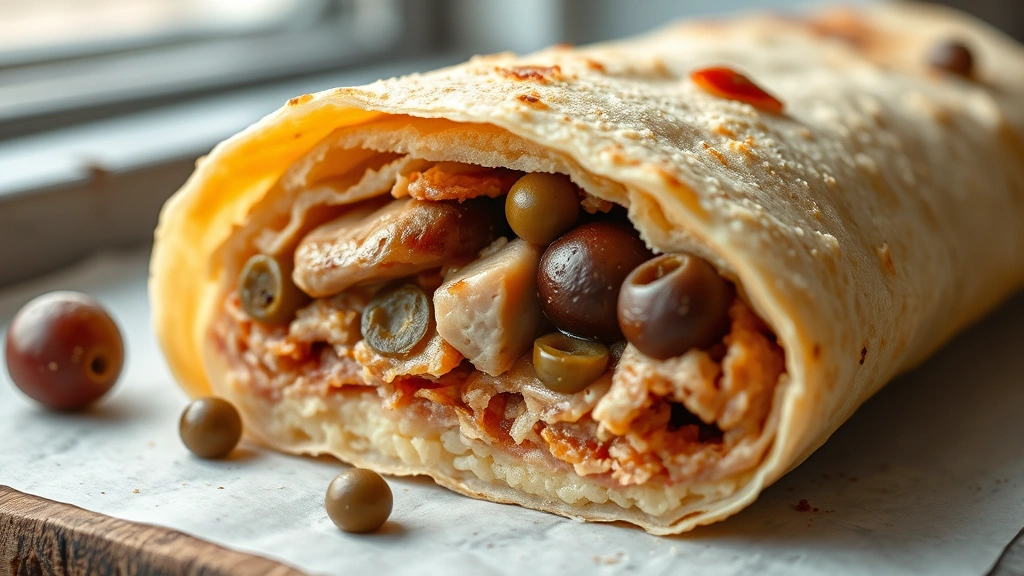
- **Banana Leaf Substitutes**: If you cannot find banana leaves, parchment paper works as a functional alternative, though the traditional banana leaf imparts a subtle flavor that’s part of the authentic experience. Some cooks use a combination of both for convenience.
- **Sofrito and Recaíto Importance**: These aromatic bases are fundamental to authentic pasteles flavor. Sofrito is a cooked blend of vegetables and spices, while recaíto is the fresh, uncooked version. Using both creates the most complex, traditional flavor profile. You can make your own or purchase quality versions at specialty markets.
- **Masa Consistency**: The masa should be smooth and creamy but thick enough to hold its shape. If it’s too thick, it won’t spread easily; if too thin, your pasteles will fall apart. Add reserved cooking water gradually until you achieve the perfect consistency.
- **Pork Alternatives**: While traditional pasteles use pork, you can substitute with chicken, beef, or even create a vegetarian version with additional vegetables and cheese. The cooking time remains the same.
- **Batch Boiling Tips**: Don’t overcrowd the pot when boiling pasteles as they need room to cook evenly. Boil in batches of 8-10 pasteles depending on your pot size. Keep the water at a rolling boil throughout cooking.
- **Serving Suggestions**: Pasteles are wonderful served alongside traditional Puerto Rican dishes like arroz con gandules, tostones, or a simple green salad with vinaigrette. They also make excellent appetizers for parties when cut into smaller pieces.
- **Freezing Instructions**: To freeze assembled pasteles, arrange them on a baking sheet, freeze until solid, then transfer to freezer bags. This prevents them from sticking together and allows you to cook exactly as many as you need.
- **Flavor Customizations**: Some families add a pinch of adobo seasoning, soften the masa with a bit of annatto oil for color, or include raisins in the filling. Don’t be afraid to adapt based on family preferences.
- **Kitchen Efficiency**: Assembly goes faster with multiple people working together. Set up an assembly line with one person spreading masa, another adding filling, and a third wrapping. It becomes a fun, social activity rather than a chore.