
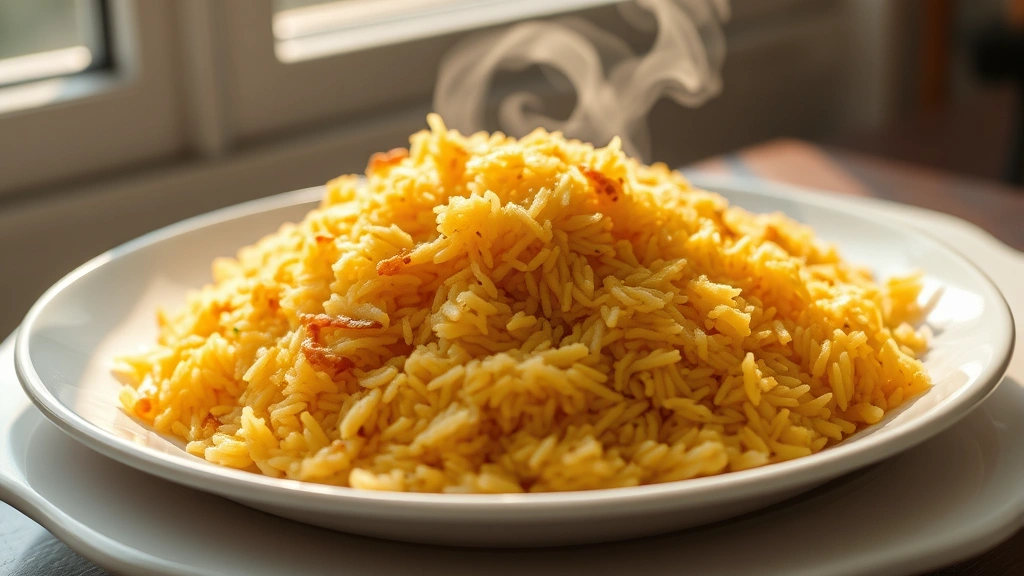
Persian rice, or tahdig, is an absolutely stunning dish that deserves a special place on your dinner table! This golden, crispy-bottomed rice is a staple in Iranian cuisine and once you master this easy technique, you’ll understand why it’s celebrated across the Middle East. The magic happens when you layer fluffy basmati rice with a crispy, caramelized crust at the bottom—it’s pure comfort food with an elegant twist.
What makes Persian rice so special is the combination of textures: fluffy, perfectly cooked grains on top and that irresistible crispy, golden tahdig crust at the bottom. This recipe is easier than you might think, and I’m going to walk you through every single step to ensure your success. Whether you’re cooking for a weeknight dinner or impressing guests at a dinner party, this Persian rice pairs beautifully with aromatic proteins and vegetable dishes.
The key to mastering Persian rice is understanding the two-stage cooking method: first you parboil the rice, then you steam it in a special way that creates that coveted crispy bottom layer. I like to serve mine with pickled red onions for a pop of color and tang, or alongside a fresh chickpea salad for extra protein. This recipe is completely customizable—you can add saffron, dried fruits, nuts, or herbs depending on what you have on hand and your personal preferences.
According to food historians, rice has been cultivated in Iran for thousands of years, and the technique for making tahdig has been perfected over centuries. The crispy bottom layer was originally created as a way to prevent the rice from sticking to the pot, but it became such a beloved feature that it’s now considered the best part of the dish! Many Persian families have their own variations and secrets for achieving the perfect tahdig.
For more inspiration on rice-based dishes and international cuisine techniques, check out Serious Eats’ comprehensive guide to rice cooking. You can also explore Bon Appétit’s collection of grain recipes for additional ideas. For detailed information on perfecting your rice technique, The New York Times Cooking section offers excellent instructional articles.
This Persian rice recipe serves 4-6 people and takes about 45 minutes from start to finish. The beauty of this dish is that it’s forgiving—even if your tahdig isn’t perfectly crispy the first time, the rice will still be delicious, and you’ll improve with practice. I encourage you to make this recipe multiple times, adjusting seasonings and additions to suit your taste. Soon you’ll be making Persian rice like a pro, and your dinner guests will be asking for your secret!
Ingredients
- 2 cups basmati rice
- 6 cups water
- 2 tablespoons kosher salt (divided)
- 4 tablespoons butter
- 2 tablespoons vegetable oil
- ½ teaspoon saffron threads (optional but recommended)
- ¼ cup hot water (for saffron)
- ½ teaspoon white pepper
- Fresh herbs like dill, parsley, or cilantro (optional)
- 2-3 tablespoons yogurt mixed with 1 tablespoon water (optional, for tahdig base)
- Salt and pepper to taste
Instructions
- Rinse the basmati rice thoroughly under cold running water until the water runs clear, about 3-4 minutes. This removes excess starch and ensures fluffy, separated grains. Drain well in a fine mesh strainer and set aside.
- If using saffron, steep the threads in ¼ cup of hot water and let sit for 5-10 minutes until the water turns a beautiful golden color. Set aside.
- Bring 6 cups of water to a rolling boil in a large pot over medium-high heat. Add 1 tablespoon of kosher salt to the water.
- Add the rinsed rice to the boiling water and stir occasionally for 3-4 minutes. The rice should begin to soften but still have a slight firmness in the center—it should be about 70% cooked, not fully tender.
- Drain the parboiled rice through a fine mesh strainer, shaking gently to remove excess water. Set the drained rice aside.
- While the rice cooks, prepare your pot for steaming: add 2 tablespoons of butter and 2 tablespoons of vegetable oil to a large pot with a tight-fitting lid over medium heat. If using the yogurt mixture, spread it on the bottom of the pot in a thin layer—this creates an extra crispy tahdig base.
- Once the butter and oil are hot and the yogurt (if using) is slightly set, gently add the drained rice to the pot in layers, piling it up slightly in the center. Do not stir—keep the layers intact.
- Poke 3-4 holes into the rice mound using the handle of a wooden spoon to allow steam to escape evenly.
- Drizzle the remaining 2 tablespoons of butter over the top of the rice, and pour the saffron water (if using) over the rice as well. Sprinkle with the remaining salt and white pepper.
- Cover the pot with a clean kitchen towel or paper towel, then place the lid firmly on top—the towel prevents steam from dripping back onto the rice.
- Reduce heat to medium-low and steam for 20-25 minutes until the rice is completely tender and fluffy. You should hear gentle steam escaping.
- While the rice steams, prepare a serving platter by lightly wetting it with cold water (this helps the rice release from the plate easily).
- After 20-25 minutes, carefully remove the lid and towel, protecting your face from the hot steam. The rice should be fragrant and fluffy.
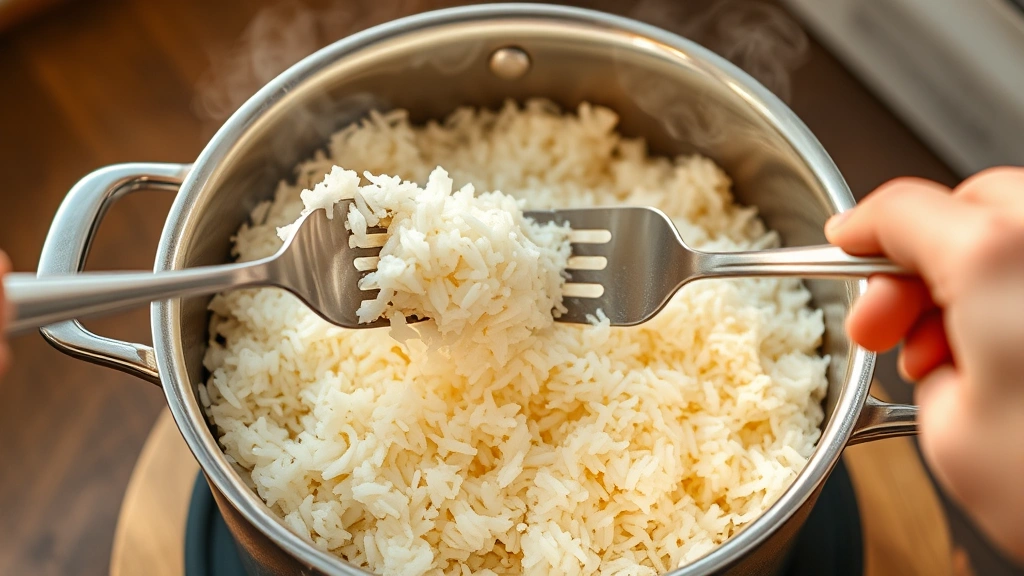
- Fluff the rice gently with a fork, mixing in any herbs if desired. Transfer the fluffy rice to the prepared serving platter, leaving the crispy tahdig at the bottom.
- To release the tahdig, run a thin spatula around the edges of the pot to loosen it, then carefully invert the pot onto a cutting board or serving surface. The golden, crispy rice cake should release completely—this is the prized tahdig!
- Arrange the tahdig on top of or around the fluffy rice on the serving platter, showing off those beautiful golden, crispy edges. Serve hot with your favorite Iranian dishes, grilled meats, or fresh vegetables.
Pro Tips
- **Basmati Rice Quality Matters**: Use high-quality basmati rice for the best results. Indian or Pakistani basmati works wonderfully, and the longer grains will give you the most elegant presentation and fluffy texture.
- **The Yogurt Secret**: Adding a yogurt and water mixture to the bottom of the pot creates an extra crispy, flavorful tahdig. If you skip this step, your tahdig will still be crispy and delicious—it’s just an optional enhancement that many Persian cooks swear by.
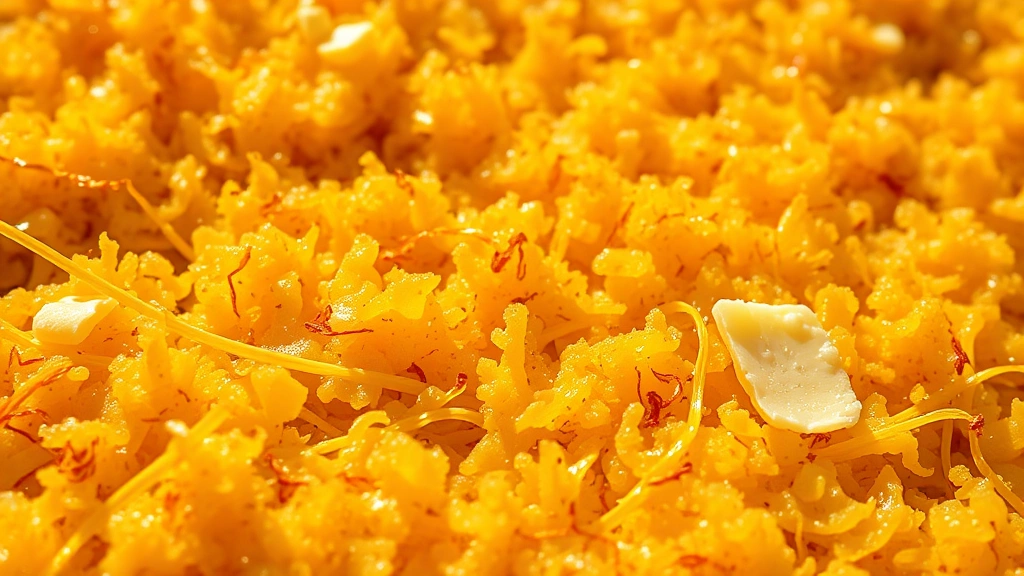
- **Saffron is Worth It**: While optional, saffron adds a gorgeous color and subtle floral flavor that elevates this dish from good to exceptional. If you can’t find saffron, you can use a pinch of turmeric for color, though the flavor will be different.
- **Don’t Skip the Towel**: The kitchen towel under the lid is crucial—it absorbs excess moisture and prevents water from dripping back onto the rice, which would make it soggy rather than fluffy.
- **Customization Ideas**: Add dried fruits like raisins or barberries, toasted nuts like almonds or pistachios, crispy fried onions, or fresh herbs mixed through the rice. These additions should be stirred in gently when you fluff the rice.
- **Storage Instructions**: Leftover Persian rice keeps well in an airtight container in the refrigerator for up to 4 days. Reheat gently in a pot with a little butter over low heat, or microwave with a damp paper towel to restore moisture.
- **Pot Selection**: Use a heavy-bottomed pot with a tight-fitting lid—stainless steel or non-stick both work beautifully. The heavier the pot, the more evenly your tahdig will cook.
- **Heat Control**: The secret to perfect tahdig is medium-low heat. Too high and the bottom will burn; too low and you won’t get that crispy texture. Listen for gentle steam sounds—you should hear a soft sizzle from the tahdig forming.
- **Parboiling Percentage**: The key to fluffy rice is not overcooking during the parboiling stage. Aim for about 70% cooked—the rice should still have a tiny bit of firmness in the center when you taste a grain.
- **Serving Suggestions**: This rice pairs beautifully with grilled chicken, lamb kebab, herb-marinated fish, or vegetable stews. Serve alongside fresh herbs, yogurt, and fresh vegetables for an authentic Iranian meal experience.
- **Make-Ahead Options**: You can rinse and prepare the rice up to 4 hours ahead. Keep it covered at room temperature until ready to cook. The parboiling can be done 2 hours ahead; drain and store at room temperature.
Pingback: How to make the Best Steamed Asparagus Recipe! – Simple Recipe Finder