
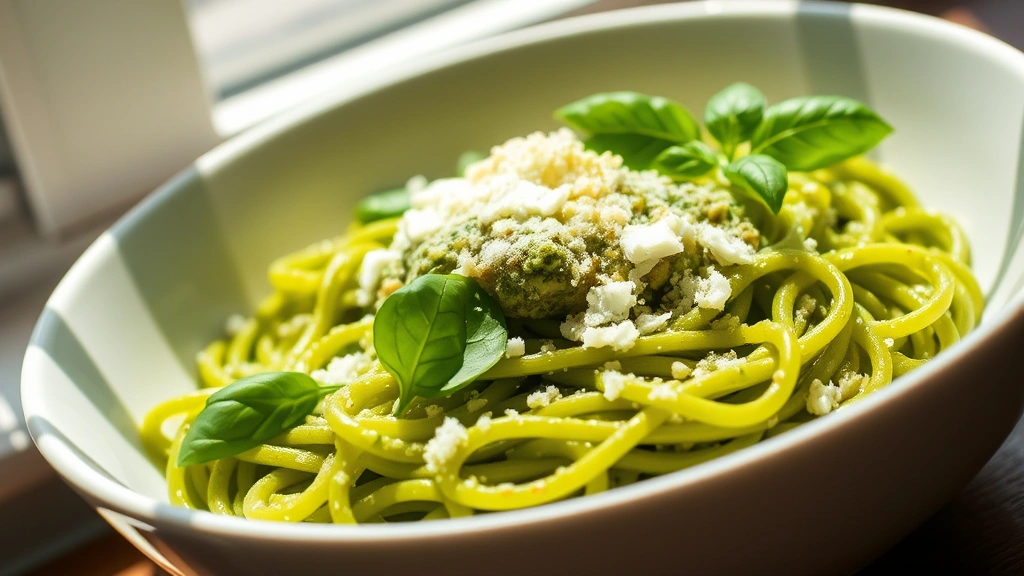
There’s something absolutely magical about a simple pesto pasta that comes together in just minutes, yet tastes like you’ve been cooking all day. This isn’t just any pesto pasta recipe—it’s the BEST version, and I’m here to share all my secrets with you.
Pesto is one of those beautiful sauces that celebrates simplicity and quality ingredients. Originating from Genoa, Italy, this vibrant green sauce has captured hearts worldwide, and for good reason. When you combine fresh basil, garlic, pine nuts, Parmigiano-Reggiano, and quality olive oil, magic happens. The key to the best pesto pasta lies in understanding each ingredient’s role and knowing how to bring them together without overwhelming the delicate flavors.
What makes this recipe truly special is the technique. Unlike many recipes that blend everything into oblivion, we’re going to use a method that preserves the basil’s fresh, bright flavor while creating that silky, luxurious coating you crave on your pasta. I’ll walk you through choosing the right basil, toasting your pine nuts to perfection, and creating an emulsion that clings beautifully to every strand of spaghetti or fusilli.
The beauty of pesto pasta is its versatility. You can serve it as an elegant dinner for two, a casual weeknight meal for the family, or even as part of a larger Italian feast. Add grilled chicken for protein, toss in some fresh cherry tomatoes, or drizzle with a bit more olive oil and top with additional cheese. This recipe is your canvas.
I’ve been making pesto pasta for years, and I’ve learned what separates a mediocre version from the absolutely best one. It’s not complicated—it’s about respecting the ingredients, understanding the technique, and taking your time. In this guide, we’ll cover everything: how to select the best basil at your market, why hand-tearing leaves matters more than you think, and the exact ratio of ingredients that creates the perfect balance of flavors.
One of my favorite things about this recipe is that it requires absolutely no special equipment. While a food processor works beautifully, a mortar and pestle creates an even more refined texture. Either way, you’ll end up with pesto that tastes restaurant-quality. Learn how to store your pesto for future use, and you’ll always have this elegant sauce ready to transform simple pasta into something spectacular.
The pasta you choose matters too. Traditional Italian recipes use long, thin pasta like spaghettini or linguine, which allows the pesto to coat evenly. However, short pasta shapes like fusilli or penne work wonderfully too, catching little pockets of pesto in their curves. I typically use fresh pasta when I have time, but dried pasta works beautifully as well.
Timing is everything with pesto pasta. You want to serve it immediately after tossing everything together while the pasta is still hot and the pesto maintains its vibrant green color. The warmth of the pasta wilts the basil just slightly, creating a sauce that’s both fresh and rich. This is comfort food elevated, and once you master this recipe, you’ll be making it constantly.
For those new to pesto-making, don’t be intimidated. This sauce has been made for centuries using simple techniques. Modern convenience tools like food processors make it even easier. Whether you’re a experienced home cook or just starting your culinary journey, this recipe will yield delicious results.
Let’s talk about quality ingredients one more time. This recipe has so few components that each one truly shines. Seek out fresh basil from your local farmer’s market if possible—the flavor difference is remarkable. Use real Parmigiano-Reggiano, not the pre-grated variety. Choose a good extra-virgin olive oil. These aren’t luxuries; they’re investments in creating the absolute best pesto pasta.
I often make a double or triple batch of pesto and freeze it in ice cube trays. That way, I always have homemade pesto ready for quick meals. Check out our complete guide on freezing pesto for the best methods and tips. You’ll thank yourself when you’re craving this dish on a busy weeknight.
This recipe serves as a foundation for so many other dishes too. Use pesto on grilled vegetables, swirled into cream cheese as an appetizer, tossed with roasted potatoes, or drizzled over fresh mozzarella and tomatoes. Once you’ve mastered the basic pesto, the possibilities are endless.
For more inspiration on pasta sauces, check out Bon Appétit’s pasta collection and Serious Eats’ Italian cooking guides. These resources offer wonderful variations and techniques you might enjoy exploring after you’ve mastered this classic version.
Now, let me share everything I’ve learned about making the absolute best pesto pasta. From ingredient selection to the final toss, we’ll cover every detail. This isn’t just a recipe—it’s a complete guide to creating restaurant-quality pesto pasta in your own kitchen. Ready to make something absolutely delicious? Let’s get started!
Ingredients
- 2 cups fresh basil leaves, loosely packed
- 1/2 cup pine nuts, lightly toasted
- 3 cloves fresh garlic, minced
- 1 cup extra-virgin olive oil, divided
- 1 cup freshly grated Parmigiano-Reggiano cheese
- 1/4 cup freshly grated Pecorino Romano cheese (optional but recommended)
- Juice of 1 fresh lemon
- 1 pound fresh or dried pasta (spaghetti, linguine, or fusilli)
- Sea salt and freshly ground black pepper to taste
- Reserved pasta water (about 1 cup)
- Fresh basil leaves for garnish
- Additional Parmigiano-Reggiano for serving
- Lemon zest for garnish
Instructions
- Bring a large pot of salted water to a rolling boil. While the water heats, we’ll prepare the pesto.
- Place the toasted pine nuts in your food processor (or use a mortar and pestle for a more traditional approach). Pulse several times until the nuts are roughly chopped—we want some texture here, not a powder.
- Add the minced garlic to the food processor and pulse a few times to combine with the pine nuts.
- Gently add the fresh basil leaves in batches, pulsing after each addition. If using a food processor, don’t over-process; we want to maintain the vibrant green color and fresh flavor. Stop when the mixture is still somewhat chunky and herbaceous.
- Transfer the basil mixture to a large mixing bowl. Slowly drizzle in half the olive oil (about 1/2 cup) while stirring gently with a wooden spoon. This gradual incorporation creates an emulsion that will beautifully coat your pasta.
- Stir in the freshly grated Parmigiano-Reggiano and Pecorino Romano cheeses, mixing gently until fully incorporated.
- Add the fresh lemon juice and season with sea salt and freshly ground black pepper to taste. Remember that the cheeses add saltiness, so taste as you go.
- Stir in the remaining olive oil (about 1/2 cup) to create a silky, luxurious consistency. The pesto should be thick but pourable.
- Cook your chosen pasta according to package directions until it reaches al dente—tender but still with a slight firmness when bitten. This typically takes 8-12 minutes for dried pasta or 3-4 minutes for fresh pasta.
- Reserve about 1 cup of the starchy pasta water before draining. This liquid is liquid gold for creating the perfect sauce consistency.
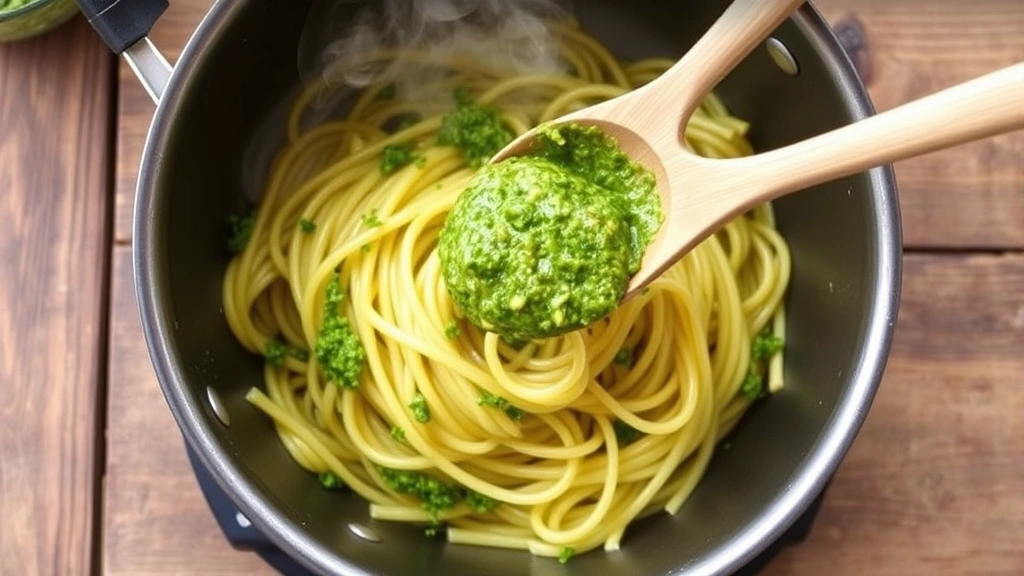
- Add the hot drained pasta directly to the bowl containing the pesto.
- Toss gently but thoroughly, using two wooden spoons or tongs to coat every strand of pasta. Add pasta water a few tablespoons at a time, tossing continuously, until the pesto coats the pasta beautifully and creates a silky sauce.
- Taste and adjust seasoning with additional salt, pepper, or lemon juice as needed.
- Divide the pesto pasta among serving bowls and garnish generously with fresh basil leaves, additional grated Parmigiano-Reggiano, and a sprinkle of fresh lemon zest.
- Serve immediately while the pasta is hot and the flavors are at their peak brightness.
Pro Tips
- **Basil Selection**: Use fresh, vibrant basil leaves. Genovese basil is traditional and offers superior flavor, but any fresh basil works beautifully. Avoid basil that’s wilted, bruised, or showing signs of browning. If you can’t find fresh basil, this recipe won’t be successful—frozen or dried basil simply won’t yield the same bright, fresh results.
- **Pine Nut Toasting**: Lightly toast your pine nuts in a dry skillet over medium heat for 2-3 minutes, stirring frequently. This step intensifies their buttery, nutty flavor and is absolutely worth the extra minute. Watch carefully as they burn quickly. If you can’t find pine nuts, walnuts or almonds work as alternatives, though the flavor profile changes slightly.
- **Cheese Considerations**: Invest in quality cheeses and grate them fresh if possible. Pre-grated cheese contains anti-caking agents that prevent smooth emulsification. Parmigiano-Reggiano brings nuttiness and depth, while Pecorino Romano adds a sharper, more peppery note. You can use just Parmigiano-Reggiano if you prefer a milder flavor.
- **Olive Oil Quality**: This recipe shines with excellent extra-virgin olive oil. The oil’s fruity or peppery notes will shine through in the final dish. Store your olive oil in a cool, dark place away from heat and light to preserve its quality and prevent rancidity.
- **Garlic Amount**: Three cloves creates a balanced garlic flavor without overwhelming the fresh basil. If you love garlic, add a fourth clove, but add gradually and taste as you go. Raw garlic can become sharp and overwhelming if you use too much.
- **Lemon Juice**: Fresh lemon juice brightens the pesto and adds acidity that balances the richness of the olive oil and cheese. Bottled lemon juice lacks the same vibrancy—always use fresh when possible.
- **Pasta Water Integration**: The starchy pasta water is crucial for creating silky sauce that clings to the pasta. Add it gradually while tossing; you may not need the full cup. The goal is a sauce that’s creamy but not soupy.
- **Serving Temperature**: Serve immediately in warm bowls. Cold pesto pasta is pleasant but loses the aromatic qualities that make this dish spectacular. The warmth releases the basil’s essential oils and creates a more cohesive sauce.
- **Storage**: Store leftover pesto (without pasta) in an airtight container in the refrigerator for up to 5 days. Freeze in ice cube trays for up to 3 months. To prevent browning, press plastic wrap directly onto the surface, or top with a thin layer of olive oil.
- **Make-Ahead Options**: Prepare the pesto up to 4 hours ahead and store it covered. Cook the pasta fresh when you’re ready to serve for the best results. You can also cook pasta ahead and reheat it gently with a little pasta water before tossing with pesto.
- **Variations**: Add a handful of fresh spinach for additional nutrition and a slightly earthier flavor. Include sun-dried tomatoes for sweetness and depth. Toss in some fresh ricotta for creaminess. Add grilled chicken, shrimp, or white beans for protein. These variations all work beautifully with the base pesto recipe.
- **Dietary Adjustments**: For a vegan version, omit the cheese and add additional toasted nuts plus nutritional yeast for umami depth. For nut-free pesto, use sunflower seeds or toasted breadcrumbs instead of pine nuts, adjusting quantities to taste.
- **Equipment Notes**: While a food processor works well, a mortar and pestle creates an even more refined texture and prevents over-processing. If using a food processor, use the pulse function rather than continuous blending to maintain the fresh, slightly chunky texture.