
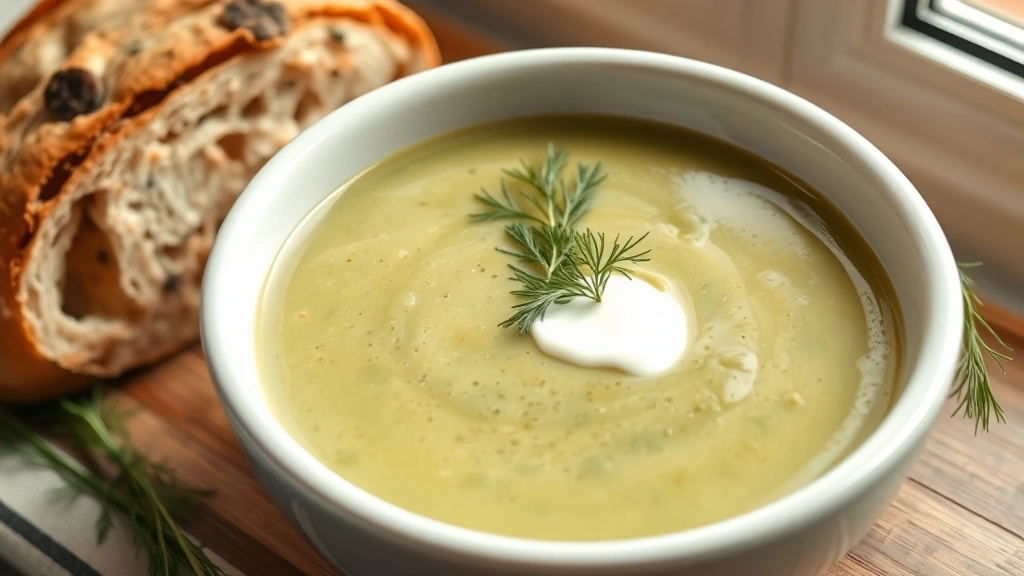
Pickle soup is the most delightfully tangy and comforting dish that brings together the best of Eastern European cuisine with a modern twist. This creamy, broth-based soup celebrates the bold flavor of pickles while maintaining an elegant simplicity that makes it perfect for both weeknight dinners and special occasions. The beauty of this recipe lies in how the acidic brightness of pickles balances with rich, savory elements to create something truly extraordinary.
What makes this pickle soup recipe so special is the careful layering of flavors. We start with a aromatic base of sautéed onions and garlic, then build depth with beef or vegetable broth and tender diced potatoes. The star ingredient—brined pickles and their juice—transforms the soup into something with incredible character and depth. The slight sourness from the pickle brine cuts through the richness beautifully, while a touch of sour cream at the end creates a luxurious, velvety texture that coats your palate with pure comfort.
This pickle soup recipe is naturally versatile, making it an excellent addition to your weeknight dinner rotation. You can customize it based on what you have on hand, whether that means adding diced ham, crispy bacon bits, or keeping it vegetarian. Many home cooks find that this soup actually tastes better the next day as the flavors meld together, making it perfect for meal prep. The recipe comes together in about an hour, with most of that time being passive cooking while you attend to other tasks.
If you’re looking for other comforting soups to round out your menu, you might enjoy our Deliciously Simple Coleslaw Recipe, which makes an excellent side. For side dishes that complement pickle soup beautifully, try our Perfect Cream Peas Recipe. For more inspiration on comfort food preparation techniques, check out this excellent guide from Serious Eats’ soup collection.
The origins of pickle soup trace back to Polish and Russian cuisine, where it’s known as żurek or rassolnik respectively. These traditional versions have been enjoyed for centuries as a way to use up pickle brine and create something nourishing and delicious. Our modern interpretation honors these traditions while making the recipe accessible to home cooks everywhere. Whether you’re cooking for a crowd or just yourself, this pickle soup recipe delivers comfort, flavor, and satisfaction in every spoonful.
Ingredients
- 3 tablespoons butter or oil
- 1 large yellow onion, diced
- 4 cloves garlic, minced
- 6 cups beef broth or vegetable broth
- 3 medium potatoes, peeled and diced into ½-inch cubes
- 1 cup diced dill pickle (about 4-5 large pickles)
- ½ cup pickle brine (juice from the pickle jar)
- 2 carrots, peeled and diced
- 1 teaspoon dried dill or 2 tablespoons fresh dill
- 1 bay leaf
- ½ teaspoon caraway seeds (optional but traditional)
- ½ teaspoon black pepper
- ½ teaspoon salt (adjust to taste)
- 1 cup sour cream or Greek yogurt
- 2 tablespoons tomato paste
- 4 ounces ham, diced (optional)
- Fresh dill and crème fraîche for garnish
- Crusty bread for serving
Instructions
- Melt butter in a large pot or Dutch oven over medium heat. Once foaming, add the diced onion and cook for 5-7 minutes, stirring occasionally, until the onion becomes translucent and fragrant.
- Add minced garlic to the pot and cook for another minute, stirring constantly, until you smell the garlic’s wonderful aroma—this builds the flavor foundation.
- Stir in the tomato paste and cook for 2 minutes, allowing it to caramelize slightly against the bottom of the pot for added depth.
- Pour in the beef or vegetable broth, scraping up any browned bits from the bottom of the pot with a wooden spoon—these flavorful bits are liquid gold.
- Add the diced potatoes and carrots to the broth. Bring the mixture to a simmer over medium-high heat.
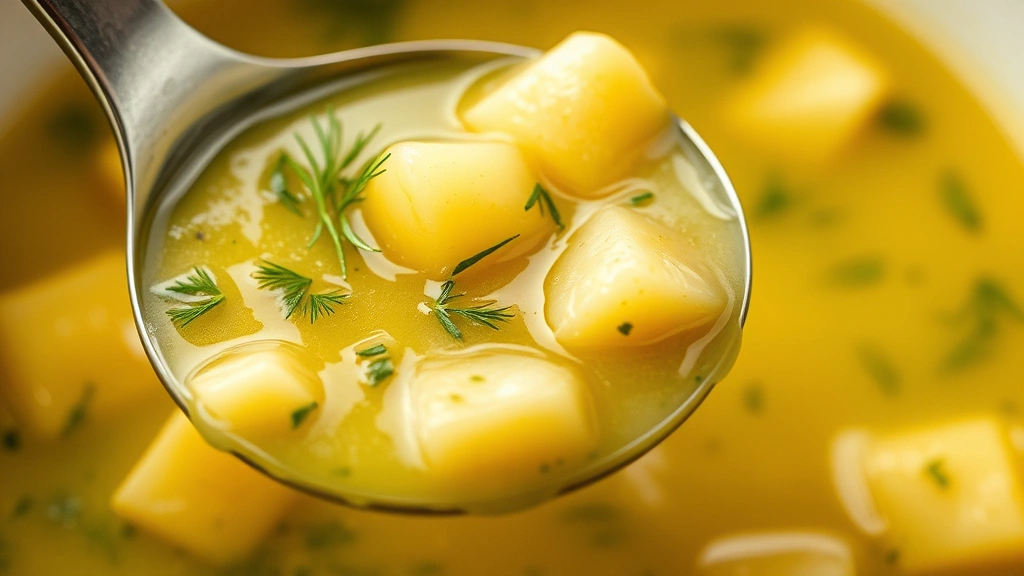
- Once simmering, reduce heat to medium and add the bay leaf, caraway seeds if using, dried dill, pepper, and salt. Simmer for 15-20 minutes until the potatoes and carrots are fork-tender.
- Add the diced pickles and pickle brine to the pot, stirring well to combine. Simmer for another 5 minutes to allow the pickle flavor to fully integrate.
- If using ham, add it now and simmer for 3-5 minutes until heated through.
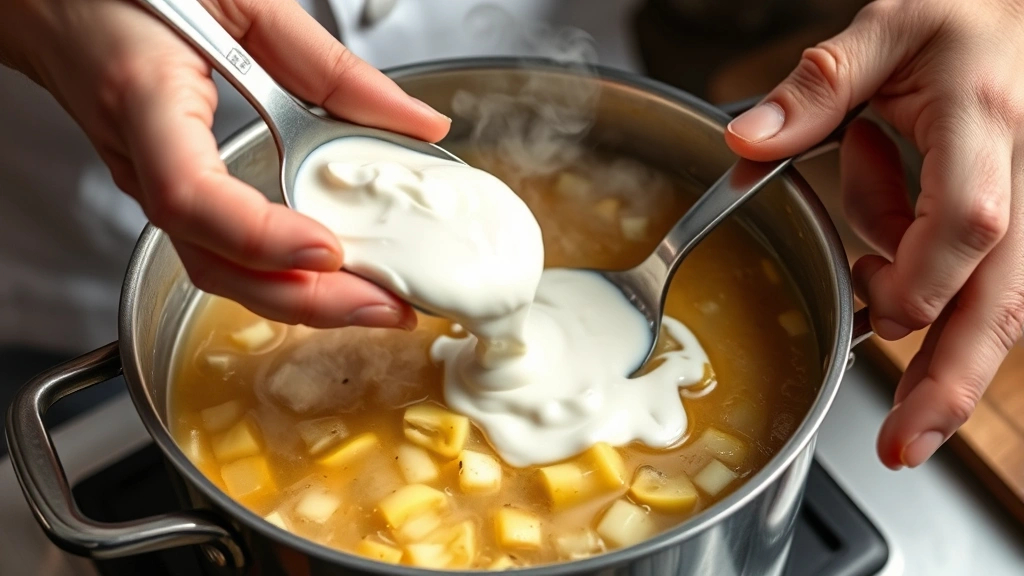
- In a small bowl, whisk together the sour cream with about ½ cup of the hot broth, stirring until smooth—this tempers the sour cream and prevents curdling.
- Remove the pot from heat and slowly pour the sour cream mixture back into the pot, stirring constantly and gently until fully incorporated.
- Taste the soup and adjust seasonings as needed. You may want more pickle brine for extra tang, or a pinch more salt and pepper.
- Gently reheat over low heat for 2-3 minutes, but do not allow the soup to boil once the sour cream is added.
- Ladle into bowls and garnish generously with fresh dill, a dollop of crème fraîche, and fresh black pepper.
- Serve immediately with crusty bread for dipping and enjoying every last drop of this incredible soup.
Pro Tips
Pickle brine is essential: The liquid from your pickle jar is where much of the flavor lives. Don’t discard it—use it generously to achieve that signature tangy taste.
Sour cream matters: Full-fat sour cream creates the richest, most luxurious texture. Greek yogurt works as a lighter alternative but produces a slightly different mouthfeel.
Make it ahead: This soup tastes even better the next day as flavors meld. Store in an airtight container in the refrigerator for up to 4 days. Reheat gently over low heat.
Freeze for later: You can freeze this soup for up to 3 months, though the potato texture may change slightly. Freeze before adding sour cream, then stir it in when reheating.
Vegetarian option: Simply use vegetable broth instead of beef broth and skip the ham for a completely vegetarian version that’s equally delicious.
Protein additions: Beyond ham, try adding diced chicken, ground beef, or bacon bits for extra heartiness and protein.
Rice or barley: Some traditional versions include barley or rice for additional texture. Add ½ cup along with the potatoes.
Fresh herbs: Substitute or combine fresh dill with parsley, chives, or tarragon for different flavor profiles.
Accompaniments: Serve with rye bread, pumpernickel, or crusty sourdough for authentic Eastern European presentation.