

There’s something absolutely delightful about homemade pickled cauliflower that store-bought versions just can’t compete with. This recipe has become my go-to for entertaining, potlucks, and keeping in the fridge for those moments when you need a crisp, tangy bite. The beauty of pickling cauliflower is that it’s incredibly simple to make, yet it tastes like you’ve spent hours in the kitchen perfecting your craft.
I first fell in love with pickled vegetables during a trip to a charming farmers market, where a local vendor was selling the most vibrant, perfectly seasoned pickled cauliflower. I begged for the recipe, and after some gentle persuasion, she shared her secrets. Now, I’ve refined it over the years to create what I believe is the absolute best pickled cauliflower recipe. The key is using fresh, quality cauliflower, a perfectly balanced vinegar mixture, and the right combination of spices that complement rather than overpower.
What makes this recipe truly special is the balance of flavors. You get the sharpness of vinegar, the subtle sweetness of sugar, the warmth of mustard seeds and garlic, and just a hint of heat from red pepper flakes. The cauliflower stays beautifully crisp while absorbing all these wonderful flavors. Whether you’re serving this as a side alongside pickled red onions or adding it to a chickpea salad, it’s guaranteed to impress.
This recipe also makes an excellent gift. I’ve bottled these up in pretty mason jars with custom labels for friends and family, and it’s always a hit. The pickled cauliflower keeps for weeks in the refrigerator, making it perfect for meal prep or having on hand whenever the craving strikes. You can also customize this recipe with fresh peppers or other vegetables to create your own signature blend.
For those looking to expand their pickling repertoire, I highly recommend checking out Serious Eats’ extensive guide to pickling techniques and Bon Appétit’s collection of pickled vegetable recipes. Understanding the science behind pickling can really elevate your results. I’ve also found New York Times Cooking to be an invaluable resource for traditional pickling methods.
The best part? Once you master this basic technique, you’ll find yourself pickling everything in sight. It’s addictive, rewarding, and absolutely delicious. Let me walk you through exactly how to make the best pickled cauliflower that will have everyone asking for your recipe.
Ingredients
- 1 large head of fresh cauliflower, cut into bite-sized florets
- 2 cups white vinegar
- 1 cup water
- 3 tablespoons granulated sugar
- 2 tablespoons kosher salt
- 4 cloves garlic, thinly sliced
- 2 tablespoons yellow mustard seeds
- 1 tablespoon black peppercorns
- 1 teaspoon red pepper flakes
- 3 bay leaves
- 1 teaspoon dried dill
- ½ teaspoon turmeric
- 2 sterilized mason jars (32 oz or similar)

Instructions
- Begin by preparing your cauliflower. Rinse the head thoroughly under cold running water, then cut away the green leaves and trim the stem. Divide the cauliflower into bite-sized florets, making sure each piece is roughly the same size so they pickle evenly. Pat them dry with paper towels—this helps them stay crisp during the pickling process.
- Sterilize your mason jars by washing them in hot soapy water, then placing them in a 350°F oven for 10 minutes. Alternatively, you can run them through the hot cycle of your dishwasher. Set them aside to cool slightly before filling.
- In a medium saucepan, combine the white vinegar, water, granulated sugar, and kosher salt. Place the pan over medium-high heat and stir occasionally until the sugar and salt are completely dissolved, about 3-4 minutes.
- Add the mustard seeds, black peppercorns, red pepper flakes, bay leaves, and dried dill to the vinegar mixture. Stir well to distribute the spices evenly. Allow the mixture to come to a gentle boil, then reduce the heat to medium and let it simmer for 2 minutes to allow the spices to infuse their flavors.
- While the brine is heating, divide the sliced garlic cloves and turmeric between your two sterilized mason jars, placing them at the bottom of each jar.
- Carefully pack the cauliflower florets into the mason jars, dividing them evenly between the two jars. Fill them fairly tightly but don’t crush the florets—they should be snug but still intact.
- Once the brine has simmered for 2 minutes, carefully pour the hot vinegar mixture over the cauliflower in each jar, making sure the florets are completely submerged. You want the liquid to come to about ½ inch below the rim of the jar.
- Allow the jars to cool to room temperature on your kitchen counter, approximately 30-45 minutes. This cooling period is important because it helps prevent thermal shock and allows the flavors to begin melding.
- Once cooled, seal the jars with their lids and refrigerate immediately. The pickled cauliflower will be good to eat after 24 hours, but the flavors continue to develop over the next few days.
- Store the sealed jars in the refrigerator for up to 4 weeks. Always use a clean spoon or fork when removing cauliflower from the jar to maintain freshness and prevent contamination.
Pro Tips
- For the best results, choose a cauliflower head that is bright white and tightly packed. Avoid any with brown spots or soft areas.
- The beauty of this recipe is its versatility. You can add other vegetables like carrots, celery, or onions to the jars for variety.
- If you prefer a spicier pickle, add more red pepper flakes or include a fresh jalapeño or Thai chili pepper in each jar.
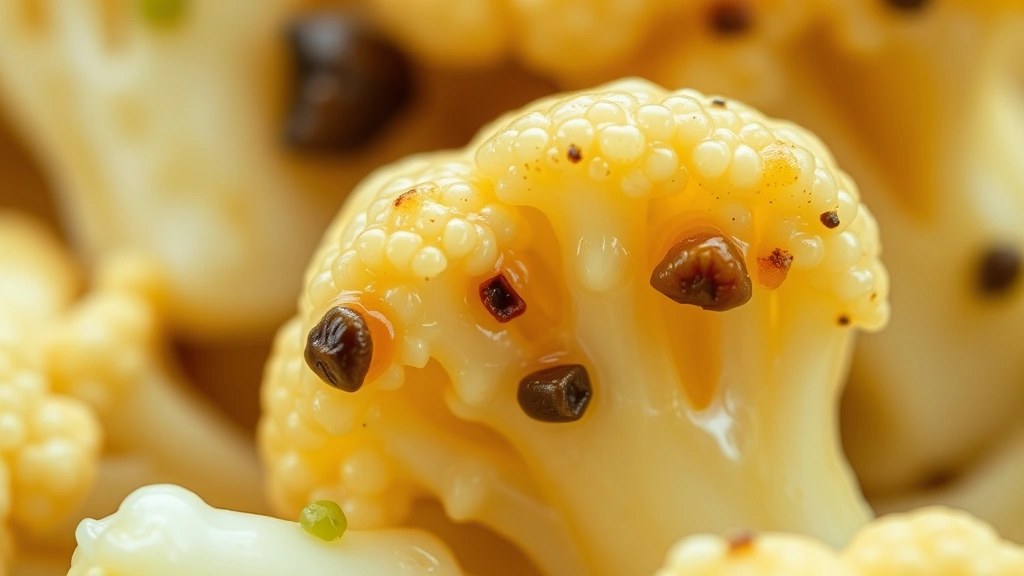
- The turmeric not only adds a subtle earthy flavor but also gives the cauliflower a beautiful golden hue.
- This recipe makes an excellent gift when packaged in decorative mason jars with custom labels. They keep for weeks in the refrigerator.
- For a sweeter pickle, add an extra tablespoon of sugar to the brine. For a more intensely vinegary pickle, reduce the water by ¼ cup.
- You can use rice vinegar or apple cider vinegar as alternatives to white vinegar, each will give a slightly different flavor profile.
- Make sure all your equipment is very clean but not necessarily sterilized if you’re storing these in the refrigerator. We’re making refrigerator pickles, not shelf-stable pickles.
- The cauliflower will stay perfectly crisp thanks to the quick cooking time of the brine and the refrigeration. The key is not overcooking the brine or the cauliflower itself.
- Serve these pickled cauliflower florets as an appetizer, alongside a charcuterie board, on top of salads, or as a crunchy addition to grain bowls.
Pingback: How to make the BEST Keto Casserole Recipe! So Tasty! – Simple Recipe Finder