
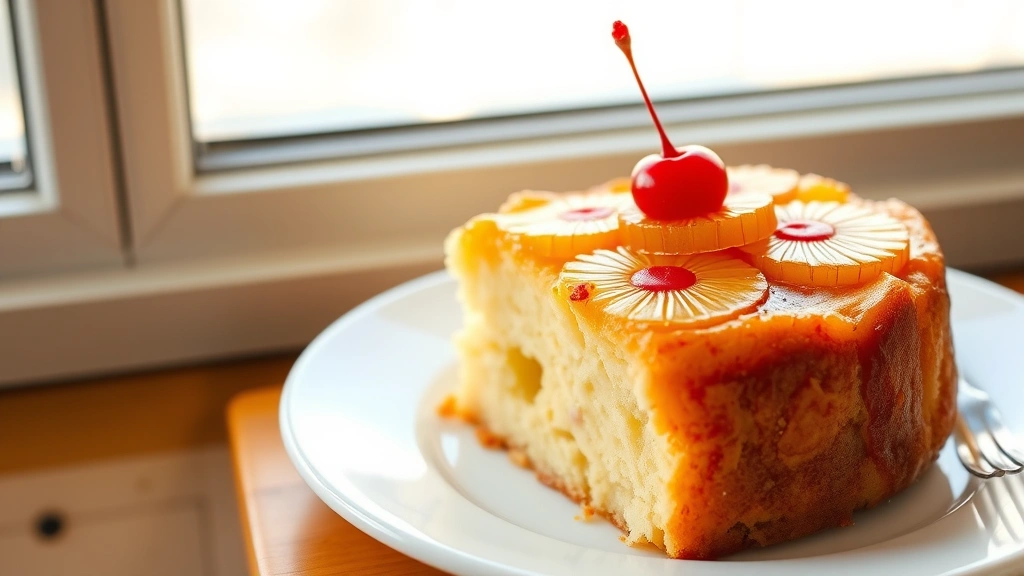
There’s something absolutely magical about pineapple upside down cake—it’s the kind of dessert that feels fancy and impressive, yet it’s surprisingly simple to make at home. This classic treat has been a beloved favorite for generations, and for good reason. The caramelized pineapple and maraschino cherries create a stunning golden crown on top, while the tender, moist cake beneath is the perfect canvas for those sweet, tropical flavors.
What I love most about this recipe is how forgiving it is. Whether you’re a seasoned baker or just starting your culinary journey, you can absolutely master this dessert. The combination of butter, brown sugar, and pineapple creates a luxurious caramel sauce that caramelizes beautifully in the oven, transforming simple ingredients into something restaurant-worthy. The cake itself is wonderfully moist thanks to the pineapple juice that gets absorbed during baking, ensuring every bite is tender and flavorful.
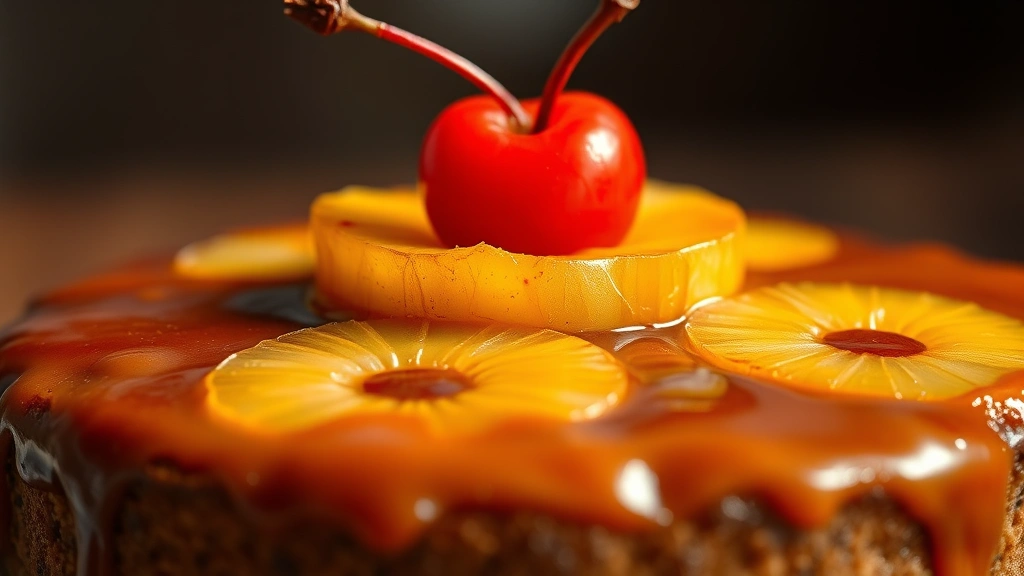
I’ve perfected this recipe over years of testing, and I’m thrilled to share my secrets with you. The key is using fresh pineapple when possible, though canned works beautifully too. Make sure to reserve that pineapple juice—it’s liquid gold for keeping your cake incredibly moist. The brown sugar layer at the bottom is crucial; it caramelizes in the oven and creates that signature glossy topping that makes everyone’s eyes light up when you flip it over.
This cake is perfect for dinner parties, family gatherings, or whenever you want to impress someone with a homemade dessert. It pairs wonderfully with rich, creamy accompaniments, though it’s equally delicious on its own. For more baking inspiration, check out our collection of decadent dessert recipes.
The beauty of this recipe is its versatility. While the classic version with pineapple and cherries is timeless, you can experiment with different fruits and flavor combinations. Some of my favorite variations include adding a splash of rum or coconut extract to the batter, or using different tropical fruits. The technique remains the same, but the results can be endlessly creative.
Baking this cake fills your kitchen with the most wonderful aroma—warm brown sugar, butter, and caramelizing pineapple. It’s the kind of scent that says “home” and “comfort” all at once. The moment you flip that cake out of the pan and reveal the beautiful pineapple pattern is pure joy. I promise you, the first time you nail this recipe, you’ll understand why it’s been a beloved classic for so long.
For more baking tips and techniques, visit Bon Appétit’s baking section and Serious Eats for detailed baking science. You might also enjoy learning about complementary recipes and exploring New York Times Cooking for more classic recipes. Don’t forget to check out our pickled red onion recipe for exciting flavor combinations!
Ingredients
- ½ cup (115g) unsalted butter, divided
- ¾ cup (150g) packed brown sugar
- 1 can (20 oz) pineapple slices in juice, drained (reserve ¼ cup juice)
- 10-12 maraschino cherries with stems
- 1¾ cups (220g) all-purpose flour
- 1½ teaspoons baking powder
- ½ teaspoon baking soda
- ¼ teaspoon salt
- ½ cup (115g) unsalted butter, softened (for batter)
- ¾ cup (150g) granulated sugar
- 2 large eggs, room temperature
- ½ cup (120ml) sour cream or Greek yogurt, room temperature
- ½ cup (120ml) reserved pineapple juice
- 1 teaspoon vanilla extract
- ½ teaspoon almond extract (optional, but recommended)
Instructions
- Preheat your oven to 350°F (175°C). Place a 9-inch round cake pan on a baking sheet (this catches any caramel drips).
- Melt ½ cup butter in a small saucepan over medium heat, then pour it into the bottom of your prepared cake pan, coating the entire surface evenly.
- Sprinkle the packed brown sugar evenly over the melted butter, pressing it gently into an even layer. Set aside.
- Arrange the pineapple slices in a single layer over the brown sugar. Place a cherry in the center of each slice, and fill any remaining gaps with additional cherries.
- In a medium bowl, whisk together flour, baking powder, baking soda, and salt. Set aside.
- In a large bowl, cream together the softened butter and granulated sugar until light and fluffy, about 3-4 minutes, scraping down the sides as needed.
- Add eggs one at a time, beating well after each addition and scraping down the bowl between additions.
- Stir in vanilla extract and almond extract, if using.
- Add half of the flour mixture to the butter mixture, stirring until just combined.
- Pour in the sour cream and reserved pineapple juice, stirring until just combined.
- Add the remaining flour mixture, stirring until just combined. Do not overmix; the batter should be smooth but not overworked.
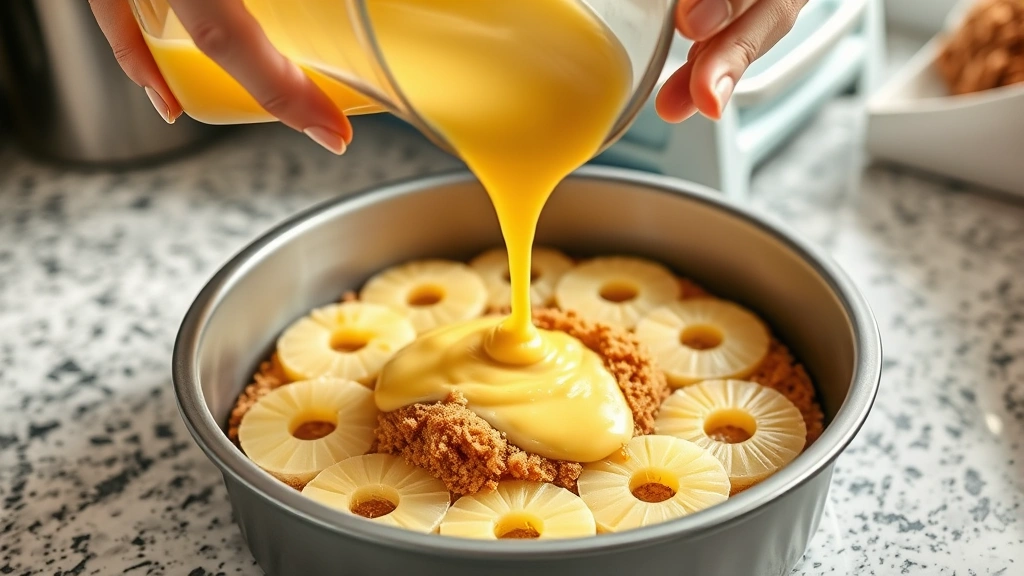
- Carefully pour the batter over the pineapple and brown sugar layer, spreading it evenly with a spatula. The batter should cover all the fruit.
- Bake for 35-40 minutes, or until a toothpick inserted in the center of the cake comes out clean or with just a few moist crumbs.
- Remove the cake from the oven and let it cool for exactly 5 minutes—this timing is crucial for easy flipping.
- Place a serving plate over the top of the cake pan and carefully invert, letting the cake slide onto the plate. If any pineapple or cherries stick to the pan, simply replace them on top of the cake.
- Let the cake cool to room temperature before serving, about 30 minutes. This allows the caramel topping to set slightly while remaining gooey and delicious.
Pro Tips
Pineapple Selection: While canned pineapple works wonderfully, fresh pineapple can also be used. Drain canned pineapple thoroughly and pat dry with paper towels to prevent excess moisture. Fresh pineapple should be peeled, cored, and sliced into rings approximately ¼-inch thick.
Juice Preservation: Don’t discard that pineapple juice! It’s essential for keeping your cake moist. If using fresh pineapple, you can substitute with water or a mixture of water and pineapple juice concentrate.
Butter Temperature: Cold butter won’t cream properly with sugar. If your kitchen is cold, place the butter on the counter for 30 minutes before starting.
Flipping Technique: The 5-minute cooling period is crucial. If you flip too soon, the caramel will be too hot and might slide off. If you wait too long, it will stick. Use a sharp knife to loosen any edges that might be sticking before inverting.
Storage Instructions: This cake keeps well covered at room temperature for up to 3 days. You can also wrap it tightly and freeze for up to 2 months. Thaw at room temperature before serving.
Making It Ahead: You can prepare the pineapple and cherry arrangement in the pan up to 2 hours ahead. Cover with plastic wrap and refrigerate. Make the batter fresh when ready to bake.
Serving Suggestions: Serve slightly warm with whipped cream, vanilla ice cream, or a dollop of sour cream. The warmth makes the caramel topping particularly delicious.
Almond Extract Note: This ingredient is optional but highly recommended. It complements the pineapple beautifully without overpowering it. If you don’t have it, simply omit.
Sour Cream Substitute: Greek yogurt works perfectly as a substitute and creates an equally tender cake. Regular yogurt can also work but may require slightly less liquid.
Batter Consistency: Your batter should be thick enough to hold fruit but thin enough to pour. If it seems too thick, add a tablespoon of pineapple juice at a time.