
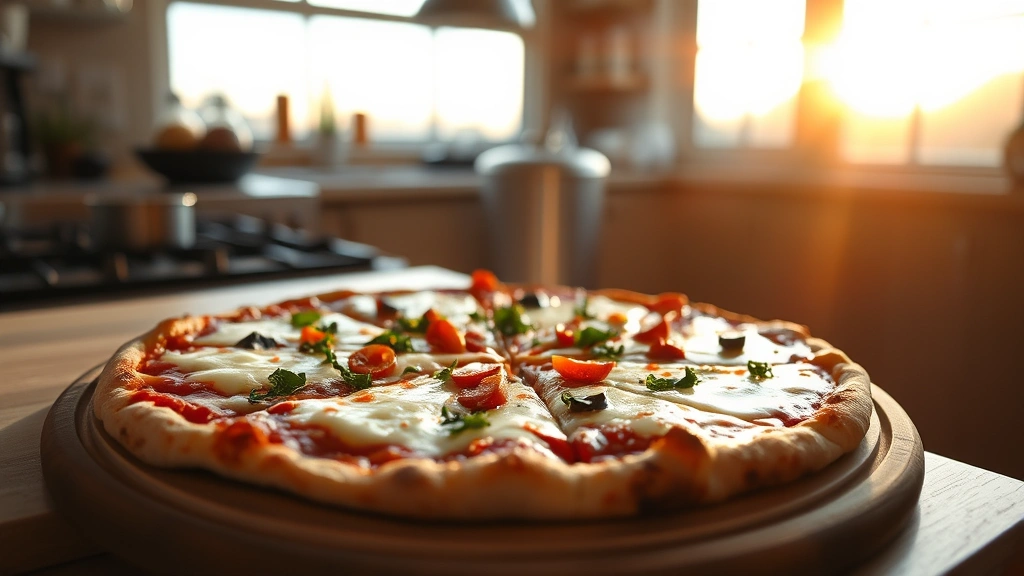
Making pizza dough from scratch has never been easier thanks to your trusty bread machine! This foolproof recipe delivers restaurant-quality dough every single time, with minimal hands-on work. The bread machine does all the heavy lifting—mixing, kneading, and the first rise—leaving you free to prep your toppings and set the table.
I absolutely love using my bread machine for pizza dough because it takes the guesswork out of kneading and timing. The machine ensures perfectly developed gluten, which gives you that gorgeous chewy-yet-crispy crust we all crave. Whether you’re making thin-crust, thick-crust, or pan pizza, this dough is incredibly versatile and forgiving.
The beauty of this recipe is that you can make it ahead and refrigerate or freeze it, making weeknight pizza night totally doable. I often prepare the dough in the morning, let it bulk ferment in the fridge all day, and then stretch and top it for dinner. The cold fermentation actually improves flavor development and makes the dough easier to work with.
This recipe makes enough dough for two 12-inch pizzas or one large 16-inch pizza, depending on your crust preference. I’ve included tips for customizing thickness and crust style, plus my favorite topping combinations. Whether you’re team pepperoni or prefer loaded veggie pizzas like our Perfect Pickled Red Onions for garnish, this dough is your new best friend.
For more inspiration on what to serve alongside your homemade pizza, check out our Quick Greek Salad Recipe for a fresh, light side dish. And if you’re looking for pasta alternatives, our Best Heavy Cream Alfredo Sauce pairs beautifully with garlic bread made from leftover dough.
According to Serious Eats’ pizza science guide, the key to exceptional pizza dough is proper hydration and fermentation time. This bread machine method honors both principles, resulting in dough with excellent flavor and texture. The New York Times pizza dough recipe inspired many of my timing decisions here, particularly the importance of cold fermentation for flavor development.
I recommend investing in a good bread machine if you don’t already have one—it’s genuinely one of the best kitchen investments I’ve made. The consistency it provides is unmatched, and you’ll find yourself using it for so much more than just pizza dough. From sourdough to focaccia, a bread machine opens up endless possibilities.
Ingredients
- 1¾ cups warm water (110°F)
- 2 tablespoons olive oil
- 2 teaspoons salt
- 1 tablespoon sugar
- 3½ cups all-purpose flour (or bread flour for chewier crust)
- 2¼ teaspoons instant yeast (one packet)
Instructions
- Pour the warm water into your bread machine pan. The water should be between 105-110°F—too hot and you’ll kill the yeast, too cool and fermentation will be slow.
- Add the olive oil, salt, and sugar to the water. These ingredients help develop flavor and feed the yeast.
- Add the flour on top of the liquid ingredients. Make sure the flour completely covers the water—this helps prevent premature yeast activation.
- Make a small indent in the center of the flour and sprinkle the instant yeast into it. This traditional method helps ensure the yeast activates at the right time.
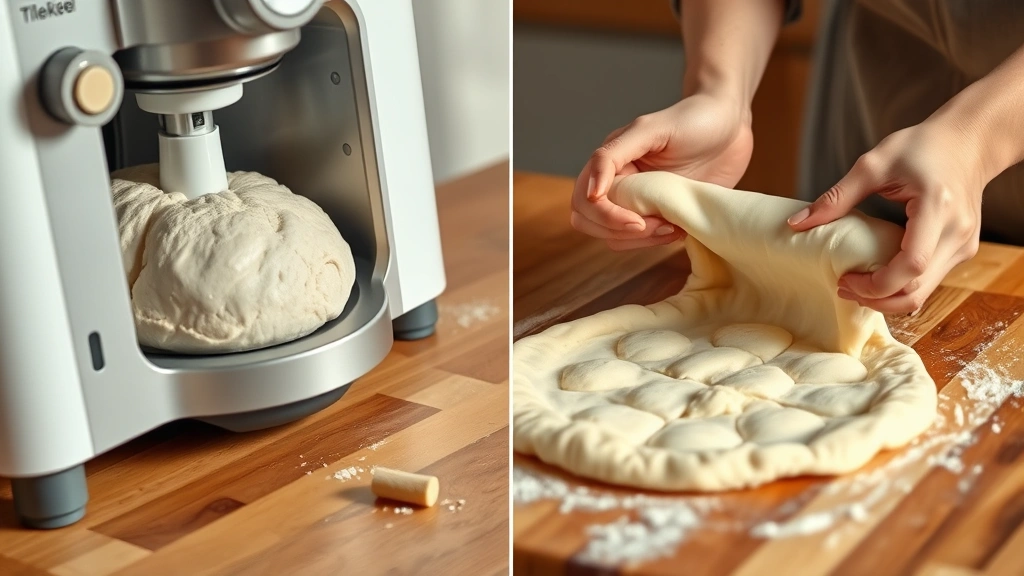
- Select the ‘Dough’ cycle on your bread machine. This cycle typically includes mixing, kneading, and the first rise (about 90 minutes total). Do not use the ‘Bread’ setting.
- Press start and let the machine do its magic. You don’t need to monitor it, but feel free to peek after 5 minutes to ensure the dough is coming together properly—it should be slightly tacky but not sticky.
- Once the dough cycle completes, the dough will have risen and be ready to use. You can proceed immediately to shaping, or refrigerate it for later use.
- If using immediately, turn the dough out onto a lightly floured work surface. Divide it in half if making two pizzas, or leave it whole for one large pizza.
- Gently shape each portion into a ball by folding the edges toward the center, then flip it over seam-side down. Let the dough rest for 10 minutes at room temperature to relax the gluten.
- Preheat your oven to 475°F. If using a pizza stone, place it in the oven now so it heats thoroughly.
- Working with one ball of dough at a time, gently stretch it into your desired shape—either by hand or with a rolling pin. For a thinner crust, stretch it more; for a thicker, breadier crust, stretch it less.
- Transfer the shaped dough to a pizza peel or the back of a baking sheet that’s been lightly dusted with cornmeal or flour.
- Add your desired toppings. Pro tip: less is more! Overloading your pizza will result in a soggy crust. Start with sauce, then cheese, then your favorite toppings.
- Slide the pizza onto your preheated pizza stone, or simply place the baking sheet directly into the oven.
- Bake for 25-30 minutes, until the crust is golden brown and the cheese is melted and bubbly. The exact time depends on your oven and how thick your crust is.
- Remove the pizza from the oven and let it rest for 2-3 minutes before slicing. This allows the cheese to set slightly, making it easier to cut clean slices.
- Slice, serve, and enjoy your homemade pizza!
Pro Tips
- **Bread Machine Selection**: Use a bread machine with a dough cycle specifically. Most standard bread machines work perfectly. If your machine has a ‘Rapid Dough’ setting, it will take about 60 minutes instead of 90.
- **Water Temperature**: This is crucial for yeast activation. Use a kitchen thermometer if you have one. If your water is too hot, it will kill the yeast; if too cold, fermentation will be extremely slow.
- **Flour Types**: All-purpose flour works beautifully for this recipe. For an even chewier, more authentic New York-style crust, substitute half the all-purpose flour with bread flour (which has higher protein content). Whole wheat flour can replace up to 25% of the all-purpose flour for nutty flavor, though it will result in a denser crumb.
- **Instant Yeast vs. Active Dry**: Both work in this recipe. Instant yeast ferments slightly faster, while active dry yeast produces marginally more complex flavor. The difference is minimal when using a bread machine.
- **Make-Ahead Instructions**: After the bread machine cycle completes, turn the dough out onto a lightly floured surface. Shape into a ball, place in an oiled container, and refrigerate for up to 3 days. Cold fermentation actually improves flavor. Remove from the refrigerator 30 minutes before shaping to allow it to come to room temperature slightly.
- **Freezing Dough**: You can also freeze unbaked dough balls for up to 3 months. Thaw overnight in the refrigerator, then bring to room temperature before stretching and topping.
- **Pizza Stone vs. Baking Sheet**: A preheated pizza stone produces the most authentic, crispy-bottomed crust. However, a standard baking sheet works wonderfully too. Some people prefer a perforated pizza pan for extra crispiness.
- **Cornmeal vs. Flour**: Use cornmeal for dusting your pizza peel or baking sheet—it prevents sticking while adding a pleasant, subtle texture to the crust bottom. All-purpose flour works too, though cornmeal is traditional.
- **Oven Temperature Matters**: Pizza bakes best at high heat (475°F or higher). If your oven has a convection setting, use it for even browning. Some home bakers use 500°F for crispier crusts, reducing bake time to 20-25 minutes.
- **Topping Combinations**: Keep toppings balanced—too much sauce or cheese-heavy pizzas will be soggy. Our Easy Chicken Alfredo Recipe ingredients work beautifully on pizza! Try combining rotisserie chicken, mozzarella, and a drizzle of alfredo sauce for an amazing variation.
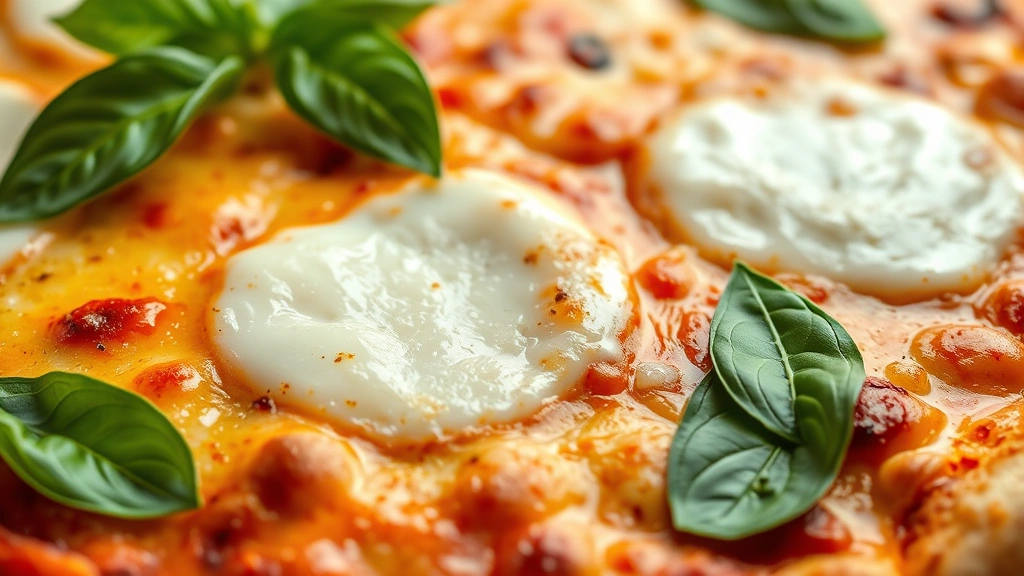
- **Fresh Herb Finishing**: Add fresh basil, oregano, or red pepper flakes immediately after removing the pizza from the oven while it’s still hot. The residual heat releases the herbs’ essential oils for maximum flavor.
- **Crust Thickness Customization**: For thin crust, stretch the dough very thin and use a preheated baking sheet. For thick, pan-style pizza (Detroit or Sicilian), place the dough in a well-oiled 9×13 baking dish and let it rise 30 minutes before topping and baking.
- **Leftover Dough Uses**: Extra dough can become garlic knots, breadsticks, or focaccia. Brush with olive oil, salt, and herbs, then bake at 425°F for 15-20 minutes.