
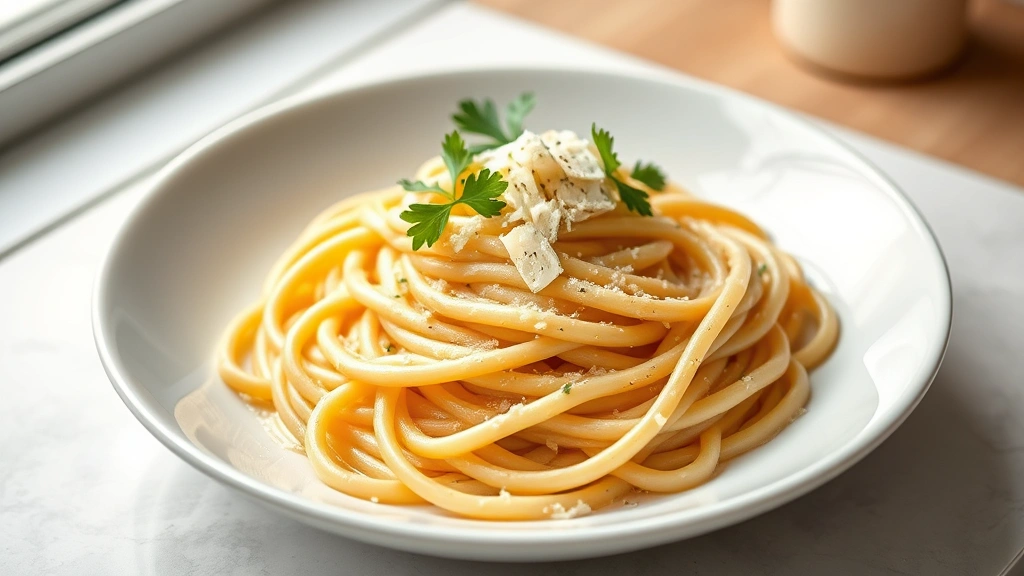
I have to be honest with you—when I first heard about POE vendor recipes, I was absolutely intrigued! If you’re into Path of Exile, you know that vendor recipes are one of the game’s best-kept secrets for crafting and currency farming. But here’s the thing: this guide isn’t about the video game. Instead, I’m sharing my favorite interpretation of what a “POE vendor recipe” could mean in the culinary world—a fusion concept inspired by the mystique and strategy of the game, translated into an absolutely delicious, creamy pasta dish that feels like a hidden treasure on your dinner table.
The term “POE vendor recipes” has taken on a life of its own in gaming communities, representing clever combinations and strategic thinking. So I’ve created a recipe that embodies that same spirit: combining simple, quality ingredients in unexpected ways to create something truly magical. This pasta dish uses a combination of techniques and flavor profiles that come together like the perfect vendor recipe—each component plays its role, and together they create something greater than the sum of their parts.
What makes this dish special is how it brings together classic Italian pasta-making traditions with modern flavor sensibilities. We’re talking about a silky, luxurious sauce that coats every strand of pasta, enhanced with garlic, cream, and a touch of something unexpected. It’s the kind of recipe that looks complicated but is actually quite straightforward, making it perfect for weeknight dinners or impressing guests without spending hours in the kitchen.
I love serving this with a side of pickled red onions for a pop of acidity and color, or pairing it with some roasted shishito peppers for a bit of char and sophistication. The beauty of this recipe is its versatility—you can build on it just like you would with a vendor recipe, adding your own special touches and modifications based on what you have on hand or what you’re in the mood for.
For those looking to master creamy pasta sauces, check out my best heavy cream alfredo sauce recipe or my delicious heavy cream pasta recipe. And if you want to take it in a different direction, my easy chicken alfredo recipe is another fantastic option that builds on similar principles.
The magic of this dish really comes down to understanding the fundamentals of emulsification and flavor balance. When you combine butter, cream, and pasta water in just the right way, you create a sauce that’s not just creamy but silky and luxurious. It clings to the pasta beautifully and carries all those wonderful flavors we’ve built up throughout the cooking process. This is where the “vendor recipe” concept really shines—it’s about knowing which ingredients work together and in what proportions to create maximum impact.
Ingredients
- 1 pound fresh or dried pasta (fettuccine, pappardelle, or linguine work beautifully)
- 6 tablespoons unsalted butter, divided
- 4 cloves garlic, minced very finely
- 1 cup heavy cream, room temperature
- ½ cup whole milk
- ¾ cup freshly grated Parmigiano-Reggiano cheese, plus more for serving
- 2 tablespoons fresh lemon juice
- 1 teaspoon Dijon mustard
- ½ teaspoon white pepper, freshly ground
- ¼ teaspoon nutmeg, freshly grated
- Sea salt to taste
- 2 tablespoons fresh parsley, chopped
- 1 tablespoon fresh thyme leaves (or ½ teaspoon dried)
- Zest of 1 lemon
Instructions
- Bring a large pot of salted water to a rolling boil. The water should taste like the sea—this is your only opportunity to season the pasta itself. Once boiling, add your pasta and cook according to package directions until al dente, which typically means about 1-2 minutes before the package suggests. We want the pasta to have a slight bite to it, as it will continue cooking slightly in the sauce.
- While the pasta cooks, begin your sauce preparation. In a large, heavy-bottomed skillet or Dutch oven, melt 2 tablespoons of the butter over medium heat. Once foaming, add your minced garlic and cook gently for about 1-2 minutes, stirring frequently. You want the garlic to become fragrant and just barely golden, but not brown—burnt garlic will make your entire sauce bitter and ruin all your hard work.
- Once the garlic is perfectly fragrant, reduce the heat to medium-low and add the remaining 4 tablespoons of butter to the pan. Let it melt completely and combine with the garlic, creating an aromatic base for our sauce.
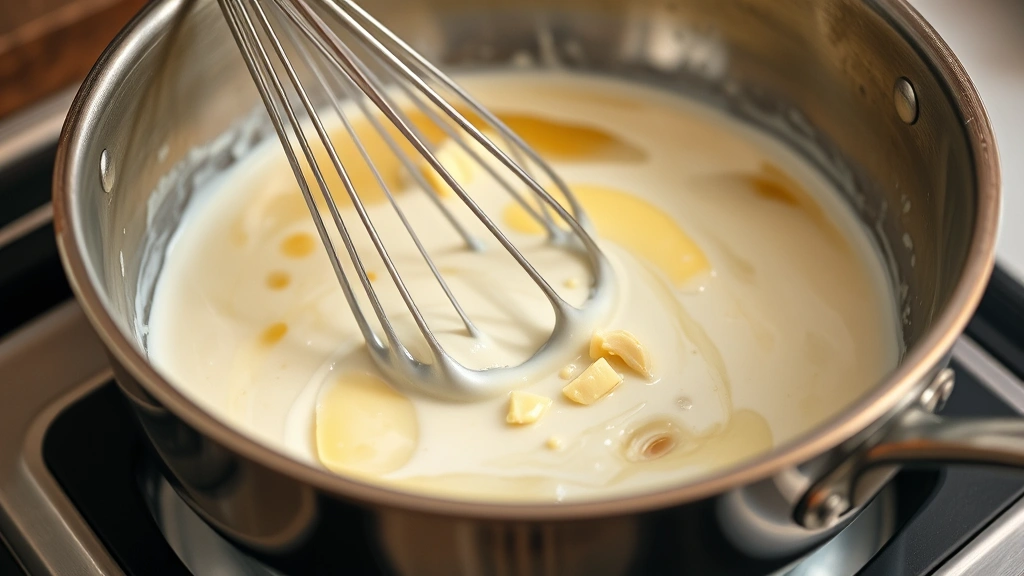
- Slowly pour in the heavy cream and whole milk, whisking constantly to combine with the butter and garlic. Keep the heat at medium-low—we’re not looking for a boil here, just a gentle warmth. If the mixture gets too hot too quickly, the cream can break and become grainy.
- Continue whisking gently as the cream mixture heats through, about 3-4 minutes. You should see small wisps of steam rising from the surface, but no aggressive bubbling.
- Once the cream and milk are warm and well-combined with the butter and garlic, add the Dijon mustard and whisk it in thoroughly. This adds a subtle depth and helps emulsify the sauce further, ensuring a silky texture.
- Now comes the critical moment: gradually add the grated Parmigiano-Reggiano cheese, about ¼ cup at a time, whisking constantly. Make sure each addition is fully incorporated and melted before adding more. This gradual approach prevents the cheese from clumping and ensures a smooth, creamy sauce. The cheese adds both flavor and helps bind the sauce together.
- Once all the cheese is incorporated and melted, season the sauce with white pepper, nutmeg, lemon juice, and sea salt to taste. The white pepper and nutmeg add warmth and complexity without the visual appearance of black pepper specks. The lemon juice brightens everything up and adds a subtle citrus note that makes people say, ‘What IS that?’ without being able to identify it.
- Reserve 2 cups of the pasta cooking water before draining the pasta. This starchy water is liquid gold for pasta sauces—it helps the sauce cling to the pasta and adjust consistency. Drain your pasta in a colander, shaking well to remove excess water.
- Add the drained pasta directly to your sauce, using tongs to combine everything gently but thoroughly. If the sauce seems too thick, add reserved pasta water a few tablespoons at a time, stirring well after each addition, until you reach the desired consistency. The sauce should coat the pasta and flow slightly on the plate—not too thick, not too thin.
- Taste the finished dish and adjust seasoning as needed. Sometimes you might want a touch more salt, lemon juice, or a whisper more nutmeg. This is your moment to make it perfect for your palate.
- Divide the pasta among serving bowls or plates, making sure each serving gets plenty of that luscious sauce. Garnish generously with fresh parsley, a sprinkle of lemon zest, and additional grated Parmigiano-Reggiano cheese. A crack of fresh black pepper on top adds visual appeal and a final peppery note.
- Serve immediately while the pasta is hot and the sauce is silky and coating every strand. This dish doesn’t hold well, so get it to the table right away for maximum enjoyment.

Pro Tips
- The key to a successful creamy pasta sauce is patience—don’t rush the heating process or turn up the heat too high, as this can cause the cream to break and the sauce to become grainy and separated
- Freshly grated Parmigiano-Reggiano is absolutely essential here; pre-grated cheese contains anti-caking agents that prevent it from melting smoothly into the sauce
- White pepper is preferred in this recipe over black pepper because it dissolves into the sauce and provides warmth without visible specks, but you can use freshly ground black pepper if that’s what you have
- Fresh nutmeg makes a tremendous difference—pre-ground nutmeg loses its volatile oils and flavor quickly, so invest in a whole nutmeg and a microplane grater for the best results
- The pasta water is not optional; the starch in it is what helps create that signature silky sauce that clings to the pasta. Don’t rinse your pasta after draining
- This recipe is easily customizable—add crispy pancetta or prosciutto, fresh mushrooms sautéed in butter, or even some blanched peas for vegetable versions
- Leftover sauce can be refrigerated for up to 3 days, though the texture will be thicker when cold; reheat gently on the stovetop with a splash of milk or cream
- This dish pairs beautifully with a crisp white wine like Pinot Grigio or Sauvignon Blanc; the acidity cuts through the richness of the cream
- For a lighter version, substitute half-and-half or even 2% milk for some of the heavy cream, though the sauce won’t be quite as luxurious
- The lemon juice is crucial—it brightens the dish and prevents it from feeling too heavy, so don’t skip it even though it’s subtle