
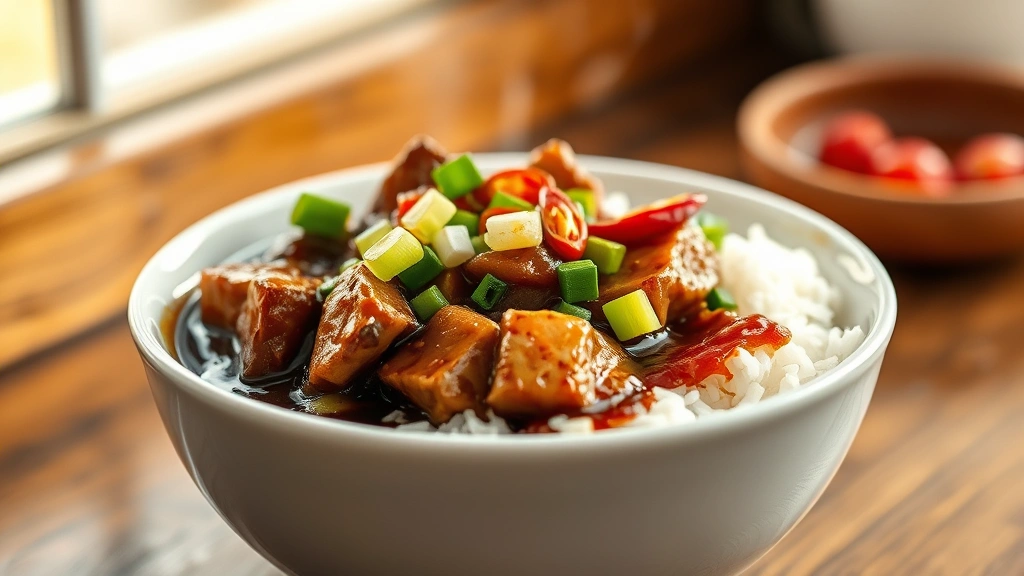
Pork Adobo is the ultimate Filipino comfort food that has won hearts across the globe, and once you master this recipe, you’ll understand why it’s considered the national dish of the Philippines. This beautiful braise combines tender pork with a deeply savory sauce made from vinegar, soy sauce, and garlic that creates layers of complex flavor. The magic of adobo lies in its simplicity—just a handful of quality ingredients transform into something absolutely extraordinary.
What makes this pork adobo recipe so special is the balance between the acidic bite of vinegar and the umami depth of soy sauce, creating a sauce that’s simultaneously tangy, salty, and utterly addictive. The pork becomes fall-apart tender as it simmers low and slow, absorbing all those incredible flavors. This is the kind of dish that tastes even better the next day, making it perfect for meal prep or feeding a crowd.
I love serving this over steamed white rice with a side of crispy coleslaw for a fresh contrast, or alongside sautéed vegetables. The sauce is so good you’ll want to pour every last drop over your rice. This recipe feeds a family beautifully and comes together in about an hour, though the longer it simmers, the more tender and flavorful it becomes.
If you’re new to Filipino cuisine, pork adobo is the perfect introduction. It’s approachable, forgiving, and absolutely delicious. Serious Eats has wonderful resources on Filipino cooking techniques, but this traditional recipe is straightforward enough for any home cook to master. The technique is basically browning the pork, then simmering it in a flavorful liquid until tender—no fancy skills required, just patience and good ingredients.
What I adore most about making pork adobo at home is how the entire kitchen fills with this incredible aroma as it simmers. Your family will come running to the kitchen asking when dinner is ready! This dish represents Filipino hospitality and warmth, and every time I make it, I’m reminded why it’s such a beloved recipe. Whether you’re cooking for your family or introducing friends to Filipino food, this pork adobo recipe is guaranteed to impress.
Ingredients
- 3 pounds pork shoulder or pork butt, cut into 2-inch cubes
- 6 cloves garlic, minced
- 1 cup soy sauce
- 3/4 cup white vinegar or calamansi vinegar
- 2 cups water or chicken broth
- 2 bay leaves
- 1 teaspoon whole black peppercorns
- 2 tablespoons vegetable oil
- 1 teaspoon salt, or to taste
- 1/2 teaspoon brown sugar (optional)
- 2-3 red or green chili peppers (optional, for heat)
- Fresh cilantro or green onions for garnish (optional)

Instructions
- Heat the vegetable oil in a large, heavy-bottomed pot or Dutch oven over medium-high heat. Working in batches if necessary to avoid overcrowding, brown the pork cubes on all sides until they develop a golden-brown crust, about 8-10 minutes total. This step builds incredible flavor through the Maillard reaction, so don’t skip it. Remove the browned pork to a plate and set aside.
- In the same pot, add the minced garlic and sauté for about 1-2 minutes, stirring constantly, until fragrant. Be careful not to burn the garlic, as burnt garlic can turn bitter.
- Pour in the soy sauce and vinegar, using a wooden spoon to scrape up all the flavorful browned bits stuck to the bottom of the pot. This is called deglazing and it adds tremendous depth to your sauce.
- Return the browned pork to the pot, along with any accumulated juices. Add the water or chicken broth, bay leaves, and whole black peppercorns. Stir well to combine all ingredients.
- Bring the mixture to a boil, then reduce the heat to low. Add the chili peppers if using for extra heat. Partially cover the pot with a lid and simmer gently for 40-45 minutes, stirring occasionally, until the pork is extremely tender and easily breaks apart with a spoon.
- Taste the adobo and season with salt and brown sugar as needed. The sauce should be balanced between savory, salty, and tangy—adjust the vinegar or soy sauce to your preference. If you prefer a thicker sauce, remove the lid and simmer for an additional 5-10 minutes to reduce the liquid.
- Remove the bay leaves and whole peppercorns if desired, though many people leave them in for presentation. Transfer the pork adobo to a serving dish, garnish with fresh cilantro or green onions if desired, and serve immediately over steamed white rice with the sauce spooned generously over top.

Pro Tips
Cut size matters: Cutting the pork into 2-inch cubes ensures even cooking and allows the meat to absorb the sauce properly. Smaller pieces may become too tender and fall apart, while larger pieces may remain tough.
Browning step is essential: Don’t skip browning the pork, as this creates the flavorful fond that gives adobo its depth. The caramelized exterior adds complexity that raw pork simply cannot provide.
Make ahead and refrigerate: Pork adobo actually tastes even better the next day after the flavors have had time to meld. Make it a day ahead, refrigerate, then reheat gently on the stovetop. You can also freeze it for up to three months.
Sauce consistency: Some prefer a thicker, more reduced sauce while others like it brothier. Cook uncovered longer for thickness, or add more broth for a saucier version. There’s no wrong way—it’s personal preference.
Soy sauce selection: Use good quality soy sauce, as it’s a main flavor component. Bon Appétit recommends using Philippine brands like Silver Swan or Datu Puti when possible, but Japanese soy sauce also works well.
Variations: Try using pork ribs for extra texture, or substitute chicken thighs for a lighter version. Some cooks add potatoes and hard-boiled eggs for a more substantial dish.
Garlic preferences: If you love garlic, feel free to increase it to 8-10 cloves. The garlic becomes very mellow during the long simmer, so it won’t overpower the dish.
Heat level: The chili peppers are completely optional and add a nice heat that complements the savory-tangy profile. Remove them before serving if you prefer mild adobo.
Serving suggestions: Serve over white rice, with a side of creamy ranch for dipping vegetables, and plenty of rice to soak up that incredible sauce. A simple green salad provides nice contrast.