
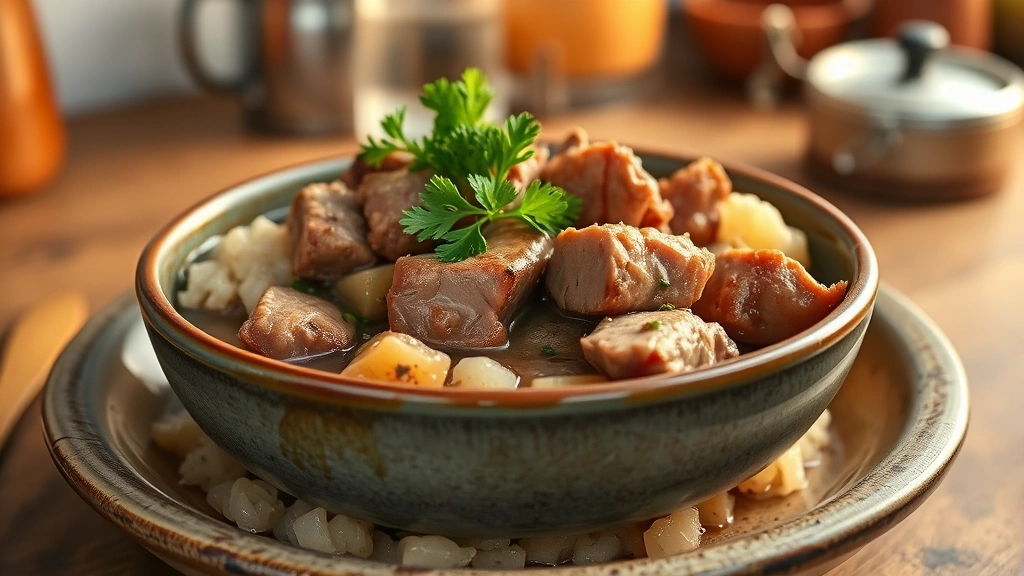
Pork and sauerkraut is a classic comfort food that brings together tender, flavorful pork with tangy, fermented cabbage for a dish that’s both hearty and satisfying. This traditional recipe has been cherished for generations, particularly in German and Eastern European cuisines, and for good reason. The combination of savory pork and the probiotic-rich sauerkraut creates a perfect balance of flavors that will have your family asking for seconds.
What makes this the BEST pork and sauerkraut recipe is the careful attention to technique and ingredient quality. We’re not just throwing everything into a pot and hoping for the best. Instead, we’re building layers of flavor by properly searing the pork, creating a rich base with aromatics, and allowing everything to braise together until the pork is fall-apart tender and the sauerkraut has absorbed all those delicious juices. The result is a restaurant-quality dish that tastes like you’ve been cooking all day, even though it comes together in just a couple of hours.
This recipe is perfect for weeknight dinners, meal prep, or even special occasions. It pairs beautifully with creamy mashed potatoes, crusty bread, or egg noodles. Plus, it’s naturally gluten-free if you use quality pork and sauerkraut, making it a versatile option for various dietary preferences. The best part? It actually tastes even better the next day, making it an ideal candidate for leftovers.
For more delicious comfort food inspiration, check out our Best Strawberry Cheesecake Cake Recipe and our Best Fruit Cocktail Cake Recipe for impressive desserts. If you’re looking for other savory mains, be sure to explore our Easy Heaven on Earth Cake Recipe for a unique twist on classic cooking.
When it comes to technique, I highly recommend checking out Serious Eats’ comprehensive guide to braising meat to understand the science behind why this cooking method works so beautifully. You might also find Bon Appétit’s braised pork shoulder recipe helpful for additional braising inspiration. For understanding fermented foods better, The New York Times’ take on pork and sauerkraut offers interesting perspectives on this classic dish.
Ingredients
- 3 pounds pork shoulder, cut into 2-inch chunks
- 2 tablespoons olive oil or bacon grease
- 1 large yellow onion, diced
- 4 cloves garlic, minced
- 32 ounces sauerkraut (about 4 cups), drained and rinsed
- 1 cup low-sodium chicken or vegetable broth
- 1 cup apple juice or apple cider
- 2 tablespoons Dijon mustard
- 1 tablespoon brown sugar
- 1 teaspoon caraway seeds
- 1 teaspoon dried thyme
- 4-5 whole cloves
- 2 bay leaves
- Salt and freshly ground black pepper to taste
- 1 tablespoon cornstarch (optional, for thickening)
- 2 tablespoons fresh parsley, chopped (for garnish)
- Crusty bread or mashed potatoes for serving

Instructions
- Pat the pork chunks dry with paper towels and season generously with salt and pepper on all sides. This step is crucial for proper browning and developing that delicious crust.
- Heat the olive oil or bacon grease in a large Dutch oven or heavy-bottomed pot over medium-high heat until it’s shimmering and hot.
- Working in batches to avoid overcrowding the pot, sear the pork chunks for 3-4 minutes per side until they develop a deep golden-brown crust. Don’t stir too much; let them sit in the pot to develop that beautiful caramelization.
- Remove the seared pork to a clean plate and set aside.
- Reduce the heat to medium and add the diced onion to the same pot, scraping up any browned bits stuck to the bottom (this is liquid gold for flavor).
- Cook the onion for 4-5 minutes, stirring occasionally, until it becomes soft and translucent.
- Add the minced garlic and cook for another 1-2 minutes until fragrant, stirring constantly to prevent burning.
- Return the seared pork to the pot, nestling it among the onions and garlic.
- Add the drained sauerkraut on top of the pork, spreading it out evenly.
- In a small bowl, whisk together the chicken broth, apple juice, Dijon mustard, and brown sugar until well combined.
- Pour the broth mixture over the sauerkraut and pork.
- Sprinkle the caraway seeds, dried thyme, whole cloves, and bay leaves over the top.
- Give everything a gentle stir to combine, making sure the pork is mostly submerged in the liquid.
- Bring the mixture to a simmer over medium heat, then reduce the heat to low, cover with the lid slightly ajar, and braise for 1 hour 30 minutes to 1 hour 45 minutes.
- The pork is done when it’s fork-tender and easily breaks apart. If it’s still tough, continue braising in 15-minute increments.
- Taste the braising liquid and adjust seasonings with additional salt and pepper as needed.
- If you prefer a thicker sauce, mix the cornstarch with 2 tablespoons of cold water to create a slurry, stir it into the pot, and simmer for another 2-3 minutes until the sauce thickens.
- Remove from heat and discard the bay leaves and whole cloves.
- Garnish with fresh parsley and serve hot with crusty bread, mashed potatoes, or egg noodles.
Pro Tips
Freezing Instructions: This dish freezes beautifully for up to 3 months. Allow it to cool completely, then transfer to freezer-safe containers. Thaw overnight in the refrigerator before reheating gently on the stovetop.
Pork Cut Options: While pork shoulder is ideal for this recipe due to its high fat content and collagen that breaks down into gelatin for a silky sauce, you can also use pork butt or even pork ribs. Bone-in cuts will add even more depth to the braising liquid.
Sauerkraut Selection: Choose a high-quality sauerkraut with live cultures for maximum probiotic benefits. Avoid canned varieties with added sugars and preservatives. Some people prefer rinsing the sauerkraut to reduce saltiness, while others leave it unsrinsed for more pronounced tanginess.
Caraway Seeds: These are essential for authentic flavor but can be replaced with fennel seeds if preferred. Some recipes skip them entirely if you or your family members dislike their distinct taste.
Apple Juice Substitution: If you don’t have apple juice, you can substitute with additional broth, dry white wine, or even apple cider vinegar (use less as it’s more acidic).
Mustard Varieties: Dijon mustard works best, but whole grain or spicy brown mustard can add interesting variations to the flavor profile.
Make-Ahead Tips: Prepare the pork and aromatics the night before, store in the refrigerator, and simply add to your pot in the morning for a true set-it-and-forget-it meal.
Serving Suggestions: Serve alongside buttered egg noodles, creamy mashed potatoes, or crusty rye bread. A dollop of sour cream on the side is traditional and delicious.
Beer Pairing: This dish pairs wonderfully with German lagers, pilsners, or even a light amber ale.
Dietary Modifications: Naturally gluten-free and paleo-friendly when served without bread or starchy sides. Suitable for low-carb diets when paired with cauliflower mash or zucchini noodles.