
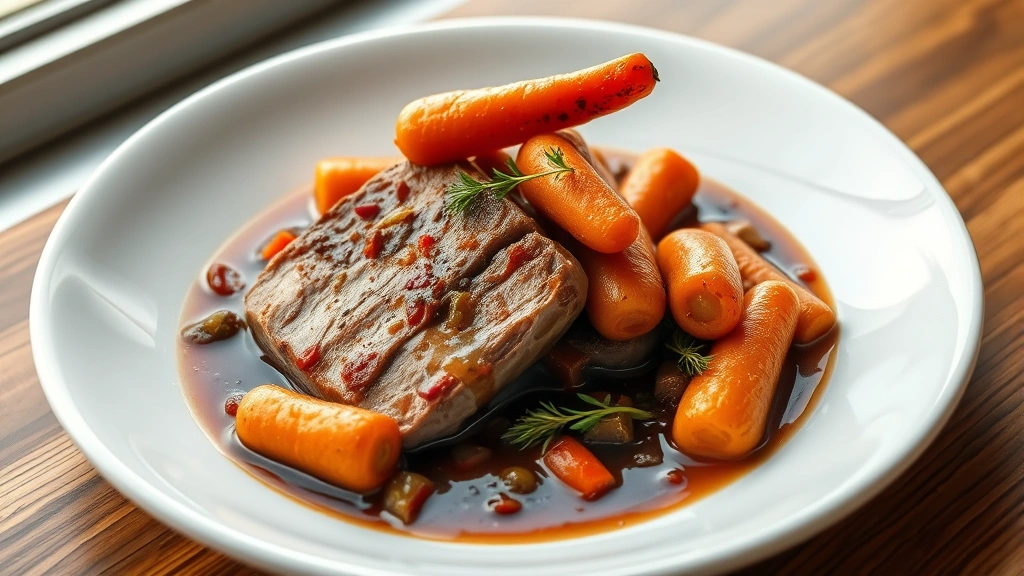
Pork jowl is one of those underrated cuts that deserves a place on your dinner table! This beautiful cut comes from the cheek area of the pig and is absolutely loaded with flavor and fat, making it perfect for slow cooking, braising, or even curing. When cooked low and slow, pork jowl becomes incredibly tender with a rich, porky depth that you simply cannot achieve with other cuts. The meat practically melts in your mouth, and the rendered fat creates the most delicious sauce for serving alongside your favorite sides.
I absolutely love working with pork jowl because it’s so versatile and honestly quite affordable compared to other premium cuts. You can braise it in red wine, cure it for guanciale, slow roast it until it’s falling apart, or even use it in traditional Italian preparations. The key to getting the best results is understanding that this cut requires patience and time to break down the connective tissue and develop those incredible flavors. Whether you’re planning a casual weeknight dinner or an impressive meal for guests, this pork jowl recipe will not disappoint.
The beauty of pork jowl is that it’s forgiving and hard to mess up, especially when you’re braising it. The high fat content means it won’t dry out, and the collagen breaks down into gelatin, creating a silky, luxurious sauce. I’ve included my favorite preparation method here, which involves searing the jowl to develop a beautiful crust, then braising it low and slow until it’s absolutely tender. Serve it with creamy polenta, buttered egg noodles, or alongside some simple vegetables like roasted root vegetables. You could even shred it and use it in tacos or sandwiches—the possibilities are endless! Once you try this recipe, you’ll understand why chefs and home cooks alike are falling in love with pork jowl.
For sides, consider pairing this with our Farfalle Pasta Salad Recipe for a lighter option, or go rich with Green Beans and Bacon Recipe. If you’re looking to expand your pork cooking repertoire, check out our Grilled Chicken Wings Recipe for more protein inspiration. For a complete Italian-inspired meal, you might enjoy our Creamy Chicken Alfredo Recipe and Vegan Coleslaw Recipe. This pork jowl recipe is truly special, and I can’t wait for you to experience how amazing it tastes. Check out Bon Appétit’s braised pork jowl guide for additional inspiration, or visit Serious Eats for guanciale preparation. You can also reference New York Times’ pork jowl recipe for professional techniques.
Ingredients
- 2-3 pounds pork jowl, cut into 2-inch chunks
- 2 tablespoons kosher salt, plus more to taste
- 1 tablespoon freshly ground black pepper
- 2 tablespoons olive oil
- 1 large yellow onion, roughly chopped
- 4 cloves garlic, minced
- 3 medium carrots, cut into 2-inch pieces
- 3 celery stalks, cut into 2-inch pieces
- 2 cups dry red wine (such as Pinot Noir or Burgundy)
- 4 cups beef or pork stock
- 2 bay leaves
- 4 fresh thyme sprigs
- 2 fresh rosemary sprigs
- 1 tablespoon tomato paste
- 1 tablespoon balsamic vinegar
- 2 tablespoons cornstarch (optional, for thickening)
- 3 tablespoons cold butter, cut into pieces
- Fresh parsley for garnish
- Fleur de sel for finishing
Instructions
- Pat the pork jowl pieces completely dry with paper towels. This step is crucial for achieving a beautiful, caramelized crust during searing. Season the meat generously on all sides with kosher salt and freshly ground black pepper.
- Heat olive oil in a large, heavy-bottomed Dutch oven or braising pot over medium-high heat until it shimmers and is just beginning to smoke.
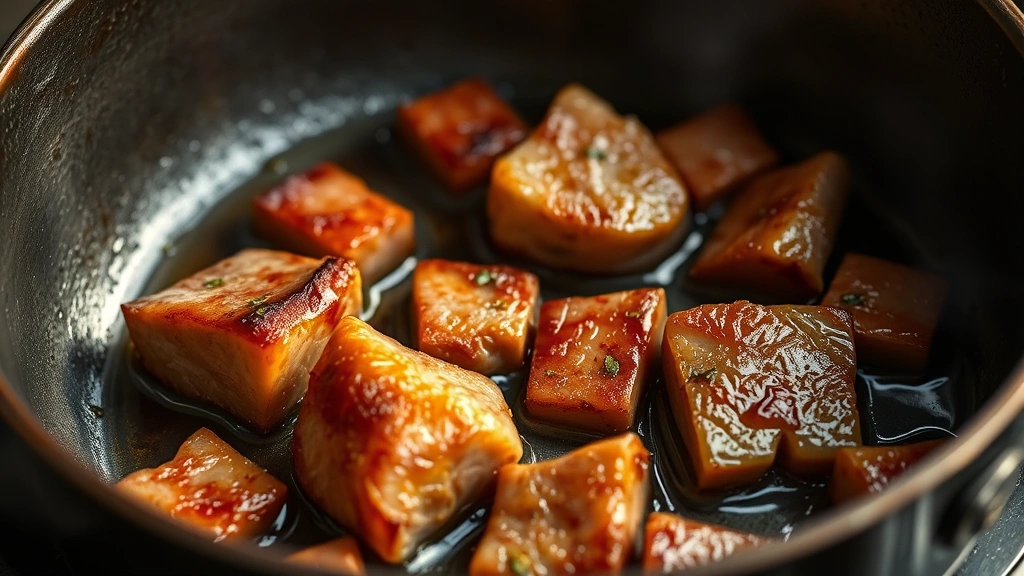
- Working in batches to avoid overcrowding the pan, carefully place the seasoned pork jowl pieces into the hot oil. Let them sear undisturbed for 3-4 minutes on the first side until a deep golden-brown crust forms.
- Flip each piece and sear for another 3-4 minutes on the second side. Transfer the seared meat to a clean plate and set aside. Repeat with remaining pork jowl pieces.
- Reduce heat to medium and add the chopped onion, carrot, and celery to the pot. Scrape up any browned bits from the bottom of the pan with a wooden spoon—these flavorful bits are liquid gold and will add incredible depth to your sauce.
- Cook the vegetables for about 5-7 minutes, stirring occasionally, until they begin to soften and caramelize slightly.
- Add the minced garlic and tomato paste to the vegetables, stirring constantly for about 1-2 minutes until fragrant.
- Pour in the red wine, using a wooden spoon to deglaze the bottom of the pot and incorporate all the flavorful browned bits. Let the wine simmer for about 2-3 minutes to reduce slightly and cook off some of the alcohol.
- Return the seared pork jowl pieces to the pot, nestling them among the vegetables. Pour in the beef or pork stock until the meat is just barely covered—you may not need all of it.
- Add the bay leaves, thyme sprigs, and rosemary sprigs to the pot. Stir in the balsamic vinegar.
- Increase heat to bring the liquid to a gentle boil, then immediately reduce heat to low. Cover the pot with a lid and transfer to a preheated 325°F oven.
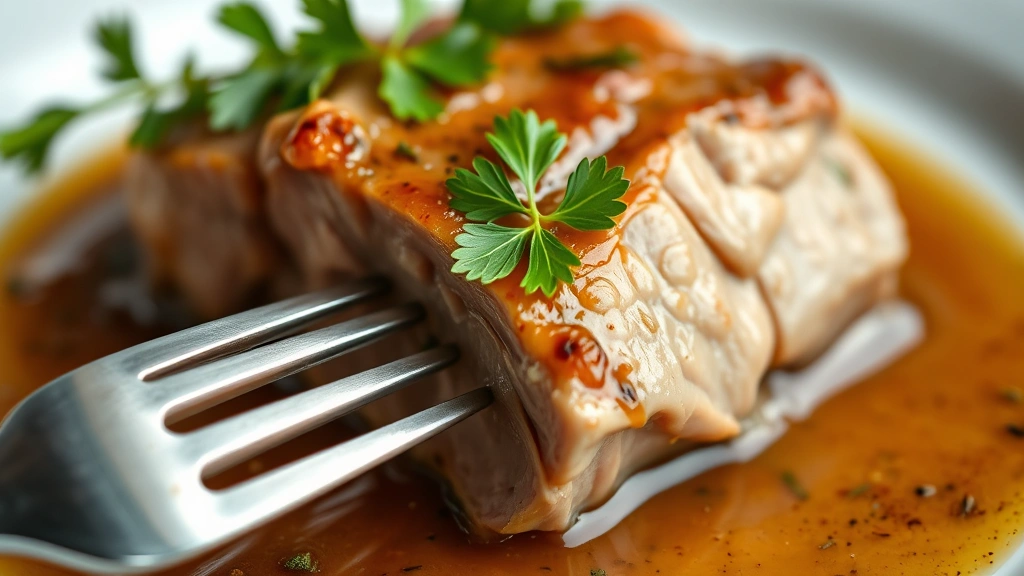
- Braise for 2.5 to 3 hours, checking occasionally to ensure the liquid maintains a gentle simmer. The meat is done when it’s fork-tender and easily falls apart when pierced.
- Remove the pot from the oven and transfer the cooked pork jowl pieces to a serving platter using a slotted spoon. Tent loosely with foil to keep warm.
- Strain the braising liquid through a fine-mesh sieve into a saucepan, pressing gently on the solids to extract all the flavorful juices. Discard the solids.
- If you prefer a thicker sauce, whisk the cornstarch with 2 tablespoons of cold water to create a slurry, then stir it into the strained liquid over medium heat until thickened, about 2-3 minutes.
- Remove the sauce from heat and whisk in the cold butter pieces, one at a time, until the sauce is silky and glossy. This technique, called mounting with butter, enriches the sauce and gives it a beautiful sheen.
- Taste the sauce and adjust seasoning with additional salt and pepper as needed.
- Pour the sauce over the pork jowl pieces and garnish with fresh parsley and a sprinkle of fleur de sel before serving.
Pro Tips
Make-Ahead Instructions: This dish is actually better when made a day or two ahead! The flavors develop and meld beautifully, and the fat solidifies on top, making it easy to remove excess fat if desired. Simply cool completely, cover, and refrigerate. Reheat gently on the stovetop over low heat or in a 300°F oven.
Wine Selection: Choose a wine you actually enjoy drinking. The wine reduces during cooking and concentrates in flavor, so poor quality wine will result in an inferior sauce. A good Pinot Noir, Burgundy, or even a hearty Côtes du Rhône works beautifully.
Stock Matters: Using homemade or quality store-bought stock makes a tremendous difference. Avoid low-sodium stock as you’ll need the body and flavor for this braise.
Braising Liquid Variations: Feel free to substitute the red wine with white wine, apple cider, or even beer depending on your preference. Each liquid creates a different flavor profile—white wine is lighter and more delicate, while apple cider adds subtle sweetness.
Tenderness Testing: The meat is properly braised when a fork easily pierces it and it falls apart effortlessly. If it’s still firm after 2.5 hours, continue braising in 30-minute increments.
Serving Suggestions: This pork jowl is wonderful served over creamy polenta, buttered egg noodles, mashed potatoes, or crusty bread. It’s also delicious served with braised greens, roasted root vegetables, or simple sautéed mushrooms.
Leftover Ideas: Shred any leftover pork jowl and use it in sandwiches, tacos, pasta dishes, or grain bowls. The braising liquid becomes an incredible sauce for any of these applications.
Freezer Storage: This dish freezes beautifully for up to three months. Cool completely, place in freezer-safe containers, and thaw overnight in the refrigerator before reheating.
Garlic Technique: Rather than adding all the garlic at once, you could reserve some fresh minced garlic to stir in at the end for a brighter, fresher garlic note.