
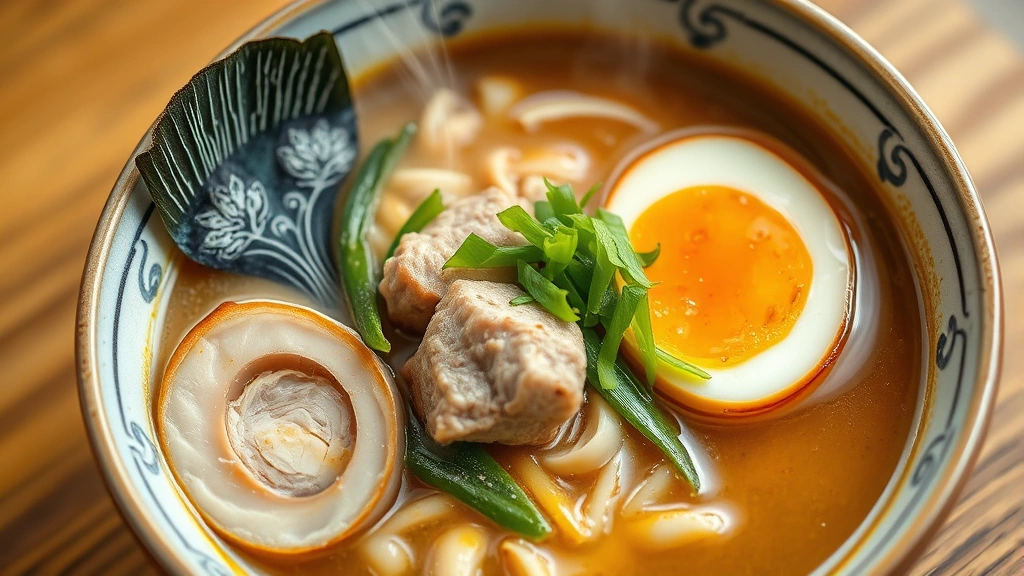
There’s something absolutely magical about a steaming bowl of homemade pork ramen that just makes everything better. This isn’t the quick packet ramen from your college days—this is the real deal, with a rich, deeply flavored broth that simmers for hours and tender pork that melts on your tongue. I’m so excited to share my favorite pork ramen recipe with you because once you master this, you’ll never want takeout again!
The secret to the BEST pork ramen lies in three essential components: an incredible broth, perfectly cooked pork, and quality noodles. The broth is where the magic happens—we’re talking about simmering pork bones, aromatics, and spices together to create something that tastes like you’ve been cooking all day. When you combine this with tender chashu pork (that’s the sliced pork topping), soft-boiled eggs, fresh vegetables, and springy noodles, you’ve got yourself a restaurant-quality bowl right in your own kitchen.
I love making this recipe because it’s actually more approachable than you might think. Yes, it requires some time, but most of that is hands-off simmering while you go about your day. The active cooking time is surprisingly minimal, and the payoff is absolutely worth it. Whether you’re a ramen enthusiast or just looking to impress your family with an impressive homemade meal, this pork ramen recipe will absolutely deliver. Plus, you can customize every element to your liking—adjust the spice level, add extra toppings, or make it vegetarian-friendly.
Let me walk you through this step-by-step so you can create restaurant-quality pork ramen at home. You’ll find that once you understand the basic technique, you can experiment with different variations. Check out my Simple Giniling Recipe for another protein-forward dish that’s equally impressive. I’ve also got great Best Pineapple Coleslaw Recipe that makes an excellent fresh side to balance the richness of ramen.
The beauty of homemade ramen is that you can make the broth ahead of time, which makes weeknight meals so much easier. I often prepare my broth on a weekend and freeze it in portions, then just reheat and assemble when I’m ready to eat. For more inspiration on building layers of flavor, check out Serious Eats, which has excellent resources on ramen-making techniques.
One of my favorite things about this recipe is how forgiving it is. The pork stays tender even if you cook it a bit longer, and you can easily adjust the broth seasoning to your preference. If you’re looking for other satisfying noodle dishes, my Best Corn Dip Recipe can serve as an appetizer before your ramen dinner. For additional ramen inspiration and techniques, Bon Appétit has wonderful step-by-step guides.
So grab your ingredients and let’s make the best pork ramen recipe together! This is a dish that brings so much joy, and I absolutely cannot wait for you to taste it.
Ingredients
- 2 pounds pork shoulder or pork belly, cut into 3-4 inch chunks
- 2 pounds pork bones (optional but recommended for broth)
- 1 large onion, halved
- 6 cloves garlic, smashed
- 3-inch piece fresh ginger, sliced
- 2 dried shiitake mushrooms
- 2 star anise
- 1 cinnamon stick
- 4 dried red chilies (adjust to taste)
- 2 tablespoons soy sauce
- 1 tablespoon mirin
- 1 tablespoon sake
- 10 cups water
- 2 tablespoons vegetable oil
- Sea salt to taste
- 1 pound fresh ramen noodles (or dried, if fresh unavailable)
- 4 large eggs
- 2 cups baby bok choy
- 1 cup bamboo shoots, sliced
- 4 green onions, sliced
- 1 sheet nori seaweed, cut into strips
- Sesame oil for drizzling
- Sesame seeds for garnish
Instructions
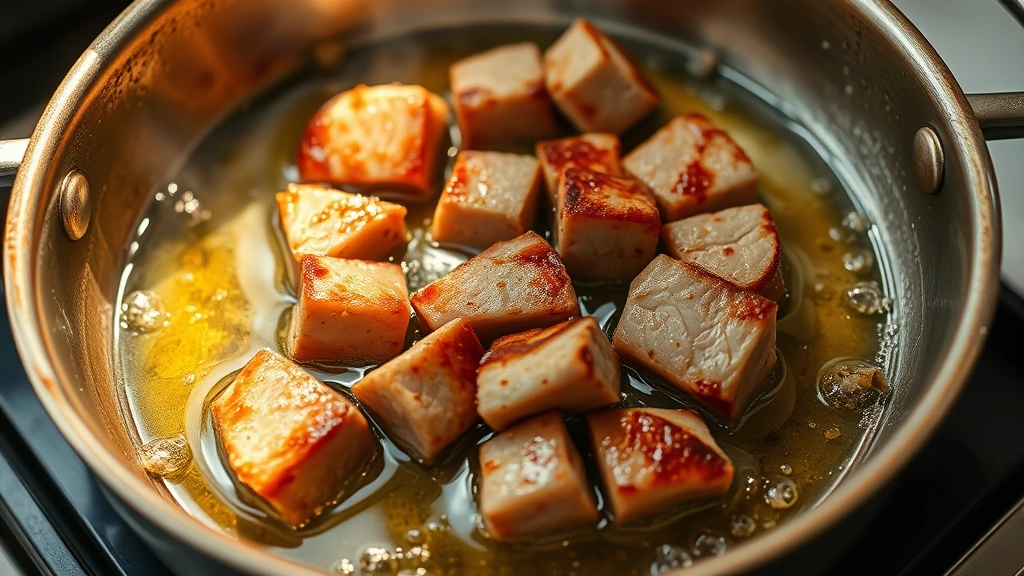
- Prepare the pork by patting it dry with paper towels. This helps achieve better browning. Heat 2 tablespoons of vegetable oil in a large pot or Dutch oven over medium-high heat until it shimmers.
- Working in batches to avoid overcrowding, add the pork chunks and sear on all sides until deeply browned, about 2-3 minutes per side. This takes about 10-12 minutes total. Transfer the browned pork to a plate and set aside.
- In the same pot, add the halved onion (cut-side down) and char for 2-3 minutes until caramelized. Add the smashed garlic cloves and sliced ginger, stirring constantly for about 1 minute until fragrant.
- Pour in the 10 cups of water, scraping the bottom of the pot with a wooden spoon to release all those delicious browned bits. Add the pork bones (if using), seared pork chunks, dried shiitake mushrooms, star anise, cinnamon stick, and dried red chilies.
- Bring the broth to a boil, then immediately reduce the heat to low. Skim off any foam or impurities that rise to the surface during the first few minutes. This creates a clearer, more refined broth.
- Add the soy sauce, mirin, and sake to the pot. Partially cover with a lid and let simmer gently for 3-4 hours. The longer you simmer, the richer and more developed the flavor will be. Stir occasionally and taste as you go.
- About 30 minutes before you want to serve the ramen, prepare your soft-boiled eggs. Bring a pot of water to a boil and gently lower room-temperature eggs into the water. Boil for exactly 6-7 minutes for a jammy yolk (6 minutes for runny, 7 for just set).
- Remove the eggs with a slotted spoon and immediately transfer to an ice bath to stop the cooking process. Once cooled, gently peel under cool running water, starting from the wider end. Cut each egg in half and set aside.
- Strain the finished broth through a fine-mesh sieve lined with cheesecloth into a clean pot, discarding the solids. Taste and adjust seasoning with additional soy sauce and salt as needed. Keep the broth hot over low heat.
- Shred or slice the cooked pork from the broth into bite-sized pieces. You can serve the pork warm by placing it back in the hot broth or warming it separately in a small amount of broth just before serving.
- Bring a large pot of salted water to a rolling boil. Cook the fresh ramen noodles according to package directions (usually 3-4 minutes for fresh noodles). Drain well in a colander and divide among four serving bowls.
- Blanch the baby bok choy in the same boiling water for about 2 minutes until tender-crisp, then drain and divide among the bowls.
- Ladle the hot pork broth over the noodles in each bowl, using about 2-2.5 cups of broth per serving. Arrange the shredded pork, bamboo shoots, and soft-boiled egg halves on top of each bowl.
- Garnish generously with sliced green onions, nori strips, a light drizzle of sesame oil, and a sprinkle of sesame seeds.
- Serve immediately while everything is hot, with small bowls of extra toppings and condiments on the side so guests can customize their own bowls.

Pro Tips
+ Noodle options: Fresh ramen noodles give the best texture and cook quickly, but dried ramen noodles work wonderfully too. Just follow the package directions, which usually require 4-5 minutes of cooking time.
+ Protein variations: This recipe works beautifully with chicken, beef, or a combination of proteins. You can also make this vegetarian by using vegetable broth and adding mushrooms, tofu, or extra vegetables for substance.
+ Broth depth: Don’t skip the searing step—it creates the Maillard reaction that gives your broth incredible depth and flavor. This is what separates good ramen from great ramen.
+ Spice level: Adjust the dried chilies to your preference. Start with 2 and add more if you like it spicier, or remove them entirely for a milder version.
+ Topping ideas: Soft-boiled eggs, pickled ginger, crispy fried onions, white miso paste, chili oil, or a poached egg all make excellent additions.
+ Equipment: A large pot or Dutch oven works best for this recipe. Cast iron or enameled Dutch ovens distribute heat evenly and are ideal for long simmering.
+ Storing leftovers: Store broth and cooked pork separately in airtight containers for up to 4 days. Reheat gently over medium heat before serving. Cook fresh noodles and vegetables fresh for each serving.
+ Customization: This is your bowl! Add extra vegetables, adjust the broth intensity, or use your favorite proteins. The basic technique remains the same.
+ Restaurant-quality secret: Let the broth cool slightly before serving and taste one more time for seasoning. A final sprinkle of quality sea salt right before eating enhances all the flavors.
Pingback: Chai Tea Concentrate Recipe: Easy Homemade Method - Simple Recipe Finder
Pingback: Easy Asian Recipes: 15 Quick & Authentic Dishes - Simple Recipe Finder