
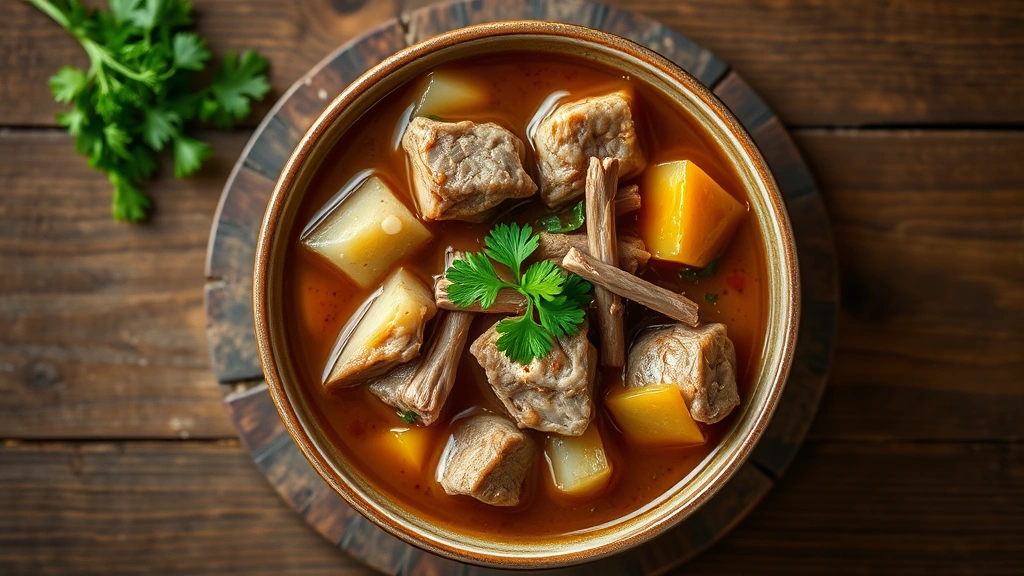
There’s nothing quite like a steaming bowl of homemade pork stew on a chilly evening. This pork stew meat recipe is absolutely foolproof and comes together in just over an hour, making it perfect for weeknight dinners or meal prep. The key to the most tender, flavorful pork stew is choosing the right cut of meat and giving it plenty of time to braise in a rich, savory broth.
When it comes to pork stew meat recipes, many home cooks are intimidated by the process, but I promise you this one is so simple. The beauty of this dish lies in its humble ingredients and straightforward technique. We’re using pork shoulder, which becomes incredibly tender when braised low and slow, creating that melt-in-your-mouth texture that makes stew so comforting.
I love how customizable this recipe is. You can add your favorite vegetables, adjust the seasonings to your preference, and even make it in a slow cooker if you’re short on time. Whether you’re feeding a family of four or prepping meals for the week, this pork stew meat recipe scales beautifully. The rich, deeply flavored broth develops as the pork cooks, and the vegetables add natural sweetness and texture.
This recipe is inspired by classic comfort food traditions but simplified for the modern kitchen. No complicated techniques or hard-to-find ingredients here—just quality pork, fresh vegetables, and time. I like to serve this with crusty bread for soaking up every last drop of that delicious broth, though it’s equally wonderful over rice or egg noodles.
What makes this the best pork stew meat recipe is the balance of flavors and the tender texture of the meat. The combination of beef broth, red wine, and aromatic vegetables creates a deeply satisfying dish that tastes like you spent all day in the kitchen. For more inspiration on comfort food classics, check out The Best French Toast Recipe for another timeless favorite.
I’ve tested this pork stew meat recipe dozens of times, and it never disappoints. The secret is not rushing the browning step—those caramelized bits on the bottom of the pot add incredible depth of flavor. You can also make this ahead and reheat it, which actually improves the flavors. This is one of those recipes that tastes even better the next day.
For additional guidance on cooking techniques, Serious Eats offers excellent tips on meat preparation and braising methods. If you’re looking for more hearty stew variations, Bon Appétit has wonderful seasonal stew recipes. You might also enjoy The Best Brioche French Toast Recipe for another breakfast or brunch option.
This pork stew meat recipe is destined to become a staple in your rotation. It’s the kind of dish that fills your kitchen with amazing aromas while it cooks and brings everyone to the table eagerly. Whether you’re an experienced home cook or just starting out, you’ll find this recipe approachable and rewarding. The satisfaction of serving a homemade stew is unmatched, and your family will thank you for it.
I recommend making a double batch so you have leftovers for lunch the next day. This stew actually freezes beautifully, making it perfect for meal prep. Simply store it in airtight containers and it will keep for up to three months in the freezer. When you’re ready to enjoy it, just thaw overnight in the refrigerator and reheat gently on the stovetop.
For more comfort food inspiration, check out The Best Hot Fudge Sauce Recipe for a decadent dessert topping. You can also explore New York Times Cooking for additional stew recipes and variations. This pork stew meat recipe is truly one of the most versatile and satisfying dishes you can make at home.
Ingredients
- 3 pounds pork shoulder, cut into 1.5-inch cubes
- 3 tablespoons olive oil
- 1 teaspoon salt
- 1/2 teaspoon black pepper
- 3 tablespoons all-purpose flour
- 1 large onion, chopped
- 4 cloves garlic, minced
- 3 carrots, sliced into 1-inch pieces
- 3 celery stalks, sliced into 1-inch pieces
- 4 cups beef broth
- 1 cup red wine (or additional beef broth)
- 2 tablespoons tomato paste
- 2 bay leaves
- 1 teaspoon dried thyme
- 1 teaspoon dried rosemary
- 4 medium potatoes, cut into 1-inch cubes
- 1 cup mushrooms, halved (optional)
- 2 tablespoons fresh parsley, chopped
- 1 tablespoon Worcestershire sauce
- 1/2 teaspoon paprika

Instructions
- Pat the pork shoulder cubes dry with paper towels. This step is crucial for achieving a good sear and developing flavor through the Maillard reaction.
- In a small bowl, combine the flour, salt, pepper, and paprika. Toss the pork cubes in this flour mixture until evenly coated, shaking off any excess.
- Heat the olive oil in a large Dutch oven or heavy-bottomed pot over medium-high heat until it shimmers.
- Working in batches to avoid overcrowding the pot, brown the pork cubes on all sides, about 2-3 minutes per side. Transfer the browned meat to a plate and set aside.
- Reduce the heat to medium and add the chopped onion to the pot. Sauté for 3-4 minutes until softened and translucent.
- Add the minced garlic and cook for an additional 1 minute, stirring constantly to prevent burning.
- Stir in the tomato paste and cook for 2 minutes, allowing it to caramelize slightly and deepen in color.
- Pour in the red wine, scraping up any browned bits from the bottom of the pot with a wooden spoon. These flavorful bits are essential to building depth.
- Return the browned pork to the pot along with any accumulated juices.
- Add the beef broth, bay leaves, thyme, rosemary, and Worcestershire sauce. Stir well to combine all ingredients.
- Bring the mixture to a boil, then reduce the heat to low and cover with a lid. Simmer gently for 30 minutes.
- Add the carrots, celery, and potatoes to the pot. If using mushrooms, add them now as well.
- Cover and continue simmering for another 45-60 minutes, stirring occasionally, until the pork is very tender and the vegetables are cooked through.
- Taste the stew and adjust seasoning with additional salt and pepper as needed. Remove and discard the bay leaves.
- Stir in the fresh parsley just before serving for a bright, fresh flavor element.
- Ladle the stew into bowls and serve hot with crusty bread, over rice, or with egg noodles for a complete meal.
Pro Tips
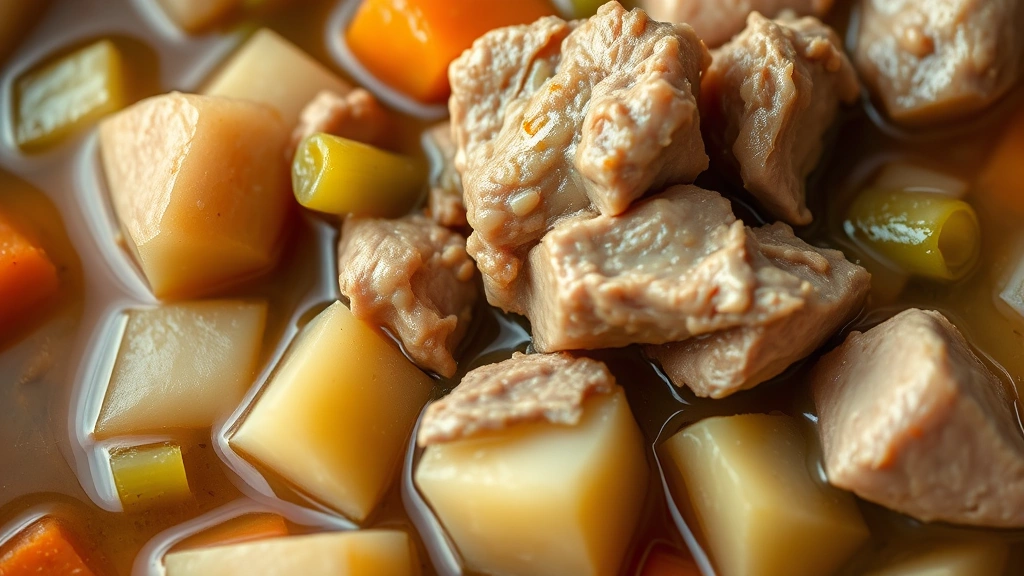
- Choosing the right cut of pork is essential for this recipe. Pork shoulder, also called pork butt, has enough fat and connective tissue that breaks down during cooking, resulting in incredibly tender meat. Avoid lean cuts like pork loin, which will become dry and tough.
- Don’t skip the browning step. Taking time to properly sear the pork develops a flavorful crust and creates depth through caramelization. This is what transforms an ordinary stew into an extraordinary one.
- The flour coating serves two purposes: it helps brown the meat and acts as a thickening agent for the broth. If you prefer a thinner stew, reduce the flour to 2 tablespoons or omit it entirely and thicken with a cornstarch slurry at the end.
- Red wine adds complexity and richness to the stew. If you prefer not to use alcohol, substitute with additional beef broth and add an extra tablespoon of Worcestershire sauce for depth.
- For a slow cooker version, brown the pork and sauté the aromatics on the stovetop, then transfer everything to a slow cooker with the broth and seasonings. Cook on low for 6-8 hours or high for 3-4 hours, adding vegetables during the last hour of cooking.
- Russet potatoes work best in this recipe as they hold their shape well during the long cooking time. Waxy potatoes may become too soft.
- This stew tastes even better the next day as the flavors continue to develop. Store leftovers in an airtight container in the refrigerator for up to 4 days.
- Freeze this stew for up to 3 months in airtight containers or freezer bags. Thaw overnight in the refrigerator before reheating on the stovetop over medium-low heat until warmed through.
- Customize this recipe with your favorite vegetables. Bell peppers, green beans, peas, or parsnips all work wonderfully. Add hearty vegetables early and tender vegetables toward the end of cooking.
- For a creamier stew, stir in 1/2 cup heavy cream or sour cream at the end of cooking. This creates a richer, more luxurious version.
- Fresh herbs make a significant difference in the final flavor. If you have fresh thyme or rosemary, use 1 tablespoon of fresh herbs instead of 1 teaspoon of dried.