
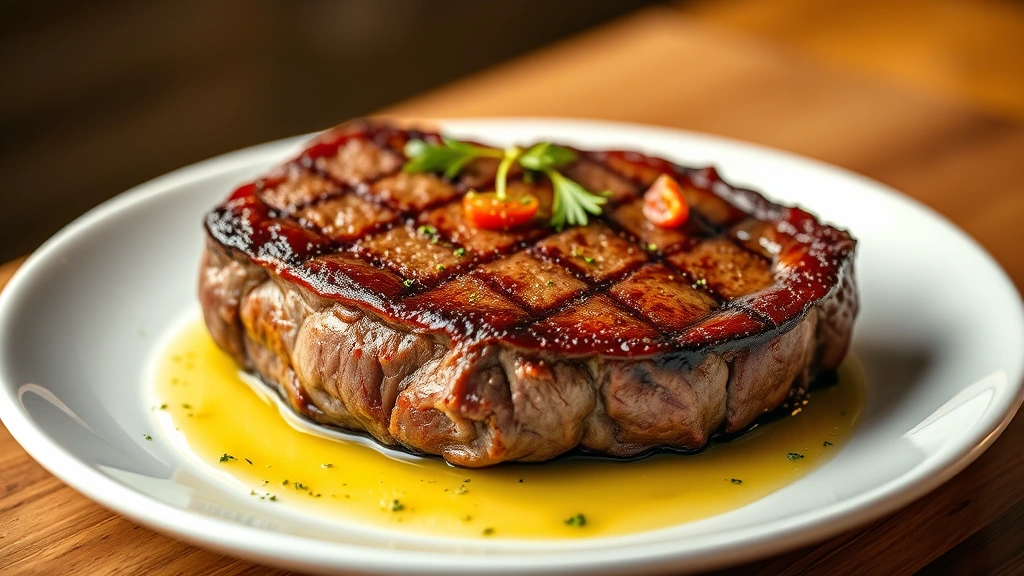
A porterhouse steak is the ultimate showstopper for any special dinner, and learning how to cook it perfectly at home is easier than you might think. This magnificent cut combines two steaks in one—the tender filet mignon on one side of the bone and the flavorful New York strip on the other—making it an absolute dream for steak lovers everywhere.
The key to achieving that restaurant-quality crust and perfectly pink center lies in a few essential techniques: choosing the right cut, bringing it to room temperature, seasoning generously, and using high heat to develop that coveted Maillard reaction. Whether you’re cooking for a special occasion or just treating yourself to an exceptional meal, this porterhouse steak recipe will deliver impressive results that’ll have your guests asking for your secret.
What I love most about porterhouse steaks is their inherent drama and elegance. The bone adds visual appeal and helps conduct heat evenly throughout the meat, while the two distinct muscle groups mean you get variety in every bite. The strip side offers bold, beefy flavor, while the filet provides delicate tenderness. It’s truly the best of both worlds on a single plate.
I’ve perfected this recipe through countless dinner parties and weeknight celebrations, and I’m thrilled to share my method with you. The beauty of cooking a porterhouse lies in its forgiving nature—this cut is naturally marbled with fat, which means it’s nearly impossible to dry out if you follow a few simple guidelines. With proper preparation and attention to temperature, you’ll create a steakhouse-quality meal right in your own kitchen that rivals any fine dining establishment.
Serving your porterhouse with complementary sides elevates the entire experience. Consider pairing it with Best Green Bean and Bacon Recipe for a classic steakhouse vegetable, or add brightness to your plate with Perfect Pickled Red Onions Recipe. For a lighter refreshing option, Easy Cantaloupe Salad Recipe provides the perfect palate cleanser between bites. And if you’re planning a full menu, don’t forget dessert—Perfect Lemon Cheesecake Recipe makes an elegant finish to your special meal.
Ingredients
- 2 porterhouse steaks, 1.5 to 2 inches thick (about 24 ounces each)
- 3 tablespoons kosher salt
- 2 tablespoons freshly ground black pepper
- 2 tablespoons garlic powder
- 1 tablespoon onion powder
- 2 tablespoons fresh thyme leaves, finely chopped
- 3 tablespoons butter, divided
- 4 cloves garlic, smashed
- 3-4 fresh rosemary sprigs
- 2 tablespoons high-heat cooking oil (avocado or vegetable)
- Sea salt flakes for finishing
Instructions
- Remove your porterhouse steaks from the refrigerator 45 minutes to 1 hour before cooking. This is absolutely crucial—steaks that are closer to room temperature will cook more evenly throughout, ensuring a beautiful crust on the outside while maintaining a perfectly pink center. Pat them completely dry with paper towels; moisture is the enemy of a good crust.
- While the steaks are coming to temperature, combine your kosher salt, ground black pepper, garlic powder, onion powder, and fresh thyme in a small bowl. This seasoning blend is what transforms a good steak into an exceptional one, so don’t skimp on the salt.
- Generously season both sides of each porterhouse steak with your seasoning mixture about 15 minutes before cooking. The salt will begin to dissolve slightly into the meat, creating a flavorful crust rather than sitting on top. This technique is favored by professional chefs everywhere.
- Place a cast iron skillet or heavy-bottomed stainless steel pan over high heat for 3-4 minutes. You want the pan smoking hot—this is non-negotiable for achieving that restaurant-quality crust. Test the heat by holding your hand 4 inches above the pan; you should only be able to count to 2 before it’s too hot.
- Add your high-heat cooking oil to the smoking pan, swirling to coat evenly. The oil should shimmer and almost smoke immediately. This indicates perfect readiness for searing.
- Carefully place both porterhouse steaks into the pan, positioning them away from you to avoid splattering. Resist the urge to move them—let them sit undisturbed for 4-5 minutes to develop that gorgeous golden-brown crust. Movement disrupts crust formation, so patience is your friend here.
- Flip the steaks and sear the other side for another 4-5 minutes. You should see a beautiful caramelized crust forming on both sides. This Maillard reaction is what creates those complex, savory flavors that define a perfect steak.
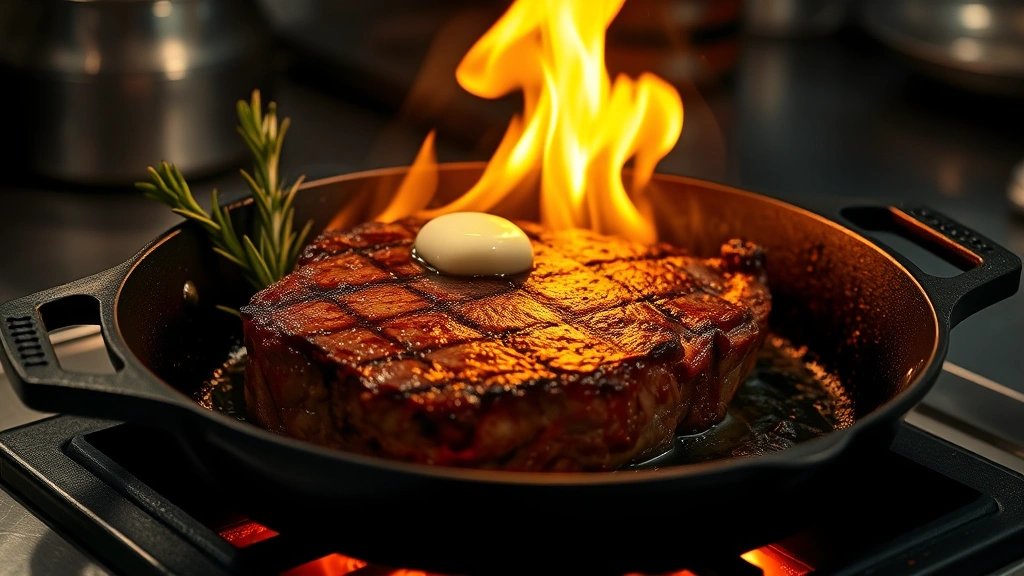
- Reduce heat to medium and add 1.5 tablespoons butter, your smashed garlic cloves, and fresh rosemary sprigs to the pan. Tilt the pan slightly so the melted butter pools to one side, then use a large spoon to continuously baste the steaks with this aromatic butter for the next 3-4 minutes.
- Check the internal temperature using an instant-read meat thermometer inserted into the thickest part of the meat, away from the bone. For rare, aim for 125°F; medium-rare (the recommended doneness for premium cuts like porterhouse) is 130-135°F; medium is 140°F. Remember that the temperature will rise 5 degrees during resting.
- Transfer the steaks to a warm cutting board and top each with a small pat of butter (about 1 teaspoon per steak). Let them rest for 5-10 minutes—this is absolutely essential. During resting, the muscle fibers relax and reabsorb the juices, ensuring every bite is incredibly tender and juicy.
- Finish with a sprinkle of sea salt flakes and serve immediately while still warm, with any pan juices drizzled over the top.

Pro Tips
Cast iron skillets are ideal for cooking porterhouse steaks because they retain and distribute heat exceptionally well, promoting even cooking and beautiful crust development. However, high-quality stainless steel pans work beautifully too. Avoid non-stick cookware for this application, as it typically cannot achieve the high temperatures necessary for proper searing.
Don’t skip the resting period. Many home cooks rush this step, but it’s absolutely critical for achieving the best results. During rest, the residual heat continues gently cooking the interior while the muscle fibers relax, allowing juices to redistribute throughout the meat. Skipping this step results in meat that appears juicy on the cutting board but dry on the plate.
For medium-rare perfection, pull your steaks at 130-135°F internally. This is the sweet spot for porterhouse steaks, offering a warm pink center with a touch of red, maximum tenderness, and optimal flavor development. Temperature is personal preference, but remember that premium cuts like porterhouse truly shine when not cooked beyond medium-rare.
Butter basting during the final minutes of cooking adds incredible flavor and helps ensure even cooking, particularly for the filet side, which is smaller and cooks faster than the strip side. The aromatic butter infused with garlic and rosemary also makes for a beautiful finishing sauce.
If you prefer your steaks finished in the oven, sear them 2-3 minutes per side in the skillet, then transfer the entire pan to a preheated 400°F oven for 4-6 minutes, depending on desired doneness and thickness. This method provides more even cooking throughout the meat.
Leftover porterhouse steak makes wonderful sandwiches or salads the next day. Slice against the grain and serve on crusty bread with horseradish cream, or top a bed of arugula with thin slices and shaved Parmigiano-Reggiano.
For the best results, source dry-aged or well-marbled steaks. The fat content is your friend—it conducts heat evenly and bastes the meat from the inside during cooking. Prime-grade steaks offer superior marbling compared to Choice grade.
Seasoning timing matters greatly. Adding salt too far in advance can draw out moisture, while seasoning just before cooking won’t penetrate the meat sufficiently. The 15-minute window strikes the perfect balance.