
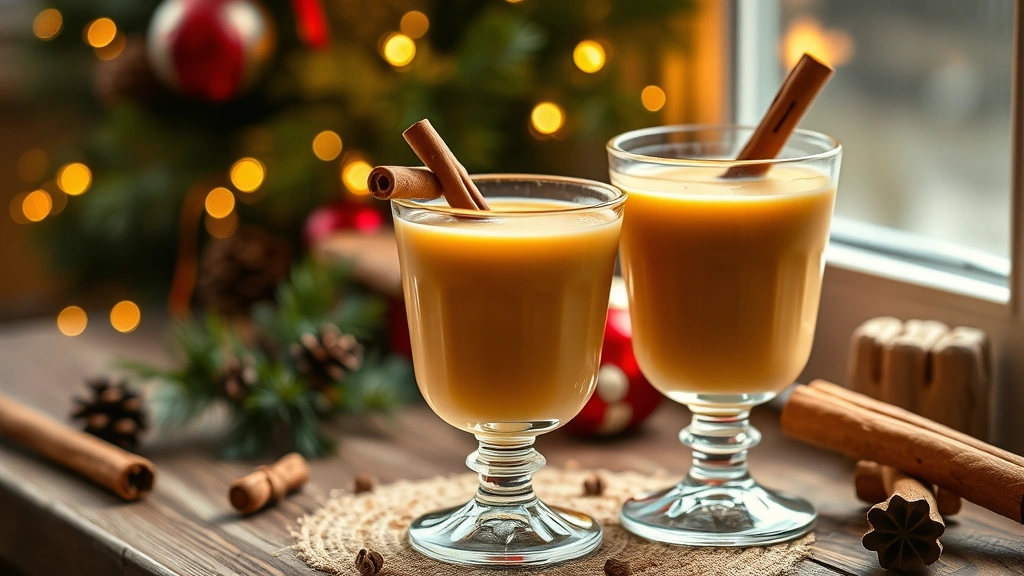
Puerto Rican Coquito is a rich, creamy holiday tradition that rivals eggnog in flavor and elegance. This luxurious coconut-based cocktail blends aged rum, fresh coconut milk, evaporated milk, and warm spices into pure liquid gold. Perfect for Christmas celebrations and winter gatherings, homemade coquito is surprisingly simple to make and tastes infinitely better than store-bought versions.
Traditionally served in small glasses as an after-dinner digestif, coquito brings the warmth of Puerto Rico to your holiday table. The combination of cinnamon, nutmeg, cloves, and vanilla creates an aromatic symphony that fills your home with festive cheer. What makes this recipe special is the balance between richness and drinkability—it’s decadent without being heavy, and the rum adds a sophisticated kick that makes it perfect for adult celebrations.
This version stays true to authentic Puerto Rican traditions while ensuring foolproof results every time. The key to exceptional coquito lies in quality ingredients and proper blending, which creates that signature silky texture. Whether you’re hosting a holiday party or giving this as a homemade gift, understanding how to properly emulsify creamy ingredients will help you achieve the perfect consistency.
Many home cooks wonder about the best way to combine raw eggs safely in coquito. The good news is that this recipe uses pasteurized eggs, making it safe for everyone to enjoy. For additional inspiration on rich, creamy recipes, check out this delicious heavy cream pasta recipe and our quick tasty bacon carbonara recipe for similar techniques in emulsification.
Let’s explore the components that make coquito truly special. The star of this drink is the combination of fresh coconut milk and evaporated milk, which creates an incredibly smooth base. Adding aged rum—typically Puerto Rican rum—gives coquito its authentic character and warmth. The spices are essential: cinnamon sticks provide earthiness, nutmeg adds warmth, cloves contribute complexity, and vanilla extract ties everything together beautifully.
One of the best parts about making coquito at home is customizing it to your preferences. Some families prefer their coquito thicker and more dessert-like, while others enjoy a lighter version. You can adjust the consistency by using less or more evaporated milk, and you can intensify the rum flavor by adding an extra splash of your favorite aged spirit. The recipe below serves about 12-15 people in traditional small glasses, making it perfect for holiday gatherings.
For more holiday entertaining ideas and complementary recipes, explore our easy chicken alfredo recipe and best chickpea salad recipe for pairing with your coquito service.
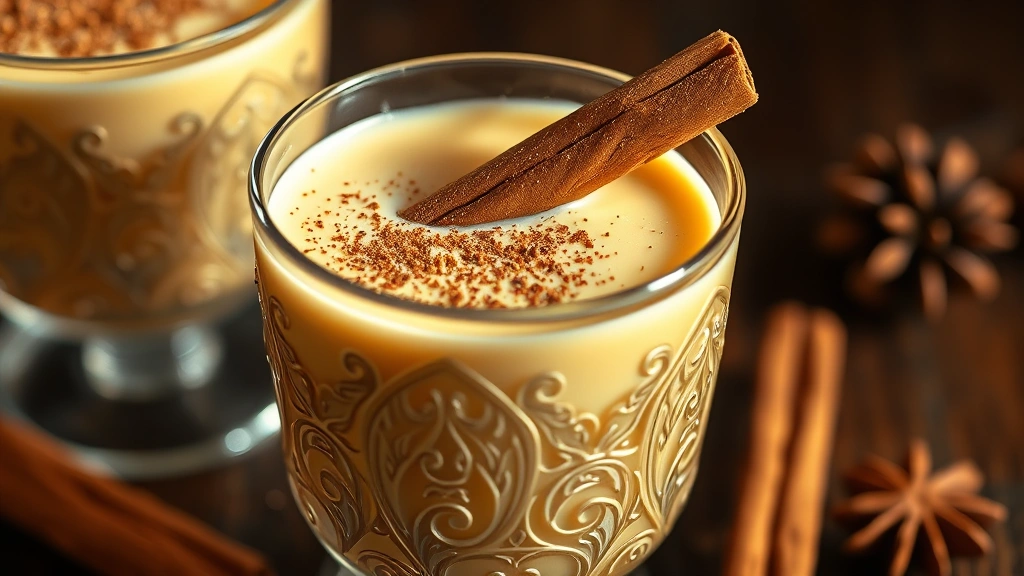
When serving coquito, presentation matters almost as much as taste. Serve it in small vintage glasses or traditional coquito cups, garnish with a light dusting of cinnamon or nutmeg, and consider adding a cinnamon stick for both flavor and visual appeal. Some families like to serve it chilled, while others prefer it at room temperature or slightly warmed. The beauty of coquito is its versatility—you can prepare it weeks in advance, and it actually improves as flavors meld together over time.
Ingredients
- 1 can (15 oz) cream of coconut (such as Coco López)
- 1 can (12 oz) evaporated milk
- 1 can (14 oz) sweetened condensed milk
- 1 cup fresh coconut milk (or additional canned if fresh unavailable)
- 1 cup aged Puerto Rican rum (or dark rum)
- 5 large pasteurized eggs or 1 cup pasteurized egg product
- 1 teaspoon vanilla extract
- ½ teaspoon ground cinnamon
- ¼ teaspoon ground nutmeg
- ¼ teaspoon ground cloves
- Pinch of salt
- 2-3 cinnamon sticks for garnish
- Additional nutmeg for garnish
Instructions
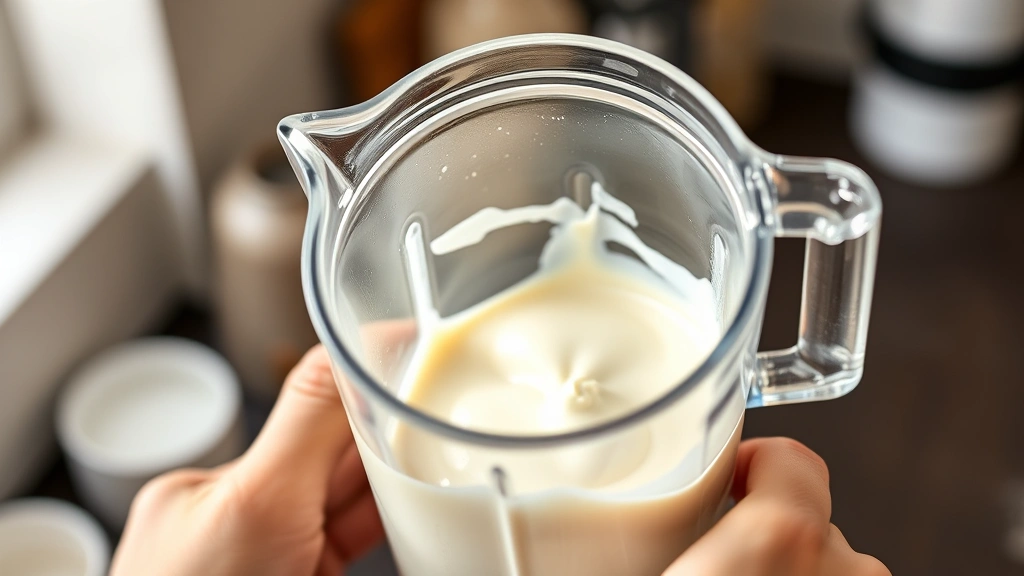
- In a large blender, combine the cream of coconut, evaporated milk, sweetened condensed milk, and fresh coconut milk. Pulse several times to combine these base ingredients thoroughly.
- Add the pasteurized eggs (or pasteurized egg product for food safety), vanilla extract, ground cinnamon, ground nutmeg, ground cloves, and salt to the blender.
- Blend on high speed for 2-3 minutes until the mixture is completely smooth, silky, and well-emulsified. The color should be uniform and creamy throughout.
- With the blender still running on low speed, slowly drizzle in the aged rum, allowing it to fully incorporate. This gradual addition prevents the mixture from separating.
- Once all the rum is added, blend for an additional 30 seconds to ensure complete integration.
- Strain the coquito through a fine-mesh sieve into a large glass pitcher or bowl, pressing gently on any solids. This step ensures a perfectly smooth, luxurious texture.
- Divide the coquito among glass bottles or a large glass container with a tight-fitting lid.
- Refrigerate for at least 2 hours, though overnight is ideal to allow flavors to fully develop and meld together.
- Before serving, give the coquito a gentle stir or shake to recombine any ingredients that may have settled.
- Pour into small vintage glasses or traditional coquito cups, filling each about three-quarters full.
- Garnish each serving with a light dusting of ground cinnamon and nutmeg, and add a cinnamon stick if desired.
- Serve chilled or at room temperature, depending on personal preference and the season.
Pro Tips
- Pasteurized eggs are essential for food safety in this recipe—never use raw eggs, even if they’re very fresh. You can find pasteurized eggs at most grocery stores, or use pasteurized egg product as a foolproof alternative.
- The cream of coconut is different from coconut milk and is essential to authentic coquito. Coco López is the traditional brand used in Puerto Rico and is widely available in the international foods aisle of most supermarkets.
- This coquito recipe improves with age and actually tastes better after a few days or even weeks. The flavors meld together beautifully, making it perfect for preparing in advance of holiday parties.
- You can make this recipe without alcohol for a family-friendly version—simply omit the rum and add an additional ½ cup of coconut milk or cream of coconut for similar richness.
- Store coquito in glass bottles or containers with tight-fitting lids in the refrigerator for up to one month. The drink will separate slightly over time, so give it a good shake before serving.
- For a thicker, dessert-like consistency, use an extra can of evaporated milk. For a lighter version, reduce the evaporated milk by ¼ can and add more fresh coconut milk.
- Some Puerto Rican families add a splash of brandy or sherry in addition to rum for added complexity. Feel free to experiment once you’ve made the basic recipe.
- The spice measurements provided are for a well-balanced, traditional coquito. If you prefer a lighter spice profile, reduce the cinnamon, nutmeg, and cloves by half.
- If your coquito seems too thick after refrigeration, you can thin it slightly by stirring in a little more evaporated milk or coconut milk until you reach the desired consistency.
- This recipe makes an excellent homemade gift. Decorate bottles with festive labels, ribbons, and gift tags for a thoughtful holiday present that friends and family will truly appreciate.
- Traditionally, coquito is served in small quantities as an after-dinner drink, so the 2-ounce pour size is intentional. The richness is meant to be savored slowly, not gulped quickly.