
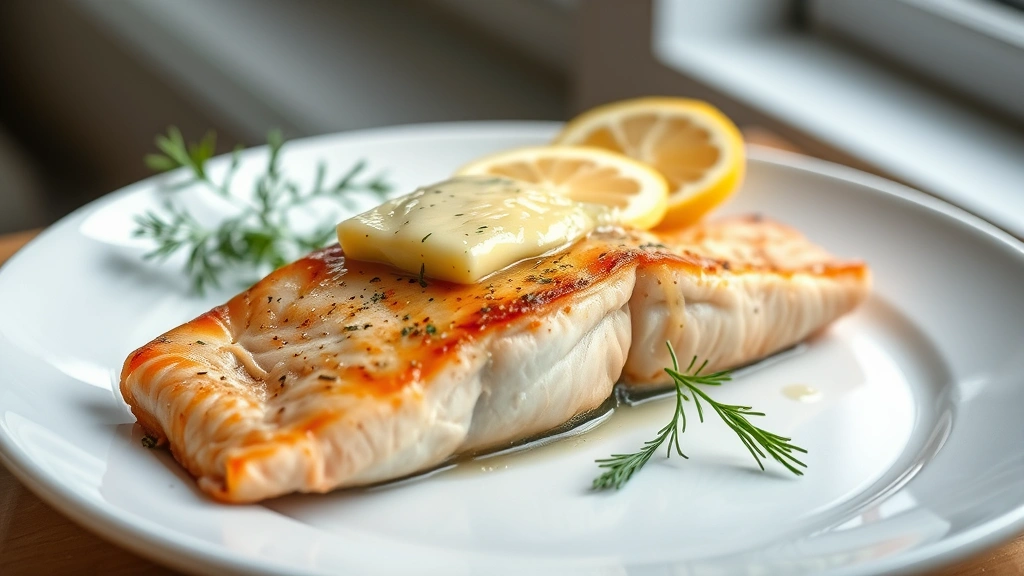
There’s nothing quite like a perfectly broiled salmon fillet that comes together in under 30 minutes. This quick broiled salmon recipe is an absolute game-changer for busy weeknights when you want something restaurant-quality but don’t have hours to spend in the kitchen. The beauty of broiling is that it creates this gorgeous caramelized exterior while keeping the inside incredibly moist and flaky. I’m sharing my foolproof method that will have you making this again and again.
When I first started cooking salmon at home, I was intimidated by the process. Would it be dry? Would it stick to the pan? Would it taste fishy? But broiling changed everything for me. The high, direct heat means your salmon cooks in just 8-12 minutes, which is honestly perfect. You get this beautiful golden crust on top while the delicate flesh stays buttery and tender underneath. The key is not overthinking it and using good quality salmon from a trusted fishmonger.
I love serving this broiled salmon with simple sides like roasted asparagus or a fresh green salad. You could also pair it with pickled red onions for a bright pop of flavor, or even alongside shishito peppers for something with a little more substance. The versatility is what makes this recipe so special.
What I absolutely love about this method is that it requires minimal cleanup and even fewer ingredients. We’re talking butter, lemon, garlic, salt, and pepper—that’s it. Sometimes the simplest recipes are the best ones, and this broiled salmon is proof of that. Whether you’re cooking for yourself on a Tuesday night or impressing guests at a dinner party, this recipe delivers every single time.
For those looking to expand their seafood repertoire, this technique works beautifully with other types of fish too. You could use this exact method with halibut, cod, or even sea bass. The timing might vary slightly depending on thickness, but the principle remains the same. Light and fresh pasta dishes make wonderful accompaniments to broiled salmon, as do creamy sauces if you’re feeling a bit more indulgent.
I also want to mention that this recipe is incredibly forgiving. Even if you’re a complete beginner in the kitchen, you’re going to nail this. The most important thing is to keep a close eye on your salmon while it’s under the broiler. Every oven is different, and the last thing you want is to walk away and have it overcook. But honestly, even slightly overcooked salmon is still pretty delicious, so don’t stress too much.
One more thing before we get to the recipe—don’t skip the resting step at the end. Those few minutes allow the juices to redistribute throughout the fish, ensuring every bite is moist and flavorful. It’s a small step that makes a huge difference in the final result. Now let’s get cooking!
For more seafood inspiration, check out Bon Appétit’s seafood collection, Serious Eats fish guides, and New York Times cooking resources for additional techniques and recipes.
Ingredients
- 4 salmon fillets (6 ounces each), skin-on
- 4 tablespoons unsalted butter, softened
- 4 cloves garlic, minced
- 2 tablespoons fresh lemon juice
- 1 tablespoon fresh dill (or parsley), finely chopped
- 1 teaspoon kosher salt
- ½ teaspoon freshly ground black pepper
- ¼ teaspoon red pepper flakes (optional)
- Lemon slices for garnish
- Fresh herbs for serving
Instructions
- Position your oven rack 4-6 inches below the broiler and preheat the broiler on high for 5 minutes. Line a baking sheet with aluminum foil for easy cleanup.
- While the broiler heats, combine the softened butter, minced garlic, lemon juice, fresh dill, salt, pepper, and red pepper flakes in a small bowl. Mix until well combined and set aside.
- Pat the salmon fillets dry with paper towels. This is crucial because it helps the butter mixture adhere better and promotes even cooking.
- Place the salmon fillets skin-side down on the prepared baking sheet, leaving about 2 inches of space between each fillet.
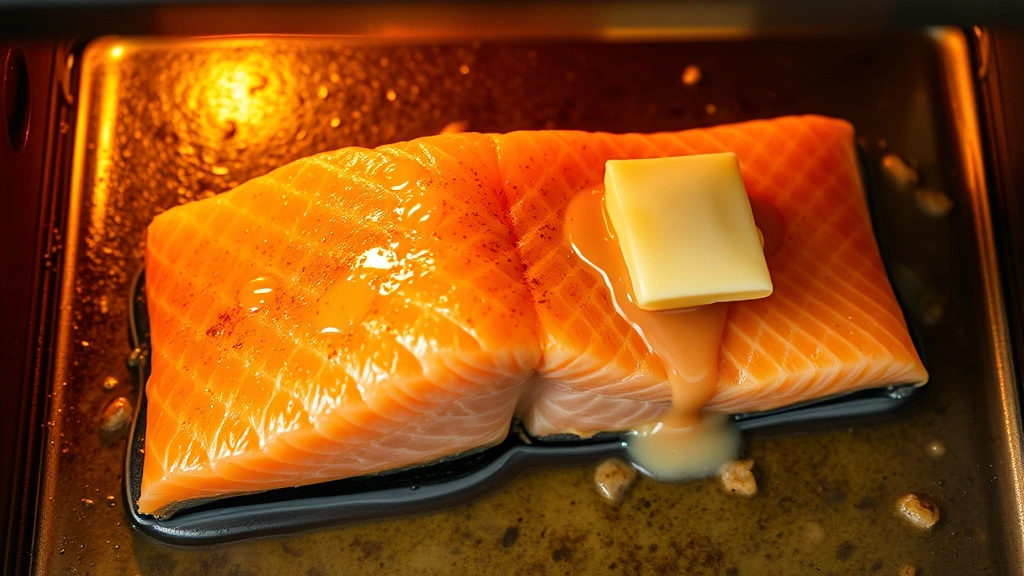
- Divide the butter mixture evenly among the four salmon fillets, spreading it generously over the top of each piece. Make sure to coat the entire surface of the fish.
- Carefully place the baking sheet under the preheated broiler. Set a timer for 8-10 minutes, depending on the thickness of your fillets. Thinner fillets (about ½ inch) will be done in 8 minutes, while thicker ones (¾ inch) may need up to 12 minutes.
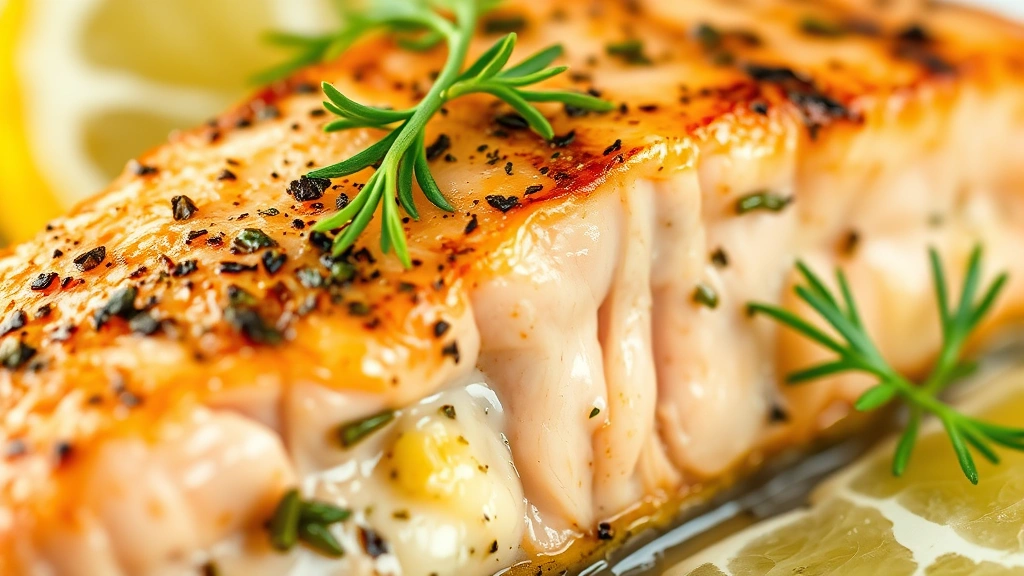
- Watch the salmon closely as it cooks. You’re looking for the flesh to turn opaque and flake easily with a fork. The top should have a golden-brown color with the butter slightly caramelized.
- Remove the baking sheet from the broiler using oven mitts. Be careful, as it will be extremely hot.
- Let the salmon rest for 2-3 minutes on the baking sheet before serving. This allows the juices to redistribute throughout the fish.
- Transfer the salmon to serving plates using a spatula or fish turner. Drizzle any pan juices over the top and garnish with fresh lemon slices and additional herbs if desired.
Pro Tips
Butter Mixture Variations: Feel free to customize the herb butter based on your preferences. Try adding capers, fresh tarragon, or a touch of Dijon mustard. You could also use clarified butter if you prefer.
Do Not Flip: Unlike pan-searing, you should never flip the salmon when broiling. The skin acts as a protective barrier that keeps the delicate flesh intact and moist.
Oven Temperature Matters: Every oven has hot spots and temperature variations. If your salmon tends to cook too quickly, try moving the rack down one position. If it’s cooking too slowly, move it closer to the heat.
Leftover Salmon: Store any leftover broiled salmon in an airtight container in the refrigerator for up to 3 days. It’s delicious cold in salads or flaked into grain bowls.
Make Ahead Tips: You can prepare the butter mixture up to 2 days in advance and store it in the refrigerator. Pat the salmon dry and apply the butter mixture just before broiling for best results.
Wine Pairing: This broiled salmon pairs beautifully with a crisp Sauvignon Blanc, a light Pinot Grigio, or even a dry Riesling. If you prefer red wine, a light Pinot Noir works wonderfully.
Side Dish Ideas: Serve alongside roasted vegetables like asparagus, broccoli, or Brussels sprouts. A simple arugula salad with lemon vinaigrette is also perfect. For a heartier meal, pair with roasted potatoes or quinoa.
Healthy Eating: Salmon is packed with omega-3 fatty acids, high-quality protein, and vitamin D. This recipe is naturally gluten-free and can easily fit into various dietary patterns.
Cooking Temperature: The internal temperature of the salmon should reach 145°F (63°C) when measured at the thickest part with an instant-read thermometer. This ensures the fish is safely cooked while remaining moist.