
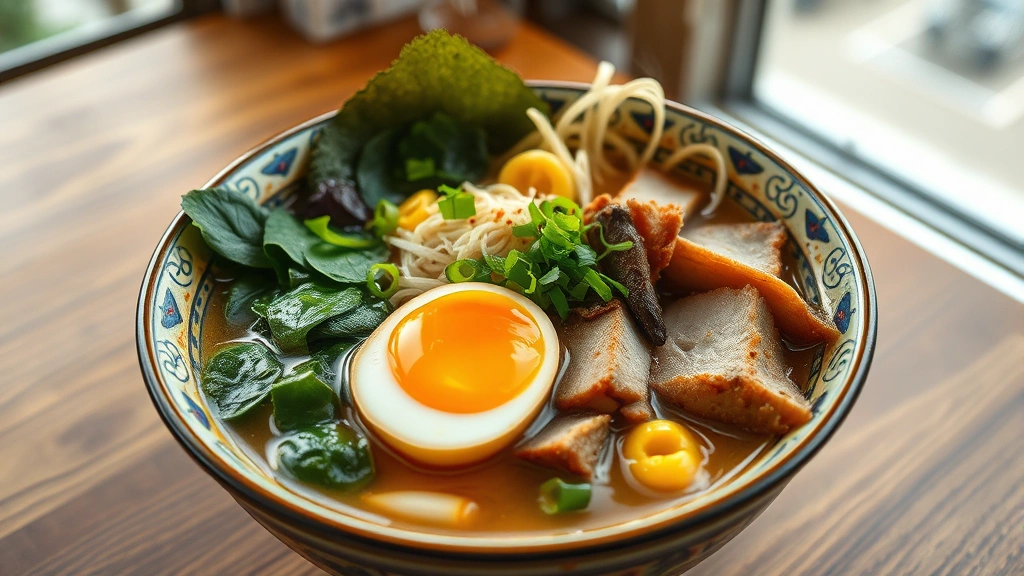
There’s something absolutely magical about a perfectly crafted ramen bowl – it’s warm, comforting, and completely customizable to your taste preferences. Whether you’re a ramen novice or a seasoned enthusiast, this recipe will walk you through creating restaurant-quality ramen right in your own kitchen. The key to the best ramen bowl lies in building layers of flavor: a rich, aromatic broth, perfectly cooked noodles, tender proteins, and vibrant fresh toppings that come together in absolute harmony.
This comprehensive guide covers everything from selecting your ingredients to mastering the assembly process. We’ll explore different broth options, cooking techniques, and topping combinations that will elevate your ramen game to new heights. The beauty of ramen is that it’s infinitely adaptable – you can keep it simple and elegant or load it up with all your favorite additions. Some people prefer the deep umami of a tonkotsu broth, while others love the lighter, cleaner notes of a shoyu-based version. Whatever your preference, we’ve got you covered with detailed instructions and pro tips throughout.
The most important thing to remember is that ramen is all about balance and harmony. You want your broth to be flavorful but not overpowering, your noodles to be cooked to the perfect al dente texture, and your toppings to complement rather than compete with each other. This isn’t just a quick weeknight dinner – this is a celebration of Japanese culinary tradition that you can master and enjoy repeatedly. Once you understand the fundamentals, you’ll be able to experiment with different flavor-building ingredients and create your signature ramen bowl. Many home cooks find that making ramen is actually quite therapeutic – there’s something wonderful about taking time to build layers of flavor and create something truly special.
For those interested in exploring complementary flavors, you might also enjoy learning how to make bright, zesty condiments that can add complexity to your bowls. The process of creating a great ramen bowl teaches you fundamental cooking skills that will enhance your overall culinary confidence. Let’s dive into this delicious journey and create the best ramen bowl you’ve ever tasted!
Ingredients
- 4 cups chicken or vegetable broth
- 2 tablespoons soy sauce
- 1 tablespoon mirin
- 1 tablespoon sake
- 2 teaspoons sesame oil
- 1 teaspoon white miso paste
- 3 cloves garlic, minced
- 1 tablespoon fresh ginger, grated
- 2 scallions, divided
- 1 dried shiitake mushroom
- 2 teaspoons butter
- 8 ounces fresh or dried ramen noodles
- 6 ounces protein of choice (chicken breast, pork belly, tofu, or soft-boiled eggs)
- 2 soft-boiled eggs, halved
- 1 cup fresh spinach
- ½ cup shredded carrots
- ½ cup corn kernels
- ¼ cup bamboo shoots
- 2 sheets nori seaweed, cut into strips
- 2 tablespoons crispy garlic chips
- 1 teaspoon chili oil or sriracha
- Salt and white pepper to taste
- Furikake seasoning for garnish
- Fresh cilantro for garnish
- Sesame seeds for garnish
Instructions
- Begin by preparing your broth, which is the foundation of an excellent ramen bowl. In a large pot, heat the chicken or vegetable broth over medium heat until it reaches a gentle simmer.
- Add the minced garlic, grated ginger, and dried shiitake mushroom to the simmering broth. These aromatics will infuse the broth with deep, complex flavors that make all the difference.
- Let the broth simmer for 10-12 minutes, allowing the garlic, ginger, and mushroom to fully release their flavors into the liquid.
- In a small bowl, whisk together the soy sauce, mirin, sake, and white miso paste until the miso is fully dissolved and incorporated.
- Pour the miso-soy mixture into the simmering broth and stir well to combine. Add the sesame oil and butter, stirring until the butter melts completely.
- Taste the broth and adjust seasonings as needed – you want a balance of savory, slightly sweet, and aromatic notes. Add salt and white pepper to taste.
- Remove the shiitake mushroom from the broth and set aside. If desired, you can slice it and add it back to the broth later as a topping.
- While the broth develops, prepare your protein of choice. If using chicken breast, cut it into even pieces and poach it gently in the simmering broth for 12-15 minutes until fully cooked through.
Alternatively, if using pork belly, sear it in a separate pan until the edges are caramelized, then simmer it in a mixture of soy sauce, sake, and brown sugar for 20-30 minutes until tender.
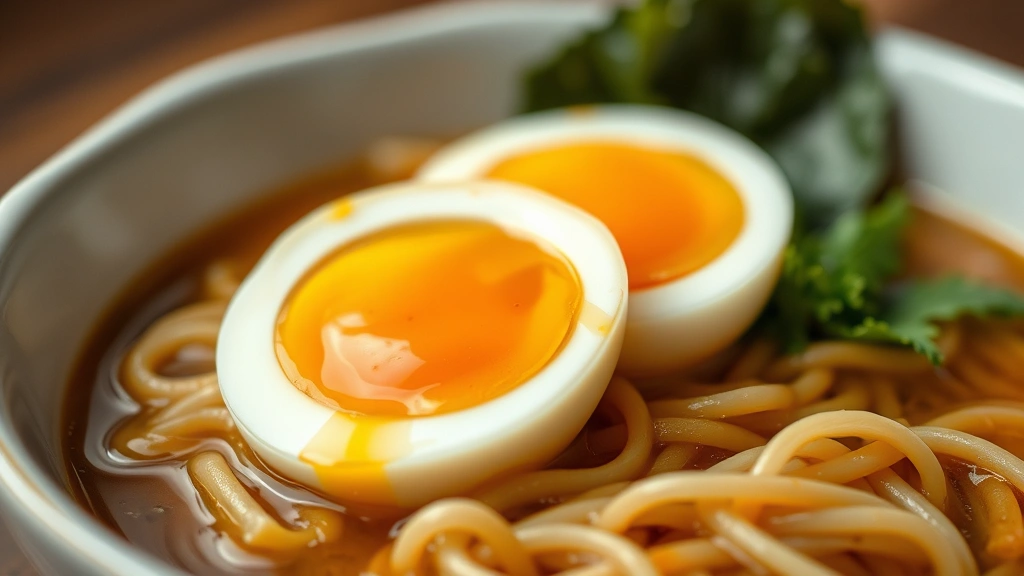
- For the soft-boiled eggs, bring a separate pot of water to a rolling boil, carefully add room-temperature eggs, and cook for exactly 6-7 minutes for a perfectly jammy center.
- Transfer the cooked eggs to an ice bath immediately to stop the cooking process, then gently peel them under cool running water.
- Bring a separate large pot of salted water to a boil for cooking your ramen noodles. The water should taste like the ocean.
- Add the fresh or dried ramen noodles to the boiling water and cook according to package directions, usually 3-4 minutes for fresh noodles or 4-5 minutes for dried noodles.
- Stir the noodles occasionally to prevent sticking and ensure even cooking. You want them tender but still with a slight bite – not mushy.
- Drain the cooked noodles in a colander and rinse briefly with cool water to stop the cooking process and remove excess starch.
- In a separate small pan, quickly wilt the fresh spinach over medium heat with a pinch of salt, then drain any excess moisture.
- Prepare all your toppings and arrange them in small bowls within easy reach: shredded carrots, corn kernels, bamboo shoots, nori strips, crispy garlic chips, and fresh scallions.
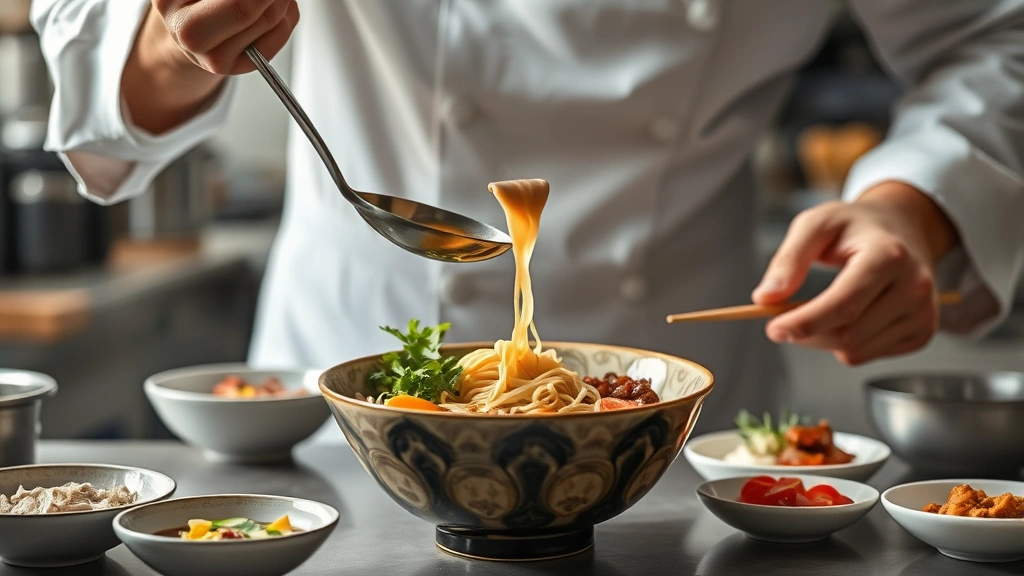
- To assemble your ramen bowls, place the drained noodles in the center of two large, deep bowls.
- Carefully ladle the hot broth over the noodles, ensuring each bowl gets an equal share of the aromatic liquid and any solids you want included.
- Arrange your protein on top of the noodles – whether that’s sliced chicken, pork belly, or tofu.
- Top each bowl with a soft-boiled egg half, positioning it prominently so the jammy yolk is visible and inviting.
- Add the wilted spinach, shredded carrots, corn, bamboo shoots, and sliced mushroom (if using) around the bowl in an aesthetically pleasing arrangement.
- Drizzle with chili oil or sriracha if you prefer a spicy kick, and add crispy garlic chips for texture and extra flavor.
- Garnish with fresh scallion slices, nori strips, furikake seasoning, sesame seeds, and fresh cilantro.
- Serve immediately while the broth is hot and the toppings are fresh and vibrant. Enjoy your homemade ramen bowl!
Pro Tips
You have complete flexibility with your protein choice depending on your preferences and dietary needs. Chicken breast is leaner and cooks quickly, pork belly is traditional and incredibly flavorful, and tofu is a wonderful vegetarian option that absorbs the broth beautifully. Soft-boiled eggs are traditional and add richness, but you could also use poached eggs or omit them entirely.
Fresh ramen noodles will give you a more delicate texture and cook very quickly, while dried noodles are shelf-stable and work wonderfully as well. Both are valid choices – it really comes down to availability and personal preference. Make sure not to overcook your noodles; they should have a slight firmness when you bite into them.
The toppings are where you can really personalize your ramen bowl. While the list provided includes traditional options, feel free to add or substitute based on what you have on hand and what you enjoy. Roasted mushrooms, asparagus, broccoli, kimchi, pickled vegetables, and sliced radishes all work beautifully. The key is to include a variety of textures and colors to create visual interest and flavor balance.
You can prepare components of this recipe ahead of time to make assembly easier. The broth can be made earlier in the day and reheated when you’re ready to serve. Soft-boiled eggs can be cooked ahead and stored in the refrigerator – just warm them gently in hot water before serving. Prepare your toppings as close to serving time as possible to maintain their freshness and texture.
For a deeper broth flavor, consider making your own stock by simmering chicken bones or pork bones for several hours. This takes more time but creates an incredibly rich, complex base that rivals restaurant versions. Many home cooks find that investing time in homemade stock elevates their entire ramen experience.
Don’t be intimidated if your first attempt isn’t restaurant-perfect – ramen making is a skill that improves with practice. Each time you make it, you’ll develop a better understanding of timing, flavor balance, and your personal preferences. Soon you’ll be customizing recipes and creating your own signature bowls that rival your favorite restaurants.
Pingback: Aebleskiver Recipe: Authentic Danish Pancake Balls - Simple Recipe Finder
Pingback: Auju Recipe: Ultimate Guide to Authentic Nepalese Flavor - Simple Recipe Finder