
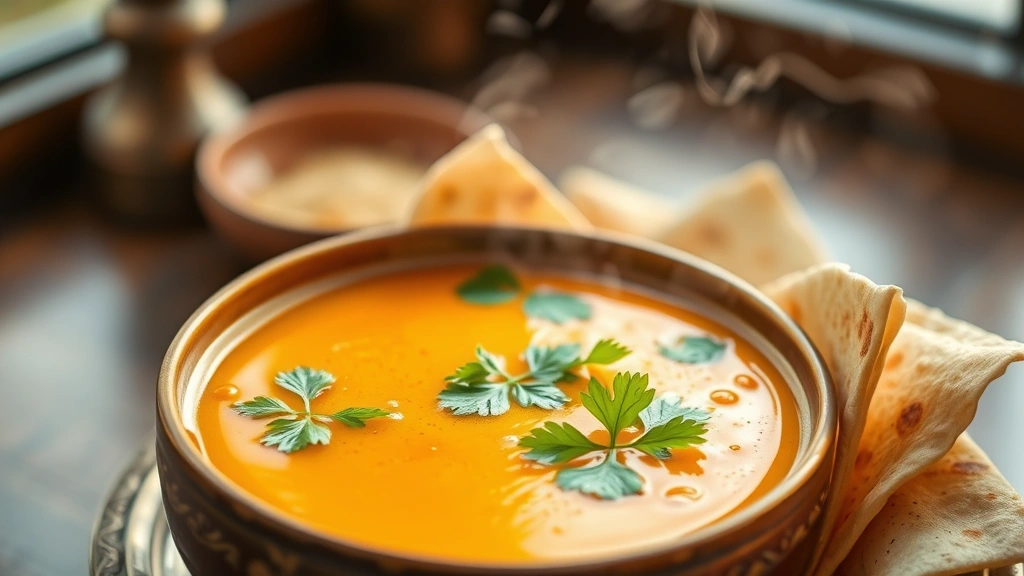
Rasam is one of those magical South Indian recipes that feels fancy but comes together in just minutes—and honestly, it’s one of my favorite ways to use up pantry staples. This tangy, aromatic soup is traditionally served as part of a meal and pairs beautifully with rice or crispy papadums. The beauty of rasam is in its simplicity: just a handful of spices, some fresh tomatoes, and a touch of tamarind create this incredible depth of flavor that tastes like it took hours to prepare.
I fell in love with rasam during a trip to Tamil Nadu, where I watched my friend’s grandmother make it in what felt like no time at all. She taught me that the secret isn’t in complicated techniques—it’s in using quality spices and letting them bloom properly in oil. Since then, I’ve made it countless times, tweaking it slightly based on what I have on hand, and it never disappoints. The beauty is that rasam is incredibly forgiving: you can adjust the heat level, make it more or less tangy depending on preference, and even add vegetables if you’d like.
What I love most about this recipe is how it brings people together. It’s comforting, it’s nourishing, and it tastes authentically South Indian without requiring any specialty ingredients you can’t find at a regular grocery store. This version strikes the perfect balance between traditional and accessible, making it ideal for weeknight dinners or meal prep. The recipe yields a lovely, light soup that’s perfect served hot with coconut rice or alongside sambar for a complete South Indian feast.
I’ve tested this with both fresh and canned tomatoes, and both work beautifully—though fresh tomatoes during summer months will give you the most vibrant flavor. The tamarind paste is essential here; it provides that distinctive tang that makes rasam so crave-worthy. Don’t skip it, but if you absolutely must substitute, a squeeze of lemon juice works in a pinch. The cumin seeds, mustard seeds, and dried red chilies create an incredible aromatic base that fills your kitchen with the most wonderful spice-forward fragrance as you cook.
One of my favorite things about this recipe is how customizable it is. Some people add a handful of fresh curry leaves at the end, others prefer to garnish with cilantro, and some add a touch of turmeric for extra warmth. I’ve included the classic version here, but I’ll share my favorite variations in the notes section. This rasam also reheats beautifully, making it perfect for meal prep—just store it in an airtight container in the refrigerator for up to four days, and reheat gently on the stovetop when you’re ready to serve.
For more traditional South Indian recipes, check out this dosa recipe or this idli recipe to round out your meal. If you’re interested in learning more about Indian spices and how to use them, I highly recommend reading about spice blending techniques on Serious Eats. You can also find detailed information about tamarind and its uses on Bon Appétit’s ingredient guide. For those curious about the regional variations of rasam across India, the New York Times has a wonderful piece exploring different styles.
This recipe serves four to six people depending on whether you’re serving it as part of a larger meal or as the main event. The entire process takes about thirty minutes from start to finish, with most of that time being passive simmering while you prepare your accompaniments. It’s the kind of recipe that makes you feel like an accomplished cook without requiring advanced techniques—just good ingredients and a little patience.
Ingredients
- 2 tablespoons ghee or coconut oil
- 1 teaspoon mustard seeds
- 1 teaspoon cumin seeds
- 2-3 dried red chilies, broken into pieces
- 1/4 teaspoon asafetida (hing)
- 8-10 fresh curry leaves
- 4 medium tomatoes, chopped (or 1 can diced tomatoes with juice)
- 2 tablespoons tamarind paste
- 4 cups vegetable or chicken broth
- 1 teaspoon black peppercorns, crushed
- 1/2 teaspoon turmeric powder
- Salt to taste
- 2 tablespoons fresh cilantro, chopped (for garnish)
- 1 green chili, slit (optional, for extra heat)
Instructions
- Heat ghee or coconut oil in a large pot or Dutch oven over medium heat until shimmering, about 1 minute.
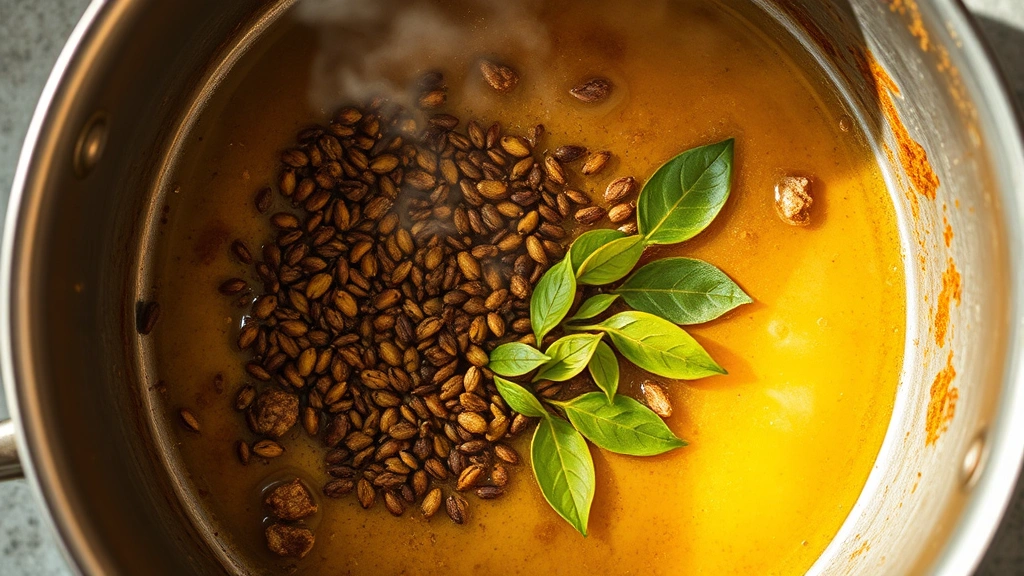
- Add mustard seeds and listen for them to crackle and pop—this indicates they’re releasing their flavor, approximately 30 seconds to 1 minute.
- Immediately add cumin seeds and let them toast for another 20-30 seconds until fragrant, stirring constantly to prevent burning.
- Add the broken pieces of dried red chilies and asafetida, stirring continuously for about 20 seconds—be careful not to burn the spices as they can become bitter.
- Quickly add the curry leaves to the hot oil and spices—you’ll notice they’ll sizzle and release a wonderful aroma.
- Pour in the chopped tomatoes (or canned tomatoes with their juice) and stir well to combine with the spice mixture.
- Cook the tomatoes for 3-4 minutes, stirring occasionally, until they begin to soften and break down slightly.
- Add the tamarind paste to the tomato mixture and stir thoroughly to distribute it evenly throughout.
- Pour in the broth—whether vegetable or chicken—stirring well to combine all ingredients.
- Add the crushed black peppercorns and turmeric powder, stirring to incorporate evenly.
- Bring the mixture to a gentle boil over medium-high heat, then reduce heat to medium-low and simmer uncovered for 10-12 minutes.
- Taste the rasam and adjust seasoning with salt as needed—remember that the tamarind provides tartness, so you may need less salt than usual.
- If desired, add the slit green chili during the last 2 minutes of cooking for additional heat and fresh flavor.
- Simmer for a final 2-3 minutes, allowing all flavors to meld together beautifully.
- Remove from heat and ladle into serving bowls, garnishing generously with fresh chopped cilantro.
- Serve hot alongside steamed rice, or with crispy papadums for authentic presentation and maximum enjoyment.
Pro Tips
- **Tamarind Paste Selection**: I recommend using pure tamarind paste rather than tamarind concentrate if possible. If you can only find concentrate, use about half the amount called for as it’s more potent. You can find tamarind paste in the international aisle of most grocery stores, or purchase it online.
- **Spice Toasting Tip**: The key to incredible rasam is toasting the spices properly in hot fat. This blooms their essential oils and creates that deep, complex flavor. Don’t skip this step or rush it—listen for the mustard seeds to pop and enjoy the aromatics.
- **Make-Ahead Instructions**: Rasam actually tastes better the next day as flavors continue to develop. You can make it up to 4 days in advance and store it in an airtight container in the refrigerator. Reheat gently on the stovetop over medium heat, adding a splash of water if it’s thickened too much.
- **Flavor Adjustments**: If your rasam tastes too tangy, add more broth or a touch of jaggery (about 1/2 teaspoon). If it’s not tangy enough, add more tamarind paste or a squeeze of fresh lemon juice at the end. If you prefer it less spicy, remove the seeds from the dried chilies before adding them.
- **Fresh vs. Canned Tomatoes**: Both work beautifully in this recipe. Fresh tomatoes provide brighter flavor, especially during tomato season, while canned tomatoes offer consistency year-round. If using very ripe fresh tomatoes, you may want to reduce them slightly before adding broth.
- **Variations to Try**: For a protein-rich version, add cooked lentils (masoor dal) or chickpeas. Some regions add grated coconut for creaminess. A pinch of fenugreek seeds adds interesting depth. Some cooks add a tablespoon of coconut oil at the end for richness.
- **Serving Suggestions**: Serve rasam as the soup course in an Indian meal, paired with rice and vegetables. It’s also wonderful on its own as a light lunch or dinner. Crispy papadums are the traditional accompaniment—serve them on the side for crunch and texture contrast.
- **Curry Leaves**: If you can’t find fresh curry leaves, you can sometimes find frozen ones which work reasonably well. Avoid dried curry leaves as they lose most of their aromatic qualities. As a last resort, substitute with a small amount of fresh cilantro, though the flavor won’t be quite the same.
- **Spice Quantity**: The amount of dried chilies can be adjusted based on your heat preference. Start with 2 and add more if you prefer spicier rasam. For a milder version, use just 1 chili or remove the seeds before adding.
- **Asafetida Note**: This ingredient might seem unusual if you’re new to Indian cooking, but it adds an umami depth that’s hard to replicate. It’s available in most grocery stores in the spice section. A tiny pinch is all you need—it’s quite potent!