
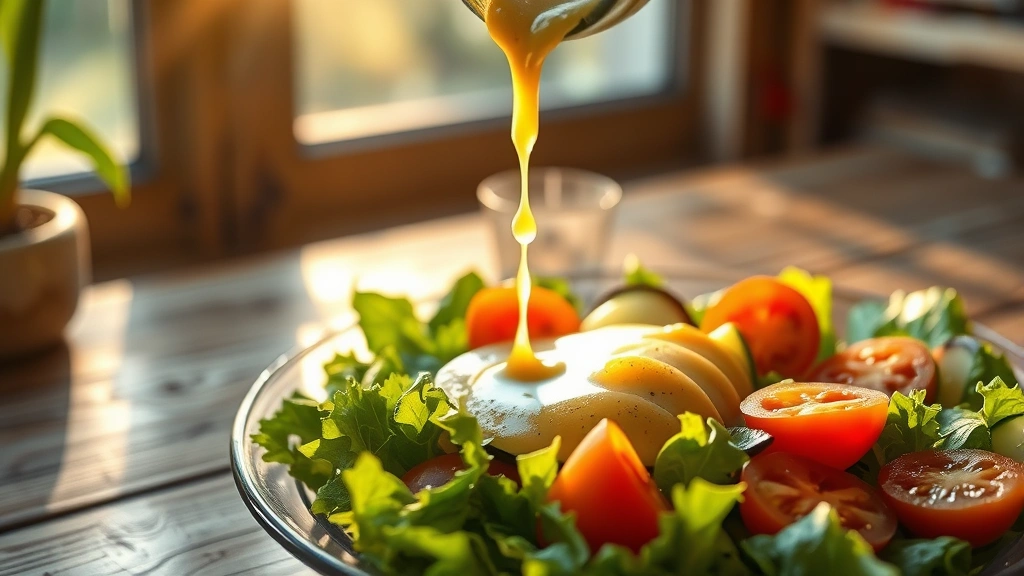
There’s nothing quite like a homemade salad dressing that elevates even the simplest greens into something absolutely spectacular. This best salad dressing recipe is a classic vinaigrette that strikes the perfect balance between tangy, savory, and just a hint of sweetness. It’s the kind of dressing that makes you wonder why you ever bought bottled versions, and honestly, once you master this technique, you’ll never look back.
I’ve been making this dressing for years, and it’s become the foundation for everything from coleslaw to grain bowls and even as a marinade for grilled vegetables. The secret isn’t in fancy ingredients—it’s in understanding the proper emulsification technique and using quality components that work together harmoniously. What makes this dressing truly exceptional is the combination of Dijon mustard, which acts as an emulsifier, and the careful whisking method that creates a silky, cohesive sauce rather than a separated, watery disappointment.
This recipe yields about one and a half cups of dressing, which is perfect for storing in your refrigerator for up to two weeks. The beauty of homemade dressing is that you control the salt, sugar, and acid levels—no preservatives, no mysterious ingredients you can’t pronounce. You can adjust it to your personal preference, whether you like it more acidic, herbaceous, or with a touch more sweetness. I often make a double batch on Sunday and use it throughout the week on different salads, roasted vegetables, and even as a dip for crusty bread.
The technique here is surprisingly simple but requires your attention. Temperature matters—room temperature ingredients emulsify much more easily than cold ones. The whisking motion should be steady and deliberate, not frantic. Think of it like you’re coaxing the oil and vinegar to become friends rather than forcing them. Once you understand this principle, you’ll find yourself making all sorts of vinaigrettes and variations. Try adding fresh herbs like tarragon or basil, or experiment with different vinegars like red wine, white wine, or sherry. For more inspiration on complementary sides, check out our Cuban Bread Recipe, which pairs beautifully with a fresh salad.
What I love most about this dressing is its versatility and the confidence it gives you in the kitchen. Once you’ve made it a few times and understand the ratios, you’ll be able to adjust it on the fly based on what you’re dressing. A hearty winter salad with roasted beets and walnuts? Add a touch more mustard and maybe some balsamic. A delicate spring salad with tender greens and fresh herbs? Lighten it up with a bit more lemon juice and less oil. This recipe is truly a culinary foundation that will serve you well for years to come.
Ingredients
- ¾ cup extra virgin olive oil
- ¼ cup red wine vinegar
- 2 tablespoons fresh lemon juice
- 1 tablespoon Dijon mustard
- 1 tablespoon whole grain mustard
- 2 cloves garlic, minced very fine
- 1 teaspoon honey or maple syrup
- ½ teaspoon dried oregano
- ¼ teaspoon kosher salt, plus more to taste
- ⅛ teaspoon freshly ground black pepper, plus more to taste
- Pinch of cayenne pepper optional
Instructions
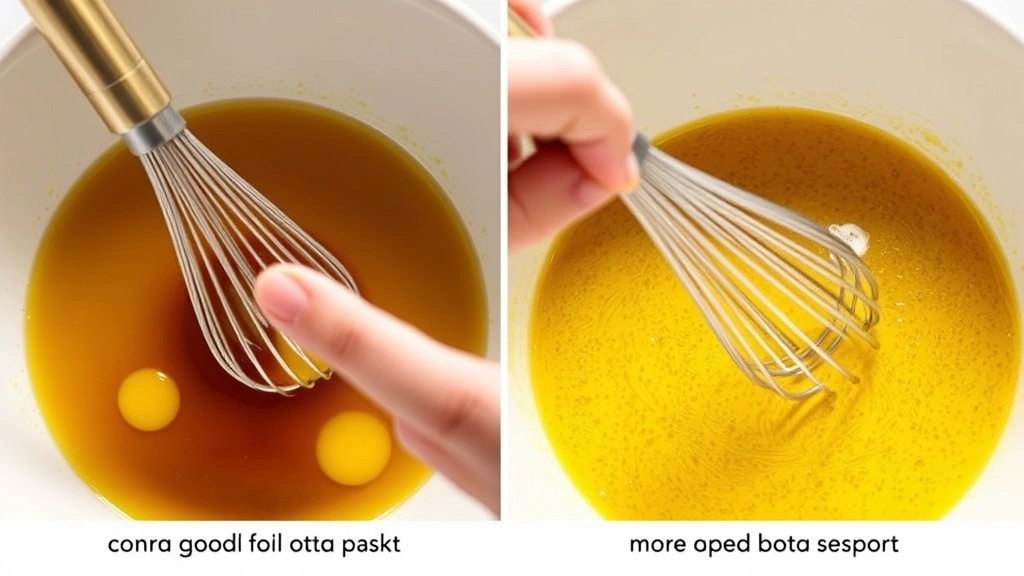
- In a medium bowl, combine the minced garlic, both mustards, honey, and lemon juice. Whisk these ingredients together until they’re well combined and the mustards have fully incorporated, about 30 seconds.
- Add the red wine vinegar to the bowl and whisk to combine with the mustard mixture. At this point, you should have a homogeneous, slightly thick base for your dressing.
- While whisking constantly with one hand, begin adding the olive oil very slowly—just a tiny stream at first, almost a drizzle. This gradual incorporation is crucial for proper emulsification. Continue whisking as you add the oil.
- As the dressing begins to thicken and emulsify, you can increase the pace of adding oil slightly, but maintain steady whisking throughout. The dressing should become noticeably thicker and more cohesive as the oil incorporates.
- Once all the oil has been added, whisk in the dried oregano, salt, and black pepper. Taste the dressing and adjust the seasonings to your preference—add more salt, acid, or a pinch of cayenne if desired.
- If the dressing has become too thick, you can thin it slightly by whisking in a teaspoon of water at a time. If it seems too thin, let it sit for a few minutes as it may continue to thicken.
- Transfer the finished dressing to a clean jar with a tight-fitting lid. Store in the refrigerator for up to 14 days. Before each use, give it a good shake or whisk to recombine if any separation has occurred.
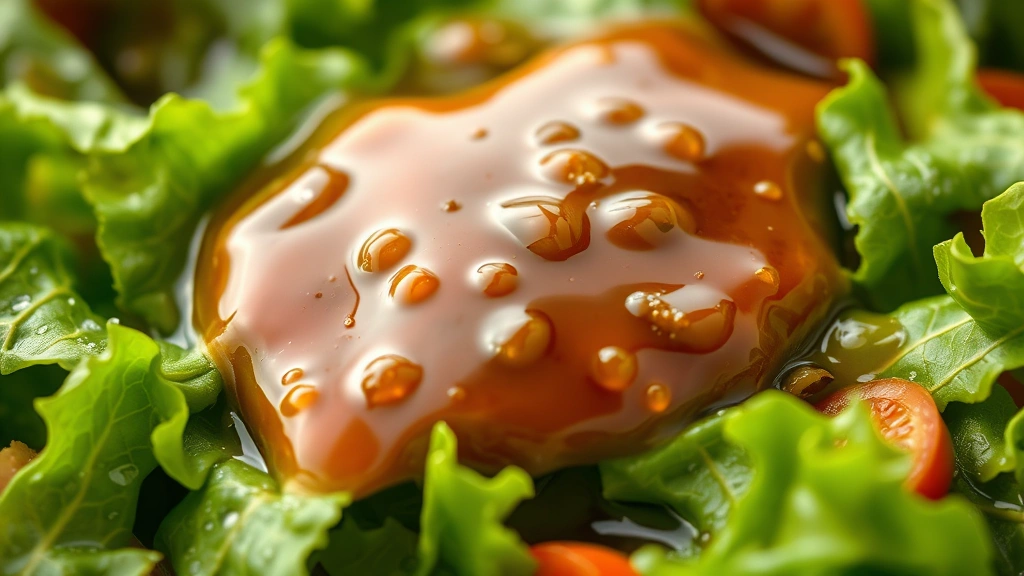
- To use, drizzle desired amount over your salad and toss gently until the greens are lightly coated. Remember that a little dressing goes a long way, so start with less and add more as needed.
Pro Tips
The ratio of oil to acid in this recipe is approximately 3:1, which is the classic proportion for vinaigrettes. However, you can adjust this ratio based on personal preference. If you prefer a tangier dressing, increase the vinegar slightly. For a richer version, increase the oil.
Dijon mustard serves as an emulsifier, which means it helps bind the oil and vinegar together. This is why it’s non-negotiable in this recipe. The whole grain mustard adds texture and visual appeal, but you can use all Dijon if preferred.
This dressing works wonderfully on virtually any type of salad, from delicate mixed greens to hearty grain bowls. It’s also excellent as a marinade for grilled vegetables, chicken, or fish. Simply pour it over your protein or vegetables and let them sit for 30 minutes to several hours before cooking.
For a creamier version, you can add one to two tablespoons of mayonnaise or Greek yogurt to the finished dressing. This transforms it into more of a creamy vinaigrette that’s excellent for coleslaw or composed salads.
If your dressing breaks or separates, don’t worry—simply start with a fresh bowl, add a teaspoon of mustard and a tablespoon of vinegar, and slowly whisk in the broken dressing as if it were oil. This usually rescues the situation beautifully.
Experiment with different vinegars to create variations. Balsamic vinegar creates a sweeter, darker dressing. White wine vinegar is more delicate. Sherry vinegar adds sophistication. Apple cider vinegar brings a subtle fruity note that pairs beautifully with fall salads featuring roasted vegetables.
Add fresh herbs to customize your dressing. Fresh basil, tarragon, chives, or parsley can be whisked in after the dressing is emulsified. Use about two tablespoons of finely chopped fresh herbs per batch.
Store your dressing in a glass jar rather than plastic, as plastic can absorb flavors and odors. Shake well before each use, as some separation is normal and expected, especially after a few days in the refrigerator.