
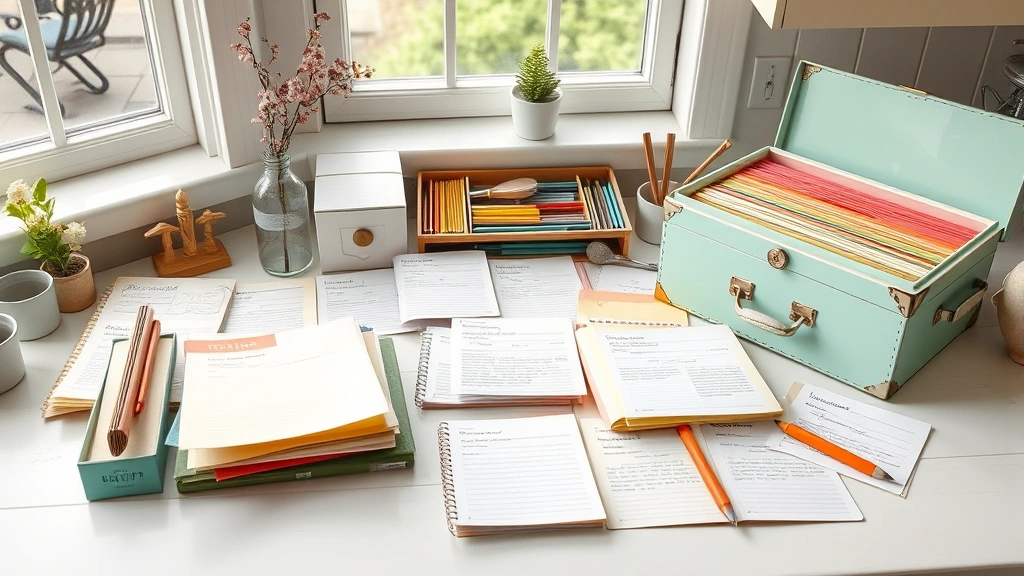
Building a saved recipes collection is like curating your own personal cookbook—a beautiful, organized treasure trove of culinary inspiration that reflects your taste and cooking style. Whether you’re a meal prep enthusiast or someone who loves to bookmark those “I’ll-make-this-someday” dishes, having a well-organized saved recipes collection is absolutely essential.
I’ve been collecting and organizing recipes for years, and let me tell you, the difference between a chaotic pile of browser tabs and a thoughtfully curated collection is night and day. It’s not just about saving recipes willy-nilly; it’s about creating a system that actually works for you and makes cooking easier, more enjoyable, and infinitely more inspiring.
When I started my Preppy Kitchen journey, I realized that many of my readers were struggling with the same thing: they had hundreds of recipes scattered across different platforms, forgotten in email inboxes, or lost in Pinterest boards. So today, I’m sharing my tried-and-true method for building the BEST saved recipes collection that will transform how you approach cooking.
The beauty of a well-organized collection is that it becomes your personal sous chef. Instead of spending thirty minutes scrolling through the internet wondering “what should I make for dinner,” you have a curated list of recipes you’ve already vetted and are genuinely excited about. Plus, when you’re meal planning, entertaining guests, or trying to use up ingredients from your pantry, your saved collection becomes an invaluable resource.
I recommend starting with the recipes you already know you love. Think about those dishes you come back to again and again—maybe it’s a Heavy Cream Alfredo Sauce that’s become a family favorite, or a Chicken Alfredo that your kids request weekly. These are your foundation recipes, and they should absolutely be in your collection.
Next, add recipes that inspire you and challenge you to grow as a cook. Maybe you’ve been wanting to master Heavy Cream Pasta techniques, or perhaps you want to explore Creamy Pasta variations. These aspirational recipes keep your collection fresh and exciting.
Don’t forget about complementary recipes that round out your collection. Sides like Pickled Red Onion or Shishito Peppers are perfect for elevating simple weeknight dinners.
For more inspiration and expert guidance on building your recipe collection, check out Bon Appétit, which offers countless beautifully photographed recipes. Serious Eats is fantastic for recipes with deep dives into technique and science. New York Times Cooking offers a sophisticated collection of classic and contemporary recipes, plus their search and save features are incredibly user-friendly.
Organizing by cuisine type, cooking method, dietary preference, or meal occasion makes your collection infinitely more useful. When you need a quick weeknight dinner, you know exactly where to look. When you’re planning a dinner party, you have dedicated sections of impressive recipes that you’ve already vetted.
The key to maintaining your collection is to actually use it regularly and add notes about your experience with each recipe. Did you love it? Would you change anything? What did you serve it with? These personal touches transform your collection from just a list into a living, breathing resource that truly reflects your cooking journey.
Building the best saved recipes collection isn’t about having thousands of recipes; it’s about having a thoughtfully curated selection of recipes you genuinely want to make, organized in a way that inspires and serves you. It’s your personal culinary compass, guiding you toward delicious, satisfying meals that bring joy to your table and your kitchen.
Ingredients
- 1 reliable recipe platform (Pinterest, AllRecipes, your personal blog, etc.)
- 50-100 favorite recipes to start with
- Time for categorization and organization
- Pen and paper or digital note-taking app
- Your personal cooking preferences and dietary needs
- Inspiration and enthusiasm for cooking
Instructions
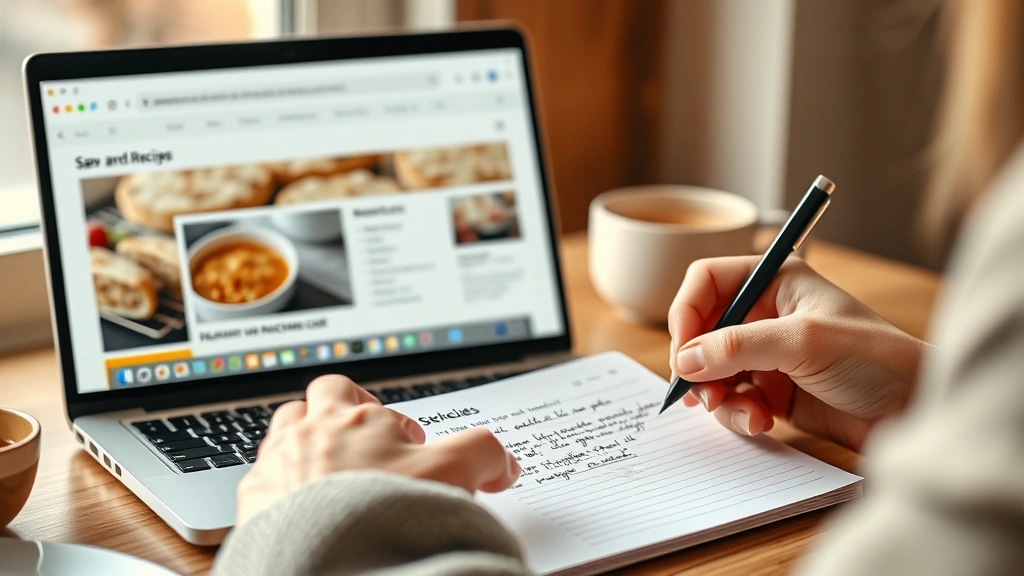
- Choose your primary platform for saving recipes. This could be Pinterest, your phone’s notes app, a spreadsheet, a dedicated recipe app like Paprika or Plan to Eat, or even a physical binder. The most important thing is choosing something you’ll actually use regularly and that syncs across your devices if you want it to.
- Start by gathering all your favorite recipes that you already make and love. Search through your browser history, email, old phone notes, and family recipe cards. These foundational recipes are the backbone of your collection, so give yourself permission to be a bit nostalgic here.
- Create main categories that make sense for how you cook. Consider organizing by: Weeknight Dinners, Weekend Projects, Appetizers & Entertaining, Breakfast & Brunch, Desserts & Treats, Sides & Salads, Soups & Stews, or by cuisine type like Italian, Mexican, Asian, etc.
- Add subcategories within your main categories if desired. For example, under Weeknight Dinners, you might have Quick (30 minutes or less), Slow Cooker, One-Pot Meals, and Pasta Dishes. This level of organization saves you from scrolling endlessly when you’re hungry and short on time.
- Begin actively saving recipes that catch your eye. As you scroll through Bon Appétit, Serious Eats, or your favorite food blogs, immediately save anything that sparks your interest. Don’t overthink it—your instinct usually tells you what you want to cook.
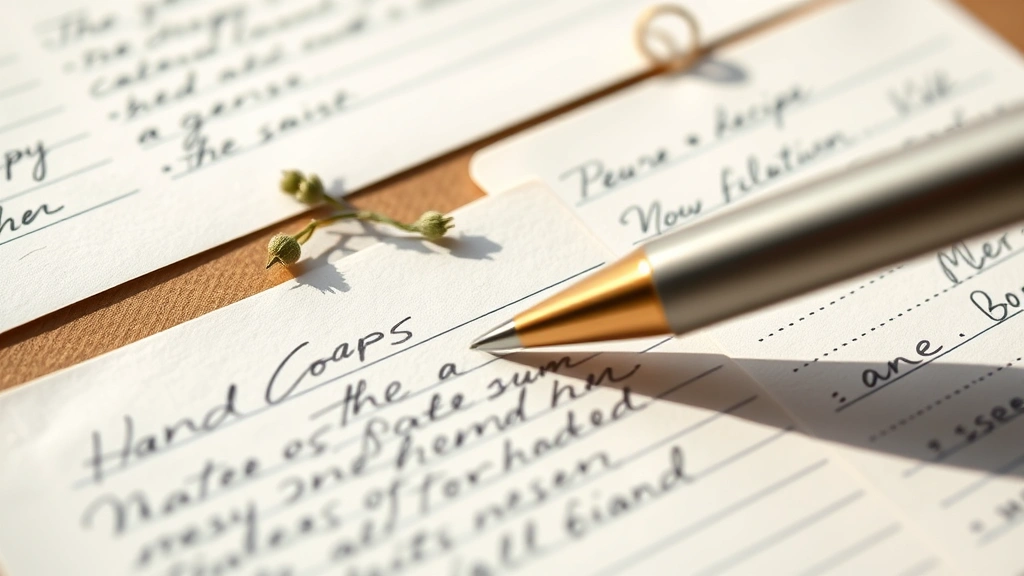
- Add personal notes to each recipe as you save it. Include why you saved it, what substitutions you might make, dietary modifications, or what you’d serve alongside it. These notes make your collection deeply personal and incredibly useful.
- Rate or tag recipes by difficulty level so you can easily find quick wins on busy weeknights or impressive recipes for entertaining. Use a simple system like Easy, Medium, or Advanced, or whatever feels natural to you.
- Create a seasonal section where you highlight recipes that work best during specific times of year. Spring salads, summer grilling recipes, fall baking, and winter comfort foods all deserve dedicated spaces.
- Set a recurring reminder to review and update your collection monthly. Remove recipes you’ve tried and didn’t love, add new finds, and update any personal notes based on your cooking experiences.
- Make sure your collection includes a good mix of recipes: 40% recipes you’ve already mastered, 40% recipes you make regularly, and 20% new recipes you want to try. This balance keeps your cooking life interesting while ensuring success.
- Share your collection with family members or friends if you want to make meal planning collaborative. Many recipe platforms allow sharing and commenting, which can become a fun way to exchange cooking ideas.
- Regularly test and cook from your collection. Mark recipes you’ve tried with dates or notes about how they turned out. This creates a living history of your cooking journey and helps you remember which recipes are truly worth repeating.
- Don’t be afraid to let recipes go. If something has been in your collection for a year and you haven’t made it, ask yourself if you’re really going to cook it. Keeping your collection curated keeps it useful and inspiring rather than overwhelming.
Pro Tips
- Start small and build gradually—you don’t need hundreds of recipes to have an effective collection. Quality over quantity is the key to a truly useful saved recipes collection.
- Use multiple platforms if it works for you. Many experienced home cooks maintain recipes in Pinterest for visual inspiration, a spreadsheet for easy searching, and a dedicated app for actual cooking reference.
- Include a mix of recipe types: family classics, weeknight go-tos, impressive entertaining recipes, healthy options, comfort food, and new cuisines you want to explore. This diversity keeps cooking exciting.
- Make detailed notes about sourcing. If a recipe comes from a specific cookbook, blog, or person, note it. This helps you remember why you saved it and gives you credit where it’s due.
- Create a “Testing” or “To-Try” section separate from your main organized collection. This staging area prevents your main collection from becoming cluttered with recipes you haven’t vetted yet.
- Consider the source when saving recipes. A recipe from a professional food blogger often has more testing behind it than a random internet find, which can help you prioritize what to cook first.
- Use your collection as a tool for dietary modifications. If you’re meal planning for someone with dietary restrictions, being able to quickly filter your collection by vegetarian, gluten-free, dairy-free, etc., is invaluable.
- Back up your digital collection regularly, whether that’s through cloud storage, screenshots, or printing out recipes you absolutely love. Technology fails, and you don’t want to lose your carefully curated collection.
- Review your collection seasonally. What you want to cook in July is very different from what you want in January, so adjusting your collection’s focus seasonally keeps it feeling fresh and relevant.
- Most importantly, actually cook from your collection! A saved recipe that never gets made isn’t serving you. Schedule cooking time and work through your collection with intention and joy.