
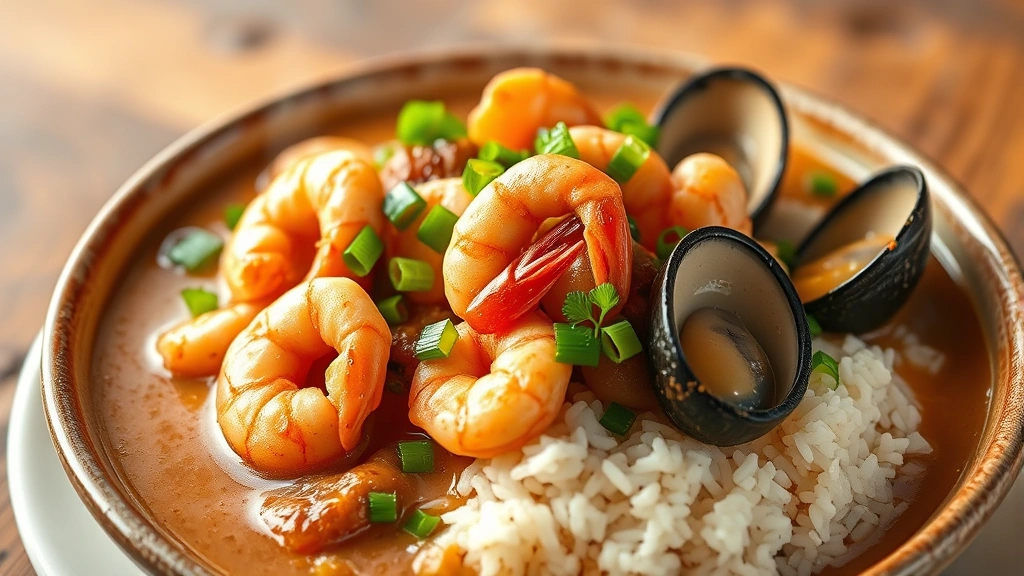
There’s nothing quite like a steaming bowl of authentic seafood gumbo—it’s pure comfort wrapped in complex flavors and Southern tradition. This beloved Louisiana classic combines the holy trinity of vegetables (onions, celery, and bell peppers) with a deeply rich roux, succulent shrimp, crab, and oysters, all simmered together in a savory broth that’s simply irresistible.
Gumbo is more than just a recipe; it’s a celebration of coastal flavors and culinary heritage. The beauty of this seafood gumbo lies in its versatility and the depth of flavor that builds with each ingredient. Whether you’re cooking for a special occasion or a casual weeknight dinner, this recipe will transport you straight to the heart of New Orleans.
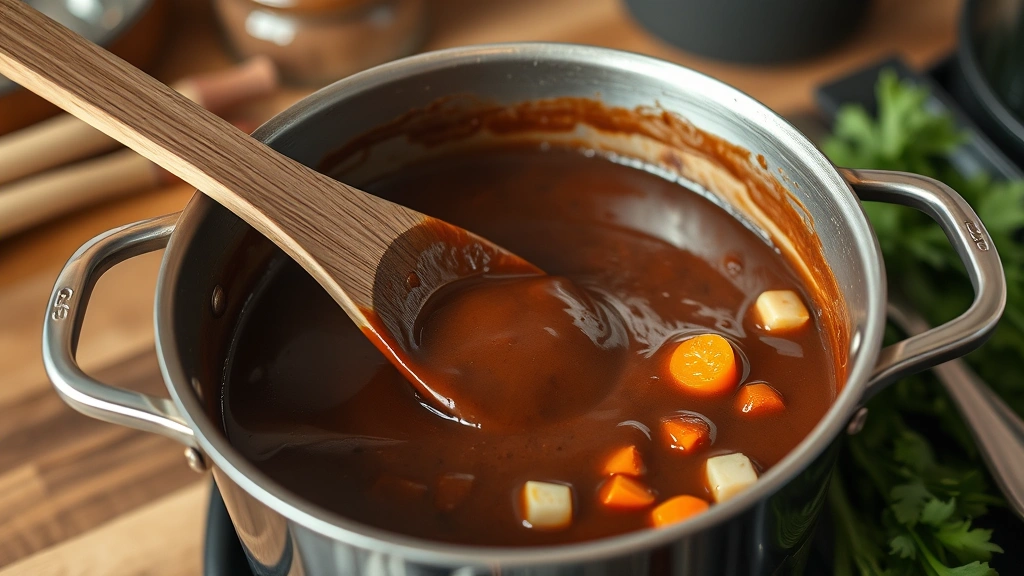
The secret to the best seafood gumbo starts with a proper roux—a foundation that should be cooked low and slow until it reaches a deep chocolate brown color. This isn’t a task to rush, but the patience you invest will reward you with an incredibly rich, complex base. From there, we layer in aromatics, seafood stock, and an array of fresh Gulf seafood that makes this dish absolutely spectacular.
I’ve refined this recipe over years of cooking, and I’m thrilled to share my techniques with you. You’ll learn how to build flavors methodically, how to select the best seafood, and how to achieve that signature gumbo consistency that’s neither too thin nor too thick. Serve this over fluffy white rice with a sprinkle of fresh parsley and sliced green onions, and prepare for compliments galore.
This recipe serves eight generously and reheats beautifully, making it perfect for entertaining or meal prep. The flavors actually deepen after a day or two, so don’t hesitate to make it ahead. Whether you’re a seasoned gumbo cook or making this for the first time, I promise this recipe will become a cherished favorite in your kitchen.
For more inspiring seafood recipes, check out our Best Blackberry Crisp Recipe for dessert inspiration, or explore our Best Vanilla Ice Cream Recipe for a cool finish. You might also enjoy learning about Best Crumb Topping Recipe techniques, and don’t miss our Best Chocolate Cake Recipe for your next gathering. For more gumbo inspiration and techniques, visit Serious Eats, Bon Appétit, and New York Times Cooking for additional seafood wisdom.
Ingredients
- 1 cup vegetable oil
- 1 cup all-purpose flour
- 2 large yellow onions, diced
- 4 celery stalks, diced
- 1 large green bell pepper, diced
- 4 cloves garlic, minced
- 6 cups seafood or chicken stock
- 2 cups diced tomatoes with juice
- 2 tablespoons tomato paste
- 1 pound large shrimp, peeled and deveined
- 1 pound lump crab meat, picked over
- 1 pint fresh oysters with their liquid
- 2 bay leaves
- 1 tablespoon dried thyme
- 1 tablespoon dried oregano
- 2 teaspoons smoked paprika
- 1 teaspoon cayenne pepper
- ½ teaspoon black pepper
- 1 teaspoon salt, plus more to taste
- ½ teaspoon hot sauce (like Tabasco)
- 2 tablespoons fresh parsley, chopped
- 3 green onions, sliced
- Cooked white rice for serving
- File powder for garnish (optional)
Instructions
- In a large, heavy-bottomed pot or Dutch oven, heat the vegetable oil over medium heat until it shimmers, about 2 minutes.
- Add the flour gradually, stirring constantly with a wooden spoon to create a smooth paste.
- Continue cooking and stirring the roux frequently for 30-40 minutes, until it reaches a deep chocolate brown color—this is crucial for developing the authentic gumbo flavor and cannot be rushed.
- Once your roux is the correct color, add the diced onions, celery, and bell pepper (the holy trinity) and stir constantly for about 5 minutes until the vegetables begin to soften.
- Add the minced garlic and cook for another minute, stirring constantly until fragrant.
- Gradually add the seafood stock while stirring to combine it smoothly with the roux base, breaking up any lumps as you go.
- Stir in the diced tomatoes with their juice and the tomato paste, mixing until well incorporated.
- Add the bay leaves, thyme, oregano, smoked paprika, cayenne pepper, black pepper, salt, and hot sauce.
- Bring the mixture to a simmer, then reduce heat to low and let it simmer gently for 20 minutes to allow the flavors to meld together.
- Add the peeled and deveined shrimp to the pot, stirring gently to distribute evenly throughout the gumbo.
- Simmer for 3-4 minutes until the shrimp just begin to turn pink and are cooked through.
- Gently fold in the lump crab meat, being careful not to break up the large chunks.
- Add the fresh oysters along with their liquid, stirring gently.
- Simmer for another 2-3 minutes until the oysters’ edges just begin to curl, indicating they’re cooked through.
- Taste the gumbo and adjust seasoning with additional salt, cayenne, or hot sauce as desired.
- Remove from heat and stir in the fresh parsley and most of the sliced green onions, reserving some for garnish.
- Ladle the gumbo into bowls over fluffy white rice and garnish with remaining green onions and file powder if desired.

Pro Tips
The holy trinity of onions, celery, and bell peppers is fundamental to Louisiana cooking and provides the aromatic base that makes gumbo so distinctive. Some cooks prefer a 2:1:1 ratio, but this recipe uses equal parts for balance.
Seafood quality matters tremendously in this recipe. Purchase shrimp and crab from a reputable fishmonger if possible, and look for oysters that smell like the ocean, not fishy. Fresh oysters are preferable to frozen, but frozen work in a pinch.
This gumbo can be made one to two days ahead—the flavors actually improve as they meld together. Store in an airtight container in the refrigerator and reheat gently over low heat on the stovetop, adding a splash of stock if needed to restore the consistency.
File powder, made from ground sassafras leaves, is a traditional thickener and flavoring agent in gumbo. It’s added at the end of cooking or sprinkled on individual servings. Don’t add it during cooking as it can become stringy.
If fresh oysters aren’t available, you can substitute with additional shrimp or crab, though the flavor profile will differ slightly. Some traditional gumbo recipes use andouille sausage in addition to seafood—add diced andouille when you add the trinity vegetables if desired.
This recipe serves eight as a main course when ladled over rice. For a more formal presentation, use wide, shallow bowls and arrange the seafood artfully on top of the rice before ladling the broth around it.
Left over gumbo freezes exceptionally well for up to three months. Freeze in airtight containers or freezer bags, leaving a bit of headspace for expansion. Thaw overnight in the refrigerator before reheating.
For the best flavor, make your own seafood stock from shrimp and crab shells, though store-bought works well. The stock quality directly impacts the final gumbo flavor, so choose a quality brand if buying.