
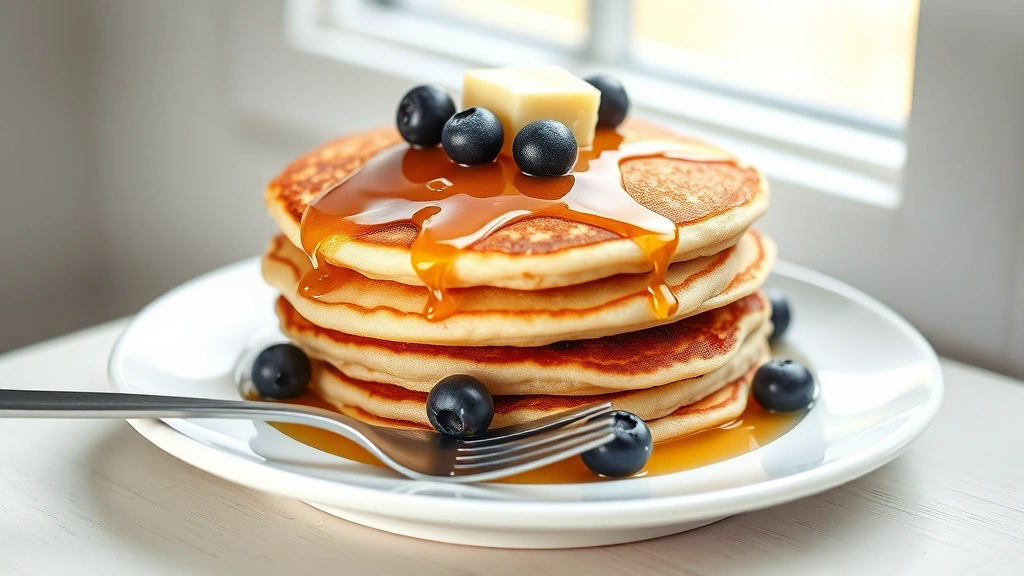
There’s something absolutely magical about self-rising flour pancakes – they’re fluffy, forgiving, and come together in minutes without any fussy measuring of baking powder and baking soda. This is the recipe I return to again and again, whether I’m feeding a hungry family on a lazy Sunday morning or whipping up a quick breakfast before rushing out the door. Self-rising flour is truly a home baker’s secret weapon, and once you discover how beautifully it works in pancakes, you’ll never look back.
The beauty of this recipe lies in its simplicity. Self-rising flour already contains the perfect balance of baking powder and salt, which means you’re starting with a head start toward fluffy, tender pancakes. All you need to add is eggs, milk, and a touch of butter – that’s it! No complicated ingredient list, no wondering if you’ve added too much leavening agent. It’s straightforward, reliable, and produces consistently stunning results every single time.
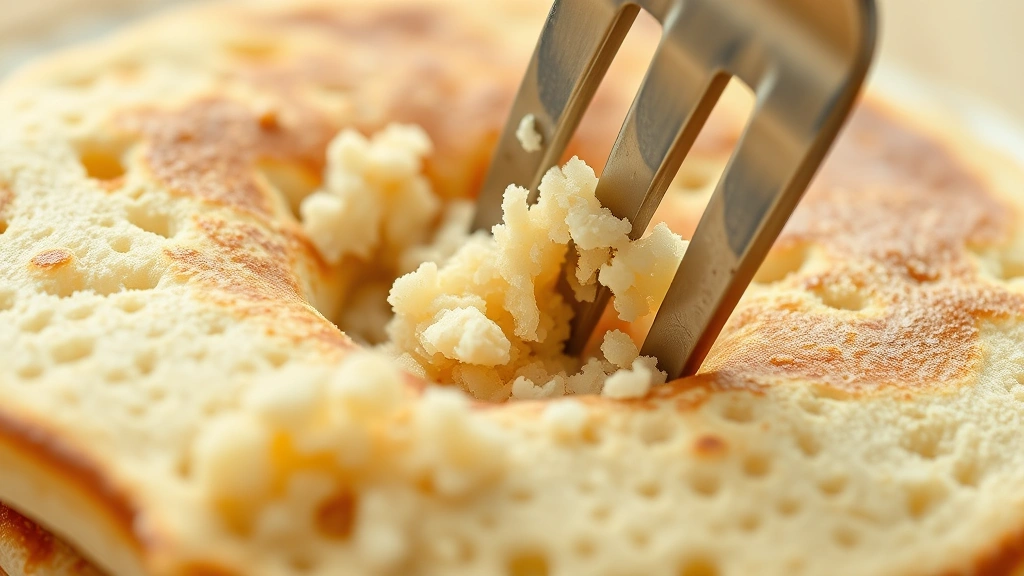
What makes these pancakes truly special is the technique. We’re not just dumping ingredients together and hoping for the best. Instead, we’re creating a batter that’s light and airy, with just a hint of sweetness and richness from butter and a touch of vanilla. The key is not to overmix – this is crucial. Overmixing develops the gluten in the flour, which leads to tough, dense pancakes. We want tender, pillowy pancakes that practically melt in your mouth.
I’ve tested this recipe dozens of times, and I’ve found that the ratio of dry ingredients to wet ingredients is absolutely critical. Too much milk, and your pancakes spread out and become thin and rubbery. Too little, and they’re dense and gummy in the center. This recipe hits that perfect sweet spot every time. The batter should be slightly lumpy – those little lumps are your friends, they’re what create those beautiful, tender crumb structures.
One of my favorite things about this recipe is how endlessly adaptable it is. You can add mashed banana, fresh blueberries, chocolate chips, or even a hint of cinnamon and nutmeg. You can make them mini-sized for the kids or go full stack for the adults. You can serve them with classic maple syrup and butter, or get creative with toppings like whipped cream, fresh berries, or even savory options like crispy bacon and a fried egg.
I’ve also discovered that self-rising flour pancakes are perfect for meal prep. You can make a big batch, let them cool completely, and then freeze them in an airtight container. Just pop them in the toaster to reheat them whenever you need a quick breakfast. It’s the kind of recipe that makes weekday mornings so much easier and more delicious. This is truly my go-to self-rising flour recipe, and I’m thrilled to share it with you today. Trust me, once you master this recipe, you’ll be making these pancakes all the time!
Ingredients
- 2 cups self-rising flour
- 2 tablespoons granulated sugar
- 1 teaspoon vanilla extract
- 1¾ cups whole milk
- 2 large eggs
- 3 tablespoons unsalted butter, melted
- Pinch of salt (optional, since self-rising flour contains salt)
- Butter for the griddle or skillet
- Maple syrup for serving
- Fresh berries for topping (optional)
Instructions
- Preheat your griddle or large skillet over medium heat. If you don’t have a griddle, a non-stick skillet works beautifully too. Let it heat for a few minutes while you prepare your batter – this ensures even cooking and those gorgeous golden-brown edges.
- In a large mixing bowl, whisk together the self-rising flour and granulated sugar. Make sure to break up any lumps in the flour so your pancakes will be perfectly tender.
- In a separate bowl, whisk together the eggs, whole milk, melted butter, and vanilla extract until well combined and smooth. This is where all your wet ingredients come together.
- Pour the wet ingredients into the dry ingredients and gently fold them together using a spatula or wooden spoon. The key here is to stir just until the ingredients are barely combined – lumps in the batter are totally fine and actually desirable! Overmixing will result in tough pancakes, so resist the urge to make the batter perfectly smooth.
- Add a small amount of butter to your preheated griddle, allowing it to melt and coat the surface evenly. You want just enough butter for flavor and to prevent sticking, but not so much that your pancakes become greasy.
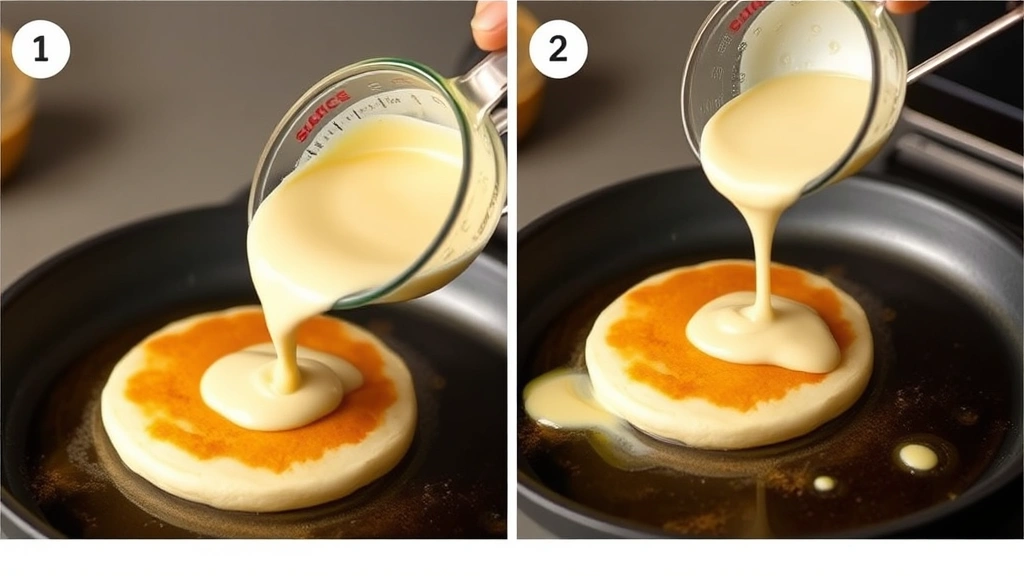
- Using a ¼ cup measuring cup or an ice cream scoop, pour the batter onto the griddle, spacing the pancakes a few inches apart so they have room to spread slightly. You should hear a satisfying sizzle when the batter hits the hot surface.
- Cook the pancakes for 2-3 minutes, or until the edges look set and you see bubbles forming on the surface of the batter. The bubbles are your signal that it’s time to flip!
- Using a thin spatula, carefully slide it under each pancake and flip them over in one smooth motion. This takes a little practice, but you’ll get the hang of it. Cook the other side for another 1-2 minutes until golden brown.
- Transfer the cooked pancakes to a warm plate or baking sheet, and keep them warm in a 200-degree oven while you cook the remaining batter. This ensures that all your pancakes are hot and fluffy when you serve them.
- Repeat the process with the remaining batter, adding more butter to the griddle as needed. You may need to adjust the heat slightly as you go – if the pancakes are browning too quickly, turn it down a bit.
- Serve your beautiful, fluffy pancakes immediately while they’re still warm, topped with maple syrup, butter, fresh berries, whipped cream, or your favorite toppings. These pancakes are best enjoyed fresh off the griddle!
Pro Tips
- Self-rising flour is the star of this recipe – it already contains baking powder and salt, so you don’t need to measure these separately. If you can’t find self-rising flour, you can make your own by mixing 2 cups all-purpose flour with 2½ teaspoons baking powder and ½ teaspoon salt.
- Don’t overmix your batter! This is the most common mistake people make with pancakes. Lumpy batter is your friend – those lumps create tender, fluffy pancakes. Overmixing develops gluten and results in tough, rubbery pancakes.
- The batter consistency should be thick but pourable. If it seems too thick, add a tablespoon of milk at a time until you reach the right consistency. If it’s too thin, add a tablespoon of flour.
- For extra fluffy pancakes, let the batter rest for 5 minutes before cooking. This allows the self-rising flour to fully hydrate and activate.
- You can customize these pancakes endlessly: add mashed banana, blueberries, chocolate chips, diced strawberries, or even a teaspoon of cinnamon to the dry ingredients.
- If you prefer thicker pancakes, use slightly less milk. For thinner, crepe-like pancakes, add a bit more milk.
- Keep cooked pancakes warm in a 200-degree oven on a baking sheet while you finish cooking the rest.
- These pancakes freeze beautifully! Let them cool completely, then stack them with parchment paper between each pancake and freeze in an airtight container for up to 3 months. Reheat in the toaster.
- For perfectly round pancakes, try using a pancake ring or mold on your griddle.
- Don’t flip pancakes too early – wait for bubbles to form on the surface and the edges to look set before flipping. This creates that beautiful golden-brown exterior.
- For savory pancakes, omit the sugar and vanilla, and serve with crispy bacon or a fried egg on top.
- Make a big batch and serve family-style with all the toppings on the table – fresh berries, whipped cream, maple syrup, and more butter.