
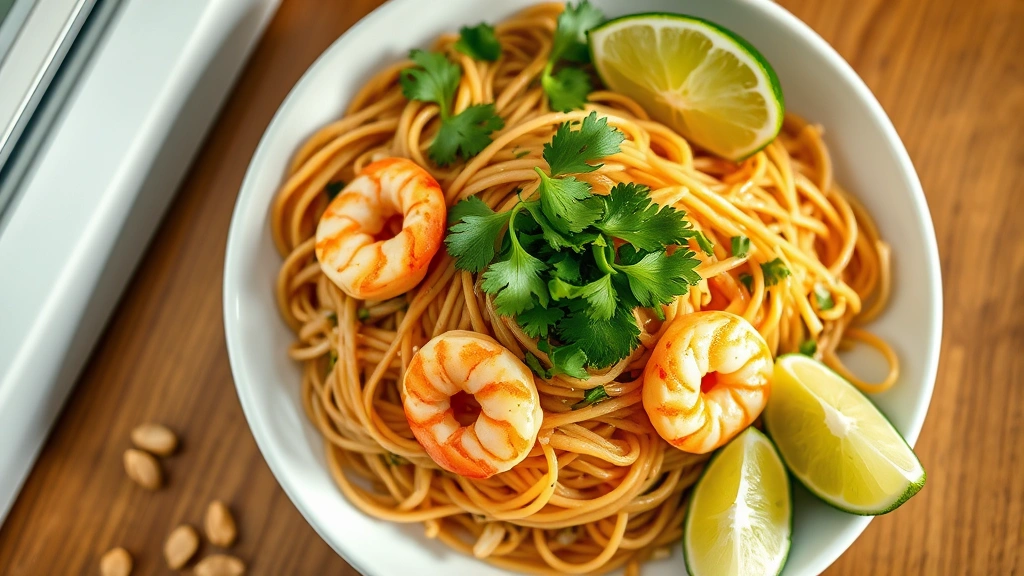
There’s nothing quite like authentic shrimp pad thai made right in your own kitchen! This beloved Thai street food is easier to recreate at home than you might think, and once you master this simple technique, you’ll be making it again and again. The beauty of pad thai lies in its perfect balance of sweet, sour, salty, and spicy flavors all coming together in one incredible noodle dish.
What makes this shrimp pad thai recipe so special is the combination of tender, succulent shrimp with chewy rice noodles and a glossy, flavorful sauce that coats every bite. I’ve simplified the traditional method without sacrificing any of that authentic taste you crave. The key is having all your ingredients prepped and ready before you start cooking—this is a quick-cooking dish that comes together in minutes once you hit the wok or skillet.
This recipe serves four people as a main course and pairs beautifully with a cold Thai iced tea or a crisp white wine. The freshness of the lime juice, the heat from the chili, and the richness of the peanuts create a dish that’s restaurant-quality but completely doable at home. Whether you’re a seasoned home cook or just starting your culinary journey, you’ll find this shrimp pad thai recipe approachable and absolutely delicious.
I love making pad thai for weeknight dinners because it’s faster than ordering takeout, and you control exactly what goes into it. Plus, it’s a great way to use up shrimp from your freezer. The versatility of simple recipes extends to pad thai too—you can easily customize it with your favorite vegetables or adjust the spice level to suit your taste.
Let me walk you through everything you need to know to make the best shrimp pad thai at home. From selecting the right noodles to achieving that perfect char and flavor, I’ll share all my secrets and tips. This is comfort food at its finest, and it’s about to become one of your favorite go-to recipes.
One of the things I appreciate most about this dish is how it brings together simple, quality ingredients to create something truly special. The technique and timing matter in pad thai, and this recipe breaks it down so anyone can succeed. You’ll want to have your mise en place completely prepared before you start cooking, as everything happens very quickly once the heat is on.
I’ve tested this recipe dozens of times to get it just right, and I’m confident it will become a staple in your kitchen. The shrimp cooks perfectly in just a few minutes, and the noodles absorb all those incredible flavors. Your family will be asking for seconds, and your friends will be amazed that you made authentic pad thai from scratch.
The beauty of learning to make pad thai is that it opens up a whole world of Thai cooking possibilities. Once you understand the flavor balance and technique, you can experiment with different proteins or create variations. But this classic version with shrimp is truly unbeatable. Let’s get cooking!
See also our guide to simple ingredient recipes and our tips for perfecting classic techniques. For more Asian-inspired dishes, check out Bon Appétit’s pad thai inspiration and New York Times Cooking’s classic pad thai.
Ingredients
- 8 ounces dried rice noodles (about 1/4 inch wide)
- 1 pound large shrimp, peeled and deveined
- 3 tablespoons tamarind paste
- 3 tablespoons fish sauce
- 2 tablespoons palm sugar (or brown sugar)
- 3 tablespoons vegetable oil
- 4 cloves garlic, minced
- 2 eggs
- 1 cup fresh bean sprouts
- 3 green onions, cut into 1-inch pieces
- 1/2 cup roasted peanuts, roughly chopped
- 2 red chilies, sliced (or 1/2 teaspoon red pepper flakes)
- 1 lime, cut into wedges
- Salt and pepper to taste
- Optional: 1 cup snap peas or bell peppers, sliced
Instructions
- Soak the rice noodles in room temperature water for 30-40 minutes until they’re pliable but still firm. They should bend without breaking. Drain well in a colander and set aside.
- In a small bowl, whisk together the tamarind paste, fish sauce, and palm sugar until the sugar dissolves completely. Taste and adjust seasonings as needed—this is your pad thai sauce and it should be balanced between sweet, sour, and salty.
- Pat the shrimp dry with paper towels and season lightly with salt and pepper. Dry shrimp will cook better and develop a nice golden color.
- Heat 2 tablespoons of oil in a large wok or skillet over medium-high heat until it shimmers. This should take about 1-2 minutes.
- Add the minced garlic to the hot oil and stir constantly for about 30 seconds until fragrant. Be careful not to burn the garlic.
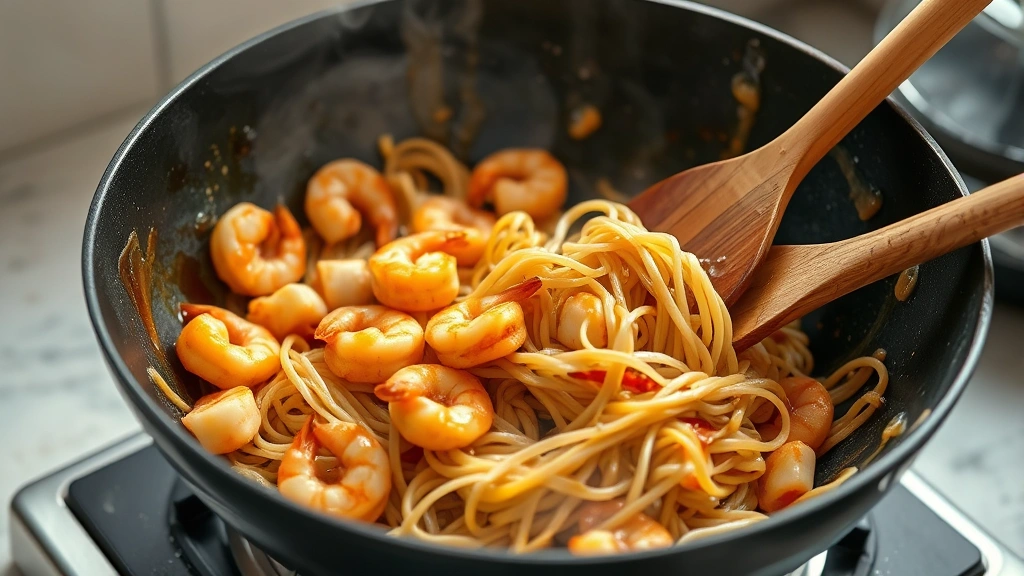
- Add the shrimp to the wok and cook for about 2-3 minutes, stirring occasionally, until they just start to turn pink. Don’t overcook them—they’ll continue cooking with the noodles.
- Push the shrimp to the side of the wok and add the remaining 1 tablespoon of oil to the empty space. Crack the eggs directly into the wok and let them cook for about 30 seconds before scrambling them with a spatula, breaking them into small pieces.
- Add the drained rice noodles to the wok along with the sauce. Toss everything together vigorously for 2-3 minutes, making sure the noodles are evenly coated with the sauce and everything is heated through.
- Add the snap peas or bell peppers if using, and continue tossing for another minute until the noodles are tender and glossy.
- Remove the wok from heat and stir in most of the bean sprouts and green onions, reserving some for garnish. Taste and adjust seasonings with additional fish sauce, lime juice, or sugar as needed.
- Divide the pad thai among four plates or bowls. Top each serving with chopped peanuts, remaining bean sprouts, green onions, and sliced red chilies.
- Serve immediately with lime wedges on the side, squeezing fresh lime juice over each plate just before eating.
Pro Tips
- Rice noodles are essential for authentic pad thai—don’t substitute with other noodle types. Look for them in the Asian section of your grocery store.
- Tamarind paste gives pad thai its signature tangy flavor. If you can’t find it, you can substitute with a combination of lime juice and a touch of brown sugar, though the flavor won’t be quite the same.
- Have all ingredients prepped and ready before you start cooking. This is a quick-cooking dish and there’s no time to chop vegetables once you begin.
- The key to great pad thai is high heat and constant movement. Keep everything moving in the wok to prevent sticking and ensure even cooking.
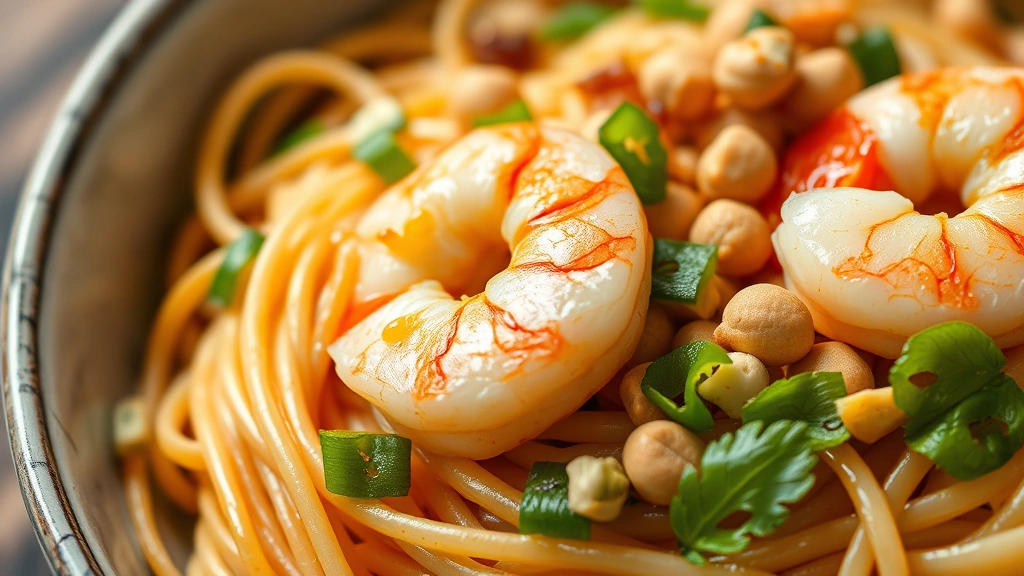
- Shrimp size matters—large shrimp cook more evenly and stay tender. Avoid tiny shrimp as they can become rubbery.
- This recipe is highly customizable. Add broccoli, carrots, or cashews if desired. Some people prefer chicken or tofu instead of shrimp.
- Fish sauce has a strong smell, but trust me—it’s essential for authentic pad thai flavor. Start with the amount called for and adjust to taste.
- Fresh lime juice at the end brightens all the flavors. Bottled lime juice won’t give the same result.
- Leftover pad thai can be stored in an airtight container in the refrigerator for up to 2 days, though it’s best eaten fresh.
- If you prefer less spice, remove the seeds from the chilies or reduce the amount. You can always add more heat at the table.
- Palm sugar provides a slightly different flavor than regular sugar, but brown sugar works as a substitute.
- For a vegetarian version, substitute fish sauce with soy sauce and use tofu instead of shrimp.
Pingback: Blackened Seasoning Recipe: Ultimate Homemade Cajun Blend - Simple Recipe Finder
Pingback: Cajun Seasoning Recipe: Ultimate Homemade Blend in 5 Minutes - Simple Recipe Finder
Pingback: Coconut Margarita Recipe: Best Tropical Twist in 5 Minutes - Simple Recipe Finder