
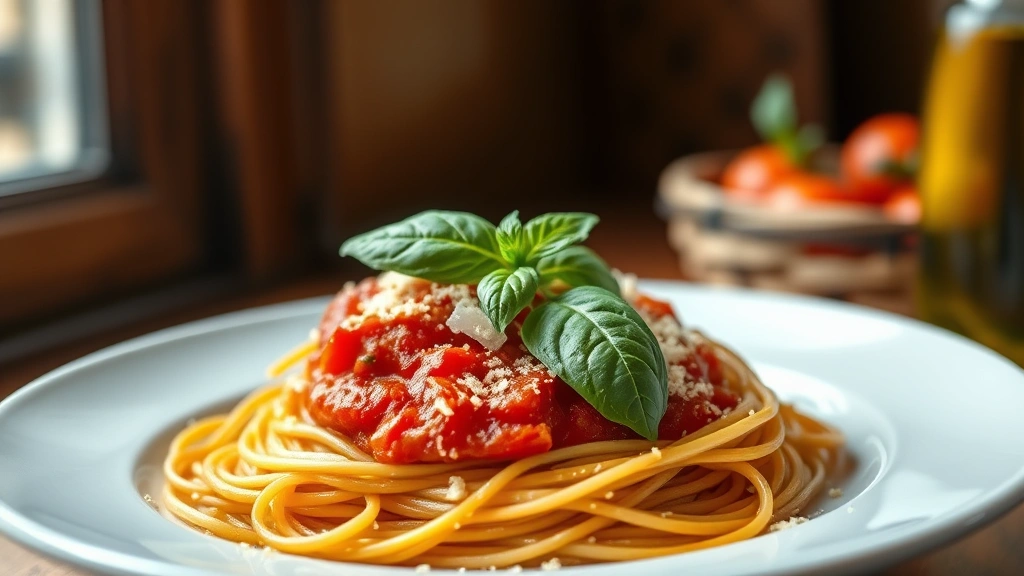
There’s something absolutely magical about a perfectly simple spaghetti recipe that requires just a handful of ingredients and minimal fuss. This is the kind of dish that reminds us why Italian cuisine is so beloved around the world—it lets quality ingredients shine without unnecessary complications. Whether you’re a busy weeknight warrior or someone who simply appreciates the beauty of simplicity, this spaghetti recipe is about to become your go-to dinner solution.
What makes this simple spaghetti truly special isn’t just the ease of preparation, but the incredible depth of flavor that comes from taking time with each component. We’re talking perfectly al dente pasta, a silky tomato sauce that tastes like it’s been simmering for hours (but hasn’t), and finishing touches that elevate the entire dish. This isn’t complicated cooking—it’s smart, intentional cooking that respects the ingredients and your time.
I absolutely love making this recipe on those evenings when I want something comforting and delicious without spending hours in the kitchen. The technique is foolproof, the ingredients are likely already in your pantry, and the results are restaurant-worthy. Pair it with a crisp glass of white wine, fresh bread for sauce-soaking, and maybe a simple side salad like our Best Chickpea Salad Recipe, and you have yourself an elegant dinner that feels like you spent all day cooking.
What I love most about this simple spaghetti recipe is its versatility. Once you master the basic technique, you can build upon it. Add protein like pancetta or ground beef for a richer sauce, or keep it vegetarian and let those beautiful tomatoes be the star. You could even incorporate elements from our Delicious Heavy Cream Pasta Recipe if you’re in the mood for something extra creamy, or explore different pasta shapes and sauce variations.
The secret to making truly exceptional simple spaghetti lies in a few key techniques that I’m going to share with you. First, we’re using high-quality canned tomatoes—San Marzano if you can find them—because they provide consistent flavor and acidity. Second, we’re building flavor gradually with a proper soffritto base, then letting the sauce develop naturally. Third, we’re finishing with fresh basil and good olive oil, which adds brightness and richness simultaneously. These small touches transform an everyday pasta into something special.
If you’re interested in exploring other pasta options, you might also enjoy our Best Heavy Cream Alfredo Sauce Recipe for nights when you want something creamy, or our Easy Chicken Alfredo Recipe when you’re adding protein to the mix. But there’s truly something unbeatable about this simple version that lets you taste every ingredient working in harmony.
For wine pairings and more detailed cooking techniques, I recommend checking out Serious Eats’ pasta basics guide and Bon Appétit’s classic tomato sauce recipe. These resources provide additional insights into Italian cooking fundamentals. You might also enjoy the New York Times simple tomato sauce for another perspective on this timeless classic.
The beauty of this recipe is that it respects your time and your ingredients. No unnecessary steps, no complicated techniques, just pure Italian-inspired cooking that delivers results every single time. Once you make this a few times, it becomes second nature—the kind of dish you can prepare without even consulting the recipe.
Ingredients
- 1 pound spaghetti
- 2 cans (28 ounces each) San Marzano tomatoes, crushed by hand
- 4 cloves garlic, minced
- 1 small onion, finely diced
- 3 tablespoons high-quality extra virgin olive oil
- 1 teaspoon kosher salt, plus more to taste
- 1/2 teaspoon freshly cracked black pepper
- 1/4 teaspoon red pepper flakes (optional)
- 1 cup fresh basil leaves
- 2 tablespoons fresh parmesan cheese, plus more for serving
- Pinch of sugar (if tomatoes are too acidic)
- Water for pasta and sauce
Instructions
- Bring a large pot of salted water to a rolling boil. The water should taste like the sea—this is your only opportunity to season the pasta itself. Once boiling, add spaghetti and cook according to package directions until al dente, usually 8-10 minutes. Stir occasionally to prevent sticking.
- While the pasta is cooking, prepare the sauce. Heat olive oil in a large skillet over medium heat until shimmering but not smoking.
- Add the diced onion to the hot oil and cook for 3-4 minutes, stirring occasionally, until softened and translucent. This builds the flavor foundation of your sauce.
- Add the minced garlic to the pan and cook for 30 seconds to 1 minute, stirring constantly, until fragrant. Be careful not to let it brown, as this can make the sauce bitter.
- Pour in the crushed tomatoes, including all the juice from the cans. Add the salt, black pepper, and red pepper flakes if using. Stir well to combine all ingredients.
- Bring the sauce to a gentle simmer over medium heat. Reduce heat to medium-low and let simmer uncovered for 15-20 minutes, stirring occasionally. The sauce should bubble gently at the edges and reduce slightly, concentrating the flavors.
- Taste the sauce and adjust seasonings as needed. If the tomatoes are too acidic, add a small pinch of sugar and stir well. Remember that you can always add more seasoning, but you can’t take it out.
- When the pasta is al dente, reserve 1 cup of pasta water before draining. Drain the spaghetti in a colander but don’t rinse it—the starch on the pasta helps the sauce cling.
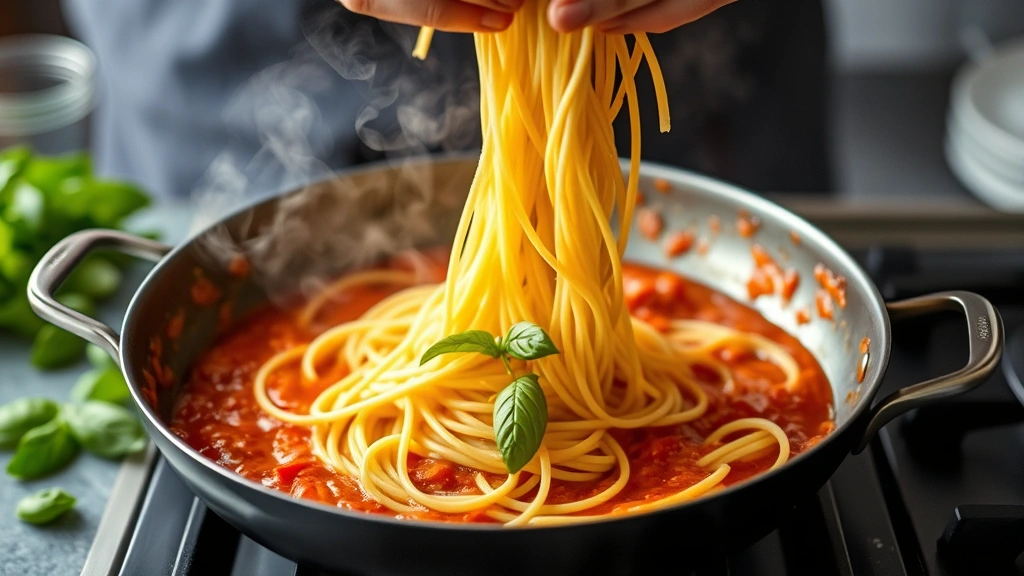
- Add the drained pasta directly to the sauce in the skillet. Toss well to combine, adding pasta water gradually (starting with 1/4 cup) until the sauce coats the spaghetti nicely and creates a silky consistency.
- Remove the skillet from heat. Tear about 3/4 cup of fresh basil leaves and gently fold them into the pasta along with the parmesan cheese. Reserve a few basil leaves for garnish.
- Divide the spaghetti among four serving bowls. Drizzle each portion with a small amount of additional extra virgin olive oil, top with reserved basil leaves, and finish with freshly grated parmesan cheese.
- Serve immediately while hot, with extra parmesan cheese on the side and additional olive oil for those who want it.
Pro Tips
- Al dente is absolutely key to this recipe. The pasta should have a slight firmness when you bite into it, not mushy or chalky. Start checking the pasta a minute or two before the package directions suggest.
- San Marzano tomatoes are worth seeking out because they have lower acidity, fewer seeds, and a sweeter flavor profile than other canned tomatoes. They make a noticeably better sauce, though good-quality crushed tomatoes will work in a pinch.
- Don’t skip reserving pasta water! This starchy liquid is a professional chef’s secret weapon. It helps emulsify the sauce with the pasta, creating a silky coating rather than a separated sauce sitting on top of dry noodles.
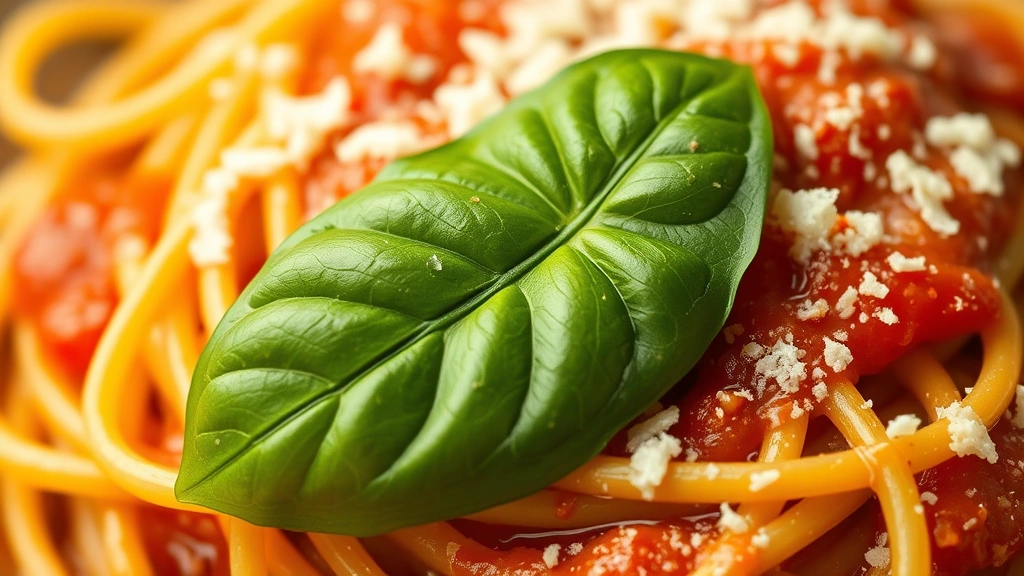
- Fresh basil should be added at the very end of cooking to preserve its bright flavor and color. If added too early, it can darken and lose its aromatic qualities.
- The red pepper flakes are entirely optional and should only be added if you enjoy heat. Start with 1/4 teaspoon and adjust to your preference.
- This sauce can be made ahead and refrigerated for up to 3 days, or frozen for up to 3 months. Simply reheat gently before tossing with freshly cooked pasta.
- Quality olive oil makes a huge difference in the final dish. Use a good extra virgin oil for finishing, and save your everyday olive oil for cooking.
- If you have leftover sauce, it’s delicious the next day, wonderful for dipping bread, and perfect for layering into pasta bakes or other Italian dishes.
- For a more substantial meal, add grilled chicken, sautéed mushrooms, or a handful of spinach. This simple sauce is truly a blank canvas for your creativity.
- Serve immediately with crusty bread and a simple green salad dressed with lemon vinaigrette for a complete, elegant meal.