
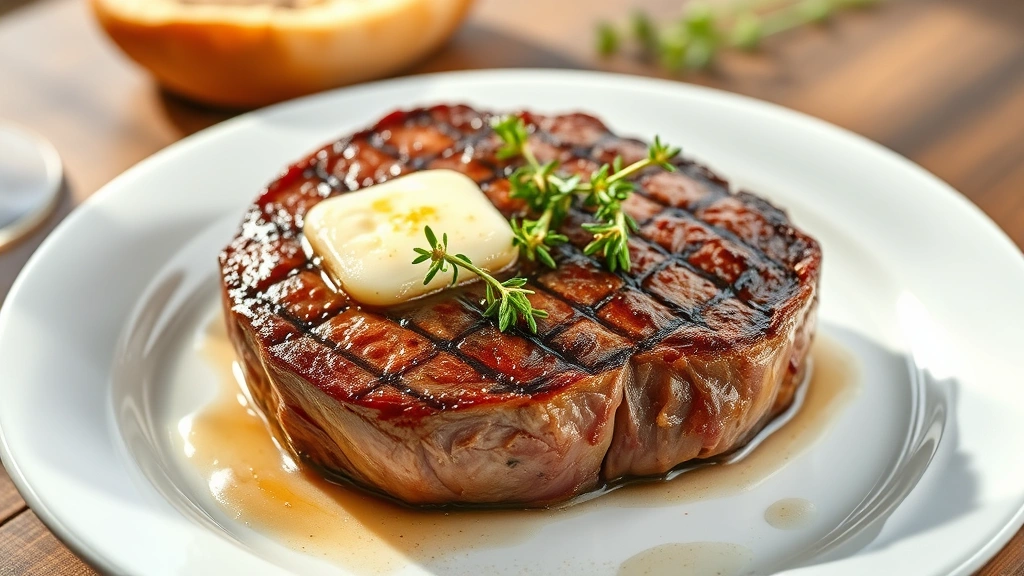
There’s something absolutely magical about a perfectly cooked sirloin steak – that beautiful crust, the juicy pink center, and the way it just melts in your mouth. I’m sharing my foolproof method for cooking sirloin steak that will have everyone at your table asking for seconds!
Sirloin steak is one of my favorite cuts to work with because it’s flavorful, forgiving, and absolutely delicious when you know the right techniques. This isn’t complicated restaurant cooking – it’s simple, straightforward methods that deliver incredible results every single time. The key is starting with quality meat, using proper seasoning, and respecting the cooking process.
I’ve been making sirloin steak for years, and I’ve learned that the best approach combines high heat, proper timing, and patience. You don’t need fancy equipment or complicated ingredients. Just good steak, salt, pepper, butter, and garlic. That’s literally it. When you strip away all the fancy techniques, you’re left with something pure and delicious that highlights the natural flavor of the meat.
What makes this method different is the attention to detail in every step. From choosing the right thickness to letting your steak rest properly, each element contributes to that perfect final result. I’ve tested this recipe dozens of times, and I’m confident that if you follow these steps, you’ll create steakhouse-quality results in your own kitchen.
This sirloin steak recipe is perfect for date night, a special dinner, or whenever you want to impress someone with your cooking skills. It pairs beautifully with roasted vegetables, creamy mashed potatoes, or a fresh salad. For dessert, you might love my Mini Cake or Chantilly Cream to finish the meal on a sweet note.
I’ve also found that understanding the science behind cooking steak makes you a better cook overall. When you know why you’re doing something – like why resting is crucial or how salt affects the meat – you can adapt and troubleshoot any situation. This knowledge carries over to other proteins too.
Let me share everything I know about making the best sirloin steak. Whether you’re a beginner or someone who’s cooked steak before, you’ll find valuable tips here. Check out Banana Bread with Chocolate Chips and my Detox Smoothie for other favorite recipes. For more cooking inspiration, I recommend checking out Serious Eats and Bon Appétit for additional techniques.
The beauty of sirloin steak is that it doesn’t require a ton of fussy preparation. It’s an approachable cut that rewards good technique without demanding perfection. My goal is to give you the confidence to cook this at home and feel proud of what you’ve created.
Ingredients
- 2 sirloin steaks (1.5 inches thick, about 10-12 ounces each)
- Kosher salt
- Freshly ground black pepper
- 2 tablespoons high-heat cooking oil (vegetable or canola)
- 3 tablespoons unsalted butter
- 4 cloves garlic, smashed
- 3-4 sprigs fresh thyme or rosemary
- Optional: 1/2 teaspoon garlic powder
- Optional: 1/4 teaspoon cayenne pepper for subtle heat
Instructions
- Remove your sirloin steaks from the refrigerator 30 minutes before cooking. This allows them to come to room temperature, ensuring even cooking throughout. Room temperature meat cooks more consistently than cold meat straight from the fridge.
- Pat the steaks completely dry using paper towels. Moisture is the enemy of a good crust, so don’t skip this step. Really press the towels against the meat to absorb any surface moisture.
- Generously season both sides of each steak with kosher salt and freshly ground black pepper. I recommend seasoning them about 10-15 minutes before cooking so the salt can begin to break down the surface and enhance the meat’s natural flavors.
- Heat your cast iron skillet or heavy-bottomed stainless steel pan over high heat for about 2-3 minutes. The pan needs to be smoking hot – this is crucial for developing that beautiful, flavorful crust. Test the heat by holding your hand 6 inches above the pan; you should feel intense heat.
- Add your high-heat cooking oil to the hot pan and wait about 30 seconds for it to shimmer and almost smoke. This is the perfect time to place your steaks in the pan.
- Carefully place the steaks in the hot pan and DO NOT MOVE THEM for the first 3-4 minutes. Resist the urge to flip or fidget with them. This is when the beautiful brown crust forms through the Maillard reaction. You should hear an immediate, satisfying sizzle.
- After 3-4 minutes, flip the steaks and cook for another 3-4 minutes on the second side. For a 1.5-inch thick steak, this timing gets you to medium-rare. If you prefer medium, add an additional 1-2 minutes per side.
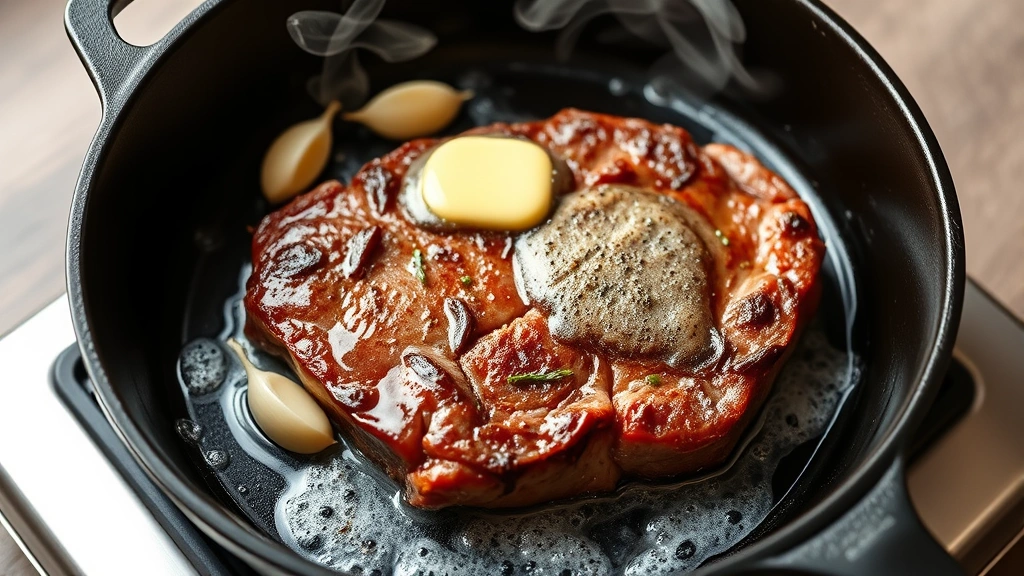
- During the last minute of cooking, add the butter, smashed garlic cloves, and fresh herbs to the pan. Tilt the pan and baste the steaks repeatedly with this foaming butter mixture. This adds incredible flavor and keeps the meat moist.
- Use a meat thermometer to check for doneness. For medium-rare, you’re looking for 130-135°F internally. Remove the steaks when they reach 5 degrees below your target temperature, as carryover cooking will continue to raise the internal temperature.
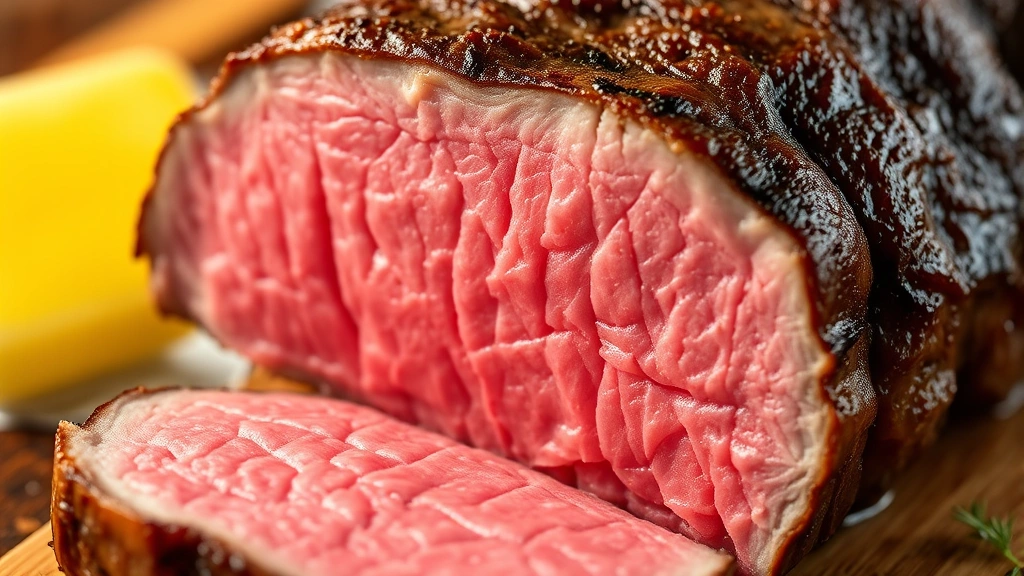
- Transfer the steaks to a clean plate or cutting board and let them rest for 5-10 minutes. This is absolutely essential – the resting period allows the juices to redistribute throughout the meat, ensuring every bite is juicy and tender.
- Spoon any pan juices and butter over the rested steaks before serving. Taste and add additional salt and pepper if needed. Serve immediately while still warm.
Pro Tips
Thermometer is Your Friend: Don’t rely on the touch test or timing alone. A meat thermometer removes all guesswork and ensures perfect results every time. Invest in a good instant-read thermometer.
Don’t Skip the Rest: Those 5-10 minutes of resting are when the magic happens. The muscle fibers relax, and the juices redistribute. Cutting into steak immediately releases all those delicious juices onto the plate instead of keeping them in the meat.
Pan Selection Matters: Cast iron and heavy stainless steel pans retain heat best. Non-stick pans won’t get hot enough to develop a proper crust. The pan should be smoking hot before the steak touches it.
Salt Timing: Salting 10-15 minutes before cooking allows the salt to dissolve and penetrate the meat, enhancing flavor throughout. Salting right before cooking can actually dry out the surface. However, salting immediately before (within a minute) is fine too – just avoid the awkward middle ground.
Oil Selection: Use oils with high smoke points like vegetable, canola, or avocado oil. Olive oil has a low smoke point and will burn at the high temperatures needed for searing.
Garlic and Herb Basting: This final step is what makes your steak taste like it came from a fancy steakhouse. The foaming butter carries the garlic and herb flavors right into the meat.
Leftover Steak Ideas: Slice leftover steak for steak sandwiches, add to salads, or chop into a steak and egg breakfast hash. It keeps in the refrigerator for 3-4 days.
Cooking for More People: This recipe easily doubles or triples. Just use a larger pan or cook in batches. Don’t overcrowd the pan or the steaks will steam instead of sear.
Sirloin vs Other Cuts: Sirloin is leaner than ribeye but more flavorful than filet mignon. It’s an excellent middle-ground cut that’s also more budget-friendly while still delivering restaurant-quality results.
Seasoning Variations: Try adding smoked paprika, garlic powder, or fresh herbs like rosemary before searing. Some people like a light dusting of cayenne for subtle heat.
Doneness Guide: Rare is 120-125°F, Medium-Rare is 130-135°F, Medium is 140-145°F, Medium-Well is 150-155°F, and Well-Done is 160°F and above. Remember that carryover cooking adds about 5 degrees after resting.
Pan Sauce: After removing the steaks, deglaze your pan with red wine or beef broth for a quick pan sauce. Simmer for a minute and spoon over the rested steaks.