
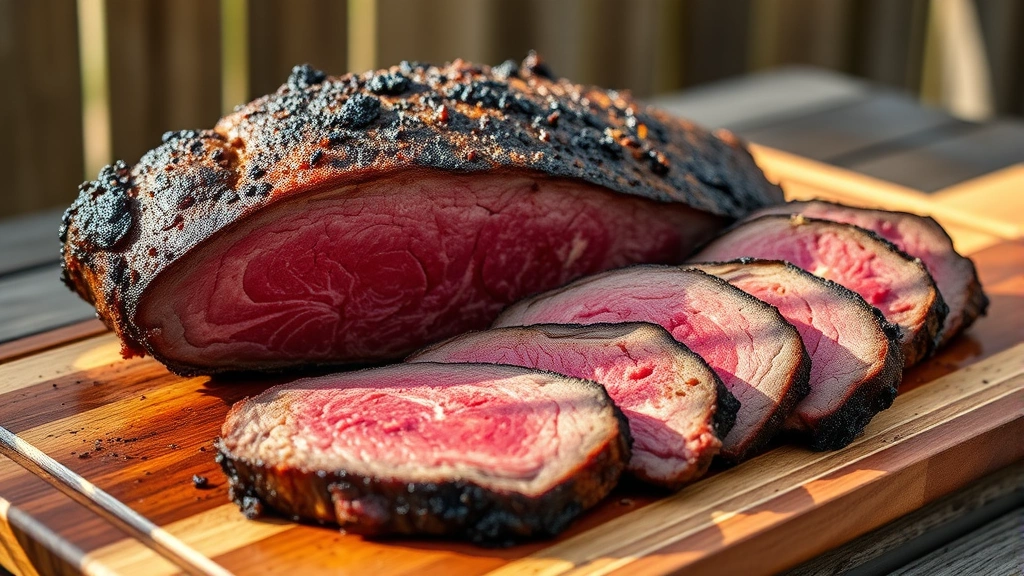
There’s something truly magical about smoking a chuck roast low and slow until it becomes fall-apart tender perfection. This smoked chuck roast recipe is an absolute showstopper that will have your guests asking for seconds, and it’s easier to make than you’d think! The key to the best smoked chuck roast is starting with quality meat, a stellar dry rub, and patience.
Chuck roast is the unsung hero of the smoking world. While brisket gets all the glory, chuck roast offers incredible marbling and connective tissue that transforms into gelatin during the long smoking process, creating an incredibly juicy and tender result. The beauty of smoking a chuck roast is that it’s more forgiving than other cuts—the higher fat content means you have more room for error, making it perfect for both beginners and experienced pitmasters.
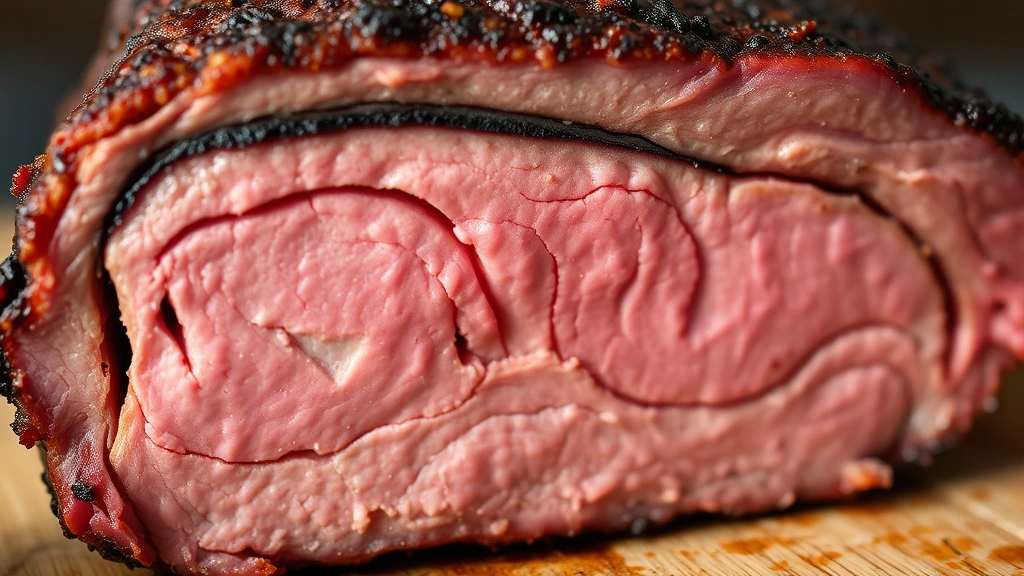
What makes this smoked chuck roast recipe truly special is the combination of a perfectly balanced dry rub and the low-and-slow smoking method. We’re talking about creating a beautiful bark on the outside while keeping the interior incredibly moist and tender. The smoke flavor should complement, not overpower, the natural beef flavors. This recipe uses a combination of hickory and oak wood, which provides that classic BBQ smoke that pairs beautifully with beef.
One of the best aspects of smoking a chuck roast is that it’s incredibly versatile. You can serve it as the star of your dinner table with simple sides like creamed corn cornbread, or shred it for sandwiches, tacos, or nachos. Some folks even use their smoked chuck roast for making incredible chili or beef stew. The smoky, tender meat is pure comfort food that works for any occasion, whether you’re hosting a backyard BBQ or feeding your family on a Sunday night.
The preparation is straightforward but important. You’ll want to trim some of the exterior fat—not all of it, as fat equals flavor—and then apply your dry rub generously. Let that rub sit on the meat for at least a few hours, or even overnight if you have the time. This allows the salt and spices to penetrate the meat and start the curing process. When you’re ready to smoke, bring your smoker to a steady 225-250°F and maintain that temperature throughout the cook.
Timing is one of the most common questions about smoking chuck roast, and the honest answer is that it depends on several factors: the size of your roast, your smoker’s temperature consistency, and the outside air temperature. Generally, plan for about 1.5 to 2 hours per pound at 225°F. A 4-pound roast typically takes 6-8 hours, though some may take longer. The real test is the probe tender method—when a toothpick or meat probe slides through the meat like butter, you know it’s done.
This recipe pairs wonderfully with classic BBQ sides. Consider serving it with mirepoix vegetables or alongside fresh salads like Mediterranean salad. If you’re making sandwiches with the smoked chuck roast, a drizzle of authentic chimichurri adds an unexpected and delightful twist. For dessert, consider finishing with corn cake or blueberry coffee cake for a complete meal.
The smoking process itself is quite hands-off, which is part of the appeal. Once your smoker is dialed in and your roast is on the grates, you’ll primarily need to monitor temperature and add more wood chips or logs as needed. Resist the urge to constantly open the smoker and check on things—every time you open the door, you lose heat and smoke, which extends your cooking time. A quality meat thermometer is your best friend here, allowing you to check doneness without opening the smoker door too frequently.
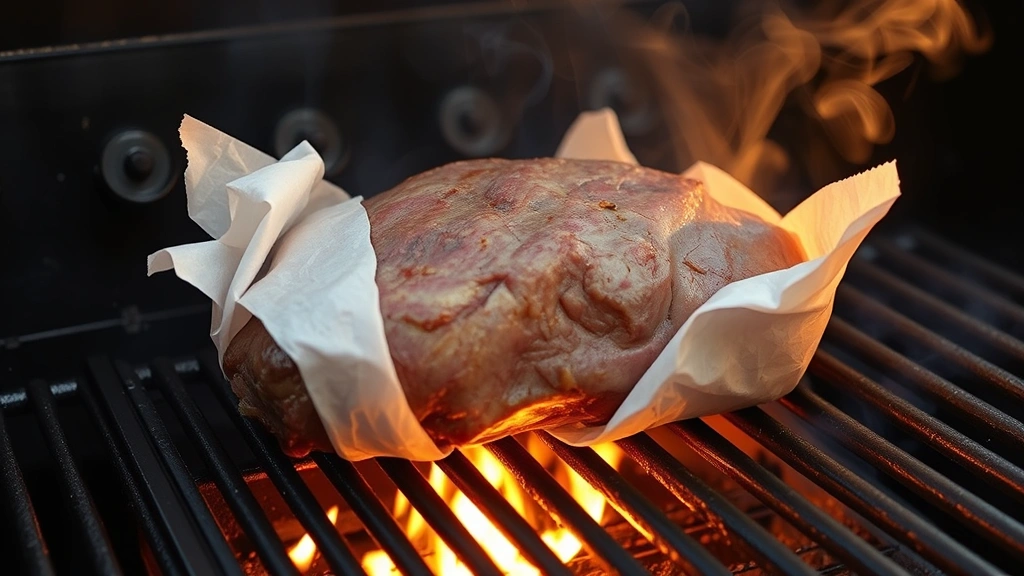
For the best results, consider wrapping your chuck roast in butcher paper once it hits about 165°F internal temperature. This technique, sometimes called the “Texas Crutch,” helps speed up the cooking process while still allowing smoke penetration and bark formation. The paper breathes just enough to let some smoke through while trapping moisture, resulting in an incredibly tender final product.
After your smoked chuck roast reaches the perfect tenderness (usually around 190-205°F internal temperature), remove it from the smoker and let it rest for at least 15-20 minutes. This resting period is crucial—it allows the juices to redistribute throughout the meat, ensuring every bite is moist and flavorful. If you cut into it too soon, all those beautiful juices will run out onto the plate instead of staying in the meat.
This smoked chuck roast recipe is absolutely foolproof and will make you look like a BBQ expert, even if this is your first time smoking meat. The combination of proper technique, quality ingredients, and patience results in a showstopping dish that’s sure to impress. Whether you’re a seasoned pitmaster or just getting started with smoking, this recipe delivers consistent, delicious results every single time.
Ingredients
- 1 chuck roast (4-5 pounds)
- 3 tablespoons brown sugar
- 2 tablespoons paprika
- 2 tablespoons garlic powder
- 2 tablespoons onion powder
- 1 tablespoon black pepper
- 1 tablespoon kosher salt
- 1 tablespoon dry mustard powder
- 1 teaspoon cayenne pepper
- 1 teaspoon dried thyme
- 1 teaspoon dried oregano
- 2 tablespoons olive oil
- Wood chips for smoking (hickory and oak)
- Beef broth or apple juice for spritzing (optional)
- Butcher paper for wrapping
Instructions
- Pat the chuck roast dry with paper towels. Using a sharp knife, trim excess exterior fat, leaving about 1/4 inch of fat cap for flavor and protection during smoking.
- In a small bowl, combine brown sugar, paprika, garlic powder, onion powder, black pepper, kosher salt, dry mustard powder, cayenne pepper, dried thyme, and dried oregano. Mix thoroughly until well combined.
- Rub the chuck roast lightly with olive oil on all sides to help the dry rub adhere better.
- Generously apply the dry rub to all sides of the chuck roast, pressing it into the meat so it adheres well. Make sure to coat the sides and ends thoroughly.
- Place the rubbed chuck roast on a cutting board or plate, cover loosely with plastic wrap, and refrigerate for at least 2 hours, or preferably overnight. This allows the salt and spices to penetrate the meat.
- Remove the chuck roast from the refrigerator about 1 hour before smoking to bring it closer to room temperature, which ensures more even cooking.
- Prepare your smoker by cleaning the grates and ensuring proper ventilation. Fill the water pan with water to help regulate temperature and add moisture to the smoking environment.
- Preheat your smoker to 225-250°F. Once preheated, add hickory and oak wood chips or chunks to the firebox or smoker box according to your smoker’s instructions.
- Place the chuck roast on the smoker grates, fat-side up, away from direct heat if using an offset firebox smoker. Insert a reliable meat thermometer into the thickest part of the roast without touching bone.
- Smoke the chuck roast at 225-250°F, maintaining a consistent temperature throughout the cooking process. The smoke should be thin and blue, not thick and white.
- Every 2 hours, spritz the chuck roast with a mixture of equal parts beef broth and apple juice if desired. This helps keep the exterior moist and adds flavor, though it’s optional.
- Monitor the chuck roast’s internal temperature every 2 hours. When it reaches approximately 165°F internal temperature (usually around 4-5 hours), remove it from the smoker.
- Wrap the chuck roast tightly in butcher paper, creating a seal that allows for some smoke penetration while trapping moisture. Return it to the smoker immediately.
- Continue smoking the wrapped chuck roast until it reaches 190-205°F internal temperature, which should take an additional 2-3 hours depending on size and smoker consistency.
- Test for doneness by inserting a toothpick or probe into the thickest part of the roast. It should slide through with little to no resistance, like inserting a toothpick into warm butter.
- Once the chuck roast reaches perfect tenderness, carefully remove it from the smoker, keeping it wrapped in the butcher paper.
- Place the wrapped chuck roast on a cutting board and let it rest for at least 15-20 minutes. This resting period is essential for redistributing juices throughout the meat.
- Carefully unwrap the butcher paper and inspect the beautiful bark that has formed on the roast. Slice against the grain into thick slices or shred with two forks for pulled beef.
- Serve the smoked chuck roast immediately while still warm, drizzling with any pan juices that accumulated during resting and wrapping.
- Store any leftovers in an airtight container in the refrigerator for up to 4 days, or freeze for up to 3 months. Leftover smoked chuck roast is fantastic for sandwiches, tacos, or chopped into salads.
Pro Tips
o Temperature consistency is key to smoking success. Invest in a quality dual-probe meat thermometer that allows you to monitor both smoker temperature and internal meat temperature simultaneously.
o The “stall” is common when smoking chuck roast. Around 150-165°F, the internal temperature may plateau for 1-2 hours. This is completely normal and doesn’t mean anything is wrong. Wrapping in butcher paper helps push through this phase.
o Wood selection matters tremendously. Hickory provides a strong, bacon-like smoke flavor, while oak is milder and more subtle. A combination of both creates a balanced, complex smoke profile. Avoid softwoods like pine or cedar.
o Never skip the resting period after smoking. Those 15-20 minutes allow muscle fibers to relax and reabsorb the juices that were pushed out during the cooking process, resulting in significantly more tender and juicy meat.
o The probe tender method is more reliable than time or temperature alone. Every smoker is different, and external factors like ambient temperature and wind affect cooking time. A toothpick or probe that slides through easily indicates proper doneness.
o If your chuck roast finishes before you’re ready to serve, you can wrap it in the butcher paper and place it in a cooler with towels for up to 2 hours. It will stay warm and continue to rest.
o For best results, use kosher salt rather than table salt in your dry rub. Kosher salt has larger crystals and distributes more evenly, providing better seasoning throughout.
o Trim the fat cap to about 1/4 inch for optimal bark formation and smoke penetration. Too much fat prevents smoke from reaching the meat and can result in a thick, chewy fat layer.
o This smoked chuck roast is excellent for feeding a crowd and pairs beautifully with classic BBQ sides like baked beans, coleslaw, cornbread, and potato salad.