
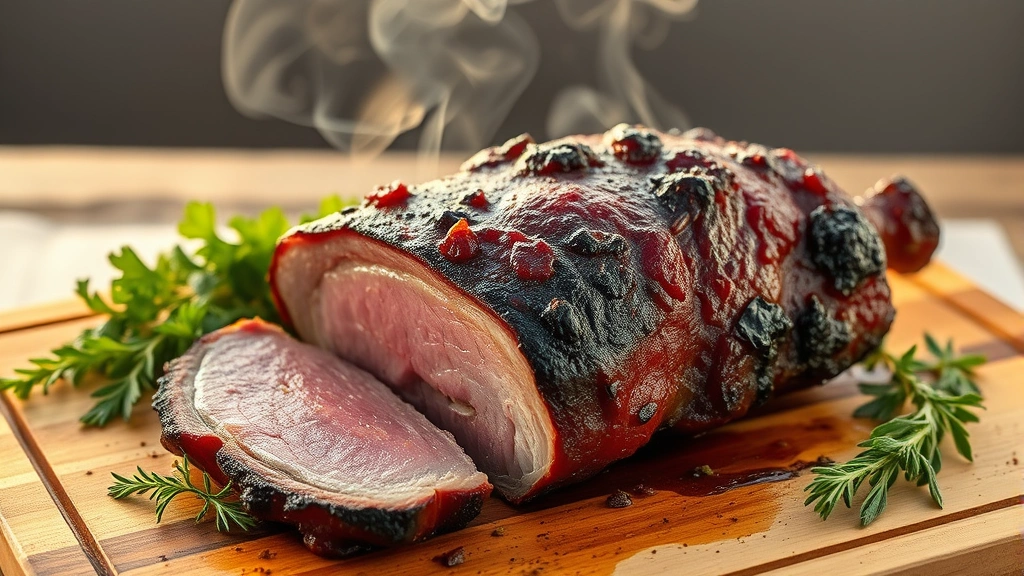
There’s nothing quite like the magnificent aroma of smoked pork butt wafting through your backyard on a lazy weekend afternoon. This smoked pork butt recipe is an absolute game-changer for anyone who loves low-and-slow barbecue. Whether you’re a seasoned pitmaster or picking up a smoker for the first time, this guide will walk you through every step to achieve that perfect bark, tender meat, and incredible flavor.
The beauty of smoking a pork butt is that it’s surprisingly forgiving. The fat content in this cut makes it nearly impossible to dry out, which means you can relax and enjoy your day while the smoker does the heavy lifting. I’ve been perfecting this recipe for years, and I’m thrilled to share my secrets with you today.
What makes this recipe truly special is the combination of a perfectly balanced dry rub, careful temperature management, and the right wood selection. We’re talking about 12-16 hours of pure smoky bliss that results in meat so tender it practically falls apart. The bark—that gorgeous, flavorful crust—develops beautifully when you follow these steps precisely.
I recommend starting early in the morning so your pork butt is ready for dinner time. Many people wrap theirs in butcher paper during the stall phase (when the internal temperature plateaus around 150-160°F), which helps push through to the finish line faster. Some folks prefer the Texas crutch method, while others let it ride unwrapped for maximum bark development. Both methods work beautifully; it’s really about your preference.
The rub is where personality shines through. While my recipe below is my go-to, don’t be afraid to adjust the spice levels to match your family’s preferences. Want it spicier? Add more cayenne. Prefer sweeter smoke? Increase the brown sugar. This is your canvas, and the smoker is your medium.
Serving smoked pork butt is where the real fun begins. Slice it, shred it, chop it—serve it on sandwiches with creamy toppings, pair it with classic sides like coleslaw and baked beans, or use it as the star of your next family gathering. You’ll find yourself making this recipe again and again.
For those looking to expand their smoking repertoire, check out our guide on creating restaurant-quality results at home. And if you want to round out your meal with something sweet, our strawberry dessert recipe pairs perfectly after a smoky feast.
The key to success is patience, quality ingredients, and maintaining consistent heat. Use a reliable meat thermometer—I cannot stress this enough. It’s the difference between perfectly smoked pork and overcooked disappointment. Invest in a good one; it’ll last you for years of smoking adventures.
One final tip: let your pork butt rest for at least 30 minutes after smoking. This allows the juices to redistribute throughout the meat, ensuring every bite is moist and flavorful. Wrap it in foil and a towel to keep it warm during this crucial resting period.
For more smoking inspiration and techniques, check out Bon Appétit’s smoking guides and Serious Eats’ barbecue resources. These trusted sources have incredible content on perfecting your smoking game.
Ready to impress your friends and family? Let’s get that smoker fired up and create some serious backyard magic. This smoked pork butt recipe will become a permanent fixture in your cooking rotation, I promise.
Ingredients
- 1 whole pork butt (12-14 pounds), skin on or trimmed as preferred
- 1/4 cup brown sugar, firmly packed
- 1/4 cup paprika
- 2 tablespoons kosher salt
- 2 tablespoons freshly ground black pepper
- 1 tablespoon garlic powder
- 1 tablespoon onion powder
- 1 tablespoon chili powder
- 2 teaspoons cayenne pepper
- 2 teaspoons mustard powder
- 1 teaspoon dried thyme
- 1 teaspoon dried oregano
- 1/2 teaspoon ground cumin
- 1/4 teaspoon smoked paprika
- 2 tablespoons apple cider vinegar
- 2 tablespoons Worcestershire sauce
- Wood chips or chunks for smoking (hickory, oak, or apple wood recommended)
- Butcher paper or foil for wrapping
- Optional: barbecue sauce for serving
Instructions
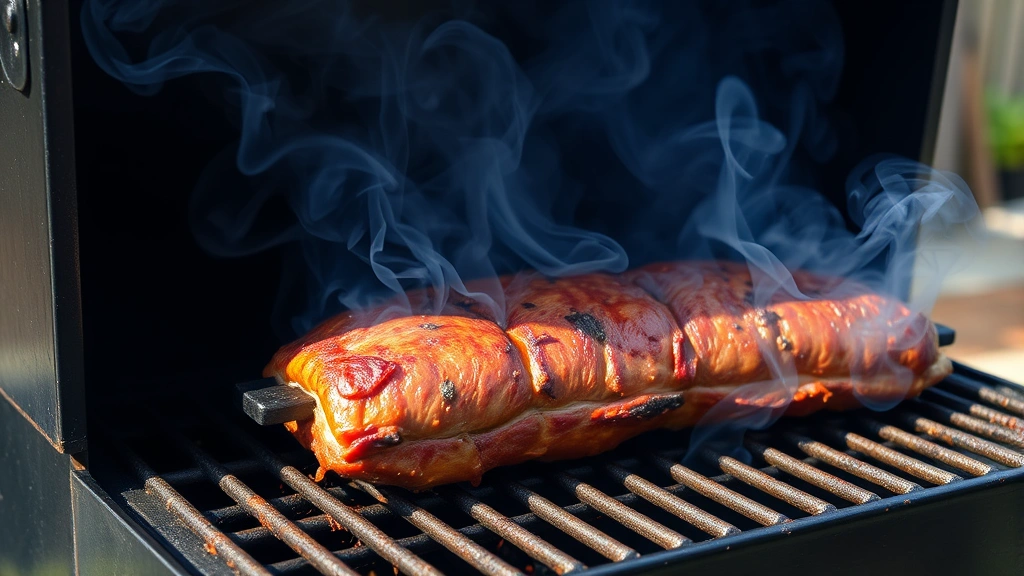
- Prepare your smoker by cleaning the grates thoroughly and ensuring proper ventilation. Fill the water pan and preheat to 225°F. Use a quality thermometer to verify the temperature is stable.
- Pat the pork butt completely dry with paper towels, removing any excess moisture from the skin and surface.
- In a small bowl, combine brown sugar, paprika, salt, pepper, garlic powder, onion powder, chili powder, cayenne, mustard powder, thyme, oregano, cumin, and smoked paprika.
- In another small bowl, mix apple cider vinegar and Worcestershire sauce into a paste-like consistency.
- Apply the vinegar mixture all over the pork butt, coating every surface evenly.
- Generously apply the dry rub over the entire pork butt, patting it firmly so it adheres to the meat. Don’t be shy—this creates your bark.
- Place the pork butt fat-side up on the smoker grates, positioning it in the center away from direct heat source.
- Add soaked wood chips to the smoker box, creating a steady thin blue smoke. Maintain the temperature between 225-250°F throughout the cooking process.
- For the first 6 hours, allow the pork to smoke undisturbed. Resist the urge to open the smoker door—every peek adds time to your cook.
- After 6 hours, insert a meat thermometer into the thickest part of the meat, being careful not to touch bone. Check that smoke is still flowing properly.
- Continue smoking until the internal temperature reaches 150-160°F, approximately 8-10 hours total. This is called the stall.
- Once the pork reaches the stall temperature, remove it from the smoker and wrap it tightly in butcher paper, keeping the fat side up.
- Return the wrapped pork to the smoker and continue cooking at 225°F until the internal temperature reaches 195-205°F in multiple spots.
- The pork should probe tender—insert a toothpick or probe thermometer and it should slide through like soft butter with minimal resistance.
- Remove the pork butt from the smoker and keep it wrapped in the butcher paper, then wrap the entire package in clean towels.
- Place the wrapped pork in a cooler without ice for 30-45 minutes to rest, allowing juices to redistribute throughout the meat.
- Carefully unwrap the pork butt, reserving any juices that have accumulated for serving or mixing with sauce.
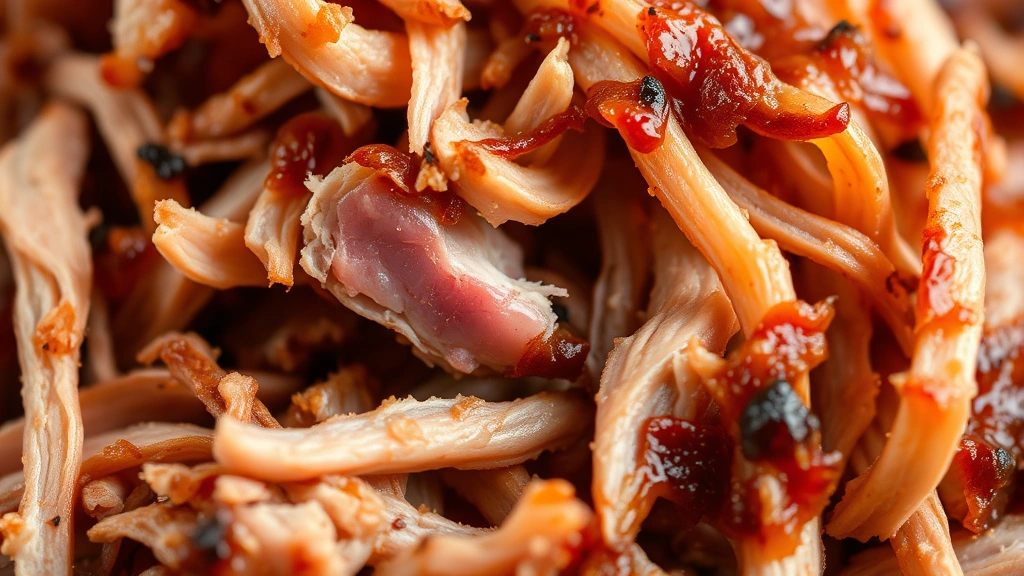
- Using two forks or meat shredding claws, shred the pork directly in the pan to collect all delicious juices and rendered fat.
- Toss the shredded pork with accumulated juices and any additional sauce if desired.
- Transfer to a serving platter and serve immediately with your favorite barbecue sides and condiments.
Pro Tips
Wood Selection: Different woods impart different flavor profiles. Hickory provides a strong, slightly nutty taste. Oak offers a milder, cleaner smoke. Apple wood creates a sweeter, fruity note. Avoid softwoods like pine or cedar that can impart bitter, unpleasant flavors.
The Stall: When your pork reaches 150-160°F internally, cooking seems to plateau. This is completely normal and can last 2-4 hours. The wrapping method (Texas crutch with butcher paper) helps push through this phase faster while maintaining bark quality.
Rub Customization: Feel free to adjust the dry rub to your preferences. Add more cayenne for heat, increase brown sugar for sweetness, or experiment with different spice combinations. Your personal touch makes this recipe uniquely yours.
Meat Selection: Choose a pork butt with good marbling and fat cap. The fat is essential for keeping the meat moist during the long cook. Don’t trim too much fat—it protects and flavors the meat.
Resting Period: Never skip the resting phase. This allows carryover cooking to finish gently and gives juices time to redistribute, resulting in moist, tender meat rather than dry, stringy texture.
Leftover Pork: Smoked pork butt keeps refrigerated for up to four days. Use it for sandwiches, add to breakfast hash, incorporate into tacos, or freeze for future use. It reheats beautifully when wrapped in foil and warmed in a low oven.
Probe Tender Test: The best indicator of doneness isn’t just temperature—it’s the probe tender test. When a toothpick or temperature probe slides through the meat with minimal resistance, like soft butter, your pork is perfectly cooked.
Spritz Optional: Some pitmasters spritz their pork with apple juice or cider vinegar every 45 minutes to an hour during the cook. This adds moisture and flavor but isn’t absolutely necessary. Skip it if you prefer a crispier bark.
Smoker Maintenance: Keep your smoker clean and well-maintained. Dirty grates and buildup affect heat distribution and smoke flavor. Clean thoroughly before your cook and after cooling.