

There’s something absolutely magical about smoked pulled pork – that perfect combination of tender, juicy meat with a beautiful smoky crust that makes everyone at your table absolutely swoon. I’ve been making this recipe for years, and it’s become my go-to for everything from casual backyard gatherings to impressive dinner parties. The secret isn’t just in the smoking process itself, but in understanding how to select the right cut, apply the perfect dry rub, and maintain consistent temperature throughout those long, beautiful hours of cooking.
This smoked pulled pork recipe is what I call “set it and forget it” cooking at its finest. Once you understand the fundamentals, you’ll find yourself making this again and again. The beauty of pulled pork is its incredible versatility – serve it on soft buns with coleslaw, pile it into tacos, top nachos, or even add it to mac and cheese for something truly spectacular. I love pairing it with my best mac and cheese recipe or using it as a protein for hearty comfort food dinners.
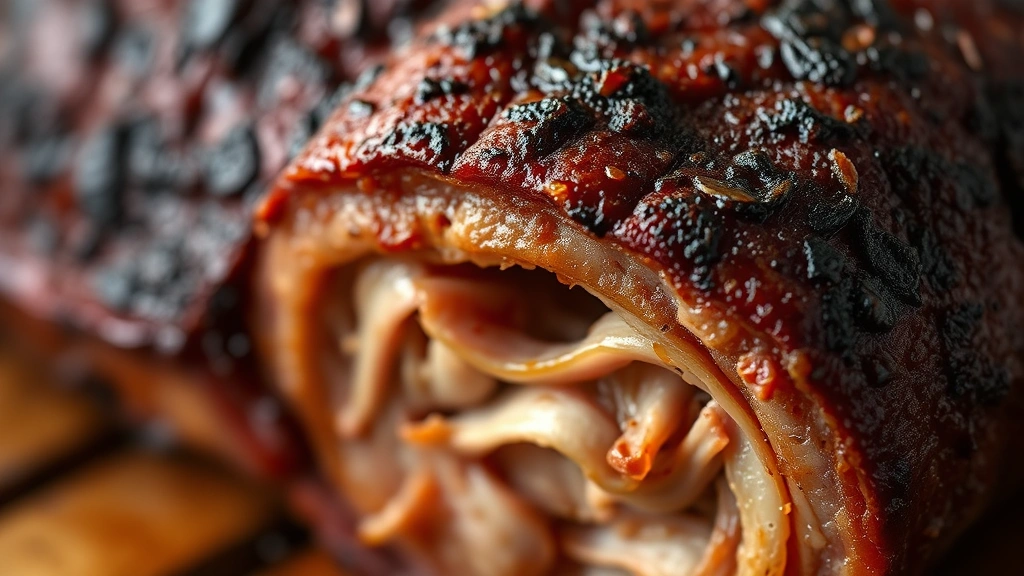
The pork shoulder, often called a Boston butt, is absolutely the star here. This cut has the perfect fat-to-meat ratio that breaks down beautifully during smoking, becoming incredibly tender and flavorful. The dry rub I use is a balance of brown sugar, paprika, garlic, and spices that creates that gorgeous bark – that flavorful crust – while the low and slow smoking process ensures the interior stays incredibly moist and pulls apart effortlessly.
What I love most about this method is how forgiving it is. Whether you’re using a traditional offset smoker, a kamado-style grill, or even an electric smoker, the principles remain the same. The key is maintaining that steady temperature around 225-250°F and letting time do the heavy lifting. I typically plan for about 1.5 to 2 hours per pound, though this can vary based on your specific smoker and conditions.
One of my favorite tips is wrapping the pork in butcher paper once it hits the stall – that temperature plateau where it seems to stop progressing. This technique, popularized by barbecue champions, helps speed things up while keeping everything moist. It’s a game-changer that I always recommend.
For smoking wood, I’m partial to hickory or oak mixed with fruitwoods like apple or cherry. These create a beautiful balance of smoke flavor without being overpowering. The combination gives you that classic barbecue taste that everyone recognizes and loves.
I always finish my pulled pork with a simple mop sauce – a thin, brushable sauce that adds flavor and moisture during those final hours. Then, for serving, I like to mix in a good barbecue sauce to bring everything together, though the beauty of homemade smoked pork is that it’s delicious enough to stand on its own.
This recipe is perfect for feeding a crowd, and the leftovers are honestly where the magic happens. Reheat gently and you’ve got versatile protein for everything from creative comfort food meals to quick weeknight dinners. Pair it with perfect boiled carrots and my signature seasoning salt for a complete meal.
For more detailed smoking techniques, I recommend checking out Serious Eats’ comprehensive guide and Bon Appétit’s excellent barbecue resources. The New York Times also has a wonderful resource on smoking techniques that complements this recipe beautifully.
Ingredients
- 1 bone-in pork shoulder (Boston butt), 8-10 pounds
- 3 tablespoons brown sugar
- 2 tablespoons paprika
- 1 tablespoon garlic powder
- 1 tablespoon onion powder
- 1 tablespoon black pepper
- 1 tablespoon kosher salt
- 1 tablespoon chili powder
- 1 teaspoon cayenne pepper
- 1 teaspoon dry mustard
- Wood for smoking (hickory, oak, or fruitwood)
- 2 cups apple juice or cider for spritzing
- 2 tablespoons butter
- 1 cup barbecue sauce, plus more for serving
- Salt and pepper to taste
Instructions
- Remove the pork shoulder from the refrigerator 30 minutes before smoking to bring it closer to room temperature, which ensures more even cooking throughout the meat.
- Pat the pork shoulder completely dry with paper towels, as excess moisture will prevent proper bark formation and smoke adhesion.
- In a small bowl, combine brown sugar, paprika, garlic powder, onion powder, black pepper, kosher salt, chili powder, cayenne pepper, and dry mustard, stirring until well blended.
- Generously apply the dry rub all over the pork shoulder, making sure to work it into all the crevices and under any skin flaps, using about three-quarters of the mixture.
- Prepare your smoker by arranging charcoal or wood and heating it to 225-250°F, ensuring your thermometer is placed at grate level where the meat will sit.
- Place the rubbed pork shoulder on the smoker grates with the fat side up, inserting a meat thermometer into the thickest part without touching bone.
- Smoke the pork shoulder for approximately 1.5 to 2 hours per pound, maintaining a consistent temperature between 225-250°F throughout the entire cooking process.
- After about 4-5 hours of smoking, begin spritzing the pork with apple juice every 45 minutes to an hour, which helps keep the exterior moist and enhances flavor.
- When the pork reaches an internal temperature of around 160-165°F (usually after 6-7 hours), wrap it tightly in butcher paper to speed up cooking while retaining moisture.
- Continue smoking the wrapped pork until it reaches an internal temperature of 195-205°F, at which point it should be incredibly tender and probe-tender when tested with a fork.
- Remove the pork from the smoker and carefully unwrap it, reserving any drippings from the butcher paper for mixing with the finished product.
- Let the pork rest for 15-20 minutes, which allows the juices to redistribute throughout the meat and makes pulling easier and less messy.
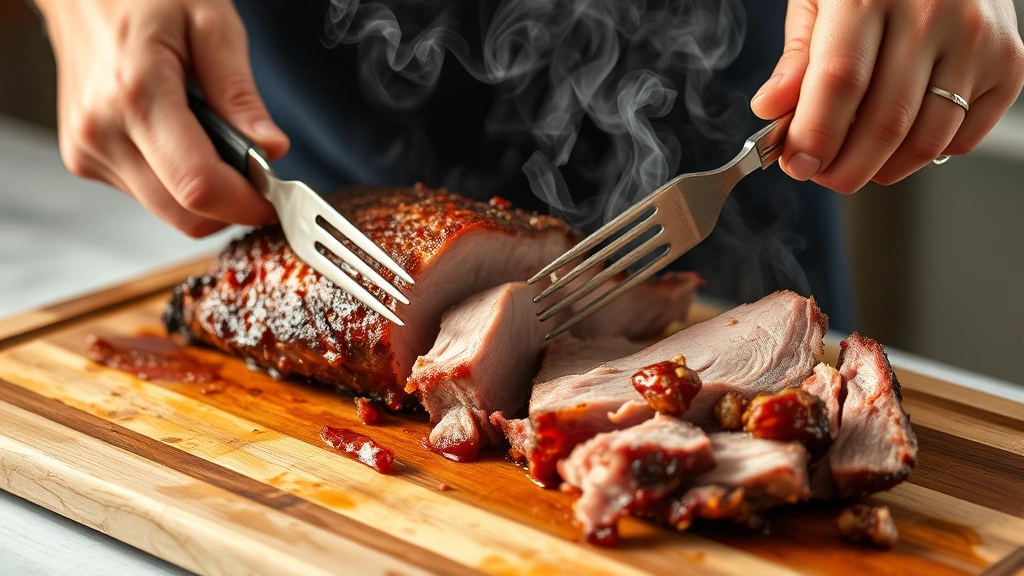
- Using two forks or meat claws, begin pulling the pork apart, removing any large fat deposits or bone as you work, shredding the meat into bite-sized pieces.
- Mix the shredded pork with the reserved drippings and barbecue sauce, stirring gently to combine and ensure even distribution of sauce and moisture.
- Taste the pulled pork and adjust seasoning with additional salt, pepper, or sauce as needed to achieve your desired flavor profile.
- Serve the pulled pork immediately on soft buns with coleslaw, or store in an airtight container in the refrigerator for up to 4 days.
Pro Tips
Dry Rub Customization: While this rub is my signature blend, feel free to adjust the spices to your preference. If you prefer less heat, reduce the cayenne pepper. If you like more sweetness, increase the brown sugar. The beauty of smoking is that you can truly make it your own.
Smoker Temperature: Consistency is absolutely key to successful smoking. Use a reliable smoker thermometer, and if your smoker tends to run hot or cold, make adjustments early and monitor frequently. Temperature fluctuations can affect cooking time and results.
The Stall: Don’t panic if your pork seems to stop climbing in temperature around 160-165°F. This is completely normal and called “the stall.” This is the perfect time to wrap in butcher paper. It’s not a sign something is wrong – it’s actually a sign your meat is doing exactly what it should.
Spritzing Liquid: Some pitmasters swear by apple juice, others use cider vinegar or beer. Experiment with different liquids to find your favorite. The spritzing helps develop bark and keeps the exterior from drying out.
Resting the Meat: Don’t skip this step. Resting allows carryover cooking to finish the pork gently and helps redistribute juices throughout the meat for maximum tenderness and flavor.
Leftover Storage: Pulled pork keeps beautifully in the refrigerator for up to four days and can be frozen for up to three months. Reheat gently in a low oven or slow cooker with a splash of apple juice to restore moisture.
Serving Suggestions: Serve on soft potato buns, brioche buns, or even cornbread. Top with coleslaw for textural contrast, drizzle with additional sauce, and add pickles for acidity. It’s also spectacular in tacos, nachos, or as a protein for composed salads.
Smoking Wood Selection: Different woods impart different flavors. Hickory is bold and traditional, oak is mild and smooth, apple and cherry add subtle sweetness, and mesquite is strong and intense. Mix and match based on your preference and what pairs with your sauce.