
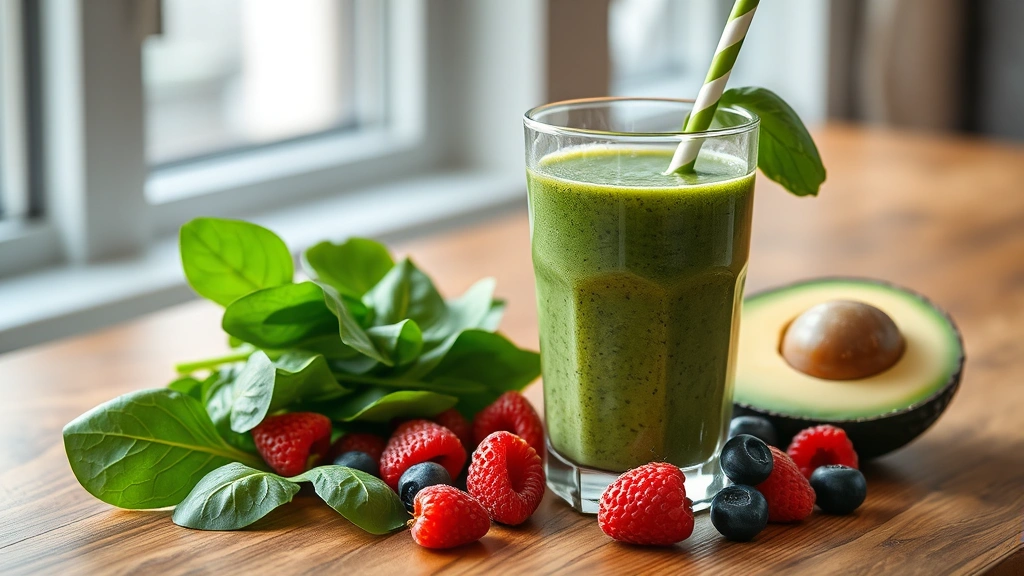
Making the perfect weight loss smoothie is all about balance, nutrition, and flavor! This guide will walk you through creating delicious, satisfying smoothies that support your wellness goals without sacrificing taste. The key to a successful smoothie for weight loss is combining protein-rich ingredients, healthy fats, and plenty of fiber to keep you full and energized throughout your morning.
When I first started my wellness journey, I quickly realized that smoothies could be either a nutritious powerhouse or a sugar-laden dessert in disguise. The difference comes down to your ingredient choices and proportions. A truly great weight loss smoothie should contain around 15-20 grams of protein, healthy fats from sources like nut butters or avocado, and plenty of fiber from fruits and vegetables. This combination creates a satisfying drink that won’t leave you hungry an hour later.
I love starting my day with a creamy, nutrient-dense smoothie because it sets the tone for healthy eating choices throughout the day. The recipes I’ve developed have helped countless friends and family members achieve their goals while actually enjoying their breakfast. Unlike restrictive diets, smoothie bowls and drinks allow for creativity and personalization based on your preferences and dietary needs.
The beauty of smoothie making is that once you understand the basic formula, you can mix and match ingredients to prevent boredom. Whether you prefer tropical flavors, berry blends, or green vegetable-based smoothies, the principles remain the same. You’ll want to start with a liquid base, add your protein source, include healthy fats, incorporate vegetables or fruits for fiber and nutrients, and perhaps add a touch of natural sweetener if needed.
I’m excited to share my favorite chickpea salad recipe combinations because legumes are fantastic protein additions to smoothies! You can also explore shishito peppers as a savory smoothie ingredient for those adventurous souls. For more substantial meal prep ideas, check out my heavy cream pasta recipe for balanced lunches and dinners.
Throughout this recipe, I’ll share professional tips from nutritionists at Bon Appétit and science-backed advice from Serious Eats to ensure your smoothies are both delicious and truly supportive of your health goals. The New York Times Cooking section also has wonderful insights on ingredient quality that I incorporate into my smoothie philosophy.
Ingredients
- 1 cup unsweetened almond milk or your preferred low-calorie milk
- 1 scoop vanilla protein powder (about 25g protein)
- 1 cup fresh spinach or kale, packed
- ½ frozen banana or 1 cup frozen berries (blueberries, strawberries, or raspberries)
- 2 tablespoons natural almond butter or peanut butter
- ½ cup plain Greek yogurt (non-fat or 2%)
- ½ avocado for creaminess and healthy fats
- 1 tablespoon ground flaxseed or chia seeds
- ½ teaspoon vanilla extract
- 3-4 ice cubes
- Optional: 1 teaspoon raw honey or maple syrup if additional sweetness is desired
- Optional: pinch of cinnamon for warmth and flavor
Instructions
- Start by gathering all your ingredients and measuring them out before blending. This mise en place approach ensures you won’t forget any components and helps you understand the nutritional breakdown of your smoothie.
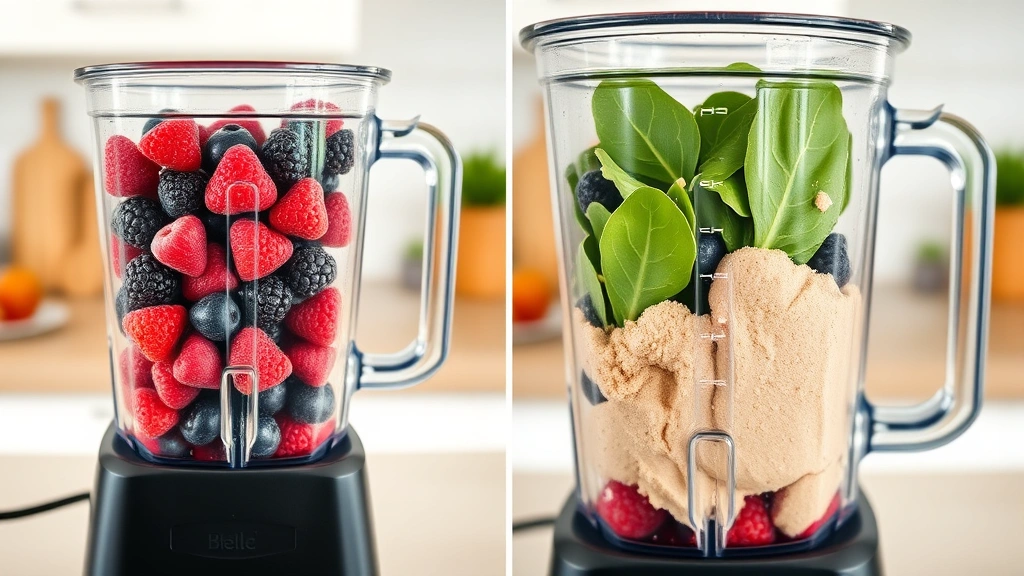
- Pour your unsweetened almond milk into the blender first, creating a liquid base that will help everything blend smoothly and prevent your smoothie from being too thick.
- Add your protein powder directly to the milk and let it sit for a moment, then give it a quick stir with a spoon to break up any clumps before full blending.
- Add the fresh spinach or kale to the blender next—the liquid will help these greens blend seamlessly without creating chunks.
- Add your frozen fruit (banana or berries) to the blender. Frozen fruit is essential for weight loss smoothies because it creates a creamy, thick texture without requiring as much added fat, and it naturally thickens the drink.
- Scoop in your almond butter or peanut butter, which provides healthy monounsaturated fats, protein, and satisfying flavor that keeps you full for hours.
- Add the Greek yogurt, which contributes additional protein and creates a luxurious, creamy texture while keeping calories in check compared to regular yogurt.
- Add the avocado half, which provides healthy fats, creaminess, and important nutrients like potassium and B vitamins without the heaviness of dairy.
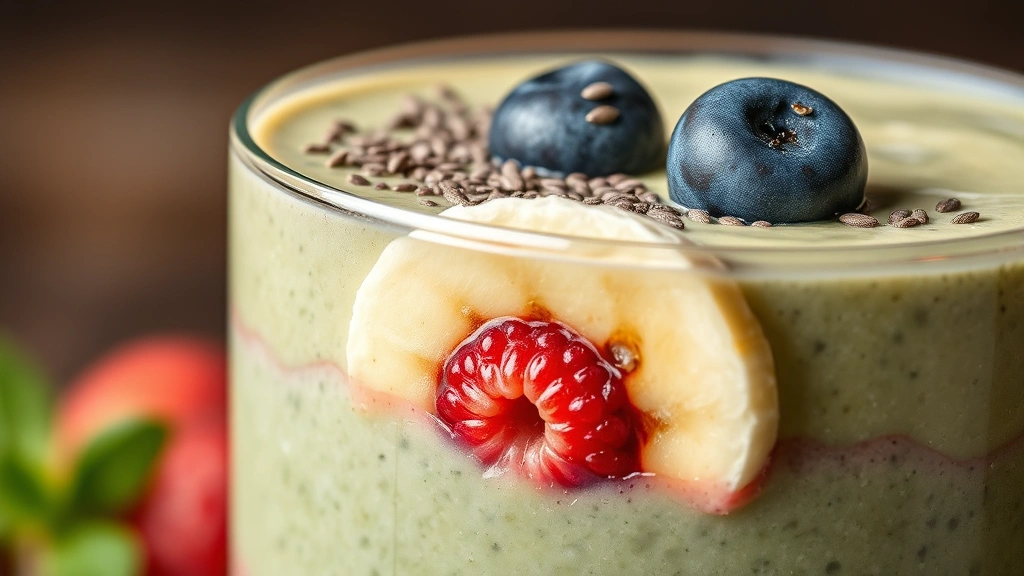
- Sprinkle in the ground flaxseed or chia seeds for extra fiber, omega-3 fatty acids, and that satisfying texture element that makes the smoothie feel more substantial.
- Add vanilla extract and a pinch of cinnamon if desired, which enhances flavors without adding calories.
- Drop in 3-4 ice cubes to ensure your smoothie reaches that perfect frosty temperature and thickness.
- Secure the blender lid tightly and blend on high speed for 45-60 seconds, starting at medium speed and increasing to high. Stop and check the consistency.
- If your smoothie is too thick, add 2-3 tablespoons more milk and blend again briefly. If it’s too thin, add a few more ice cubes.
- Pour immediately into a tall glass and enjoy right away for the best texture and nutrient retention.
- If not drinking immediately, store in an airtight container in the refrigerator for up to 24 hours, though the texture is best within 2-3 hours.
Pro Tips
- Protein powder selection is crucial for weight loss smoothies; choose high-quality vanilla or unflavored protein powders with minimal additives and no artificial sweeteners if possible, as these keep you satisfied longer than carb-heavy smoothies
- Frozen fruit is your secret weapon because it creates thickness and creaminess without excess calories, and it prevents the smoothie from becoming watery as ice melts
- Greek yogurt contains nearly double the protein of regular yogurt and significantly less sugar, making it the superior choice for weight management
- Healthy fats from nut butters, avocado, and seeds are essential—they’re calorie-dense but keep you full for hours, reducing overall daily calorie consumption
- Greens like spinach and kale are virtually calorie-free but packed with micronutrients, fiber, and compounds that support metabolism
- Chia seeds and flaxseed add soluble fiber that expands in your stomach, creating a feeling of fullness that lasts well into your morning
- Unsweetened almond milk contains only 30-40 calories per cup compared to regular milk’s 150+ calories, making it ideal for weight loss smoothies
- Avoid adding honey, agave, or sweetened yogurt unless absolutely necessary; the fruit provides natural sweetness, and added sugars undermine your weight loss goals
- Make smoothies as a meal replacement rather than a snack—ensure they have at least 15-20g protein, 3-5g fiber, and healthy fats to qualify as a complete meal
- Prep smoothie packs by freezing measured portions of fruit, greens, and other dry ingredients in freezer bags, then blend with liquid and yogurt when ready
- Listen to your body’s satiety signals; if you’re still hungry 30 minutes after your smoothie, add more protein powder or nut butter to the next one
- Drink your smoothie within 30 minutes of making it for optimal nutrient absorption and to prevent separation and oxidation of ingredients
- Experiment with different protein powder flavors—chocolate, vanilla, and unflavored options pair well with various fruit combinations
- Consider your total daily calorie intake; a well-made weight loss smoothie should contain 250-350 calories depending on your individual needs
- Avoid commercial smoothie add-ins like granola, coconut flakes, or chocolate chips which quickly add hundreds of calories without supporting satiety
- The smoothie base formula should be: 1 part liquid + 1 part protein + 1 part fat + 1 part fiber, adjusted to your taste and dietary needs