
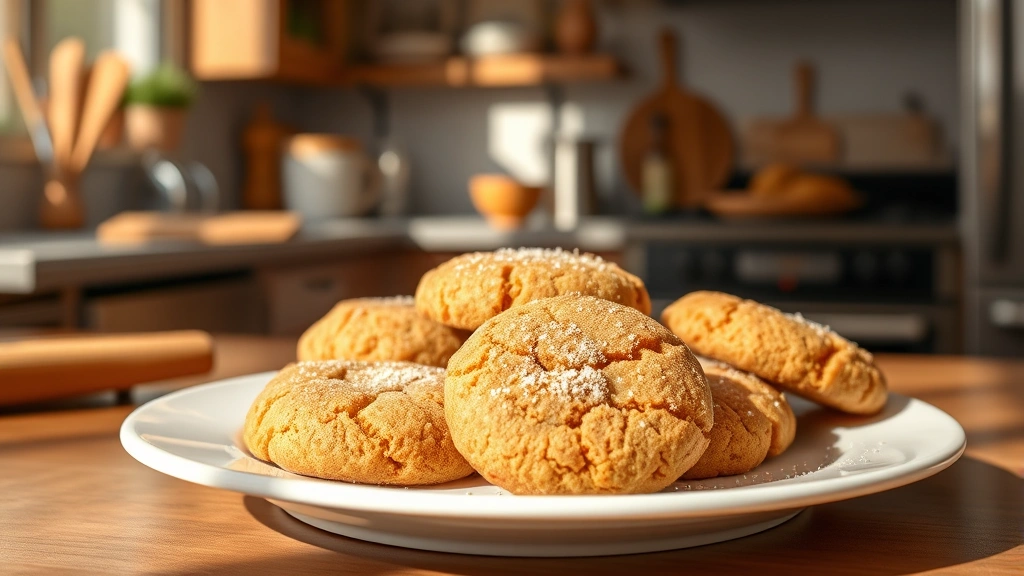
Snickerdoodles are a classic American cookie that everyone loves, but not everyone has cream of tartar on hand! The good news? You can absolutely make the BEST snickerdoodles without tartar, and they’ll be just as delicious and chewy as the traditional version. Cream of tartar is typically used as a leavening agent to help cookies rise and create that signature tangy flavor, but there are several excellent substitutes that work beautifully.
In this guide, I’m sharing my favorite method for making snickerdoodles without cream of tartar. These cookies turn out perfectly soft and chewy with crispy edges, and they’re rolled in that irresistible cinnamon-sugar coating. Whether you’re baking for a special occasion or just craving a homemade treat, this recipe delivers bakery-quality results every single time.
The secret to making tartar-free snickerdoodles is using the right combination of leavening agents. I recommend using baking powder and a touch of baking soda instead, which creates the same rise and texture. You can also add a tablespoon of lemon juice or white vinegar to the dough to replicate that subtle tanginess that cream of tartar provides. The result is a cookie that’s indistinguishable from the traditional recipe.
One of the best parts about this recipe is how simple it is to make. You don’t need any fancy equipment or hard-to-find ingredients. Just butter, sugar, eggs, flour, and your choice of leavening agents. These cookies come together in about thirty minutes, and they’re perfect for sharing with family and friends. You can even make the dough ahead of time and bake them fresh whenever you’re ready.
If you love cookies, you absolutely need to try this snickerdoodle recipe without tartar. They’re perfect alongside a warm cup of coffee or tea, and they make wonderful homemade gifts. I guarantee your family will be asking for the recipe!
For more delicious baking inspiration, check out our Best Heavy Cream Alfredo Sauce Recipe for savory alternatives. If you’re interested in other classic recipes, explore our Delicious Heavy Cream Pasta Recipe and Easy Chicken Alfredo Recipe for impressive dinner options. For side dishes, our Best Pickled Red Onion Recipe and Best Chickpea Salad Recipe are fantastic additions to any meal.
Ingredients
- 2 1/4 cups all-purpose flour
- 1 teaspoon baking powder
- 1/2 teaspoon baking soda
- 1 tablespoon lemon juice or white vinegar
- 1/2 teaspoon salt
- 3/4 cup unsalted butter, softened to room temperature
- 3/4 cup granulated sugar
- 1/4 cup light brown sugar, packed
- 1 large egg
- 1 teaspoon vanilla extract
- 3 tablespoons granulated sugar mixed with 1 tablespoon ground cinnamon for rolling
Instructions
- Preheat your oven to 375°F (190°C). Line two large baking sheets with parchment paper or silicone baking mats.
- In a small bowl, combine the lemon juice or vinegar with 1 tablespoon of the flour. This creates an acidic component that mimics the tanginess of cream of tartar and helps activate the baking soda. Let it sit for one minute.
- In a medium bowl, whisk together the flour, baking powder, baking soda, and salt. Set aside.
- In a large bowl, cream together the softened butter, granulated sugar, and brown sugar using an electric mixer on medium speed for 2-3 minutes until light and fluffy. This step is crucial for creating cookies with the perfect texture.
- Add the egg and vanilla extract to the butter mixture and beat on medium speed for 1-2 minutes until well combined and the mixture is smooth.
- Gently stir the lemon juice mixture into the wet ingredients until just combined.
- Gradually add the dry ingredient mixture to the wet ingredients, stirring with a wooden spoon or rubber spatula until just combined. Do not overmix, as this can result in tough cookies.
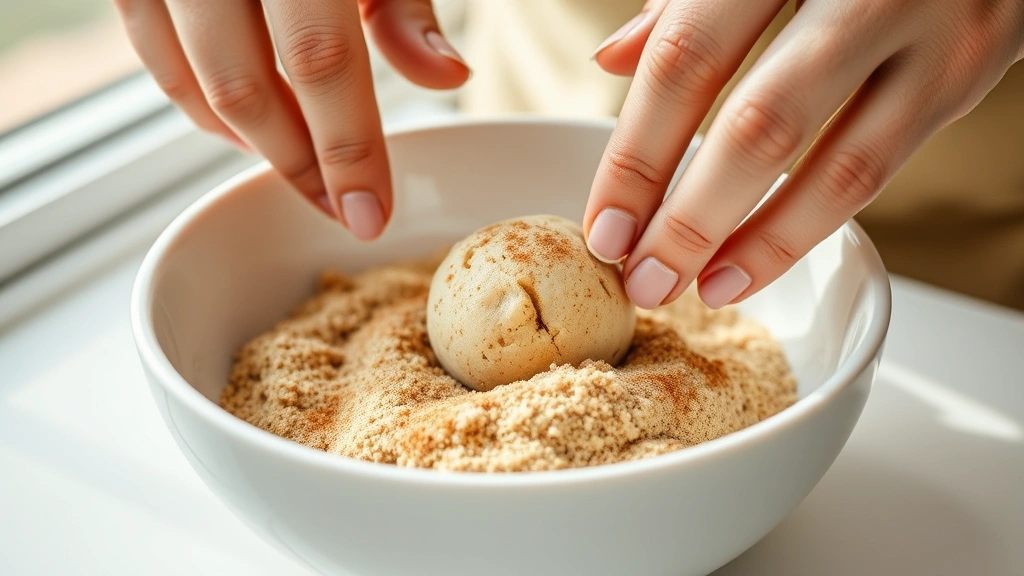
- In a shallow bowl, mix together the 3 tablespoons of granulated sugar and 1 tablespoon of ground cinnamon for the coating.
- Using a cookie scoop or spoon, drop rounded tablespoons of dough into the cinnamon-sugar mixture, coating all sides generously.
- Place the coated dough balls on the prepared baking sheets, spacing them about 2 inches apart, as they will spread during baking.
- Bake for 10-12 minutes, until the edges are lightly golden but the centers still look slightly underdone. This is the key to achieving that signature chewy texture.
- Remove from the oven and allow the cookies to cool on the baking sheet for 5 minutes before transferring to a wire cooling rack.
- Cool completely before storing in an airtight container at room temperature for up to 5 days.
Pro Tips
o Room temperature butter is essential: Cold or partially melted butter will result in dense, flat cookies. Remove your butter from the refrigerator 30-60 minutes before baking.
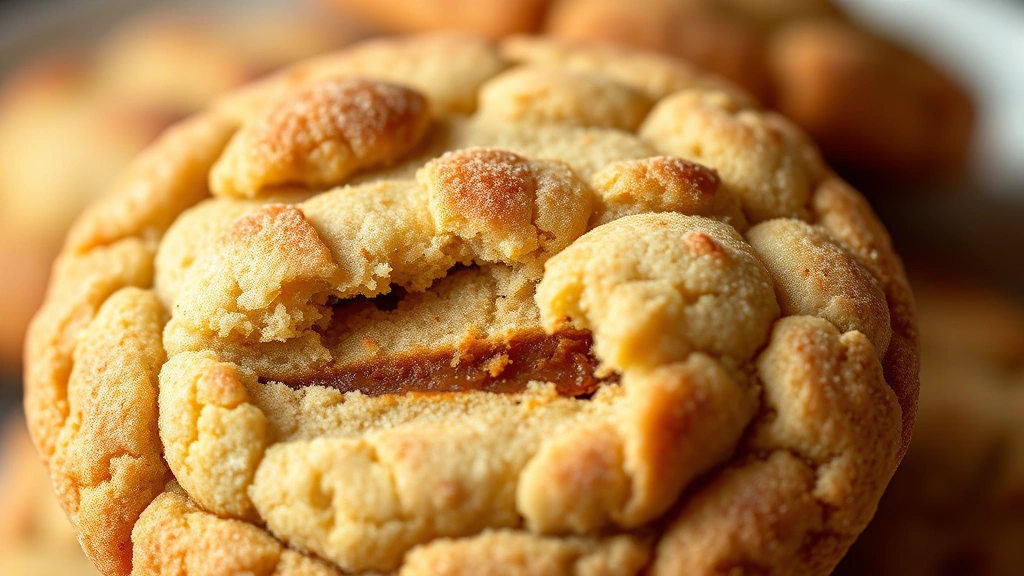
o Don’t overbake: The cookies should look slightly underdone when you remove them from the oven. They continue to cook on the residual heat of the baking sheet and will set up as they cool, resulting in a chewy center with crispy edges.
o Make ahead option: You can prepare the dough up to 24 hours in advance and store it in an airtight container in the refrigerator. Simply scoop and roll in cinnamon-sugar mixture before baking.
o Freezing instructions: Unbaked cookie dough balls can be frozen for up to three months. Bake directly from frozen, adding an extra 1-2 minutes to the baking time.
o Coating variation: For extra cinnamon flavor, you can add an additional 1/2 teaspoon of ground cinnamon directly to the dough before mixing in the flour.
o For chewier cookies: Slightly underbake and allow them to cool completely on the baking sheet before transferring.
o Lemon juice vs. vinegar: Both work equally well, though lemon juice provides a slightly more pleasant flavor. White vinegar is more economical if you’re making large batches.
o Mixer alternatives: If you don’t have an electric mixer, you can cream the butter and sugar together using a wooden spoon and some elbow grease, though it will take longer and require more effort.
o Quality matters: Using high-quality butter and fresh spices will significantly impact the final flavor of your cookies. Stale cinnamon won’t provide the same depth of flavor.