
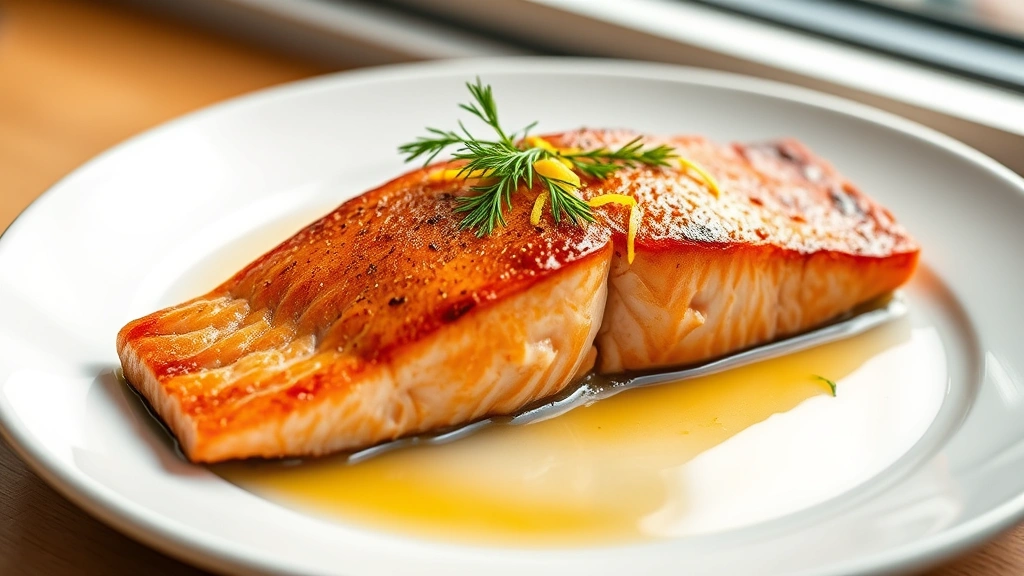
Sockeye salmon is one of the most prized varieties of salmon, and for good reason! With its deep red flesh and rich, distinctive flavor, sockeye salmon deserves a preparation that lets its natural beauty shine through. This quick and easy recipe celebrates everything that makes sockeye special – the buttery texture, the subtle sweetness, and that gorgeous color that looks absolutely stunning on the plate.
I’ve been making this recipe for years, and it’s become my go-to whenever I want to impress guests without spending hours in the kitchen. The key to the best sockeye salmon is simple: don’t overthink it. Quality fish needs minimal intervention, just a few complementary flavors and proper cooking technique to bring out its best qualities.
What I love most about this recipe is how adaptable it is. Whether you’re cooking for a weeknight dinner or a special occasion, whether you prefer your salmon skin-on or filleted, this method works beautifully. The combination of fresh lemon, herbs, and a touch of butter creates a light, elegant sauce that enhances rather than masks the salmon’s natural flavors. It takes just 20 minutes from start to finish, making it perfect for busy weeknights when you still want to eat like you’re at a restaurant.
Sockeye salmon’s high fat content means it stays incredibly moist during cooking, and the natural oils create a naturally silky texture. This recipe takes advantage of those qualities by using a high-heat sear method that creates a beautiful crust while keeping the inside tender and juicy. Pair this with our favorite berry compote for a sophisticated side, or keep it simple with steamed vegetables.
If you’re looking for more seafood inspiration, check out our collection of glazed preparations that work wonderfully with rich fish. The beauty of sockeye salmon is that it pairs well with both bright, acidic flavors and sweeter accompaniments.
One thing I always tell people: don’t be intimidated by cooking salmon at home. It’s actually one of the easiest proteins to master, and sockeye’s higher fat content means it’s nearly impossible to dry out if you follow a few simple guidelines. This recipe is foolproof, elegant, and absolutely delicious. Your family will think you’ve been taking cooking classes!
For the best results, look for sockeye salmon that smells fresh and ocean-like, never fishy. The flesh should be firm and vibrant red, with a slight sheen. Ask your fishmonger for their freshest catch, and don’t be shy about requesting specific thickness so everything cooks evenly. Once you master this basic technique, you’ll find yourself making it constantly. It’s healthy, impressive, and genuinely delicious – everything you want in a weeknight dinner that feels special.
Ingredients
- 4 sockeye salmon fillets (6 ounces each), skin-on
- 2 tablespoons unsalted butter, divided
- 2 tablespoons olive oil
- 1 teaspoon kosher salt
- ½ teaspoon freshly ground black pepper
- 3 cloves garlic, minced
- 2 tablespoons fresh lemon juice
- 1 tablespoon fresh dill, finely chopped
- 1 tablespoon fresh parsley, finely chopped
- ½ teaspoon lemon zest
- ¼ teaspoon red pepper flakes (optional)
- 1 tablespoon capers (optional)
- Lemon wedges for serving
Instructions
- Pat the sockeye salmon fillets completely dry with paper towels. This is crucial for achieving a crispy, golden skin. Season both sides evenly with kosher salt and freshly ground black pepper, allowing the seasoning to sit for 2-3 minutes so it adheres properly.
- Heat a large cast-iron or stainless steel skillet over medium-high heat for 2 minutes until it’s quite hot. You want the pan smoking slightly before adding the salmon.
- Add 1 tablespoon of olive oil to the hot pan, swirling to coat evenly. Wait 30 seconds for the oil to shimmer and become fragrant.
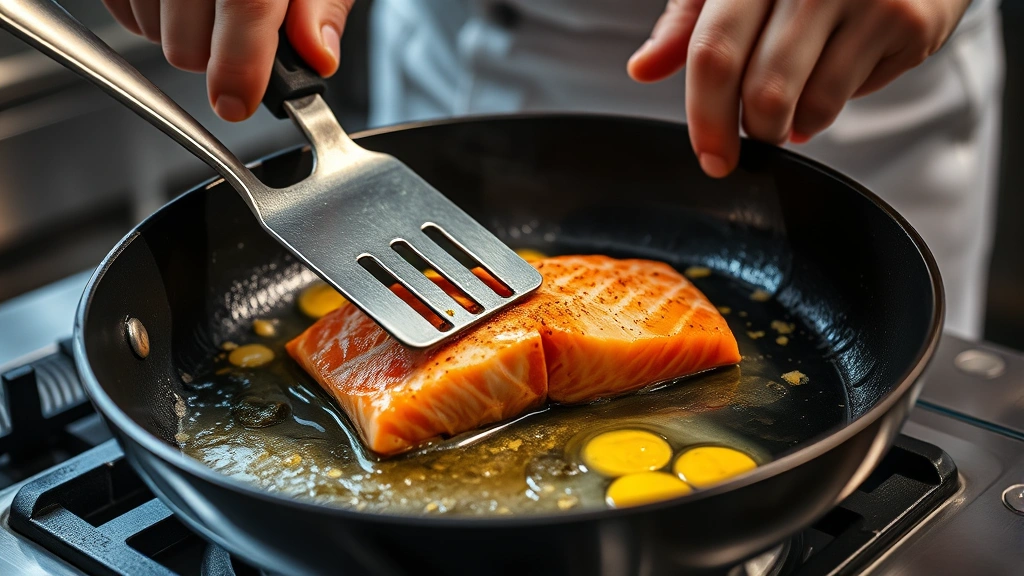
- Carefully place the salmon fillets into the pan, skin-side down, and resist the urge to move them! Let them cook undisturbed for 5-6 minutes. You’ll know they’re ready to flip when the skin is deeply golden and crispy and the flesh has turned opaque halfway up the side of the fillet.
- Using a thin fish spatula or metal spatula, gently flip each fillet and immediately add 1 tablespoon of butter to the pan. The salmon will only need 2-3 minutes of cooking on the flesh side – sockeye cooks quickly due to its high fat content, and you want to pull it off the heat while still slightly translucent in the very center.
- While the second side cooks, add the minced garlic to the pan, letting it toast in the butter for about 30 seconds until fragrant. Be careful not to let the garlic burn, as it will turn bitter.
- Add the fresh lemon juice and remaining 1 tablespoon of butter to create a quick pan sauce. Tilt the pan to incorporate the sauce, allowing it to emulsify with the pan drippings and salmon oils.
- Remove the skillet from heat and immediately transfer the salmon fillets to a serving platter or individual plates. Spoon the warm butter sauce from the pan over each fillet.
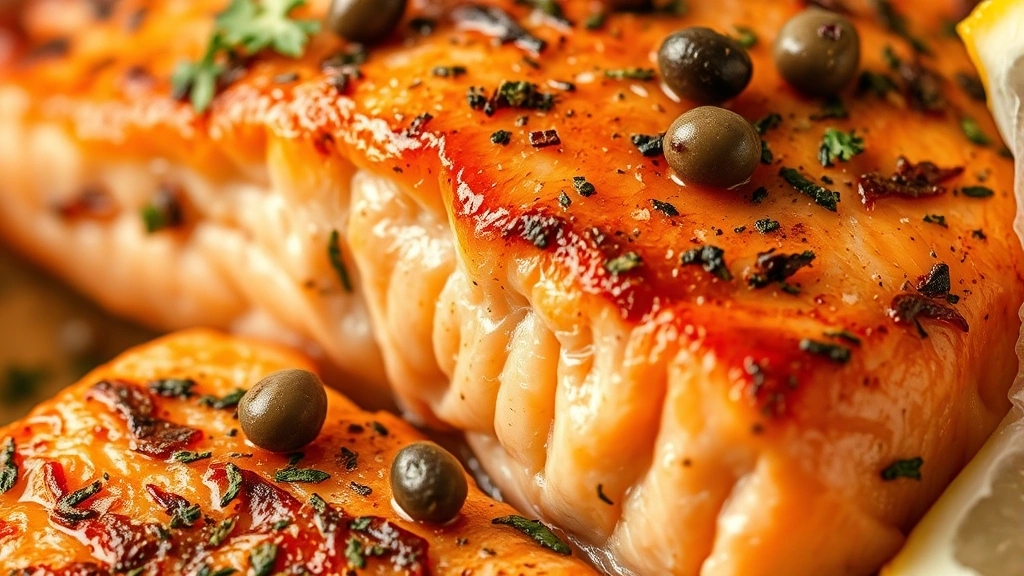
- Garnish each fillet generously with fresh dill, fresh parsley, lemon zest, and capers if desired. The red pepper flakes add a subtle heat if you’d like a little kick.
- Serve immediately while still warm, with fresh lemon wedges on the side for those who want an extra squeeze of brightness.
Pro Tips
Skin-on vs. skin-off: I always recommend skin-on fillets for this recipe. The skin crisps up beautifully and adds wonderful texture and flavor. Plus, it helps hold the delicate flesh together during cooking. If you absolutely prefer boneless, skinless fillets, reduce the cooking time by 1-2 minutes on the second side.
Thermometer guide: Sockeye salmon reaches its perfect doneness at 125°F internal temperature. Use an instant-read thermometer inserted into the thickest part of the fillet for accuracy. Remember that carryover cooking will raise the temperature by 5 degrees after you remove it from heat.
Pan selection matters: Cast iron retains heat beautifully and helps create that crispy skin. If you don’t have cast iron, use your best heavy-bottomed stainless steel skillet. Avoid non-stick pans for this recipe – they prevent the proper searing that creates that gorgeous golden crust.
Don’t skip the pat-dry step: Moisture is the enemy of a crispy crust. Even a little dampness on the skin will cause the salmon to steam rather than sear. Take the extra 30 seconds to ensure your fillets are completely dry.
Make it your own: This basic preparation is incredibly versatile. Try different herbs like tarragon or chives, add sun-dried tomatoes to the pan sauce, or finish with a drizzle of truffle oil. The method stays the same – only the seasonings change.
Leftovers keep well: Cooked sockeye salmon can be refrigerated for up to 3 days. Serve it cold over salad, flaked into grain bowls, or reheated gently in a 275°F oven for 5-7 minutes. It’s wonderful as a leftover lunch.
Pairing suggestions: Serve alongside roasted asparagus, steamed green beans, or a fresh arugula salad dressed with lemon vinaigrette. For a heartier meal, pair with crusty bread to soak up the pan sauce, or serve over creamy risotto.
Budget-friendly tip: Buy salmon when it’s on sale and freeze it. Frozen sockeye salmon thaws beautifully and performs just as well as fresh in this recipe. Thaw overnight in the refrigerator before cooking.