
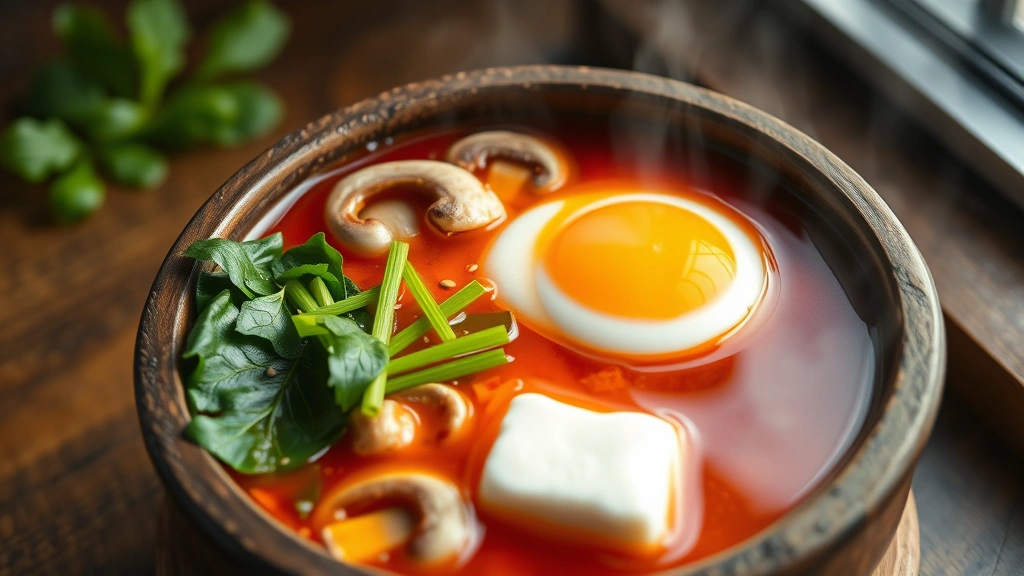
Soondubu, or soft tofu stew, is one of my absolute favorite Korean comfort foods to make at home. There’s something so wonderfully cozy about a bubbling bowl of silky soft tofu in a spicy, savory broth that’ll warm you from the inside out. This recipe is quick, tasty, and honestly easier than you’d think!
What I love most about soondubu is how versatile it is. You can customize it with your favorite proteins and vegetables, making it perfect for weeknight dinners or impressing guests. The key to achieving that restaurant-quality soondubu is using quality gochugaru (Korean red chili flakes) and getting your broth deeply flavorful with anchovy and kelp stock.
I’ve been making this soondubu recipe for years, and I’m thrilled to share my tried-and-true method with you today. The soft tofu stays delicate and silky, the broth is rich and complex, and everything comes together in about 30 minutes. Trust me, once you master this recipe, you’ll be making it constantly. It’s the kind of dish that tastes like you spent hours in the kitchen, but really, you barely did!
Whether you’re new to Korean cuisine or a seasoned fan, this soondubu recipe will become a staple in your rotation. Serve it with steamed rice, a pickled red onion for brightness, and maybe some shishito peppers on the side for extra flavor and texture.
The beauty of this dish lies in its simplicity and the quality of your ingredients. I recommend finding a good Asian market where you can source authentic gochugaru, fresh soft tofu (literally called “soondubu” in Korean markets), and quality anchovy stock. These elements truly make a difference in the final result. Once you have these foundations, the rest comes together naturally.
Ingredients
- 6 cups anchovy and kelp stock (or dashi)
- 2 blocks (about 1 pound) soft silken tofu (soondubu)
- 3 tablespoons gochugaru (Korean red chili flakes)
- 2 tablespoons sesame oil
- 1 tablespoon soy sauce
- 1 tablespoon minced garlic
- 1 teaspoon fish sauce
- 1 teaspoon gochujang (Korean red chili paste)
- 8 ounces ground beef or pork (optional)
- 4 shiitake mushrooms, sliced
- 2 green onions, chopped
- 1 small onion, sliced
- 1/2 cup spinach or other leafy greens
- 4 large eggs
- Toasted sesame seeds for garnish
- Salt and pepper to taste
- 1 teaspoon sugar
Instructions
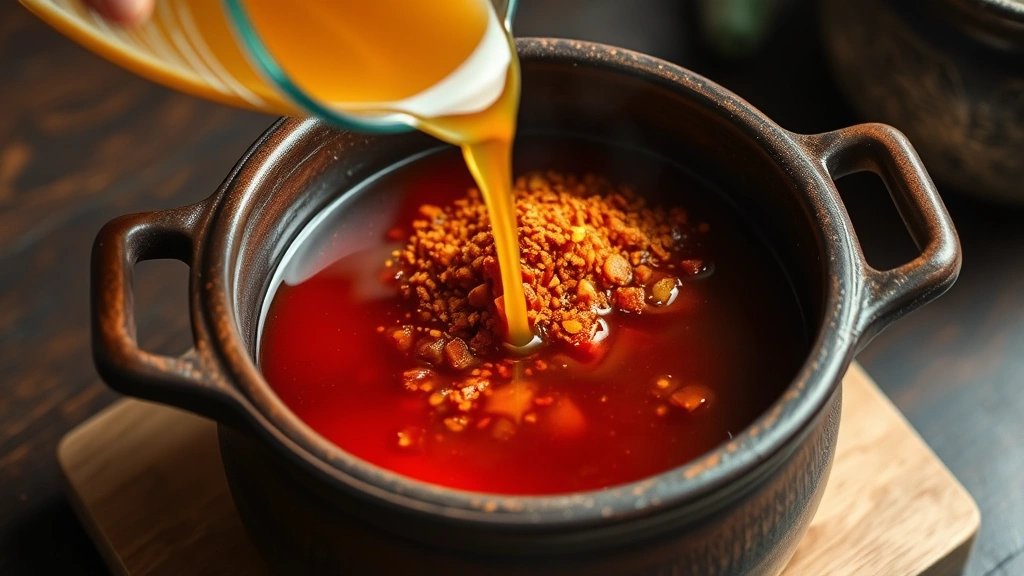
- In a large pot or clay stone bowl (dduk-sot), bring your anchovy and kelp stock to a boil over medium-high heat. This is your flavor foundation, so don’t skip making it from scratch if possible.
- While the stock heats, prepare all your ingredients. Slice your mushrooms, chop your green onions, slice your onion, and mince your garlic. Having everything ready before you start cooking is crucial for soondubu.
- Once the stock is boiling, add the minced garlic and let it simmer for about 1 minute to release its flavor into the broth.
- Stir in the gochugaru, gochujang, fish sauce, soy sauce, and sugar. Mix well until the red chili flakes and paste are fully incorporated and the broth becomes a beautiful deep red color.
- If using ground meat, add it now to the broth and break it apart with a spoon, cooking for 3-4 minutes until it’s mostly cooked through.
- Add the sliced mushrooms and onions to the pot, allowing them to cook for about 3 minutes until they begin to soften.
- Add the spinach or greens to the pot and let them wilt for about 1 minute.
- Gently add the blocks of soft tofu to the broth. Try to keep them as intact as possible, though they will break apart slightly as you stir, which is perfectly fine and expected.
- Drizzle the sesame oil over the top of the stew and give everything a gentle stir to combine.
- Allow the stew to return to a gentle simmer. Let it bubble away for about 2-3 minutes so all the flavors meld together beautifully.
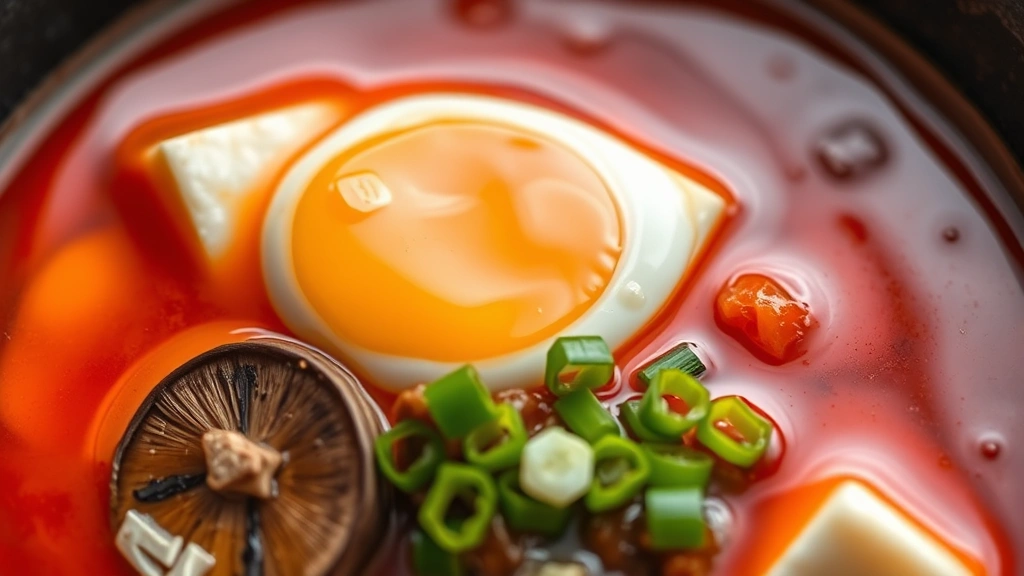
- Create small wells in the stew and carefully crack the eggs into them, spacing them evenly around the pot. You can add 1-2 eggs per person depending on preference.
- Let the eggs cook for 2-3 minutes, depending on how you like them. For runny yolks, aim for 2 minutes. For more set yolks, cook for 3-4 minutes.
- Taste the broth and adjust the seasoning with salt, pepper, or additional soy sauce as needed. The broth should be flavorful and well-balanced.
- Sprinkle the chopped green onions and toasted sesame seeds over the top of the soondubu just before serving.
- Carefully transfer the soondubu to serving bowls, making sure each person gets tofu, vegetables, meat if using, and an egg. Pour the hot broth generously over everything.
- Serve immediately while piping hot with steamed white rice on the side for scooping and soaking up that delicious broth.
Pro Tips
- Soft Tofu Selection: The tofu you use is absolutely critical for authentic soondubu. You need silken soft tofu, not regular firm or extra-firm tofu. Look for it in Asian markets where it’s often labeled as “soondubu” or “soft tofu.” It should be very delicate and custard-like in texture.
- Stock is Everything: Don’t use store-bought stock if you can help it. Making your own anchovy and kelp (dashi) stock is simple and makes an enormous difference in flavor. Soak 3-4 dried anchovies and a piece of kelp in 6 cups of water for 30 minutes, then bring to a boil. Remove the anchovies and kelp before using.
- Gochugaru Quality: Korean red chili flakes vary widely in quality and heat level. Start with 3 tablespoons and adjust to your spice preference. Fresh gochugaru will have a bright red color and fruity notes, while older versions can taste dusty.
- Clay Pot Advantage: Traditionally, soondubu is served in a stone or clay pot (dduk-sot) that keeps the stew hot throughout the meal and creates that wonderful sizzling sound. If you have one, use it! If not, a regular pot works fine, just transfer to bowls for serving.
- Protein Options: While ground beef is traditional, you can use ground pork, shrimp, clams, or keep it vegetarian. The stew is delicious either way.
- Egg Variations: Some people prefer quail eggs for a more delicate presentation. You can also skip the eggs entirely if you prefer, or cook them separately and add them to individual bowls.
- Make It Vegetarian: Simply use vegetable stock instead of anchovy stock, skip the meat, and you have a delicious vegetarian version. The flavors are still complex and satisfying.
- Storage and Reheating: Leftover soondubu keeps in the refrigerator for up to 3 days. Reheat gently on the stovetop over low heat to prevent breaking the tofu. The tofu will become slightly firmer after storage, which is normal.
- Serving Suggestions: Serve with steamed white rice, pickled vegetables, kimchi, and seared shishito peppers for a complete meal. Banchan (Korean side dishes) really complete the experience.
- Customization: Add your favorite vegetables like zucchini, bok choy, or carrots. Adjust the spice level by increasing or decreasing the gochugaru. Some people add a splash of rice vinegar for brightness at the end.
- Heat Management: The stew should be at a gentle simmer, not a rolling boil, to keep the tofu intact. If your heat is too high, the tofu will break apart into small pieces, which is still delicious but not traditional.
- Flavor Building: Don’t rush the initial cooking of aromatics and spices. Taking an extra minute to bloom the garlic and chili flakes in the hot stock creates a much deeper, more complex flavor profile.