

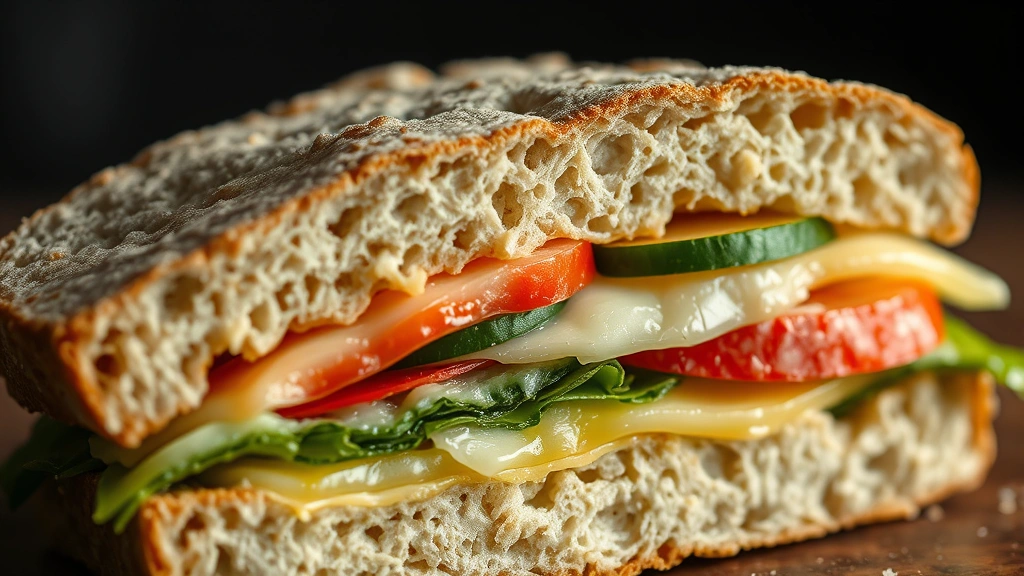
There’s nothing quite like biting into a perfectly crafted sourdough bread sandwich – that tangy, complex flavor of a properly fermented loaf paired with quality ingredients is simply divine. If you’ve ever wondered how to elevate your sandwich game from ordinary to extraordinary, this is the recipe you need. The beauty of a sourdough bread sandwich lies not just in the bread itself, but in understanding how to build layers of flavor that complement that distinctive sour tang.
Sourdough bread has been cherished for centuries, and for good reason. The natural fermentation process creates a bread with superior flavor, better digestibility, and a texture that’s simultaneously crispy on the outside and tender within. When you use this magnificent bread as the foundation for a sandwich, you’re setting yourself up for success. The key is choosing fillings that won’t overpower the bread’s nuanced flavor profile, while still creating a satisfying, memorable meal.
This guide will walk you through creating the ultimate sourdough bread sandwich, from selecting the perfect loaf to assembling each layer with intention. Whether you’re preparing lunch for yourself or impressing guests at a gathering, mastering this technique will transform your sandwich-making forever. We’ll cover everything from bread selection and preparation to classic and creative filling combinations that showcase why sourdough deserves a place at your table.
The art of sandwich making is often overlooked, but it’s truly a culinary skill worth developing. A great sandwich requires balance – balance of flavors, textures, and moisture. Too much sauce and your bread becomes soggy; too little and it’s dry. The right protein paired with fresh vegetables and quality condiments creates harmony on your palate. With sourdough as your canvas, the possibilities are nearly endless, yet the execution remains beautifully simple.
Learn more about perfect side dishes to pair with your sandwich, and discover how roasted vegetables can complement your meal. For those interested in expanding their baking skills, understanding fermentation principles will enhance your appreciation for quality sourdough bread.
Ingredients
- 2 slices sourdough bread, ½ inch thick
- 2 tablespoons mayonnaise or your preferred spread
- 1 tablespoon Dijon mustard
- 4 ounces quality deli meat (turkey, roast beef, or prosciutto)
- 2 ounces aged cheese (Swiss, cheddar, or provolone)
- 2-3 leaves fresh lettuce (romaine or butter lettuce)
- 1 medium tomato, sliced ¼ inch thick
- 3-4 thin slices red onion
- 2 tablespoons roasted red peppers, drained if jarred
- 1 avocado, sliced (optional but recommended)
- 2-3 fresh basil leaves (optional)
- Salt and freshly ground black pepper to taste
- 1 teaspoon olive oil for toasting

Instructions
- Select your sourdough bread carefully – look for a loaf with a crispy, golden crust and an open crumb structure. If using day-old bread, it’s actually preferable as it holds up better to fillings and won’t compress as easily.
- Slice your sourdough bread to approximately ½ inch thickness. Thinner slices may tear or become too soft, while thicker slices can overwhelm the delicate fillings.
- Lightly brush both bread slices with olive oil on the outer surfaces. This step is optional but highly recommended as it creates a subtle barrier against moisture.
- Toast the bread slices in a cast iron skillet over medium-high heat for 1-2 minutes per side, or until they achieve a light golden color and develop a subtle crunch. Alternatively, use a toaster set to medium for one cycle.
- Remove toasted bread from heat and allow to cool for approximately one minute. This cooling period is crucial – it sets the crust and prevents fillings from melting prematurely.
- While bread is cooling, prepare your fillings. Slice your protein into even, thin pieces approximately ⅛ inch thick. Pat deli meat dry with a paper towel to remove any excess moisture that could make the sandwich soggy.
- Slice your cheese to match the thickness of your bread – ideally thin enough to bend slightly but substantial enough to provide flavor. Room temperature cheese is preferable as it will adhere better to other components.
- Prepare your vegetables by washing lettuce and patting completely dry, slicing tomato into even ¼ inch rounds, and thinly slicing red onion. Dry vegetables are essential for preventing sandwich sogginess.
- Spread mayonnaise evenly on the bottom slice of toasted sourdough, using approximately one tablespoon. Use the back of a knife to create an even layer that reaches all edges.
- Spread Dijon mustard on the top slice of toasted sourdough with approximately one tablespoon, again ensuring even coverage to all edges.
- Layer your deli meat on the mayonnaise-spread bottom slice, arranging pieces to cover the entire surface. If using multiple types of meat, alternate them for visual interest and flavor complexity.
- Place cheese slices directly on top of the meat. The residual heat from the toasted bread will slightly soften the cheese, creating better adhesion and subtle melting.
- Arrange lettuce leaves on the cheese layer, tearing larger leaves to fit and ensuring even coverage. Lettuce acts as a moisture barrier between wet ingredients and the bread.
- Layer tomato slices in a single layer on top of lettuce. If tomato slices are particularly large, slightly overlap them for better structural integrity.
- Add red onion slices across the tomato layer, distributing them evenly for consistent flavor throughout each bite.
- Place roasted red peppers on top of the onion layer, spreading them to cover gaps and add pops of sweet flavor and color.
- If using avocado, slice it in half lengthwise, remove the pit, and slice into thin crescents approximately ¼ inch thick. Arrange avocado slices on top of peppers, overlapping slightly.
- Add fresh basil leaves if desired, tearing larger leaves to fit and distributing them for visual appeal and subtle herbal notes.
- Season the top layer of vegetables with a small pinch of salt and freshly ground black pepper, being conservative as other ingredients already contain salt.
- Carefully place the top slice of sourdough, mustard-side down, directly on top of your carefully arranged fillings. Press down gently and evenly across the entire sandwich to help ingredients adhere and create structural stability.
- Using a sharp serrated knife, cut the sandwich diagonally from corner to corner, creating two triangular halves. The diagonal cut is not merely aesthetic – it creates a larger surface area for each bite and makes the sandwich easier to hold.
- Transfer sandwich halves to a serving plate and serve immediately while bread is still warm and crispy. The contrast between warm, crunchy bread and cool, fresh fillings is essential to the eating experience.
- If preparing ahead, assemble the sandwich just before serving. If you must assemble in advance, toast bread but keep it separate from fillings until the last moment, then assemble quickly to minimize sogginess.
Pro Tips
The toasting step is absolutely essential and shouldn’t be skipped. Toasting creates a protective barrier that seals the bread’s surface and prevents moisture absorption from fillings. It also deepens the bread’s flavor and adds textural contrast.
Meat selection matters tremendously. Higher quality, freshly sliced deli meats will taste dramatically better than pre-packaged varieties. Visit your local deli counter and request thin slicing – usually around 1/16 inch thickness.
Cheese selection should complement rather than overpower the sourdough’s tangy notes. Aged cheeses with complex flavors work beautifully. Swiss cheese’s nutty notes pair particularly well, while sharp cheddar adds assertiveness.
The order of layering is strategic and important. Placing mayonnaise first creates a moisture barrier. Lettuce comes before wet vegetables to prevent sogginess. Heavier items like meat and cheese go on bottom to provide structural support.
Avocado adds richness and creaminess but must be sliced immediately before assembly as it oxidizes quickly. If preparing ahead, toss avocado slices with lemon juice to prevent browning.
Vegetable preparation cannot be rushed. Thoroughly patting vegetables dry is the single most important factor in preventing a soggy sandwich. Consider salting tomatoes lightly and allowing them to sit for five minutes, then blotting with paper towels to remove excess moisture.
The diagonal cut serves multiple purposes. It looks more appealing, creates larger bite surfaces, and makes the sandwich easier to hold without fillings sliding out.
Leftovers should be stored with components separate if possible. If you must store an assembled sandwich, wrap it in parchment paper rather than plastic wrap to maintain bread crispness.
Customization is encouraged. Add crispy bacon for smokiness, include different cheeses for complexity, or experiment with specialty spreads like pesto aioli or herb butter. The sourdough base is versatile enough to support creative variations while maintaining its character.
Pingback: Arabic Bread Recipe: Easy Homemade Pita in 30 Minutes - Simple Recipe Finder
Pingback: Banana Bread Recipe with Oil: Moist & Easy Every Time - Simple Recipe Finder
Pingback: Blueberry Banana Bread Recipe: Moist & Easy Every Time - Simple Recipe Finder
Pingback: Cherry Jam Recipe: Easy Homemade Method in 30 Minutes - Simple Recipe Finder