
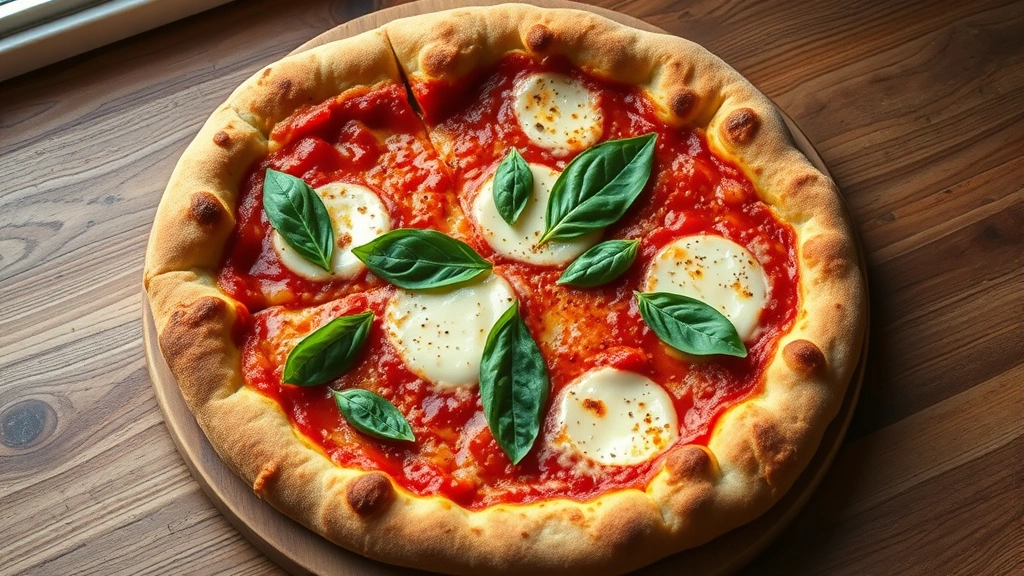
There’s something absolutely magical about homemade sourdough pizza—the tangy, complex flavor of a well-developed starter combined with a perfectly crispy-yet-chewy crust is simply unbeatable. This isn’t just any pizza recipe; it’s a labor of love that transforms simple ingredients into something truly extraordinary.
What makes sourdough pizza so special is the fermentation process. Unlike traditional pizza dough that relies on commercial yeast, sourdough uses a living culture that develops flavor over time. The long, slow fermentation breaks down the gluten naturally, making it easier to digest while creating those beautiful air pockets and a crust with incredible depth. The result is a pizza with a slight tang, superior texture, and a complexity that store-bought dough simply cannot match.
I’ve been perfecting this sourdough pizza recipe for years, and I’m thrilled to share my foolproof method with you. Whether you’re a seasoned sourdough baker or someone just starting their fermentation journey, this recipe is designed to be approachable yet impressive. The beauty of sourdough pizza is that it rewards patience—the longer you let it develop, the better it becomes. You can make this dough in stages, fitting it perfectly into a busy schedule.
The key to success is understanding your starter. A healthy, active sourdough starter is the foundation of everything. If you don’t have one yet, you’ll want to build flavor into every component of your pizza night, starting with creating or nurturing your starter. Once you have that bubbling beauty ready, you’re on your way to pizza perfection.
This recipe produces two gorgeous 12-inch pizzas with that perfect balance of crispy exterior and chewy interior. The dough is forgiving and versatile—top it with classic margherita ingredients, rich and indulgent combinations, or keep it simple with quality tomato sauce and fresh basil. The sourdough base complements any topping you choose.
For those looking to expand their pizza repertoire, consider pairing this with charred peppers as a topping or creating a protein-rich salad to serve alongside. The possibilities are endless!
External resources like Serious Eats’ sourdough pizza guide and Bon Appétit’s pizza techniques have been invaluable in my pizza journey. I also recommend checking out The New York Times’ pizza dough expertise for additional inspiration and troubleshooting tips.
This sourdough pizza recipe has become my go-to for entertaining, weeknight dinners, and whenever I’m craving that incomparable tangy, crispy-chewy perfection. Let me walk you through every step to ensure your pizza-making adventure is a delicious success!
Ingredients
- 1 cup (240ml) active, bubbly sourdough starter, fed 4-8 hours prior
- 1½ cups (360ml) warm water (around 75-80°F)
- 3½ cups (420g) bread flour or all-purpose flour
- 1½ teaspoons (9g) fine sea salt
- ½ teaspoon (2g) instant yeast (optional, for backup)
- 2 tablespoons (30ml) extra virgin olive oil, plus more for oiling
- 1 cup (240ml) San Marzano tomato sauce or crushed tomatoes
- 2 cups (200g) whole milk mozzarella, torn into pieces
- ½ cup (50g) freshly grated Parmigiano-Reggiano
- Fresh basil leaves
- Sea salt and freshly cracked black pepper to taste
- Red pepper flakes (optional)
- Extra virgin olive oil for drizzling
Instructions
- In a large mixing bowl, combine your active sourdough starter with 1½ cups of warm water. Stir until the starter is mostly dissolved and the mixture is well combined. This should take about 30 seconds of stirring.
- Add the bread flour to the starter mixture and mix with a wooden spoon or your hands until all the flour is incorporated and you have a shaggy, rough dough. There should be no dry flour remaining in the bowl. Let this mixture rest for 20-30 minutes at room temperature—this is called the autolyse and helps develop gluten naturally.
- After the autolyse rest, sprinkle the sea salt evenly over the dough. Add the olive oil. Using wet hands or a dough scraper, incorporate the salt and oil into the dough by stretching and folding it over itself repeatedly. This should take about 5-8 minutes of work. The dough will go from rough to smooth and slightly sticky.
- Transfer your dough to a lightly oiled bowl, cover with a damp kitchen towel or plastic wrap, and let it bulk ferment at room temperature (68-72°F is ideal) for 4-6 hours. During this time, perform 4-5 sets of stretch and folds at 30-minute intervals during the first 2 hours. This develops strength without aggressive kneading.
- After the bulk fermentation, turn the dough out onto a lightly floured surface and gently divide it into two equal pieces using a bench scraper. Avoid degassing the dough too much—you want to preserve those beautiful bubbles.
- Shape each piece into a round ball by gently pulling the edges toward the center and rotating slightly. Place each ball seam-side up in a floured banneton basket or a bowl lined with a well-floured kitchen towel. Cover loosely with plastic wrap.
- Place the shaped dough in the refrigerator for at least 12-24 hours. This cold fermentation is absolutely crucial—it develops flavor, makes the dough easier to stretch, and creates those perfect air bubbles. You can refrigerate for up to 48 hours if needed.
- About 1 hour before baking, preheat your oven to 500°F (260°C). If you have a pizza stone or steel, place it on the lowest oven rack. If not, you can bake directly on a preheated baking sheet.
- Remove one ball of dough from the refrigerator and let it sit at room temperature for 15-20 minutes. This slight warming makes it much easier to stretch without tearing.
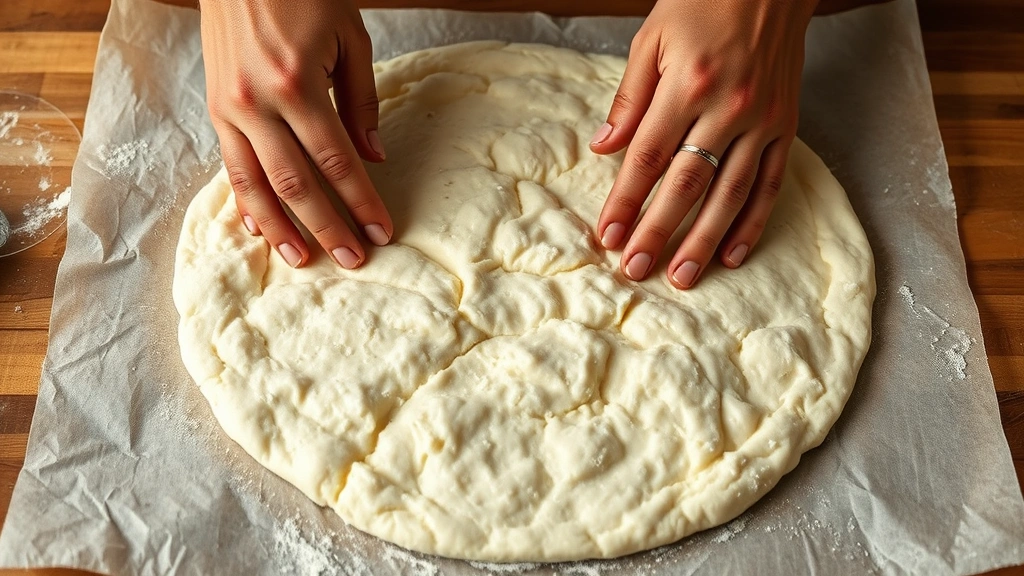
- Gently place the dough on a piece of parchment paper. Using your fingertips, begin stretching the dough from the center outward, being careful not to create holes. If the dough resists, let it rest for 2-3 minutes and try again. Work until you have a circle approximately 12 inches in diameter.
- Lightly brush the stretched dough with olive oil, then spread about ½ cup of tomato sauce in an even layer, leaving a ½-inch border around the edges for the crust. Don’t overload with sauce—less is more for the best texture.
- Distribute half of the torn mozzarella evenly over the sauce, then sprinkle with half of the Parmigiano-Reggiano. Add your desired toppings now if using any. A light drizzle of olive oil over the toppings is wonderful.
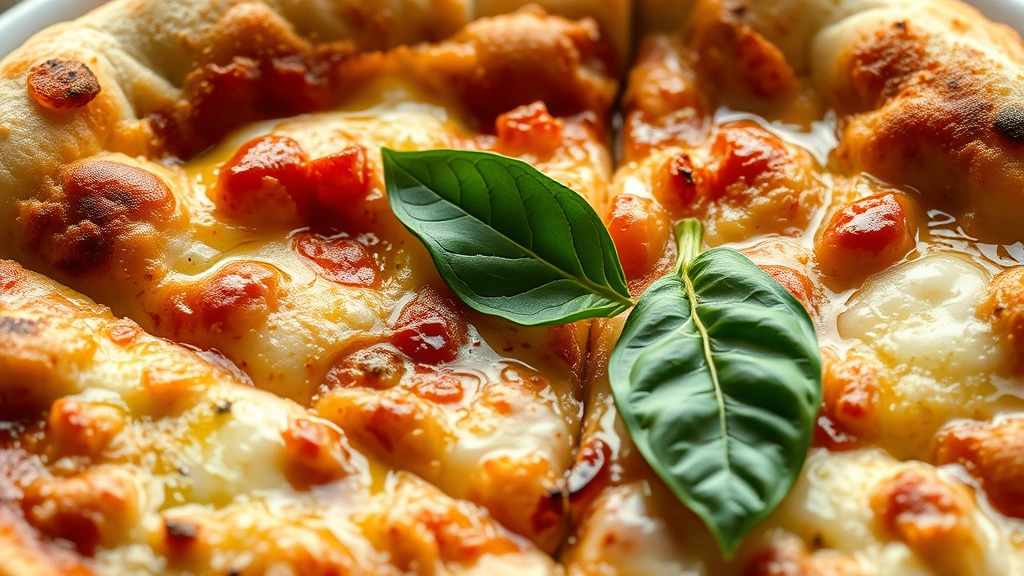
- Carefully transfer the parchment paper with the pizza onto your preheated pizza stone or baking sheet. Bake for 12-15 minutes, until the crust is golden brown and the cheese is bubbly and starting to brown in spots. The crust should sound crispy when tapped.
- Remove the pizza from the oven and immediately top with fresh basil leaves, a sprinkle of sea salt, cracked black pepper, and red pepper flakes if desired. A final light drizzle of your best olive oil elevates everything.
- Let the pizza rest for 1-2 minutes before slicing. This allows the cheese to set slightly and makes cutting much easier. Repeat steps 9-14 with your second ball of dough.
Pro Tips
- **Starter Strength is Everything**: Use a starter that’s at peak activity—it should be bubbly, doubled in size, and smell pleasantly sour, not like gym socks. If your starter seems sluggish, feed it more frequently in the days leading up to baking.
- **Temperature Matters**: Sourdough fermentation is temperature-dependent. Cooler environments (65-68°F) will result in slower fermentation and more sour flavor, while warmer environments (72-75°F) will ferment faster. Adjust your timing accordingly.
- **The Optional Yeast**: The ½ teaspoon of instant yeast is a backup insurance policy. If your starter is weak or you want faster fermentation, include it. If your starter is strong and you’re committed to pure sourdough, you can omit it entirely.
- **Cold Fermentation is Key**: Don’t skip this step! The overnight or longer refrigeration is what transforms this from good dough to exceptional dough. It develops flavor, makes shaping easier, and creates better oven spring.
- **Parchment Paper Hack**: Using parchment paper makes transferring to the pizza stone much easier and less stressful. You can leave it on during baking; it won’t burn at these temperatures.
- **Sauce Selection**: San Marzano tomatoes produce the best pizza sauce due to their low acidity and sweet flavor. If using canned crushed tomatoes, drain off excess liquid first. Fresh tomato sauce works too but may require longer cooking time.
- **Cheese Ratios**: Fresh whole milk mozzarella creates better texture than low-moisture mozzarella, though LDM works in a pinch. Tear cheese into small pieces rather than shredding—it melts more evenly.
- **Topping Suggestions**: Keep toppings moderate. Try classic margherita (basil, fresh mozzarella, tomato), fresh sautéed mushrooms and garlic, prosciutto and arugula, caramelized onions with gorgonzola, or roasted vegetables.
- **Storage**: Leftover pizza keeps for 3-4 days in an airtight container in the refrigerator. Reheat in a 350°F oven for 5-7 minutes to restore crispiness. You can also freeze baked pizzas for up to 3 months.
- **Troubleshooting Dense Crumb**: If your crust comes out dense, your starter may not have been active enough, or you may not have given it enough bulk fermentation time. Next time, feed your starter more frequently and extend fermentation by 1-2 hours.
- **Troubleshooting Tears While Stretching**: Gently work the dough and let it rest between stretches. If it keeps tearing, your gluten development may need work—perform more stretch and folds during bulk fermentation next time.
- **Scaling Recipe**: This recipe easily scales. One ball of dough makes one 12-inch pizza. For multiple pizzas, simply scale all ingredients proportionally and divide into more balls.