
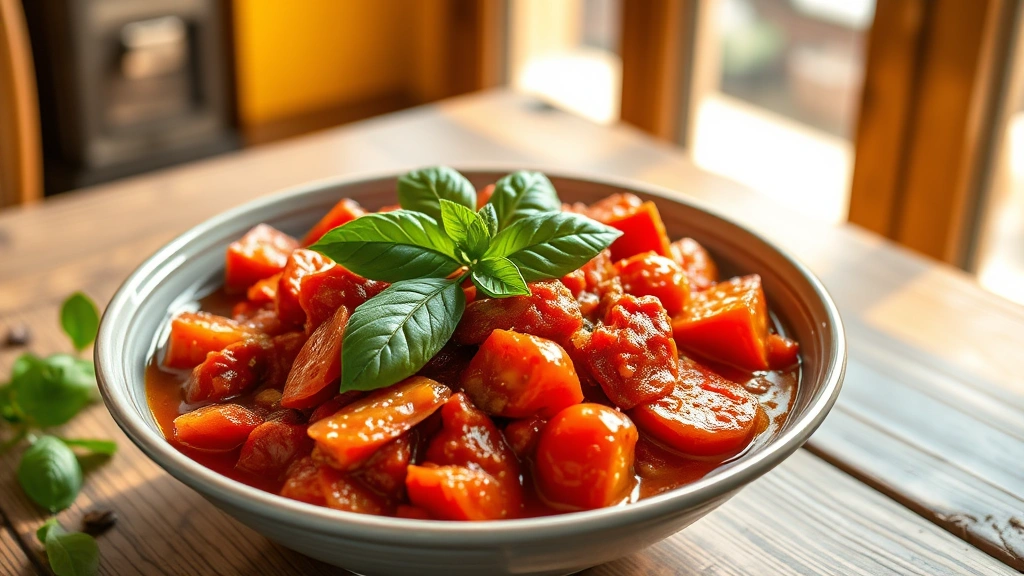
There’s something absolutely magical about homemade stewed tomatoes that store-bought versions simply cannot capture. This classic comfort food recipe has been a staple in Southern and Italian kitchens for generations, and once you learn how to make it properly, you’ll never go back to canned varieties again. The beauty of stewed tomatoes lies in their simplicity—fresh tomatoes, aromatic vegetables, and just a few key seasonings come together to create a dish that’s greater than the sum of its parts.
Whether you’re planning to serve these as a side dish, use them as a base for other recipes, or simply enjoy them on their own, this stewed tomatoes recipe is incredibly versatile. The slow simmering process allows all the flavors to meld beautifully, creating a rich, deeply satisfying tomato sauce that tastes like it’s been cooking all day. I’ve perfected this recipe over years of experimentation, and I’m thrilled to share my secrets with you.
What makes this the BEST stewed tomatoes recipe is the attention to detail—from selecting the right tomatoes to knowing exactly when to add each ingredient. We’re going to walk through every step together, ensuring you achieve that perfect balance of sweetness, acidity, and savory depth. If you’re looking for other comforting sides to pair with your main course, check out our Best Peanut Butter Oatmeal Cookie Recipe for dessert inspiration.
The key to exceptional stewed tomatoes is using fresh, ripe tomatoes when they’re in season. However, high-quality canned tomatoes work beautifully too, especially during off-season months. The cooking technique remains the same—we’re building flavor layers by sautéing aromatics first, then allowing everything to simmer gently until the tomatoes break down completely. This method ensures you get that authentic, homemade taste that’s impossible to rush.
You’ll notice this recipe includes some unexpected flavor additions that elevate it beyond basic stewed tomatoes. A touch of sugar balances the acidity of the tomatoes, while fresh basil and garlic add complexity and depth. Some home cooks add a splash of balsamic vinegar or a pinch of red pepper flakes for an extra dimension. The beauty of this recipe is that it’s customizable to your preferences while maintaining that perfect stewed texture and flavor profile.
One of my favorite things about making stewed tomatoes from scratch is that the recipe is naturally budget-friendly and uses minimal ingredients. You’re probably already stocked with most of what you need in your pantry and refrigerator right now. Plus, this recipe makes a generous batch, so you can enjoy it throughout the week or freeze portions for later. For more comforting classics, explore our Best Banana Loaf Recipe for another go-to favorite.
This stewed tomatoes recipe is perfect for meal prep, and I often double or triple the batch when tomatoes are abundant. The flavor actually improves after a day or two in the refrigerator as the ingredients continue to meld. It’s the kind of recipe that becomes a kitchen staple once you’ve mastered it—something you’ll make again and again for family dinners, potlucks, and everything in between. Let’s get started on creating this delicious dish together!
Ingredients
- 3 tablespoons olive oil
- 1 medium yellow onion, diced
- 4 cloves garlic, minced
- 3 pounds fresh tomatoes, cored and roughly chopped (or 2 28-ounce cans crushed tomatoes)
- 1 teaspoon sugar
- 1 teaspoon kosher salt
- ½ teaspoon black pepper
- ½ teaspoon dried oregano
- ¼ teaspoon red pepper flakes (optional)
- 1 bay leaf
- ½ cup fresh basil leaves, chopped
- 2 tablespoons tomato paste
- 1 tablespoon balsamic vinegar (optional but recommended)
- Pinch of nutmeg
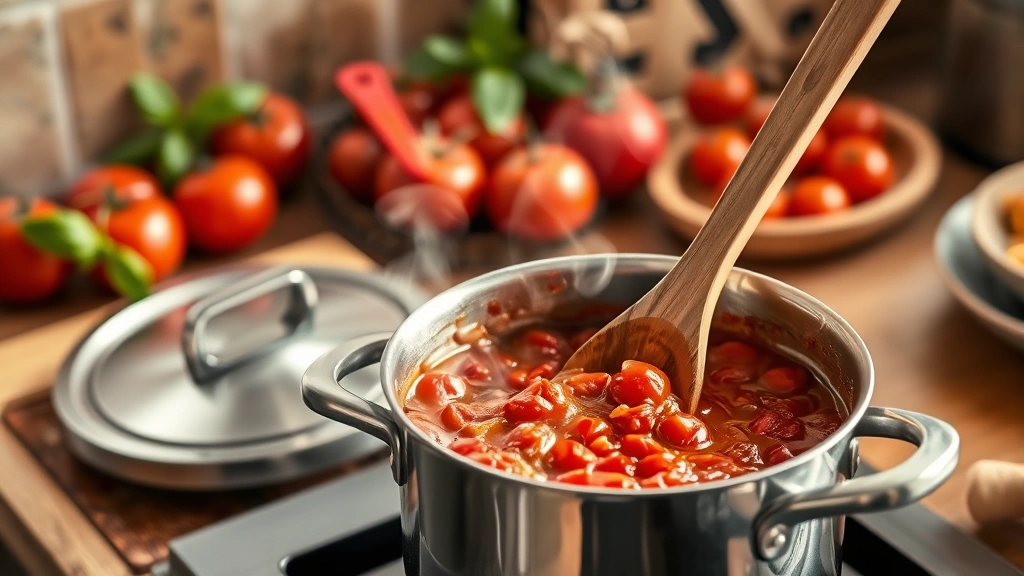
Instructions
- Heat olive oil in a large, heavy-bottomed pot or Dutch oven over medium heat. Allow it to shimmer for about one minute until fragrant.
- Add the diced onion to the pot and sauté for 4-5 minutes, stirring occasionally, until the onion becomes translucent and starts to soften.
- Stir in the minced garlic and cook for an additional 1-2 minutes until the garlic becomes fragrant. Be careful not to let the garlic brown, as this can make it bitter.
- Add the tomato paste to the pot and stir well, coating the onion and garlic mixture. Cook for 1-2 minutes to allow the tomato paste to caramelize slightly and deepen in flavor.
- Pour in the chopped fresh tomatoes (or canned crushed tomatoes if using) along with any accumulated juices. Stir everything together thoroughly.
- Add the sugar, salt, black pepper, dried oregano, bay leaf, and the pinch of nutmeg. Stir well to combine all the seasonings evenly throughout the tomatoes.
- If using fresh tomatoes, increase the heat to medium-high and bring the mixture to a gentle simmer. If using canned tomatoes, bring to a simmer over medium heat.
- Once simmering, reduce the heat to medium-low to maintain a gentle, steady simmer. You want small bubbles breaking the surface occasionally, not a rolling boil.
- Simmer uncovered for 25-30 minutes, stirring occasionally. The tomatoes should break down completely and the sauce should thicken slightly. Fresh tomatoes will take the full 30 minutes, while canned tomatoes may be done in 20-25 minutes.
- Taste the stewed tomatoes and adjust seasonings as needed. Add more salt, pepper, or sugar depending on your preference and the acidity of your tomatoes.
- Stir in the balsamic vinegar if using, which adds a subtle sweetness and complexity to the sauce.
- Remove from heat and stir in the fresh chopped basil, reserving a small handful for garnish if desired.
- Remove the bay leaf before serving, or leave it in if you prefer (just remind guests it’s there).
- Serve hot as a side dish, or allow to cool slightly if you prefer a less steaming presentation. Garnish with fresh basil and a drizzle of olive oil if desired.
Pro Tips
Make-Ahead Instructions: This recipe is perfect for make-ahead cooking. You can prepare the stewed tomatoes up to three days in advance and store them in an airtight container in the refrigerator. The flavors actually improve as they sit. You can also freeze portions in ice cube trays for convenient future use—each cube is approximately one-quarter cup.
Freezing Tips: Allow the stewed tomatoes to cool completely before freezing. Portion into freezer-safe containers or bags, leaving a little headspace to allow for expansion. Properly frozen stewed tomatoes will keep for up to three months. Thaw in the refrigerator overnight before reheating gently on the stovetop.
Seasoning Adjustments: If your stewed tomatoes taste too acidic, add a pinch more sugar or a touch of butter to round out the flavors. If they’re too sweet, add a squeeze of lemon juice or a splash of red wine vinegar. Fresh tomatoes vary in acidity depending on variety and ripeness, so always taste and adjust.
Fresh Herb Variations: While basil is traditional, try experimenting with fresh parsley, oregano, or thyme. You can also add a teaspoon of Italian seasoning if you prefer a more herbaceous profile. Cilantro works surprisingly well too if you’re seeking a different flavor direction.
Garlic Options: For a more robust garlic flavor, use six cloves instead of four. For a milder garlic presence, reduce to two cloves. Some cooks prefer to add roasted garlic instead for a sweeter, more mellow garlic flavor.
Optional Additions: Consider adding diced bell peppers, fresh fennel, or even a splash of red wine to create variations. A handful of fresh spinach stirred in at the end adds nutrition and a subtle earthiness. Some traditional recipes include a pinch of cinnamon for warmth.
Serving Suggestions: Serve alongside grilled chicken or fish, pour over pasta with fresh mozzarella, use as a base for shakshuka with poached eggs, or serve with crusty bread for dipping. These stewed tomatoes are also excellent as a topping for polenta, in grain bowls, or alongside roasted vegetables.
Pot Recommendations: Use a heavy-bottomed pot or Dutch oven for even heat distribution. This prevents hot spots that could cause sticking or burning. A 5-6 quart pot is ideal for this recipe, allowing enough space for the tomatoes to cook down properly.
Heat Management: Maintaining a gentle simmer is crucial. Too high heat will cause the tomatoes to splatter and reduce too quickly before flavors meld. Too low heat will result in a watery sauce rather than a properly concentrated stewed tomato base.
Can Substitutions: If you don’t have fresh basil, use one teaspoon of dried basil, adding it during the simmering process rather than at the end. The flavor won’t be quite as bright, but it’s still delicious. Fresh parsley can also substitute if basil is unavailable.