
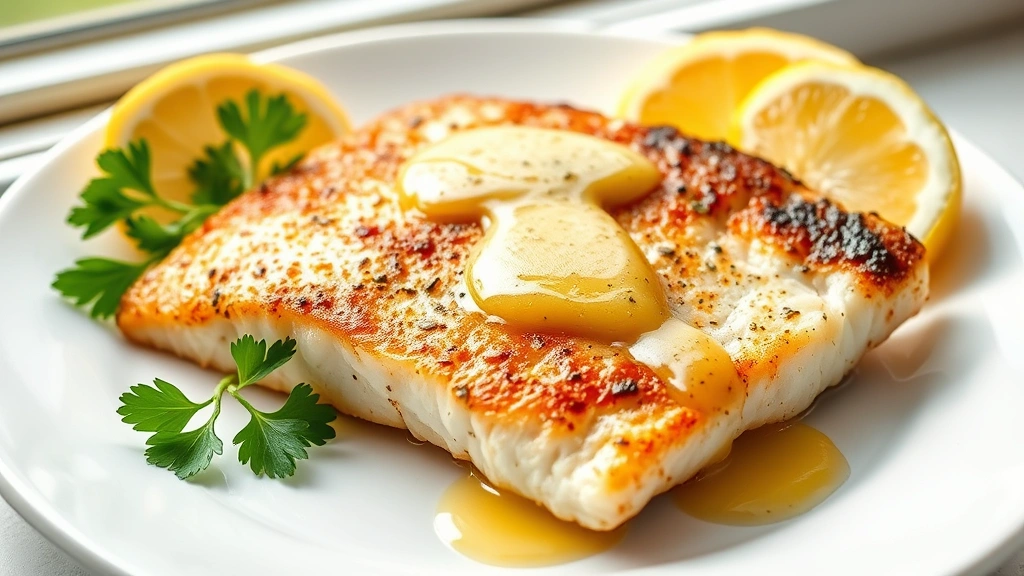
Swordfish steaks are an absolute showstopper on the dinner table, and honestly? They’re so much easier to prepare than you’d think! This recipe proves that sometimes the simplest preparations yield the most impressive results. With just a few quality ingredients and about 15 minutes of your time, you’ll have restaurant-quality swordfish that’ll make everyone wonder if you’ve secretly become a professional chef.
What I absolutely love about cooking swordfish is its firm, meaty texture that holds up beautifully to bold flavors and high heat. Unlike more delicate white fish, swordfish won’t fall apart on you—it’s practically foolproof, making it perfect for weeknight dinners or when you’re entertaining guests. The key is not to overthink it. A good swordfish steak needs minimal fussing: quality fish, proper seasoning, and the right cooking technique.
I’m going to walk you through exactly how to nail this every single time. We’re talking perfectly seared exteriors with a beautiful golden crust, while the inside stays moist and tender. The beauty of this recipe is its versatility too. You can dress it up with fancy sides like Best Roasted Eggplant Recipe or keep things light with a fresh salad and Quick Pickle Red Onion Recipe for brightness.
The secret to incredible swordfish comes down to a few fundamental principles. First, you want steaks that are at least one inch thick—this gives you room to develop that gorgeous crust without overcooking the interior. Second, pat your fish completely dry before cooking; moisture is the enemy of a good sear. Third, use high heat and don’t move the fish around too much. Let it do its thing and develop that beautiful caramelization. Finally, pull it off the heat just before you think it’s done—carryover cooking will finish the job perfectly.
I recommend using a cast-iron skillet for this recipe because it maintains consistent heat and creates that restaurant-quality sear. However, a stainless steel skillet works beautifully too. The important thing is using a skillet that can handle high heat without warping. Avoid non-stick pans for this application—they simply can’t get hot enough to deliver the sear you’re after.
One more thing before we dive in: don’t be intimidated by swordfish! It’s actually one of the most forgiving fish to cook at home. The thick steaks are hard to dry out if you’re paying attention, and the flavor is robust enough that it pairs with almost any seasoning profile you’re in the mood for. Whether you go Mediterranean with lemon and herbs, or try something spicier, swordfish is your friend.
This recipe serves two people as a main course with generous portions, but you can easily double it for a dinner party. Pair it with your favorite sides—roasted vegetables, fresh pasta, grain bowls, or a crisp salad. For entertaining, serve alongside Best Bean Dip Recipe as an appetizer to impress your guests before the main event.
Let me also say that quality matters here. Visit a reputable fishmonger if possible and ask for swordfish steaks cut fresh that day. The difference between fresh and previously frozen fish is night and day. If you must buy frozen, that’s fine—just make sure to thaw it slowly in the refrigerator overnight. Never use warm water or microwave thawing for fish; it compromises the texture.
I’ve been making this recipe for years, and it’s become my go-to for impressing people. It’s elegant enough for date night, simple enough for weeknight cooking, and always delivers delicious results. You’re going to love how this turns out, I promise!
Ingredients
- 2 swordfish steaks, 1 to 1.25 inches thick (about 6-8 ounces each)
- 2 tablespoons extra virgin olive oil
- 1 teaspoon kosher salt, plus more to taste
- 1/2 teaspoon freshly ground black pepper
- 1/2 teaspoon garlic powder
- 1/4 teaspoon paprika
- 2 tablespoons fresh lemon juice
- 2 tablespoons unsalted butter
- 3 cloves garlic, minced
- 2 tablespoons fresh parsley, finely chopped
- 1 tablespoon capers, optional
- Lemon wedges for serving
Instructions
- Remove swordfish steaks from the refrigerator 10 minutes before cooking to bring them closer to room temperature. This ensures even cooking throughout.
- Pat the swordfish steaks completely dry with paper towels, pressing gently on both sides. Moisture prevents proper searing, so don’t skip this step.
- In a small bowl, combine kosher salt, black pepper, garlic powder, and paprika. Sprinkle this seasoning mixture evenly on both sides of each swordfish steak, pressing gently so it adheres.
- Place a cast-iron or stainless steel skillet over medium-high heat. Allow it to heat for 2-3 minutes until it’s very hot—you should see a slight shimmer across the surface.
- Add the olive oil to the hot skillet and swirl to coat evenly. The oil should shimmer and move freely across the pan.
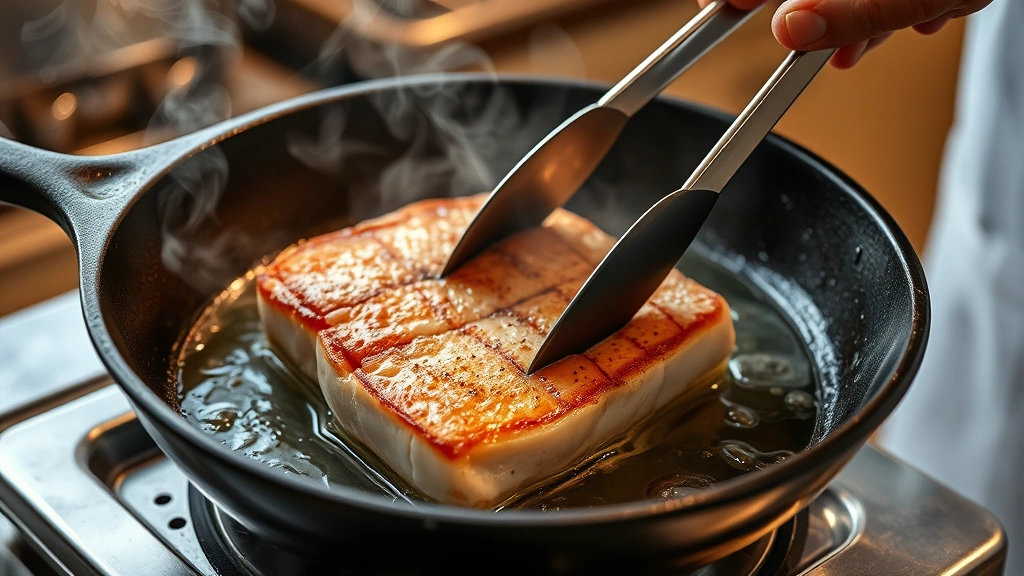
- Carefully place the seasoned swordfish steaks into the skillet. You should hear an immediate, satisfying sizzle. Do not move them for 3-4 minutes.
- After 3-4 minutes, check the underside of the fish by gently lifting the edge with a spatula. The bottom should be golden brown with a beautiful crust. If it needs another minute, leave it be.
- Flip the steaks carefully using a thin spatula and a pair of tongs for stability. Cook for an additional 3-4 minutes on the second side until that side develops the same golden crust.
- When the second side is done, transfer the swordfish steaks to a warm plate and tent loosely with foil to keep them warm while you make the sauce.
- In the same skillet (don’t wash it—those browned bits are liquid gold), reduce heat to medium and add the butter. Swirl until it melts and turns slightly golden, about 1 minute.
- Add the minced garlic to the butter and cook for 30 seconds, stirring constantly, until fragrant. Be careful not to burn the garlic.
- Remove the skillet from heat and stir in the fresh lemon juice. Add the capers if using. Taste and adjust seasoning with salt and pepper as needed.
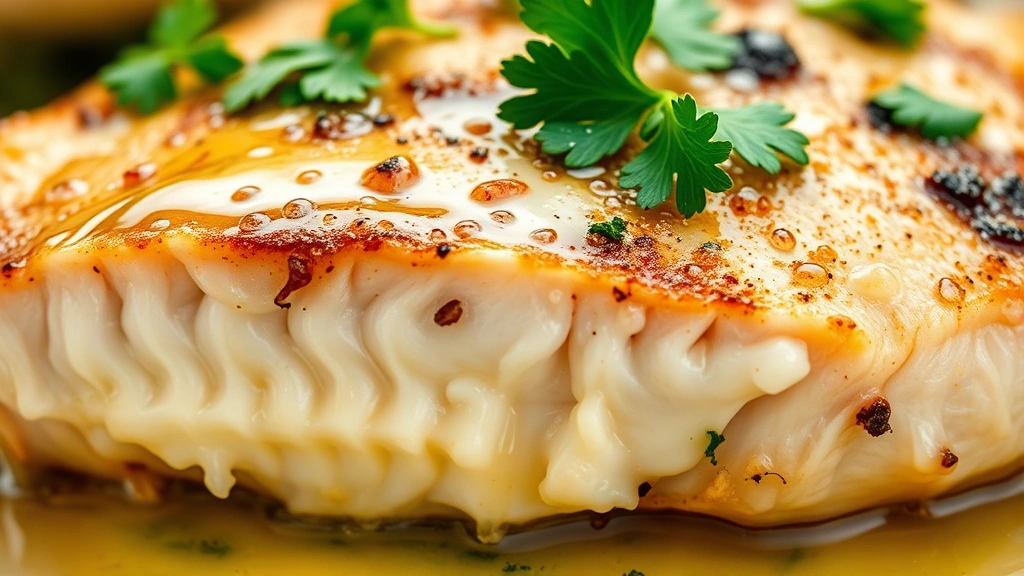
- Pour the warm lemon-garlic butter sauce over the swordfish steaks and garnish generously with fresh parsley.
- Serve immediately with lemon wedges on the side and your choice of sides. Enjoy!
Pro Tips
Don’t skip the resting period before cooking. Bringing the fish to room temperature ensures it cooks evenly throughout without overdrying the outside.
Use a meat thermometer if you’re nervous. Swordfish is done when it reaches 145°F (63°C) internal temperature. It should still be slightly moist in the center.
The swordfish will continue cooking slightly after you remove it from the heat due to carryover cooking, so pull it when it’s just shy of fully cooked.
Cast-iron skillets are ideal for this recipe because they distribute heat so evenly and retain temperature beautifully, creating that perfect sear.
If your skillet isn’t hot enough, the fish will steam rather than sear. Make sure to let it heat for a full 2-3 minutes before adding oil.
Don’t be tempted to move the fish around while it’s cooking. Let it sit undisturbed so it can develop that gorgeous crust.
Fresh lemon juice makes a huge difference in this recipe—never use bottled if you can help it.
This recipe doubles easily for entertaining. Just make sure your skillet is large enough or cook in batches to avoid overcrowding the pan.
Leftovers can be stored in an airtight container in the refrigerator for up to 2 days. Reheat gently in a 350°F oven to avoid drying out the fish.
Frozen swordfish works perfectly fine if you thaw it properly overnight in the refrigerator. The quality difference is minimal if you’re using good frozen fish.
For a Mediterranean twist, add fresh basil to the butter sauce or serve with a tomato-based side dish.
Swordfish pairs beautifully with white wines like Sauvignon Blanc or Pinot Grigio.