
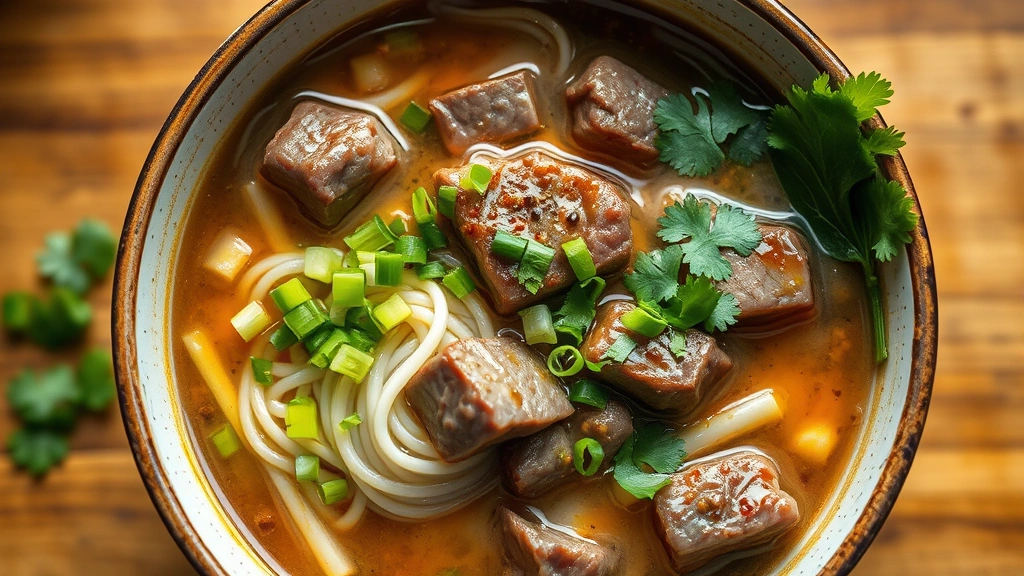
Taiwanese beef noodle soup is one of those iconic dishes that transports you straight to the bustling night markets of Taipei with just one slurp. This beloved comfort food features tender, fall-apart beef chunks swimming in a deeply aromatic, complex broth that’s been simmered for hours until it achieves that perfect balance of savory, slightly sweet, and wonderfully spiced flavors. The beauty of this recipe lies in the layers of flavor—from the caramelized aromatics to the warming spices like star anise and cinnamon, all working together to create something truly magical.
What makes this dish so special is that it’s not just about throwing ingredients into a pot. It’s about building flavor methodically, allowing each component to contribute its own character to the final result. The beef becomes so tender it practically melts on your tongue, while the broth coats your palate with its rich, velvety texture. Whether you’re serving this on a cold winter’s day or craving authentic Asian cuisine, this Taiwanese beef noodle soup will absolutely deliver. The wonderful thing about making this at home is that your kitchen will fill with the most incredible aromas—think warm spices, soy, and caramelized beef that’ll have everyone asking what’s cooking.
This recipe serves 4-6 people generously and is perfect for meal prep since the broth actually tastes even better the next day. I love making a big batch and freezing portions for those nights when I want authentic restaurant-quality food without the takeout price tag. The noodles are cooked fresh and added just before serving, ensuring they stay perfectly al dente. Trust me, once you master this recipe, you’ll be making it again and again. Let me walk you through my favorite method for creating this absolutely stunning dish.
Learn about layering flavors in your cooking, much like how we build complexity in this broth. For more insight into slow-cooked comfort foods, check out our guide to creating restaurant-quality results. You might also appreciate understanding deep, complex flavors in your cooking repertoire. For additional Asian-inspired recipes, explore our collection of international dishes and comfort food classics.
For detailed technique guidance, explore Bon Appétit’s braising guide for professional tips. Serious Eats offers excellent Taiwanese beef noodle soup variations worth exploring. The New York Times has a wonderful braised beef noodle recipe with their signature techniques. Learn more about building umami depth on Bon Appétit and mastering spices through Serious Eats.
Ingredients
- 3 pounds beef chuck or brisket, cut into 2-inch chunks
- 8 cups beef broth or stock
- 4 cups water
- 6 dried chilies, deseeded
- 4 star anise pods
- 3-inch piece of cinnamon stick
- 4 bay leaves
- 6 slices fresh ginger, about 1/4 inch thick
- 6 cloves garlic, smashed
- 4 dried shiitake mushrooms
- 1/2 cup soy sauce
- 3 tablespoons dark soy sauce
- 2 tablespoons rock sugar
- 2 tablespoons vegetable oil
- 3 tablespoons doubanjiang (spicy bean paste)
- 2 tablespoons oyster sauce
- 1 tablespoon sesame oil
- 2 star anise (additional for serving)
- 1 pound fresh or dried wheat noodles
- 4 scallions, cut into 2-inch pieces
- Handful of fresh cilantro
- Sesame seeds for garnish
- Chili oil for serving
Instructions
- Bring a large pot of water to a boil and blanch the beef chunks for 3-4 minutes until they turn gray on the outside. Drain and rinse under cold water, then pat dry with paper towels. This crucial step removes impurities and ensures a cleaner, clearer broth.
- Heat the vegetable oil in a large heavy-bottomed pot or Dutch oven over medium-high heat. Once shimmering, add the doubanjiang and stir constantly for 1-2 minutes until fragrant and the oil becomes a deep red color—this is where serious flavor begins.
- Add the smashed garlic and ginger slices to the pot, stirring continuously for another minute until they become incredibly aromatic and slightly caramelized at the edges.
- Add the blanched beef chunks to the pot in a single layer if possible, and sear for 2-3 minutes on each side until they develop a beautiful golden-brown crust. Work in batches if necessary rather than overcrowding the pan.
- Reduce heat to medium and add the soy sauce, dark soy sauce, oyster sauce, and rock sugar to the pot. Stir well, coating all the beef pieces thoroughly, and let everything caramelize together for about 2 minutes.
- Toast the dried chilies, star anise, cinnamon stick, and bay leaves in a dry skillet over medium heat for 1-2 minutes until fragrant, then add them directly to the pot. This toasting step intensifies their flavors dramatically.
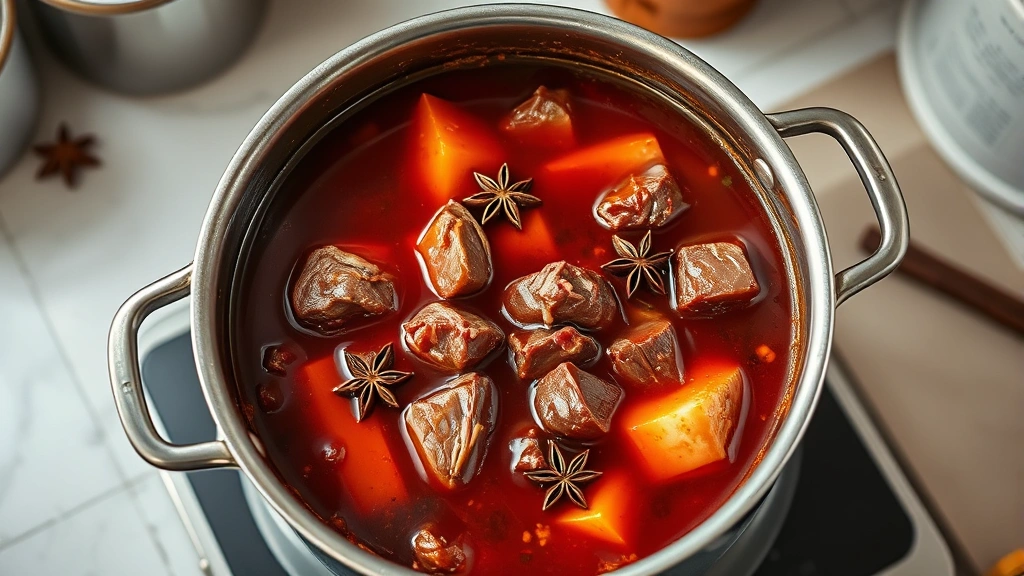
- Pour in the beef broth and water, making sure the beef is covered by at least 2 inches of liquid. Add the dried shiitake mushrooms. Bring everything to a boil, then reduce heat to low, cover partially, and simmer gently for 2.5 to 3 hours until the beef is incredibly tender and falls apart easily with a fork.
- After about 1.5 hours of simmering, taste the broth and adjust seasonings as needed. Add more soy sauce for saltiness, rock sugar for sweetness, or doubanjiang for spice and depth. Remember that flavors intensify as the broth reduces.
- During the final 30 minutes of cooking, stir in the sesame oil, which adds a beautiful nutty dimension to the finished broth.
- When ready to serve, bring a large pot of salted water to a boil. If using dried noodles, cook according to package directions, usually 4-5 minutes. If using fresh noodles, cook for just 2-3 minutes until al dente. Drain well.
- Divide the cooked noodles among serving bowls, then ladle the hot beef and broth over the top, making sure each bowl gets several pieces of tender beef.
- Garnish each bowl generously with scallions, fresh cilantro, a sprinkle of sesame seeds, and a drizzle of chili oil. Serve immediately while steaming hot with extra condiments on the side.

Pro Tips
Spice Level Customization: Adjust the number of dried chilies based on your heat preference. Start with 4 and work your way up, remembering that the heat becomes more pronounced as the broth reduces. Doubanjiang is essential for authentic flavor, but if unavailable, substitute with an additional tablespoon of spicy bean paste or a combination of miso and chili paste.
Beef Selection Matters: Chuck or brisket work best because they have enough fat and connective tissue to break down during the long simmer, resulting in incredibly tender meat. Avoid lean cuts like sirloin that can become tough and stringy. Quality beef makes a noticeable difference in the final result.
Broth Clarity: For a clearer, more refined-looking broth, blanch the beef before searing as directed. If you prefer a richer, more opaque broth, skip the blanching step. Both methods yield delicious results—it’s purely about aesthetics.
Noodle Options: Fresh wheat noodles provide the most authentic and tender texture, but dried noodles work wonderfully too. Ramen noodles can substitute in a pinch, though they’ll provide a slightly different mouthfeel. Cook them just until al dente to maintain texture when submerged in hot broth.
Mushroom Enhancement: The dried shiitake mushrooms add umami depth that’s crucial to authentic Taiwanese beef noodle soup. Don’t skip them. You can fish them out before serving or leave them in as garnish.
Make-Ahead Strategy: Prepare the broth up to 2 days ahead, storing it separately from the beef. When ready to serve, gently reheat the broth and beef together, then cook fresh noodles to serve alongside. This makes weeknight meals incredibly convenient.
Serving Suggestions: Set out condiment bowls with chili oil, extra soy sauce, and white pepper for guests to customize their bowls. This restaurant-style approach allows everyone to control the heat and flavor intensity of their individual serving.
Spice Authenticity: The warm spices—star anise, cinnamon, and bay leaves—are signature to Taiwanese versions. Don’t reduce these as they provide the characteristic flavor profile that makes this dish distinctive from other beef noodle soups across Asia.
Pingback: Arroz Caldoso Recipes: 10 Authentic Spanish Comfort Bowls - Simple Recipe Finder
Pingback: Din Tai Fung Green Beans Recipe: Easy Copycat Guide - Simple Recipe Finder