
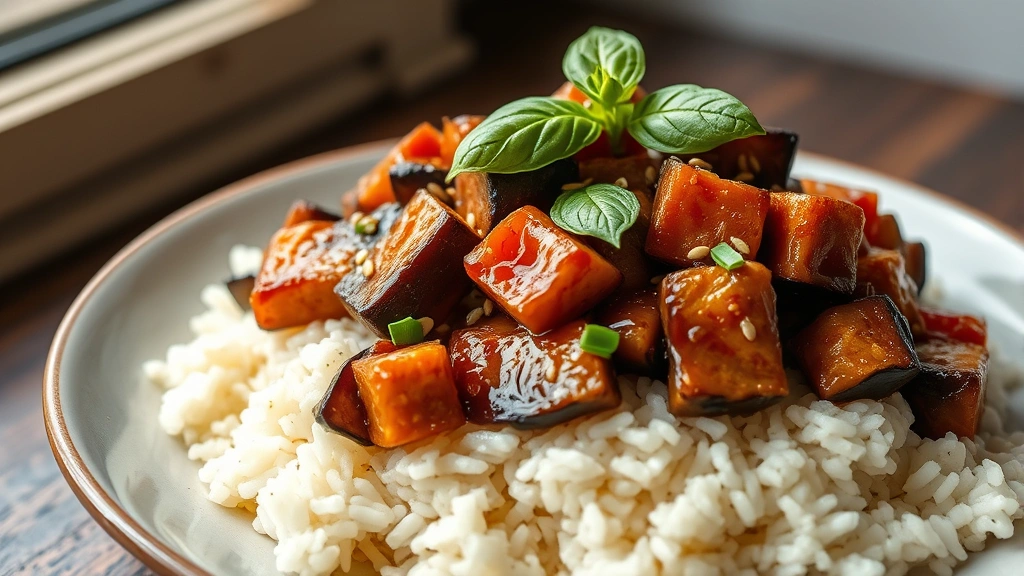
Thai eggplant is an absolute showstopper—crispy on the outside, silky within, and absolutely coated in the most incredible savory-spicy sauce you’ve ever tasted. This recipe brings all the authentic flavors of Thailand right into your kitchen, and I promise it’s easier than you think.
I first fell in love with Thai eggplant at a tiny restaurant in Bangkok, where they served it as a side dish that honestly stole the show from the mains. The key to making the BEST version at home is getting your eggplant perfectly cooked—not mushy, not undercooked—and building layers of flavor with quality ingredients. We’re talking garlic, chilies, fish sauce, and a touch of palm sugar to create that perfect balance of heat, umami, and subtle sweetness.
What makes this recipe so special is that it comes together in about 30 minutes, and you probably have most of the ingredients in your pantry already. The eggplant gets a beautiful golden exterior whether you pan-fry or shallow-fry it, and then it’s tossed with an aromatic sauce that’s absolutely addictive. Serve it over jasmine rice, alongside grilled protein, or even as part of a Thai feast with pickled red onions for brightness and crunch.
I love pairing this with other Thai-inspired dishes for an authentic experience. You could serve it alongside a fragrant curry or as part of a vegetable medley. The beauty of Thai cooking is how everything comes together—the hot, sour, salty, and sweet elements all playing in harmony. This dish really showcases that philosophy.
The technique here is straightforward but important: we’re cooking the eggplant until it’s tender and taking on color, then finishing it with a quick sauce that coats every piece. The result is restaurant-quality Thai eggplant that’ll have everyone asking for your secret. Pro tip: don’t skip the fish sauce—I know it smells intense, but it’s absolutely essential for that authentic Thai flavor that makes people say “wow, what IS that?”
This recipe serves beautifully as part of a larger meal or as a standalone vegetable dish. Make it once, and it’ll become a regular rotation in your kitchen. It’s the kind of dish that proves you don’t need to order takeout when you can make something this delicious at home.
Ingredients
- 2 pounds Thai eggplant (or 1½ pounds regular eggplant, cut into 2-inch pieces)
- ½ cup vegetable oil for cooking
- 6 cloves garlic, minced
- 3 to 4 Thai chilies, finely sliced (adjust to taste)
- 3 tablespoons fish sauce
- 2 tablespoons palm sugar (or brown sugar)
- 1 tablespoon soy sauce
- ½ cup chicken or vegetable broth
- 2 tablespoons lime juice
- ¼ teaspoon white pepper
- 3 green onions, cut into 1-inch pieces
- Fresh Thai basil for garnish (optional but highly recommended)
- Sesame seeds for garnish
- Salt to taste
Instructions
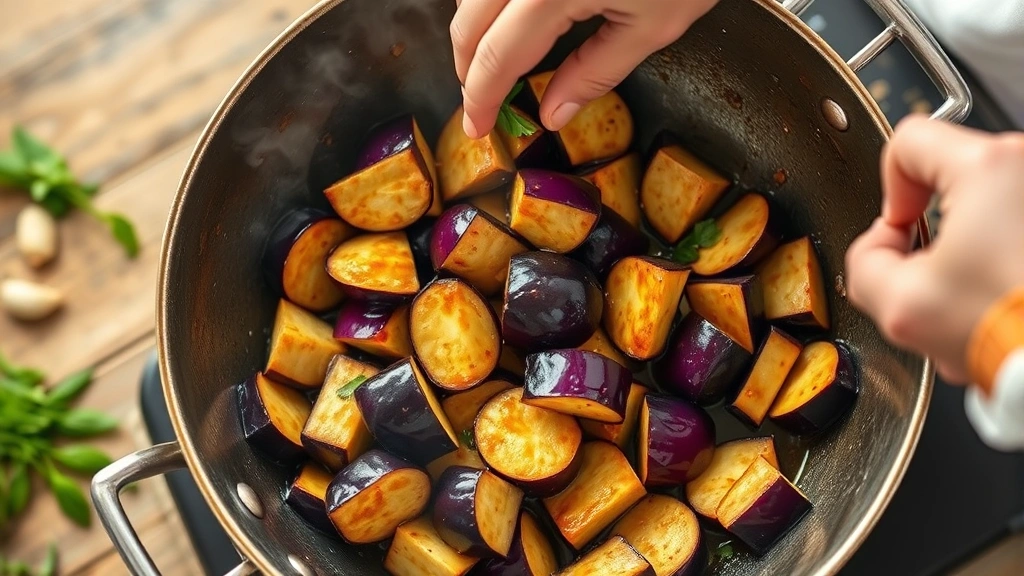
- Prepare your eggplant by rinsing it well and patting completely dry with paper towels. If using regular eggplant, cut into 2-inch chunks or spears. Thai eggplant can be left whole or halved lengthwise. Pat dry again—this is crucial for achieving that beautiful golden exterior.
- Heat oil in a large skillet or wok over medium-high heat until it shimmers. Working in batches to avoid overcrowding, add eggplant pieces and cook for 3 to 4 minutes per side until golden brown and just beginning to soften. Transfer to a paper towel-lined plate.
- Pour off all but 2 tablespoons of oil from the pan. Add minced garlic and sliced chilies, stirring constantly for about 30 seconds until fragrant. Be careful not to let the garlic burn—that bitter flavor will overpower everything.
- In a small bowl, whisk together fish sauce, palm sugar, soy sauce, broth, lime juice, and white pepper until the sugar dissolves completely. This is your sauce base.
- Pour the sauce mixture into the pan with the garlic and chilies, stirring well to combine. Let it simmer for about 1 minute, then return the cooked eggplant to the pan.
- Toss the eggplant gently with the sauce, making sure each piece is well coated. Simmer for 2 to 3 minutes, allowing the flavors to meld and the sauce to reduce slightly. The eggplant should be tender but still holding its shape.
- Remove from heat and stir in the green onions. Taste and adjust seasoning with salt, lime juice, or fish sauce as needed. The sauce should be balanced—you should taste the heat, the umami, and the slight sweetness working together.
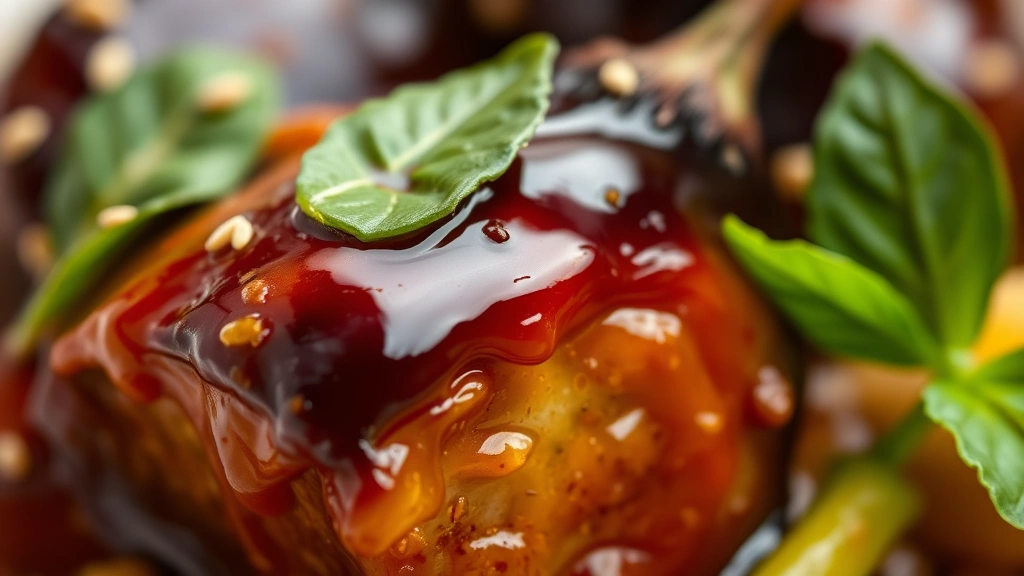
- Transfer to a serving platter and garnish generously with fresh Thai basil if you have it and a sprinkle of sesame seeds. Serve immediately over jasmine rice, alongside grilled chicken or fish, or as part of a larger Thai meal spread.
Pro Tips
Drying your eggplant is non-negotiable: Eggplant is like a sponge and will absorb oil if it’s wet, resulting in a greasy rather than crispy dish. Pat those pieces dry before cooking, and you’ll be rewarded with golden, tender results.
Fish sauce is your friend: I know the smell is pungent and unusual if you’re new to Southeast Asian cooking, but this ingredient is essential for authentic Thai flavor. It provides the deep umami that makes people wonder what makes this dish taste so good. Don’t skip it or substitute it—it’s irreplaceable.
Palm sugar makes a difference: While brown sugar works in a pinch, palm sugar has a more complex, subtle sweetness that’s perfect for Thai cuisine. Find it at Asian markets, specialty stores, or online. It’s worth seeking out for this recipe.
Customize the heat level: Thai chilies pack serious heat. Start with fewer if you’re sensitive to spice, or add more if you like it fiery. You can also use less spicy varieties like serrano peppers for a milder version.
Make it ahead: This dish actually tastes even better the next day as the flavors continue to develop. Store in an airtight container in the refrigerator for up to three days. Reheat gently in a skillet with a splash of broth.
Serving suggestions: Serve over jasmine rice for an authentic experience. It’s also delicious alongside chickpea salad for added protein and texture contrast. Pair with other Thai dishes like pad thai, green curry, or satay skewers.
Thai basil is essential: If you can find Thai basil, add it fresh at the end or as garnish. It has a slightly anise-like flavor that’s completely different from Italian basil and adds authentic Thai character.
Broth substitution: Vegetable, chicken, or even coconut broth all work beautifully here. Each will subtly change the final flavor, so choose based on what you’re serving alongside this dish.
Oil choice: Use neutral oils like vegetable or peanut oil. Avoid olive oil, which doesn’t have the high smoke point needed for this cooking method.