
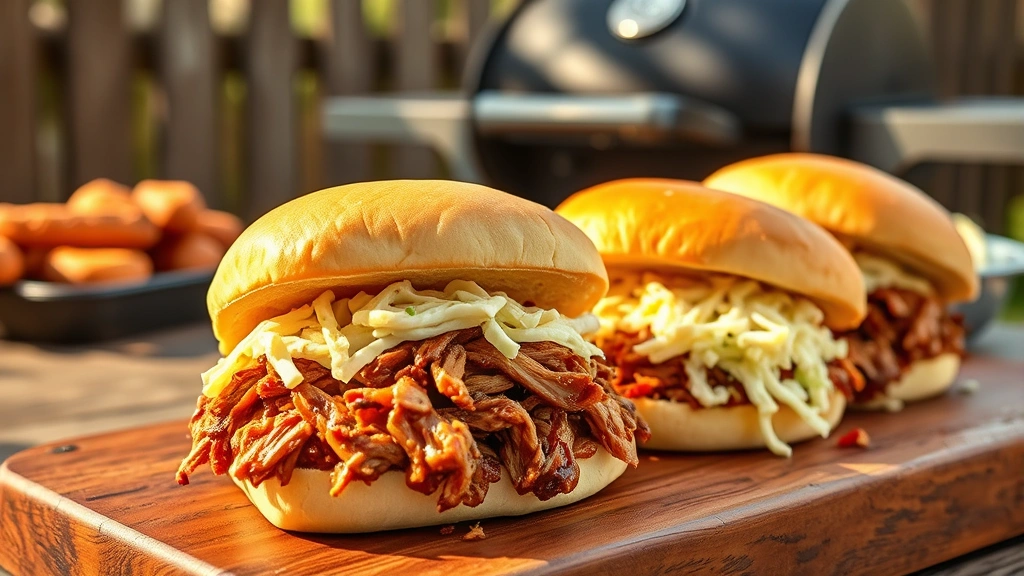
There’s nothing quite like the smoky, tender perfection of pulled pork fresh off the Traeger grill. This recipe has become my go-to for backyard gatherings, and I’m thrilled to share my secrets for achieving restaurant-quality results every single time. The magic happens when you combine the right cut of meat, a flavorful dry rub, and the gentle heat of wood-fired smoking.
I’ve been smoking pork shoulders on my Traeger for years now, and I’ve learned exactly what it takes to get that perfect bark while keeping the inside incredibly juicy and tender. The key is patience, proper temperature management, and understanding the stall—that frustrating plateau where the internal temperature seems to pause. Don’t worry, I’ll walk you through everything.
This traeger pulled pork recipe uses a combination of apple wood smoke, a homemade spice rub, and the 3-2-1 method to create layers of flavor that’ll have everyone coming back for seconds. Whether you’re planning a casual weeknight dinner or feeding a crowd at your next summer party, this method is foolproof and absolutely delicious.
The beauty of using a Traeger for pulled pork is the consistency. Unlike traditional offset smokers that require constant temperature monitoring, your Traeger maintains a steady temperature, allowing you to relax while the grill does the work. I typically start my pork at 225°F, bump it up to 250°F during the wrap phase, and finish it hot for a beautiful crust. The entire process takes about 12-14 hours, but most of that is hands-off smoking time.
Before we dive into the recipe, let me share some pro tips I’ve picked up along the way. First, always choose a pork shoulder with good marbling—this fat will render during smoking and keep your meat moist. Second, don’t skip the overnight rest after your rub application; it really does make a difference. Third, invest in a quality meat thermometer; it’s the difference between perfect and overdone. For more smoking inspiration, check out my guide to achieving perfect smoke rings.
I also love serving this pulled pork with homemade sides. My creamy coleslaw recipe provides the perfect cool, tangy contrast to the rich, smoky meat. And if you’re looking for dessert ideas after your barbecue feast, my chocolate bread recipe is always a crowd favorite.
For more professional smoking techniques, I recommend checking out Serious Eats’ smoking guide, which offers incredible depth on wood selection and temperature management. Bon Appétit also has fantastic resources for entertaining and serving smoked meats at gatherings.
One thing I always tell friends is that pulled pork is incredibly forgiving once you understand the basics. Even if your timing is slightly off, the results are usually fantastic. The meat is done when it reaches an internal temperature of 190-205°F and shreds easily with a fork. Some people pull at 190°F for a firmer texture, while others go to 205°F for maximum tenderness. Personally, I aim for 200°F as my sweet spot.
The smoking process creates something truly special. As the pork cooks low and slow, the connective tissues break down, transforming what starts as a tough cut into something sublime. The Traeger’s consistent temperature and smoke output make this transformation reliable and repeatable. I’ve made this recipe dozens of times, and it consistently delivers outstanding results.
Lastly, don’t underestimate the power of proper resting and wrapping. The foil wrap (the “2” in the 3-2-1 method) really accelerates the cooking process during the stall and helps develop incredible flavor. Some pitmasters use butcher paper instead, which allows a bit more smoke penetration. Both methods work beautifully, so choose based on your preference.
This traeger pulled pork recipe is truly the best I’ve developed, and I can’t wait for you to experience it. The combination of technique, timing, and quality ingredients creates something that tastes like it came from a professional barbecue restaurant. Get ready for compliments and requests for this recipe!
Ingredients
- 1 bone-in pork shoulder (12-15 pounds), skin scored
- 1/4 cup brown sugar, packed
- 3 tablespoons smoked paprika
- 2 tablespoons kosher salt
- 2 tablespoons freshly ground black pepper
- 1 tablespoon garlic powder
- 1 tablespoon onion powder
- 1 tablespoon chili powder
- 1 teaspoon cayenne pepper
- 1 teaspoon dry mustard
- 1/2 teaspoon ground cumin
- Apple wood pellets (for Traeger)
- 1 cup apple juice or cider
- 1/2 cup apple cider vinegar
- 4 tablespoons butter
- Aluminum foil (for wrapping)
- Butcher paper (optional, for wrapping)
- Optional: barbecue sauce for serving
Instructions
- Remove your pork shoulder from the refrigerator 1-2 hours before smoking to bring it closer to room temperature. This ensures more even cooking throughout the meat.
- While the pork comes to temperature, prepare your dry rub by combining brown sugar, smoked paprika, kosher salt, black pepper, garlic powder, onion powder, chili powder, cayenne pepper, dry mustard, and cumin in a small bowl. Mix thoroughly until all ingredients are evenly distributed.
- Pat the pork shoulder completely dry with paper towels, paying special attention to the skin and any crevices. Moisture is the enemy of a good bark, so be thorough.
- Score the skin in a crosshatch pattern using a sharp knife, cutting about 1/4 inch deep. This helps the rub penetrate and creates texture.
- Generously apply the dry rub all over the pork shoulder, making sure to work it into all the crevices, under any loose skin, and into the scored areas. Don’t be shy—this is where your flavor comes from.
- Place the rubbed pork on a sheet pan, cover loosely with plastic wrap, and refrigerate overnight. This allows the salt to penetrate the meat and develops deeper flavor.
- The next morning, remove the pork from the refrigerator 1 hour before smoking.
- Preheat your Traeger to 225°F and ensure the hopper is filled with apple wood pellets. Let it run for about 15 minutes to establish consistent smoke.
- Place the pork shoulder directly on the grill grates, skin-side up. Make sure it’s positioned away from the direct heat source if your Traeger has a heat zone.
- Smoke at 225°F for approximately 6-7 hours, or until the pork reaches an internal temperature of 165°F when measured in the thickest part of the meat. Don’t wrap it during this phase—let it build that beautiful bark.
- Once the pork reaches 165°F, remove it from the grill and place it on a large sheet of aluminum foil or butcher paper.
- Combine apple juice and apple cider vinegar in a spray bottle. Spritz the pork generously with this mixture, then add small pats of butter across the surface of the meat.
- Wrap the pork tightly in the foil or butcher paper, making sure it’s completely sealed. This is the “wrap” phase of the 3-2-1 method.
- Return the wrapped pork to the Traeger, increase the temperature to 250°F, and continue smoking for approximately 2 hours. During this time, the pork will power through the stall and begin breaking down the remaining connective tissue.
- After 2 hours at 250°F, check the internal temperature. The pork should be approaching 190-200°F. If it hasn’t reached 190°F yet, continue cooking and check every 30 minutes.
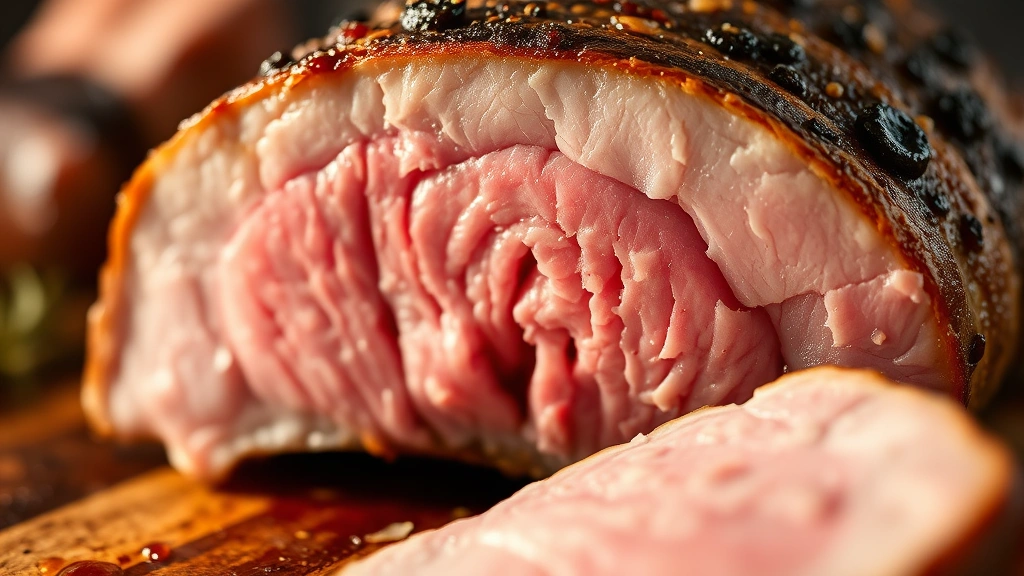
- Once the pork reaches 190-200°F internally (I prefer 200°F for maximum tenderness), remove it from the grill and the wrapping.
- Increase the Traeger temperature to 275°F. Return the unwrapped pork to the grill for the final 1-hour phase, allowing the exterior to firm up and any moisture from the wrap to evaporate.
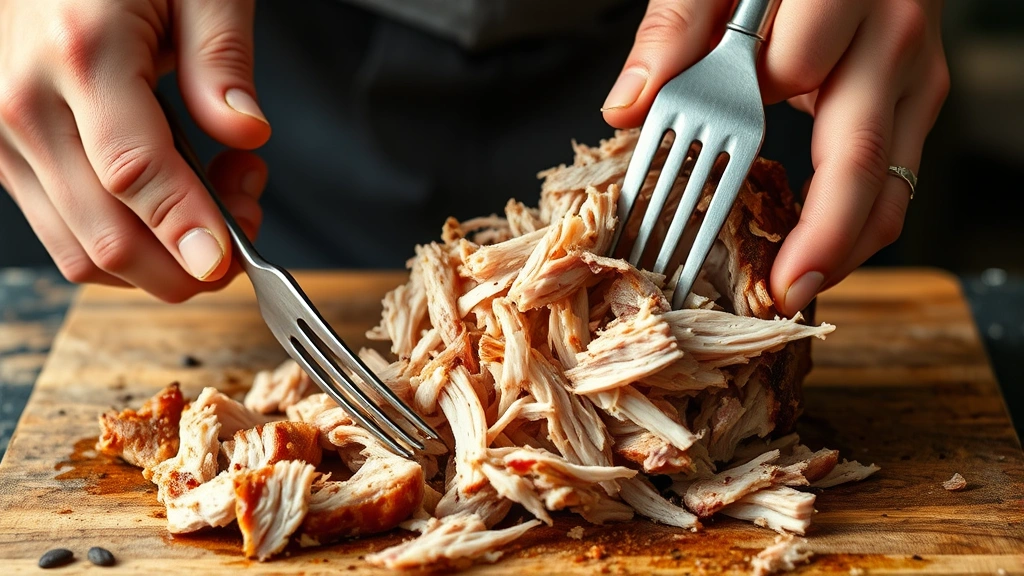
- Check the pork’s tenderness by attempting to shred a small section with a fork. It should shred easily and cleanly. If it’s still resisting, continue cooking for another 15-20 minutes.
- Once the pork reaches perfect tenderness (it should bend and break apart effortlessly), remove it from the grill and place it on a clean cutting board or sheet pan.
- Let the pork rest for 10 minutes before shredding. This brief rest allows the juices to redistribute throughout the meat.
- Using two forks, shred the pork by pulling them in opposite directions, breaking down the meat into bite-sized pieces. Remove any excess fat or gristle as you go, though some fat adds wonderful flavor.
- If desired, toss the shredded pork with your favorite barbecue sauce, or serve the sauce on the side so guests can customize their portions.
- Serve immediately on soft buns with classic toppings like coleslaw, pickles, and extra barbecue sauce.
Pro Tips
The stall is a normal part of the smoking process and occurs when the meat’s evaporative cooling reaches its peak. Don’t panic if the temperature plateaus around 150-160°F. The wrapping method helps power through this phase efficiently.
Choose your wrapping material based on your preference. Aluminum foil creates a tighter seal and accelerates cooking slightly. Butcher paper is more breathable and allows more smoke to reach the meat during the wrap phase. Both produce excellent results.
For a smaller gathering, you can scale this recipe down using a smaller pork shoulder (8-10 pounds), which will reduce total smoking time to approximately 10-12 hours. The temperature and cooking method remain the same.
Leftover pulled pork stores beautifully in the refrigerator for up to 5 days and freezes exceptionally well for up to 3 months. Reheat gently in a slow cooker with a splash of apple juice or broth to restore moisture.
Wood selection significantly impacts flavor. Apple wood provides a mild, slightly sweet smoke that pairs beautifully with pork. Hickory offers a stronger, more traditional barbecue flavor. Many pitmasters blend woods for complexity. Experiment to find your preference.
Don’t skip the overnight rub application. This salt-curing process (called brining through dry rub) actually changes the meat’s protein structure at a cellular level, helping it retain more moisture during the long cooking process.
When checking doneness, always use a reliable meat thermometer. Insert it into the thickest part of the pork, away from bone. The probe should slide in with minimal resistance when the pork is properly done.
Serving suggestions include classic pulled pork sandwiches, tacos, salads, nachos, or grain bowls. The versatility of this smoked pork makes it perfect for various applications beyond traditional barbecue.
If your pork isn’t shredding easily at 200°F, it likely needs additional time. The collagen breakdown that creates that tender texture requires sufficient time to complete. Each pork shoulder is slightly different, so cooking time can vary by 30-45 minutes.