
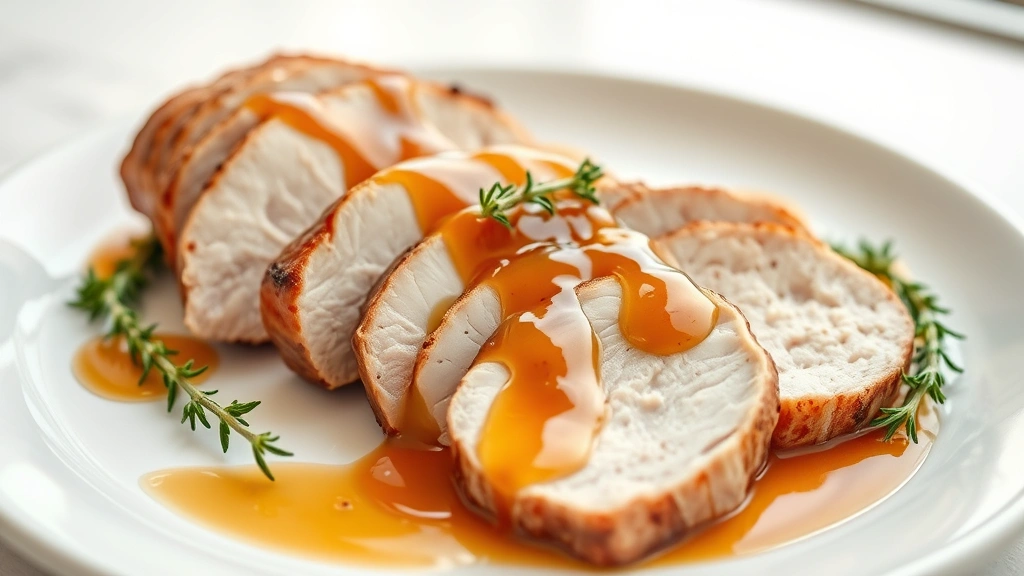
Turkey tenderloin is one of those magnificent cuts that doesn’t get nearly enough attention in home kitchens, and honestly, that’s a travesty. This elegant protein is incredibly versatile, cooks quickly, and when prepared properly, delivers restaurant-quality results that will absolutely impress your dinner guests. Unlike tougher cuts that require hours of braising, turkey tenderloin becomes beautifully tender and juicy in a matter of minutes, making it perfect for both weeknight dinners and special occasions.
What makes turkey tenderloin so special is its natural lean quality combined with a delicate flavor that serves as the perfect canvas for bold seasonings and creative sauces. Whether you’re a seasoned home cook or just beginning your culinary journey, this recipe will walk you through every step to ensure you achieve perfectly cooked, succulent turkey tenderloin every single time. The key to success lies in understanding proper temperature control, allowing the meat to rest, and building layers of flavor through thoughtful seasoning.
I’ve developed this recipe after countless trials and tastings, and I’m thrilled to share it with you. The technique is straightforward enough for beginners but sophisticated enough to satisfy even the most discerning palates. You’ll learn how to sear the exterior to golden perfection while keeping the interior impossibly tender, and I’m including several flavor variations so you can make this recipe your own. This is the kind of dish that makes you feel like you’re dining at an upscale bistro, but you’re actually in your own kitchen in under thirty minutes.
Serving turkey tenderloin opens up endless possibilities for elegant entertaining. Pair it with seasonal vegetable sides, creamy sauces, or bright citrus glazes. For comprehensive guidance on cooking techniques, check out Serious Eats, which offers exceptional culinary science explanations. If you’re looking to expand your protein repertoire, New York Times Cooking has wonderful contemporary takes on poultry dishes. You can also explore complementary side dish options that pair beautifully with turkey tenderloin. For more elevated meat preparations, Bon Appétit consistently delivers inspiring recipes and techniques. Finally, if you want to master sauce-making to accompany your turkey, our sauce fundamentals guide will elevate your skills.
Ingredients
- 2 pounds turkey tenderloin (about 2 whole tenderloins)
- 2 teaspoons kosher salt, divided
- 1 teaspoon freshly ground black pepper, divided
- 1 teaspoon garlic powder
- 1 teaspoon paprika
- 1/2 teaspoon dried thyme
- 1/2 teaspoon dried oregano
- 3 tablespoons olive oil
- 3 tablespoons unsalted butter
- 4 cloves garlic, minced
- 1/2 cup chicken broth
- 1/4 cup dry white wine
- 2 tablespoons fresh lemon juice
- 1 tablespoon Dijon mustard
- 2 tablespoons fresh parsley, chopped
- Fresh thyme sprigs for garnish (optional)
Instructions
- Remove turkey tenderloins from refrigerator 15 minutes before cooking to bring them closer to room temperature. This ensures more even cooking throughout the meat.
- Pat the tenderloins completely dry with paper towels. Moisture is the enemy of a good sear, so don’t skip this crucial step.
- In a small bowl, combine 1 teaspoon of the kosher salt, 1/2 teaspoon of black pepper, garlic powder, paprika, dried thyme, and dried oregano.
- Generously rub the seasoning mixture all over both tenderloins, making sure to coat all sides evenly. Set aside on a clean plate.
- Heat olive oil in a large skillet over medium-high heat. The oil should shimmer and almost smoke, indicating it’s ready for searing.
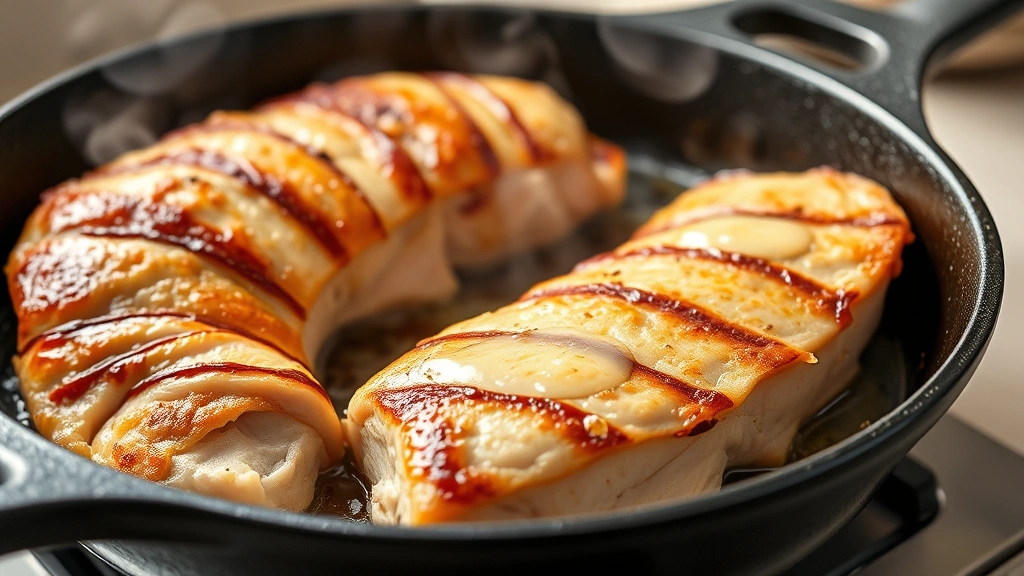
- Carefully place the turkey tenderloins in the hot skillet and resist the urge to move them. Let them sear undisturbed for 4-5 minutes until a golden-brown crust forms.
- Flip the tenderloins and sear the other side for another 4-5 minutes until evenly browned on both sides.
- Reduce heat to medium and add 2 tablespoons of butter to the pan. Add minced garlic and let it cook for about 30 seconds until fragrant.
- Pour in the chicken broth and white wine, scraping up any browned bits from the bottom of the pan with a wooden spoon. This deglazing step creates incredible flavor.
- Add lemon juice and Dijon mustard to the pan, stirring well to combine all ingredients.
- Return tenderloins to the pan, nestling them into the sauce. Reduce heat to medium-low and simmer for 8-10 minutes, turning occasionally, until the internal temperature reaches 160-165 degrees Fahrenheit when measured with an instant-read thermometer.
- Remove the pan from heat and add the remaining 1 tablespoon of butter, swirling it into the sauce until melted and glossy.
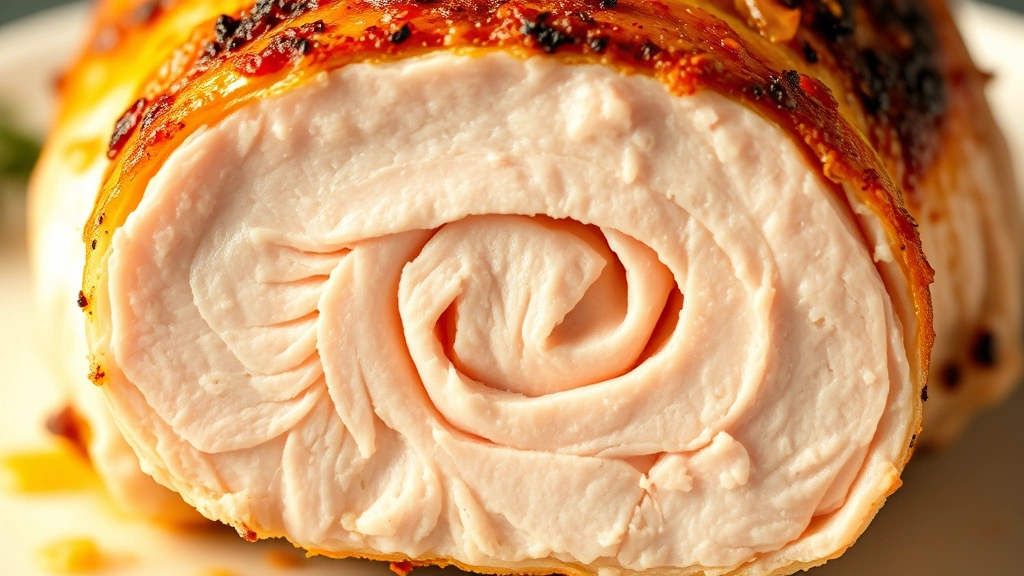
- Transfer the cooked tenderloins to a clean cutting board and let them rest for 5 minutes. This resting period is absolutely essential as it allows the juices to redistribute throughout the meat, ensuring maximum tenderness.
- While tenderloins rest, finish the sauce by stirring in fresh chopped parsley and the remaining 1 teaspoon of salt and 1/2 teaspoon of black pepper to taste.
- Slice the rested tenderloins against the grain into 1/2-inch thick slices for maximum tenderness.
- Arrange sliced turkey on a serving platter and drizzle generously with the pan sauce. Garnish with fresh thyme sprigs if desired.
Pro Tips
Temperature is everything with poultry. Turkey is safe to eat at 160-165 degrees Fahrenheit. Using an instant-read thermometer removes all guesswork and ensures perfectly cooked, never-dry meat.
Don’t crowd the pan when searing. If your skillet is too small or crowded, the temperature will drop and you’ll steam the meat instead of achieving that gorgeous golden crust. Work in batches if necessary.
The pan sauce is where the magic happens. Those browned bits stuck to the bottom of the skillet contain concentrated flavor. Scraping them up during deglazing creates depth and complexity that elevates this dish from good to exceptional.
Fresh herbs make a tremendous difference. While dried herbs are convenient, finishing the sauce with fresh parsley brightens the flavors and adds visual appeal.
Variation ideas: Try swapping the white wine for dry vermouth, add sun-dried tomatoes and basil for Italian flavors, or create an Asian-inspired version with low-sodium soy sauce, ginger, and sesame oil.
Leftovers are wonderful sliced cold on salads, tucked into sandwiches, or reheated gently in the pan sauce. Store in an airtight container for up to three days.
For perfectly even cooking, you can butterfly thicker tenderloins lengthwise before cooking, creating thinner, more uniform pieces that cook faster.
If your tenderloins are particularly thick, pound them gently to even thickness before seasoning. This ensures all portions cook at the same rate.
The Dijon mustard adds sophistication without tasting like mustard. It acts as a subtle flavor enhancer and natural emulsifier for the sauce.
This recipe scales beautifully. Simply multiply the ingredients by the number of people you’re serving, allowing about half a pound per person.