
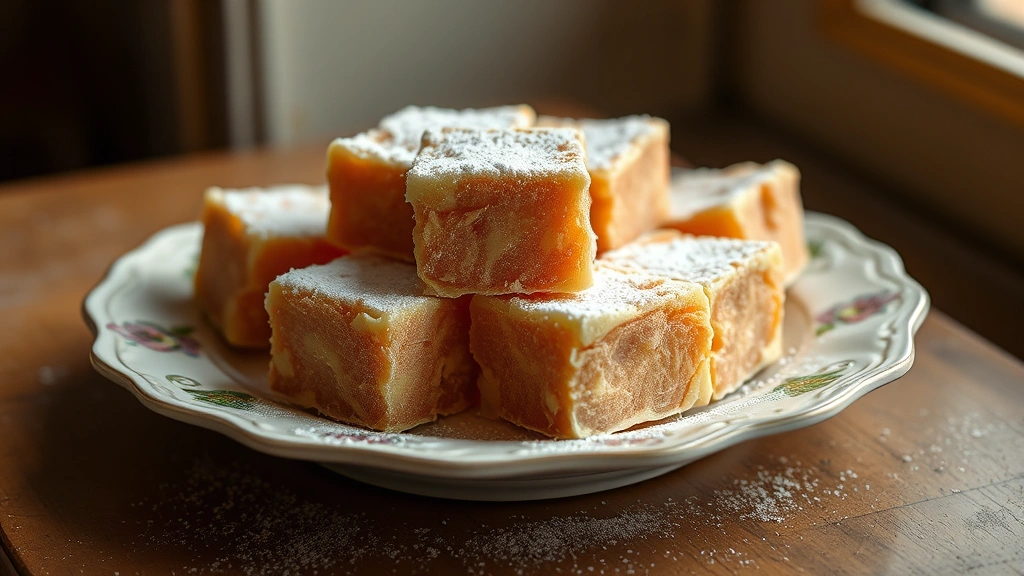
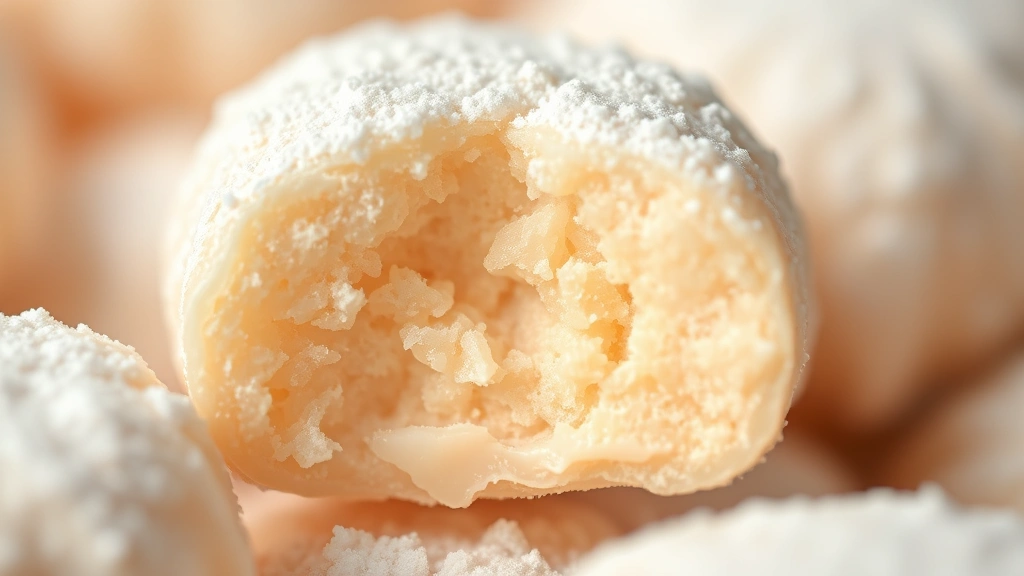
Turkish delight, or lokum as it’s known in Turkey, is an absolutely divine confection that’s been enchanting people for centuries. This iconic treat is a delicate combination of cornstarch, gelatin, and pure sugar that creates that signature chewy, pillowy texture that practically melts on your tongue. What makes homemade Turkish delight so special is the ability to customize it with your favorite flavors—whether that’s the classic rose water, exotic pistachios, or even a hint of citrus. The beauty of this recipe is that while it looks intimidatingly difficult, it’s actually quite manageable when you follow the steps carefully.
I absolutely love making Turkish delight at home because it transforms your kitchen into a fragrant haven of sweet aromas, and the final product is so much more luxurious than store-bought versions. The key to achieving that perfect texture is patience and precision with your measurements. You’ll want to use a candy thermometer to ensure your sugar syrup reaches the exact right temperature, and you’ll need to be committed to the cooling and setting process—good things truly do come to those who wait!
This recipe yields a generous batch of gorgeous Turkish delight squares that are perfect for gifting, serving at dinner parties, or simply indulging in with a cup of strong Turkish coffee or tea. The combination of the smooth, silky interior with the delicate coating of powdered sugar and cornstarch is absolutely irresistible. Trust me, once you master this recipe, you’ll be making it for every special occasion. It’s the kind of homemade treat that makes people feel genuinely special when you give it to them.
For the best results, I recommend investing in a good-quality rose water or your preferred flavoring, as this really does make a difference in the final taste. You’ll also want to ensure your kitchen isn’t too humid when making this, as moisture can affect the setting process. If you’re feeling adventurous after mastering the basic recipe, check out some of my other favorite recipes or explore different Mediterranean-inspired dishes. You can also learn more about confectionery techniques from Serious Eats or Bon Appétit for advanced candy-making tips!
Ingredients
- 2 cups granulated sugar
- 1 cup light corn syrup
- 1 cup water
- 1 cup cornstarch, divided
- 1 tablespoon powdered gelatin (about 1 packet)
- 1/2 cup cold water (for gelatin)
- 1 teaspoon rose water or vanilla extract
- 1/2 teaspoon salt
- 1/2 teaspoon cream of tartar
- 1/2 cup powdered sugar (for coating)
- 1/4 cup additional cornstarch (for coating)
- Optional: 1/2 cup roasted pistachios, finely chopped (for filling or topping)
- Optional: 1/4 teaspoon food coloring (for color variation)
Instructions
- Prepare your 9×9-inch baking pan by lining it with parchment paper, leaving some overhang on the sides for easy removal. Set aside.
- In a small bowl, sprinkle the gelatin over the 1/2 cup cold water and let it bloom for about 5 minutes until fully hydrated.
- In a heavy-bottomed saucepan, combine the granulated sugar, corn syrup, and 1 cup water. Stir over medium heat until the sugar dissolves completely, about 5 minutes.
- Once the sugar mixture is clear and smooth, stop stirring and insert your candy thermometer. Allow the mixture to heat to 240°F (soft-ball stage), which typically takes 15-20 minutes. Do not stir once the mixture reaches this stage.
- While the syrup is heating, prepare your cornstarch slurry by whisking together 1 cup of cornstarch with just enough water to create a smooth paste, about 2-3 tablespoons of water. This prevents lumps in your final mixture.
- When the syrup reaches 240°F, remove it from the heat and stir in the bloomed gelatin until completely dissolved and smooth, about 1-2 minutes.
- Add the cornstarch slurry to the hot syrup, whisking constantly to prevent lumps from forming. The mixture will bubble and thicken significantly.
- Stir in the rose water (or vanilla), salt, and cream of tartar, mixing thoroughly until well combined and the color is uniform.
- If using food coloring, add just a drop or two now and stir until the color is evenly distributed throughout the mixture.
- Pour the hot mixture into your prepared baking pan, smoothing the top with a greased spatula or the back of a greased spoon.
- Allow the Turkish delight to cool completely at room temperature, which takes approximately 2-3 hours.
- Once cooled and set, cover the pan loosely with plastic wrap and let it rest undisturbed for at least 20 hours, preferably overnight, to allow it to fully set and develop the perfect texture.
- After the full setting time, prepare your coating by combining the 1/2 cup powdered sugar with the 1/4 cup cornstarch in a shallow bowl, mixing thoroughly.
- Turn the Turkish delight out onto a cutting board and remove the parchment paper carefully.
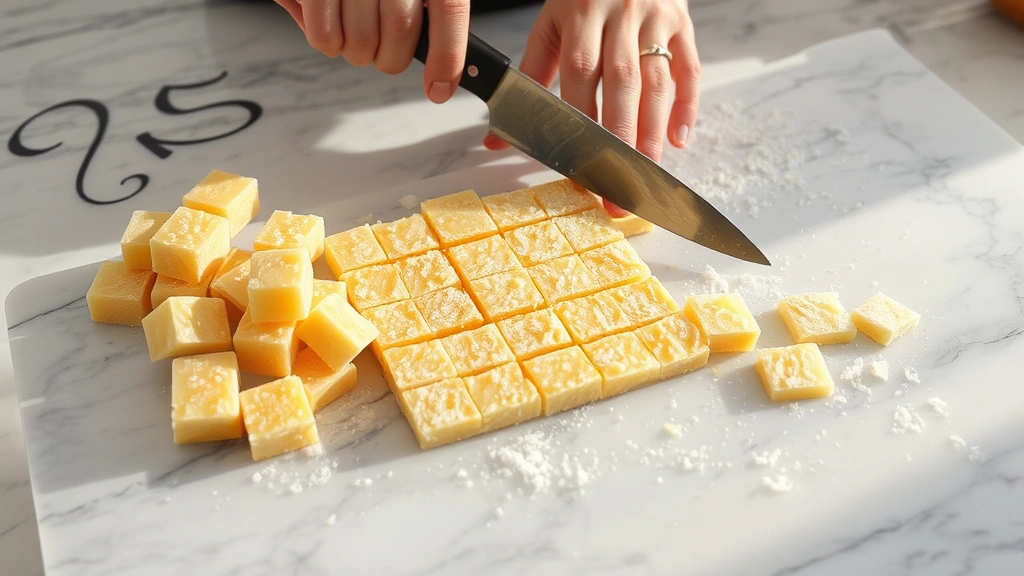
- Using a sharp knife dipped in hot water and wiped clean between cuts, slice the Turkish delight into 1-inch squares, working quickly and using a gentle sawing motion.
- Working in batches, roll each piece in the powdered sugar and cornstarch mixture until fully coated on all sides, tapping off any excess.
- If desired, press a small piece of pistachio onto the top of each piece before the coating fully sets, or roll the pieces in finely chopped pistachios for extra elegance.
- Arrange the finished Turkish delight on a serving platter or store in an airtight container between layers of parchment paper.
Pro Tips
- **Storage**: Turkish delight keeps beautifully in an airtight container at room temperature for up to 2 weeks. The powdered sugar and cornstarch coating helps protect it from drying out. For longer storage, you can refrigerate it for up to one month, though it’s best enjoyed at room temperature.
- **Temperature Matters**: This recipe truly requires a reliable candy thermometer. The soft-ball stage at 240°F is critical—too low and your Turkish delight won’t set properly, too high and it becomes hard and brittle. Invest in a good thermometer for consistent results.
- **Humidity Considerations**: Avoid making Turkish delight on very humid days, as excess moisture in the air can prevent proper setting. If you live in a humid climate, consider using a dehumidifier in your kitchen during the cooling and setting process.
- **Flavor Variations**: While rose water is traditional, don’t hesitate to experiment! Try orange blossom water, lemon extract, almond extract, or even a combination of flavors. Start with 1/2 teaspoon and adjust to your taste preference.
- **Pistachio Version**: For an authentic Turkish version, replace up to 1/4 cup of the cornstarch with finely ground pistachios, or layer whole pistachios in the mixture before it sets completely by sprinkling them over the top before it cools.
- **Troubleshooting**: If your Turkish delight turns out too soft, you likely didn’t reach 240°F. If it’s too hard, you exceeded this temperature. For future batches, adjust accordingly. If it’s grainy, ensure you’ve completely dissolved the sugar before the mixture reaches temperature.
- **Presentation**: For an elegant presentation, arrange your Turkish delight in decorative boxes with tissue paper, or serve on a beautiful platter with hot tea. The visual appeal of homemade Turkish delight makes it an impressive gift.
- **Make-Ahead**: You can prepare the Turkish delight up to 3 days in advance before coating it with the powdered sugar mixture. This is actually helpful for gift-giving or entertaining, as you only need to coat and present it on the day of serving.
- **Scaling the Recipe**: This recipe can be easily halved for a smaller batch, though you may need to adjust cooking times slightly. Doubling it is also possible, but you’ll need a larger pan and may need to increase the cooking time by a few minutes.
- **Pairing**: Serve Turkish delight with strong Turkish coffee, thick hot chocolate, or traditional tea. It pairs beautifully with other Mediterranean-inspired treats. You might also enjoy serving it alongside pickled accompaniments for contrast, or with New York Times recipes for inspiration on complementary flavors.