
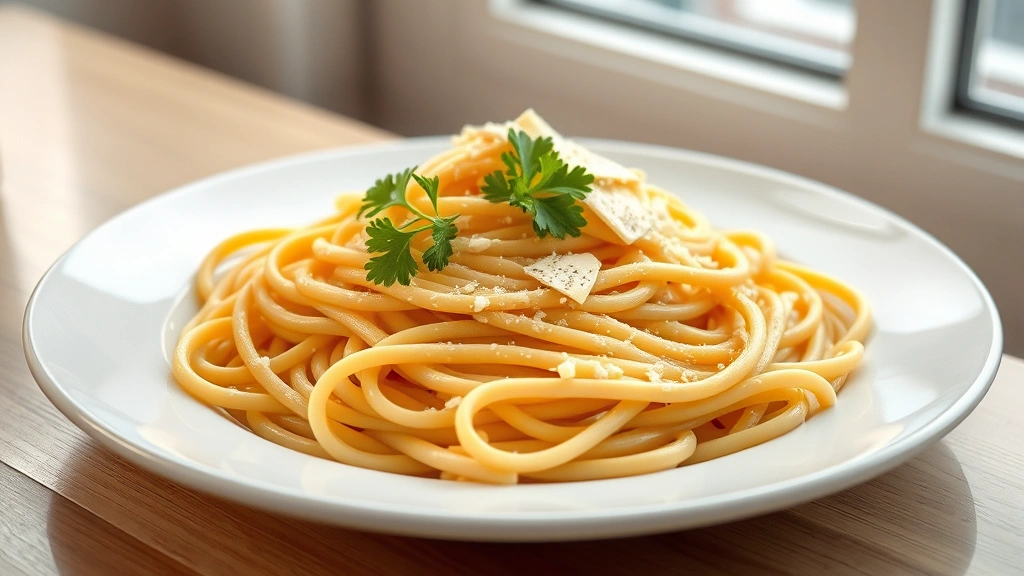
Valerie Bertinelli’s pasta recipes have become beloved classics in home kitchens everywhere, and for good reason. This stunning pasta dish combines the elegance of restaurant-quality cooking with the approachability and warmth that Valerie is known for. Her approach to pasta is all about using quality ingredients and letting them shine without overcomplicating things.
What makes Valerie’s pasta recipes so special is her ability to balance rich, creamy sauces with fresh ingredients and her signature touch of simplicity. Whether you’re cooking for a weeknight dinner or entertaining guests, this recipe delivers restaurant-quality results that will have everyone asking for seconds. The beauty of this dish lies in its versatility—you can easily swap ingredients based on what you have on hand or your personal preferences.
Valerie has always emphasized the importance of quality pasta and fresh ingredients. She believes that great cooking doesn’t require fancy techniques or hard-to-find items; instead, it’s about respecting your ingredients and treating them with care. This particular recipe showcases those principles perfectly, combining tender pasta with a silky sauce that coats every strand.
The technique of making this pasta is straightforward enough for beginners but impressive enough for experienced cooks. You’ll learn how to build layers of flavor, achieve the perfect sauce consistency, and plate your dish with restaurant-quality presentation. Many home cooks find that once they master this recipe, they return to it again and again because it’s reliable, delicious, and never fails to impress.
If you enjoy this recipe, you might also love exploring our Quick Tasty Bacon Carbonara Recipe or the Best Heavy Cream Alfredo Sauce Recipe, which share similar flavor profiles and techniques. For a lighter option, check out our Delicious Heavy Cream Pasta Recipe.
To round out your meal, consider pairing this pasta with a Best Chickpea Salad Recipe for freshness and brightness. You might also enjoy Best Shishito Peppers as a simple vegetable side. For added flavor complexity, Perfect Pickled Red Onions make an excellent condiment.
For more inspiration on pasta techniques, check out Bon Appétit’s Creamy Parmesan Pasta or Serious Eats’ Classic Pasta Carbonara. The New York Times also offers excellent guidance on Creamy Garlic Pasta that complements Valerie’s philosophy perfectly. For additional sauce inspiration, Bon Appétit’s Butter Pasta Sauce is worth exploring.
Ingredients
- 1 pound pasta (fettuccine, pappardelle, or linguine preferred)
- 4 tablespoons unsalted butter
- 4 cloves garlic, minced
- 1 cup heavy cream
- ½ cup whole milk
- ¾ cup freshly grated Parmigiano-Reggiano cheese
- 2 tablespoons fresh parsley, chopped
- 1 tablespoon fresh lemon juice
- Salt and freshly ground black pepper to taste
- Pinch of nutmeg
- 2 tablespoons olive oil
- ½ pound Italian sausage, crumbled (optional but recommended)
- ¼ cup reserved pasta water
- Red pepper flakes for garnish (optional)
Instructions
- Bring a large pot of salted water to a rolling boil. The water should taste like the sea—this is your only opportunity to season the pasta itself. Add the pasta and stir occasionally to prevent sticking. Cook according to package directions until al dente, which typically takes 9-12 minutes depending on the pasta shape. Reserve ½ cup of pasta water before draining.
- While the pasta cooks, heat the olive oil in a large skillet over medium heat. If using Italian sausage, add it now and cook for 5-7 minutes, breaking it apart with a wooden spoon, until browned and cooked through. Remove the sausage with a slotted spoon and set aside on a paper towel-lined plate.
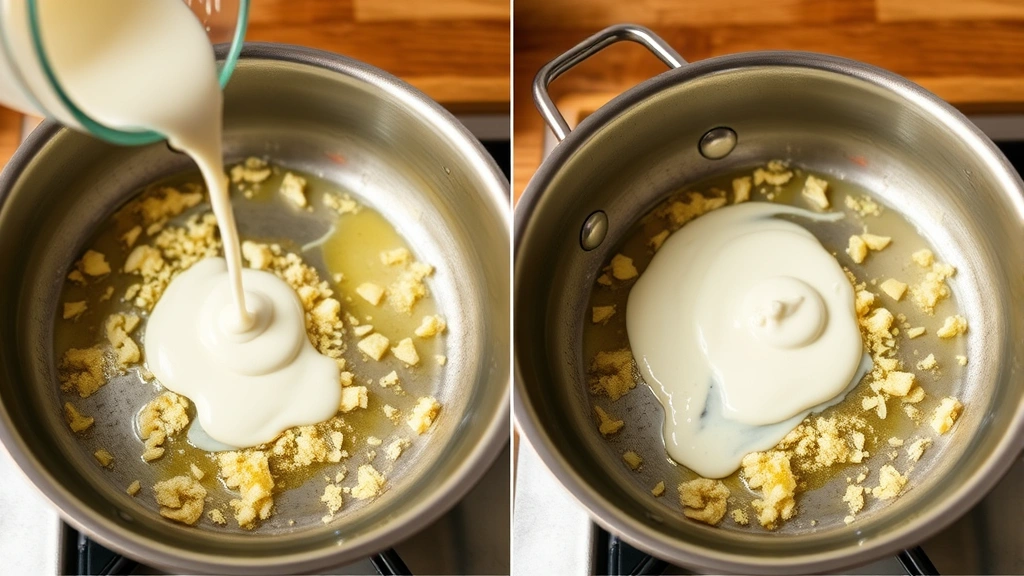
- In the same skillet (or a clean one), melt the butter over medium heat. Once it’s foaming, add the minced garlic and cook for about 1-2 minutes, stirring constantly, until fragrant. Be careful not to brown the garlic, as it will become bitter. You want it to be light golden and aromatic.
- Pour in the heavy cream and whole milk, stirring to combine. Bring the mixture to a gentle simmer, reducing the heat to medium-low. This should take about 2-3 minutes. Stir occasionally to ensure even heating and prevent the cream from scalding on the bottom of the pan.
- Once the cream mixture is simmering gently, add three-quarters of the grated Parmigiano-Reggiano cheese, stirring constantly until the cheese is completely melted and the sauce is smooth. Add a pinch of nutmeg—this is Valerie’s secret touch that adds subtle warmth and complexity without being identifiable as nutmeg.
- Season the sauce with salt, freshly ground black pepper, and the fresh lemon juice. The lemon juice brightens the richness of the cream and adds a subtle tang that makes the flavors pop. Taste and adjust seasonings as needed. Remember that you’ll be adding salty pasta water, so go easy on the salt at this stage.
- Add the drained pasta to the cream sauce, tossing gently to coat each strand. If the sauce seems too thick, add reserved pasta water a tablespoon at a time until you reach your desired consistency. The sauce should coat the pasta but still flow slightly when plated. This is key to achieving that signature silky texture.
- If you cooked the Italian sausage, add it back to the skillet now and toss everything together. Fold in the fresh parsley just before serving, reserving a small amount for garnish. The parsley should remain vibrant green, so avoid cooking it—just let the residual heat warm it through.
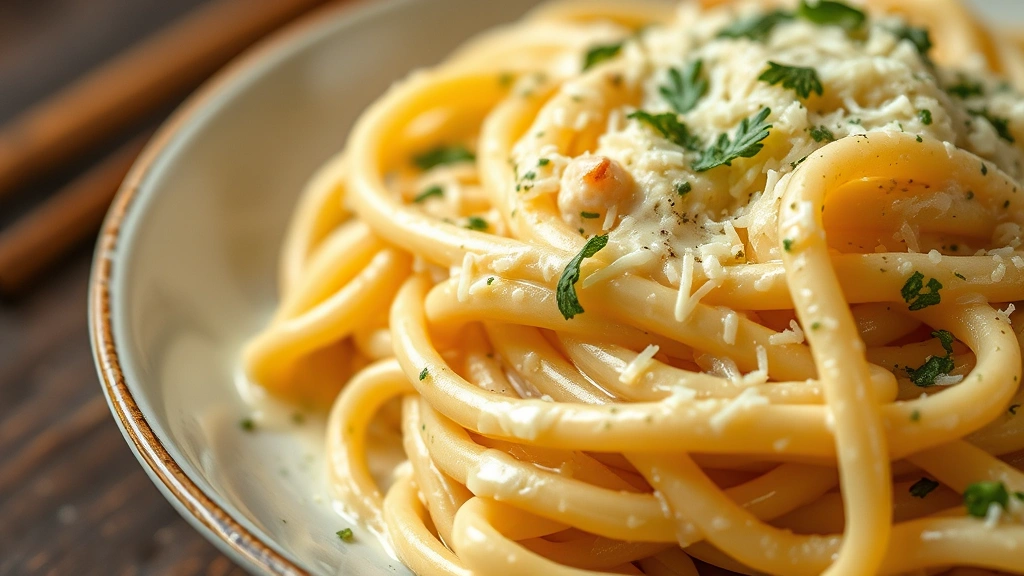
- Divide the pasta among warmed serving bowls or plates. Drizzle any extra sauce from the skillet over each portion. Top with the remaining grated Parmigiano-Reggiano cheese, a sprinkle of fresh parsley, and red pepper flakes if desired. Serve immediately while the pasta is still steaming hot.
Pro Tips
- Valerie Bertinelli emphasizes using quality pasta as the foundation of any great pasta dish. Invest in bronze-cut (trafilata al bronzo) pasta when possible, as it has a rougher texture that better holds sauce.
- Fresh garlic is essential—never use jarred minced garlic for this recipe, as it lacks the bright, clean flavor you need. Mince it fresh just before cooking for maximum impact.
- The key to avoiding a broken or grainy sauce is maintaining a gentle simmer throughout cooking. High heat can cause the cream to separate. If this happens, remove from heat and whisk in a tablespoon of cold milk.
- Reserving pasta water is crucial. The starchy water acts as an emulsifier, helping the sauce coat the pasta evenly and creating a silky texture. This is a professional technique that makes a noticeable difference.
- Don’t add all the cheese at once. Adding it gradually while stirring ensures it melts smoothly and prevents clumping. Room-temperature or slightly warm cheese melts better than cold cheese straight from the refrigerator.
- Nutmeg is your secret weapon in cream sauces. Just a pinch adds depth without making the dish taste like pumpkin pie. This is a classic Italian technique that Valerie has perfected over years of cooking.
- The pasta should be al dente—still slightly firm when you bite it. Overcooked pasta will become mushy and won’t hold the sauce as well as perfectly cooked pasta.
- Fresh lemon juice brightens cream-based sauces and cuts through the richness. If you don’t have fresh lemon, this is one ingredient where you really shouldn’t substitute bottled juice.
- Italian sausage adds wonderful flavor complexity, but you can omit it for a vegetarian version. Alternatively, try prosciutto, pancetta, or crispy bacon for different flavor profiles.
- Parmigiano-Reggiano is worth the investment over generic parmesan. The flavor is more complex and it melts more smoothly into sauces. Always grate it fresh—pre-grated cheese contains anti-caking agents that interfere with melting.
- This dish is best served immediately, but leftovers can be refrigerated for up to two days. Reheat gently in a skillet with a splash of milk to restore the sauce’s creamy texture.
- For a vegetarian twist, add sautéed mushrooms, sun-dried tomatoes, or fresh spinach. For seafood, try adding shrimp or scallops during the final minutes of cooking.
- The pasta water is liquid gold in the kitchen—never discard it without considering how you might use it. Beyond pasta dishes, it’s valuable for risotto, soups, and other creamy preparations.