
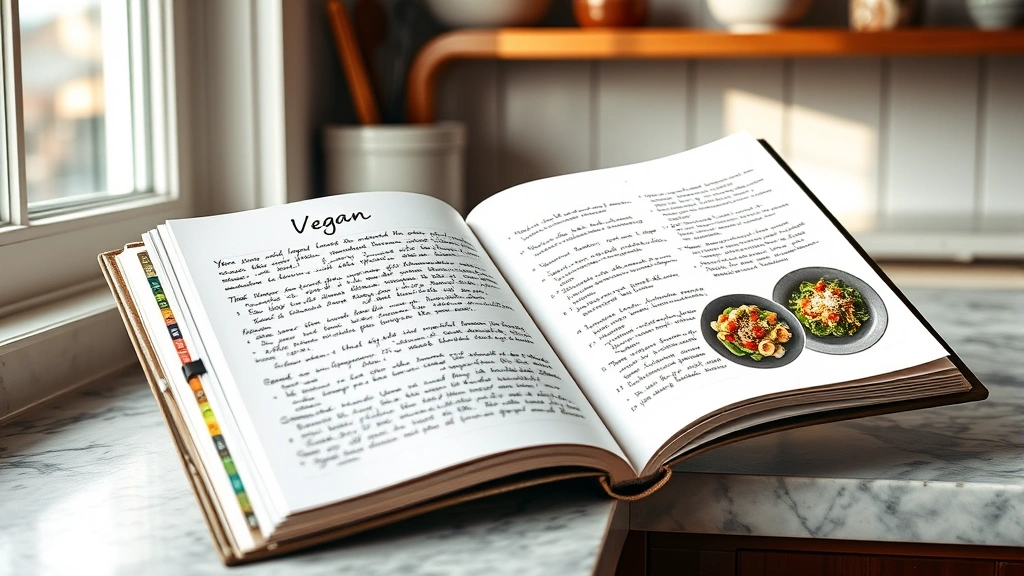
Creating your own vegan recipe book is easier than you might think, and it’s such a rewarding way to organize all your favorite plant-based dishes in one beautiful place! Whether you’re a seasoned vegan or just exploring plant-based cooking, having a personalized recipe collection makes meal planning effortless and fun.
I absolutely love the idea of curating your own vegan recipe book because it becomes a reflection of your unique cooking style and dietary preferences. The best part? You can include all your go-to recipes, from quick weeknight dinners to impressive entertaining dishes that will have everyone asking for seconds.
Let me share my favorite tips for creating the most beautiful, functional, and inspiring vegan recipe book that you’ll actually use again and again. I’ve been organizing my own collection for years, and I’ve learned what works best for keeping everything accessible and organized.
Start by thinking about the categories that matter most to you. I always include sections for breakfast, lunch, dinner, appetizers, salads, and desserts. You might also want sections for protein-packed salads like chickpea salad, crowd-pleasing appetizers and dips, or seasonal recipes. The key is creating a system that makes sense for how you actually cook and eat.
One of my favorite organizing tricks is including recipes that complement each other beautifully. For instance, pairing your main dishes with sides like pickled red onions, roasted shishito peppers, or finishing touches like creamy tahini dressing makes meal prep so much more enjoyable.
When selecting recipes for your vegan recipe book, I recommend including a mix of quick everyday meals and special occasion dishes. This balance ensures you’ll have something for every mood and time constraint. Include recipes that use ingredients you already keep stocked, which makes cooking from your book more realistic and frequent.
For external inspiration and ideas, check out resources like Bon Appétit’s vegan collection, Serious Eats’ vegan guides, and New York Times Cooking’s vegan recipes for high-quality, tested recipes you can confidently add to your collection.
Make your vegan recipe book truly personal by adding notes about your favorite variations, substitutions you’ve tried, or memories associated with each dish. This transforms it from just a collection of recipes into a meaningful keepsake that tells your culinary story. Include photos of your finished dishes, sketches, or inspiring quotes about plant-based cooking. Your book should feel like an extension of your personality and cooking philosophy.
The format of your vegan recipe book matters too. You can go digital with a well-organized folder system, create a beautiful printed book, use a recipe app, or even keep a lovely notebook with handwritten favorites. I personally love having both a digital version for convenience and a printed version for the kitchen counter. Whatever format you choose, make sure it’s easy to navigate and update as you discover new favorite recipes.
Remember that your vegan recipe book is a living, breathing project that will evolve as your cooking skills develop and your tastes change. Don’t feel pressured to have everything perfect from the start. Begin with your absolute favorite recipes, the ones you make regularly and know by heart. These are the foundation of a truly useful cookbook.
The beauty of creating your own vegan recipe book is that you’re not limited by editorial decisions or space constraints like traditional cookbooks. You can include as many recipes as you want, organize them exactly how you prefer, and focus on the specific cuisine styles or cooking methods that excite you most. This personalization is what makes a homemade recipe book so special and infinitely more valuable than a generic cookbook sitting on your shelf.
Ingredients
- 20-30 of your favorite vegan recipes (printed or digital)
- Recipe cards or cardstock (if making physical)
- Photos of finished dishes (optional but recommended)
- Colored tabs or dividers for organization
- Binding supplies (rings, brads, or spiral binding for physical version)
- Recipe app or digital folder system
- Decorative elements like stickers, washi tape, or markers (optional)
- Notes section for personal variations and memories
Instructions
- Start by gathering all your favorite vegan recipes from cookbooks, blogs, family, and friends that you want to include in your collection.
- Decide on your format: digital (recipe app or organized folder), printed (bound book or loose pages), or hybrid (both versions).
- Create clear categories that make sense for your cooking style, such as Breakfast, Lunch, Dinner, Appetizers, Salads, Sides, Sauces, and Desserts.
- Organize your selected recipes into these categories, ensuring each section flows logically and complements the other sections.
- For each recipe, write or print it clearly with the title, prep time, cook time, servings, ingredients list, and step-by-step instructions.
- Add personal notes to each recipe including your favorite variations, ingredient substitutions you’ve tried successfully, and tips for best results.
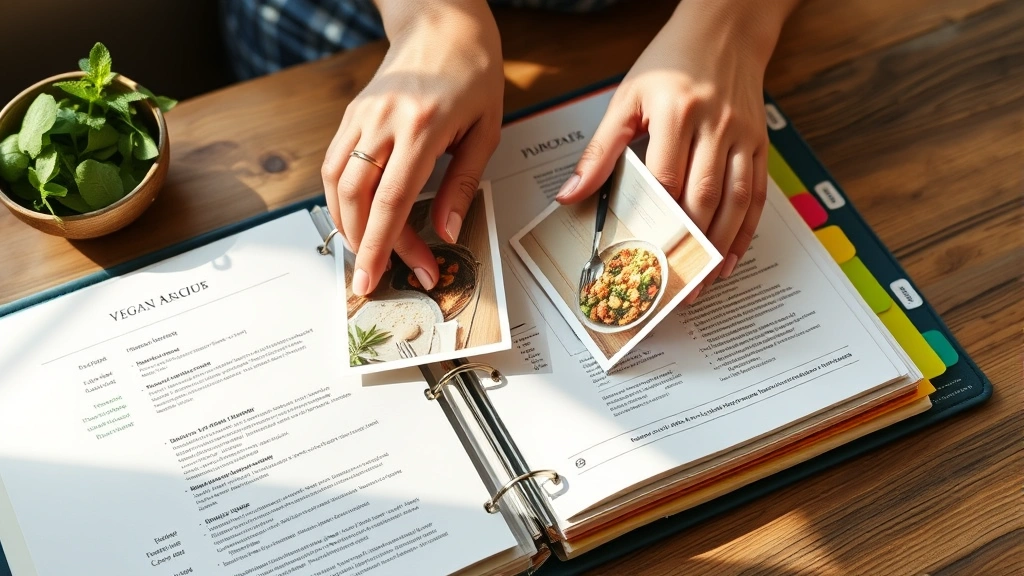
- Include photos of the finished dish for each recipe, either printed or as digital attachments if using a digital format.
- Create an index or table of contents at the beginning of your book so you can quickly find recipes by name or category.
- If creating a physical book, use dividers or tabs in different colors to separate each category for easy navigation.
- Add a shopping list template or blank pages where you can write ingredients needed for recipes you plan to make that week.
- Include a section for kitchen notes, favorite substitutions, pantry staples you keep stocked, and dietary modifications for different guests.
- Review your entire collection and ensure consistency in formatting, measurements, and presentation throughout the book.
- Test recipes you haven’t made before and update your notes with cook time adjustments, temperature changes, or ingredient recommendations.
- Create a seasonal section or use tabs to mark recipes that are perfect for specific times of year or special occasions.
- Leave blank pages throughout your book for adding new favorite recipes as you discover them over time.
- If making a physical book, bind it securely using spiral binding, brads, rings, or your preferred method that allows for easy additions.
- Take a final look at your completed vegan recipe book and admire the beautiful collection you’ve created for easy meal planning.
Pro Tips
- Start your vegan recipe book with recipes you already know and love rather than trying to include too many new recipes at once. This ensures your book feels authentic and useful from day one.
- Consider your cooking skill level and lifestyle when selecting recipes. Balance includes quick 20-minute weeknight dinners with more involved weekend cooking projects.
- Digital formats offer searchability and easy updates, making them perfect for finding recipes by ingredient or dietary need. Physical books offer a tactile, beautiful experience and don’t require technology in the kitchen.
- Include recipes that use similar ingredients so you’re not buying specialty items for just one dish. This practical approach makes cooking from your book more realistic and budget-friendly.
- Add conversion charts for measurements, cooking temperature equivalencies, and common vegan substitutions you use regularly. This makes your book even more functional and personalized.
- Create a notes section at the back for recording your favorite cooking hacks, ingredient sourcing tips, and dietary accommodations for different guests you regularly cook for.
- Include blank pages strategically throughout your book for adding new discoveries and favorite recipes you find over time. Your book should grow and evolve with your cooking journey.
- Consider adding inspirational quotes about plant-based cooking, food sustainability, or wellness to make your book feel personal and motivating.
- If sharing your book with family or friends, include a section explaining vegan substitutes for common ingredients so others understand your cooking choices and can confidently make recipes from your collection.
- Take beautiful photos of your finished dishes using natural light from a window. These visual elements make your book more inspiring and help you remember which recipes you’ve loved most.
- Organize your digital recipes with consistent naming conventions and include tags for quick dinners, meal prep friendly, entertaining recipes, and seasonal options for easy filtering.
- Update your book annually by removing recipes you never made and adding new favorites that have become staples in your cooking rotation. This keeps your collection fresh and genuinely useful.